LegalPCF Group
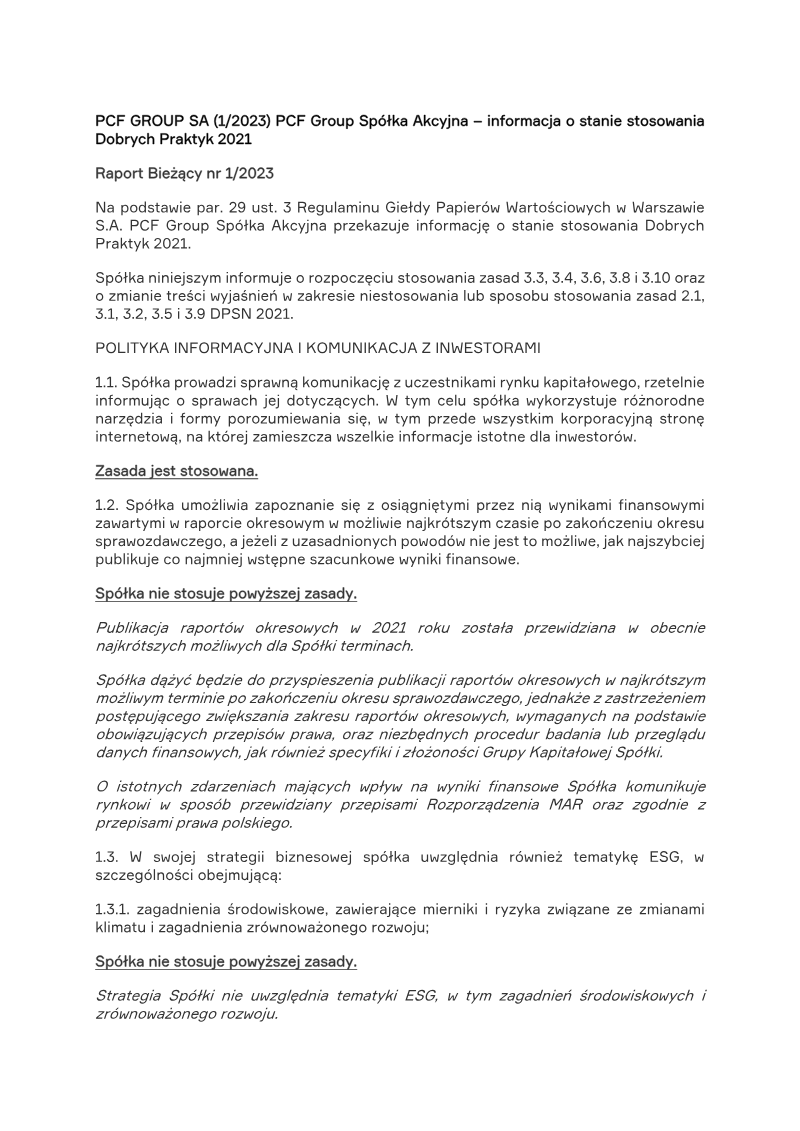
PCF Group Spółka Akcyjna – Informacja o stanie stosowania Dobrych Praktyk 2021
21 Apr 202217 pages~34 min full read
PCF Group SA maintains a selective approach to the 2021 corporate governance standards for companies listed on the Warsaw Stock Exchange, balancing regulatory expectations with the specific operational needs of a global AAA game developer. The governance framework emphasizes transparent investor communication, independent oversight, and shareholder accessibility. Notable implementations include the appointment of an internal auditor to oversee risk and compliance systems, the facilitation of electronic participation in general meetings, and the provision of real-time bilingual broadcasts for shareholders. While the company encourages dividend payments, such distributions remain contingent upon financial stability and the strategic necessity of reinvesting capital into development projects.
Strategic deviations from established best practices are primarily driven by the company’s assessment of its industry-specific impact and organizational size. Management has opted not to integrate formal ESG targets into its business strategy, asserting that game development carries a low environmental footprint. Furthermore, the company rejects formalized diversity quotas for its Board and Management, prioritizing specialized professional qualifications and technical expertise over demographic metrics. This philosophy extends to the decision not to publish a gender pay gap index, which the company argues would provide a misleading representation of its specialized employment structure.
Operational oversight remains centralized, with the company foregoing separate departments for risk management and compliance in favor of integrated internal controls. While the company lacks a formalized long-term incentive program, it maintains a commitment to aligning future compensation structures with sustainable value growth. These governance choices reflect a prioritization of professional meritocracy and operational flexibility over the adoption of standardized administrative frameworks, ensuring that corporate policies remain aligned with the specific demands of the high-budget software development sector.
PCF Group · 2026
PCF Group · 2026
PCF Group · 2026
PCF Group · 2026
PCF Group · 2025
PCF Group · 2025
PCF Group · 2025
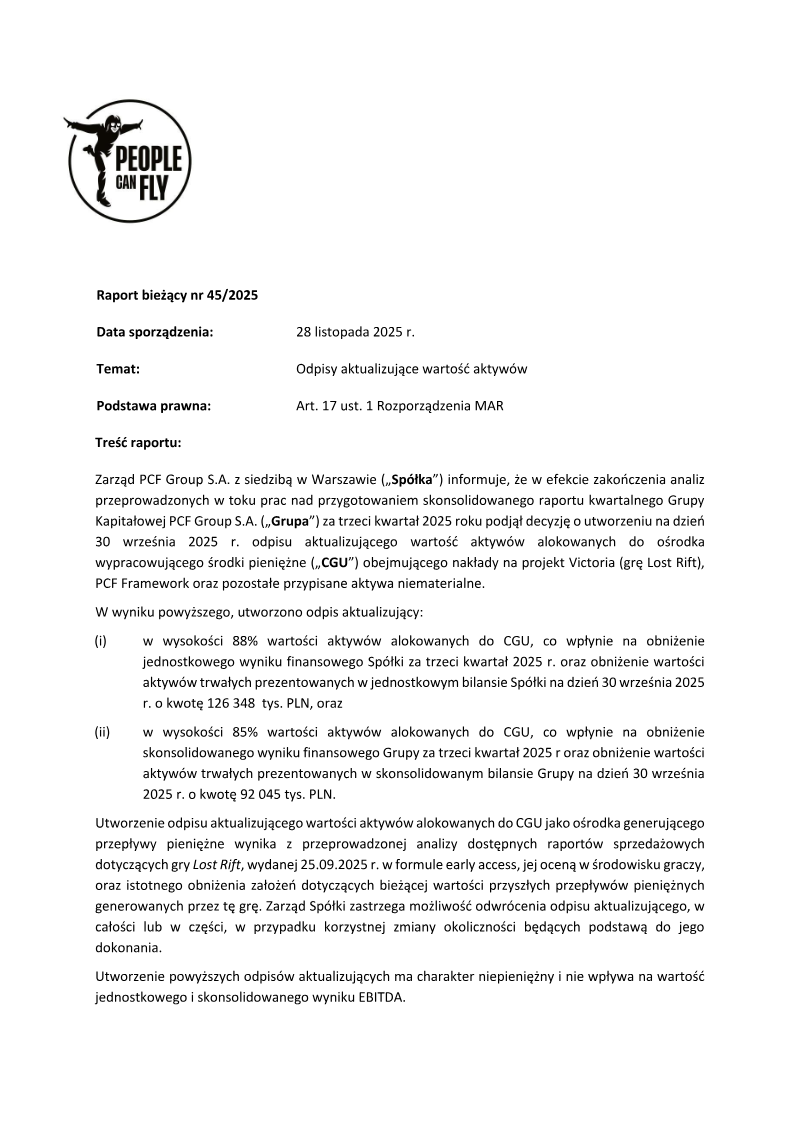
PCF Group · 2025
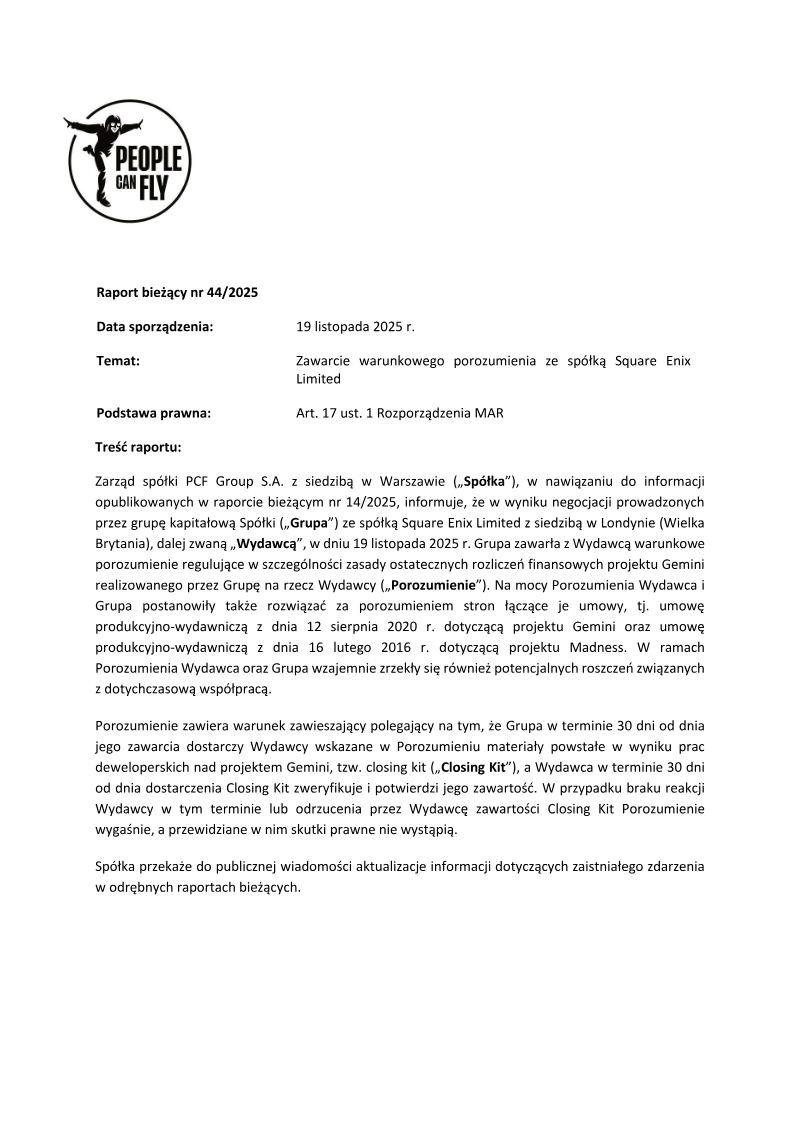
PCF Group · 2025
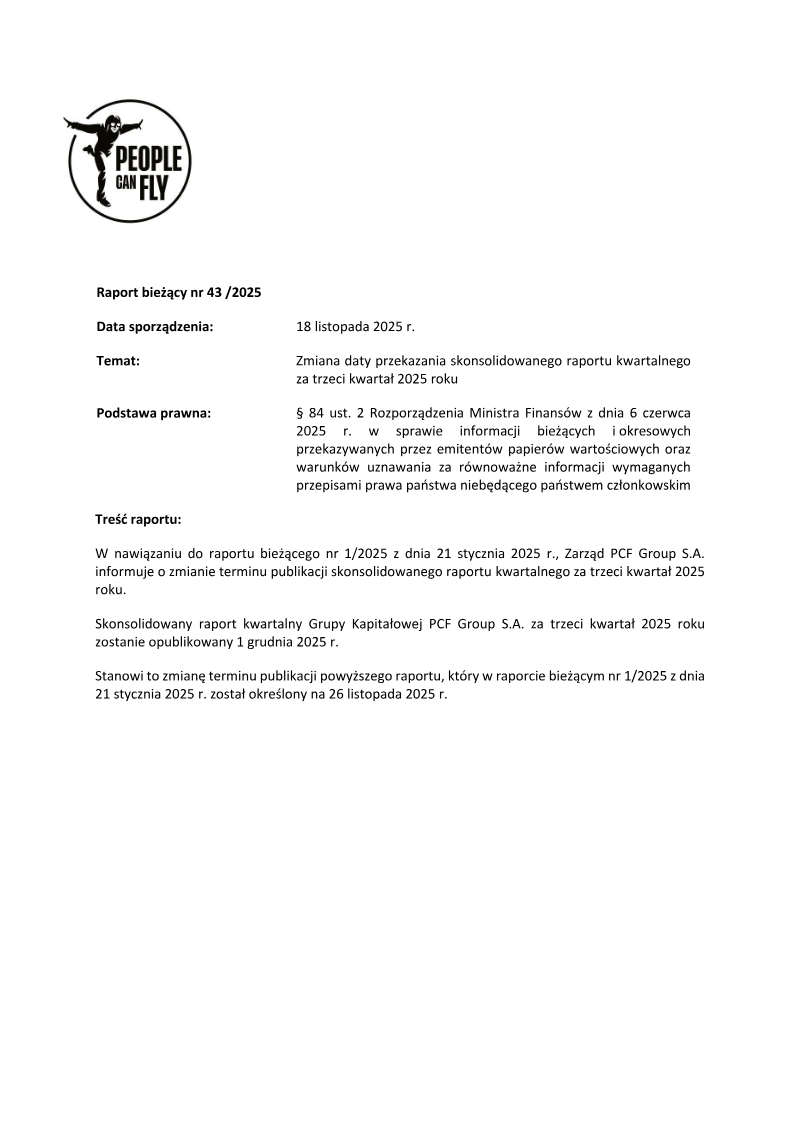
PCF Group · 2025
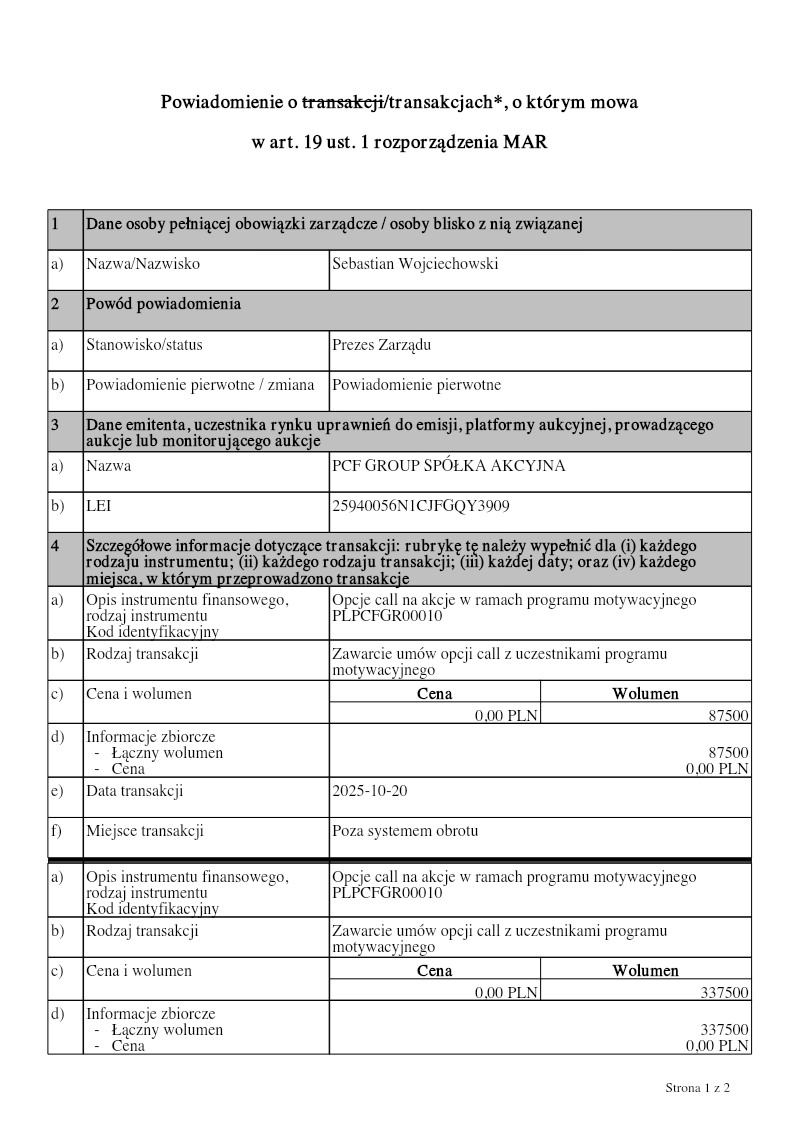
PCF Group · 2025
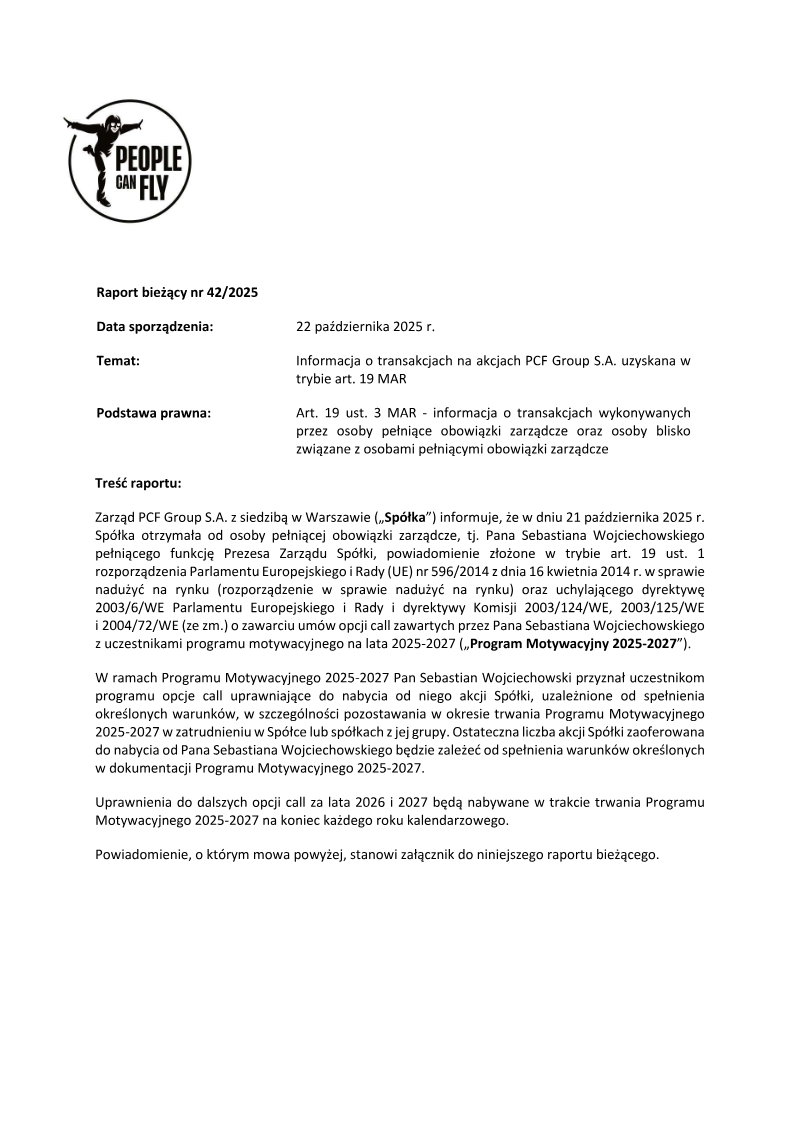
PCF Group · 2025
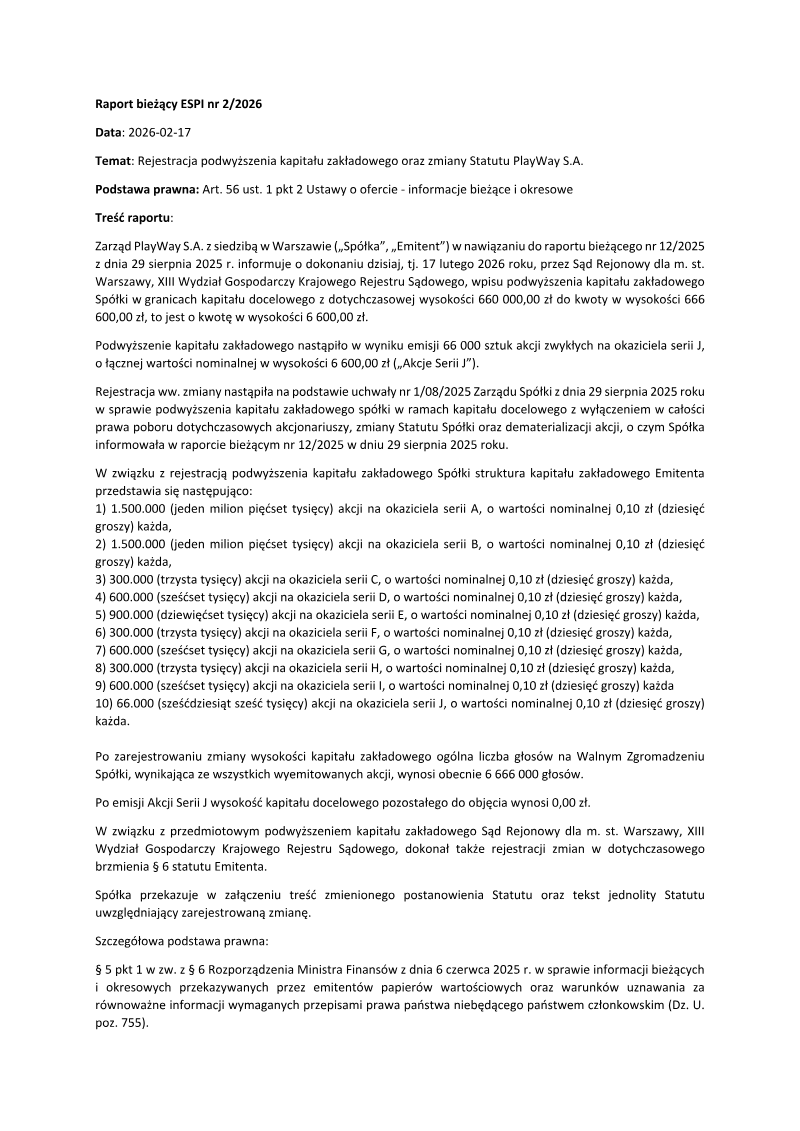
PlayWay · 2026
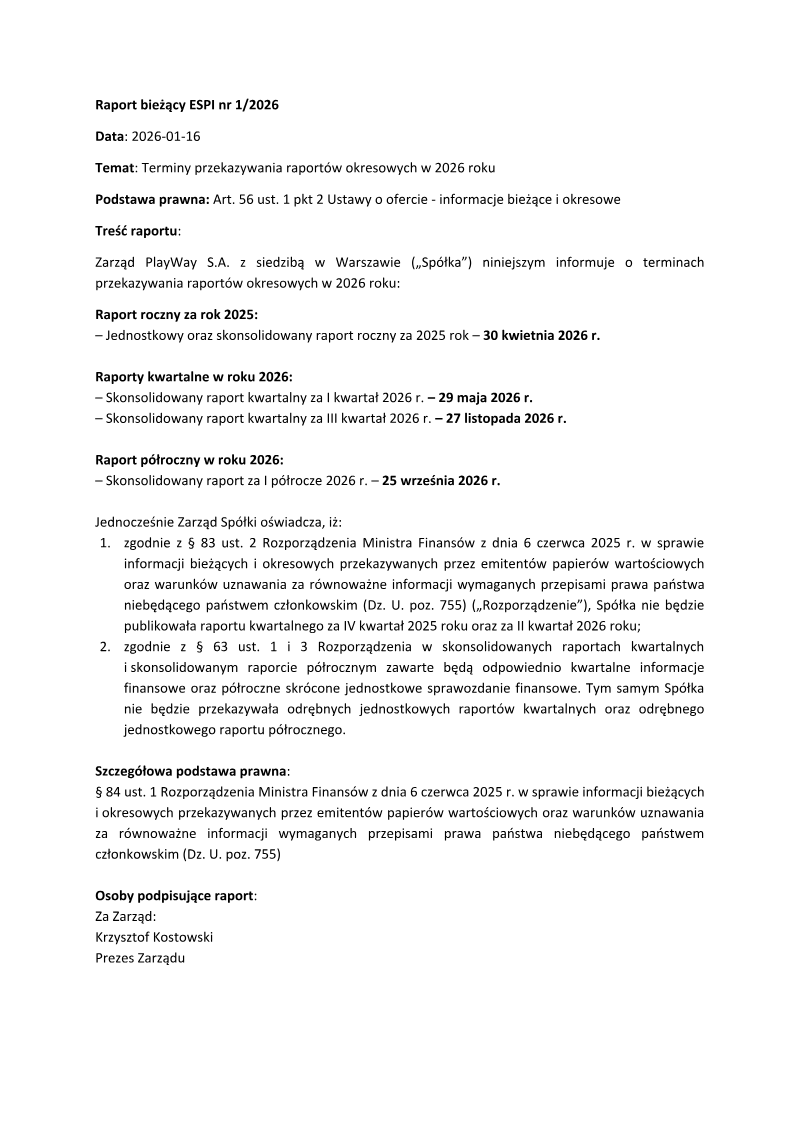
PlayWay · 2026
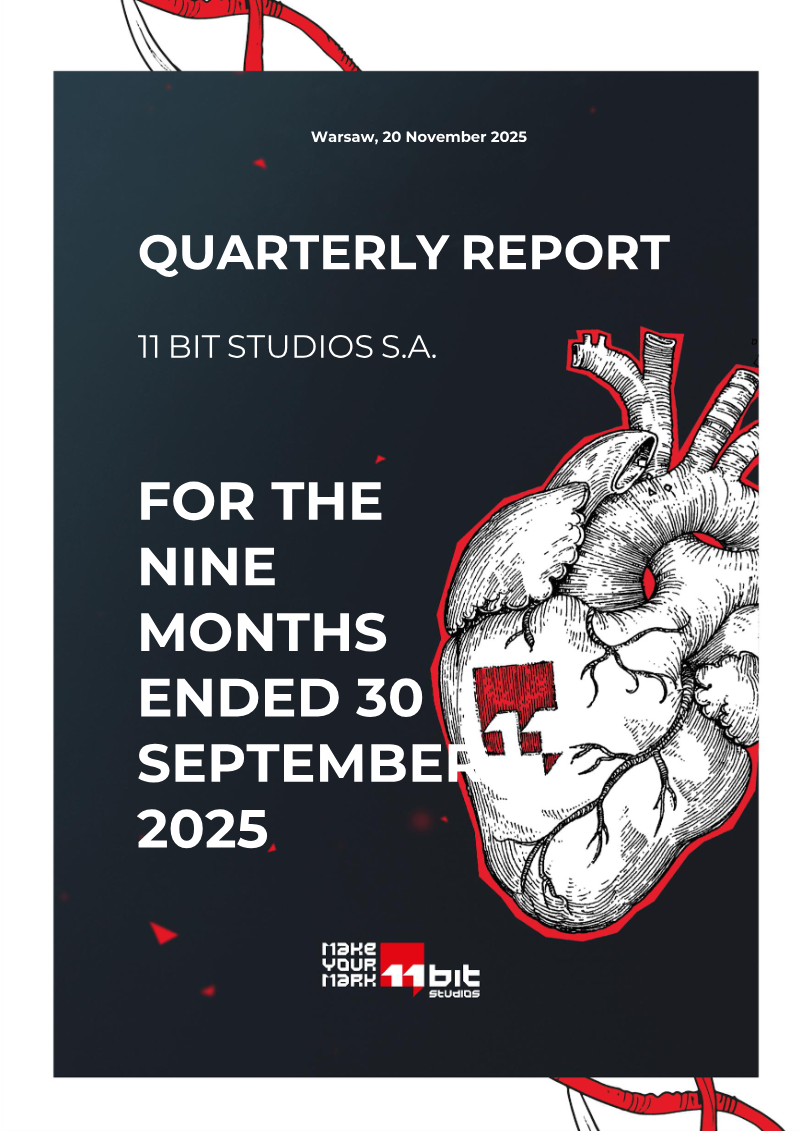
11 bit studios · 2025
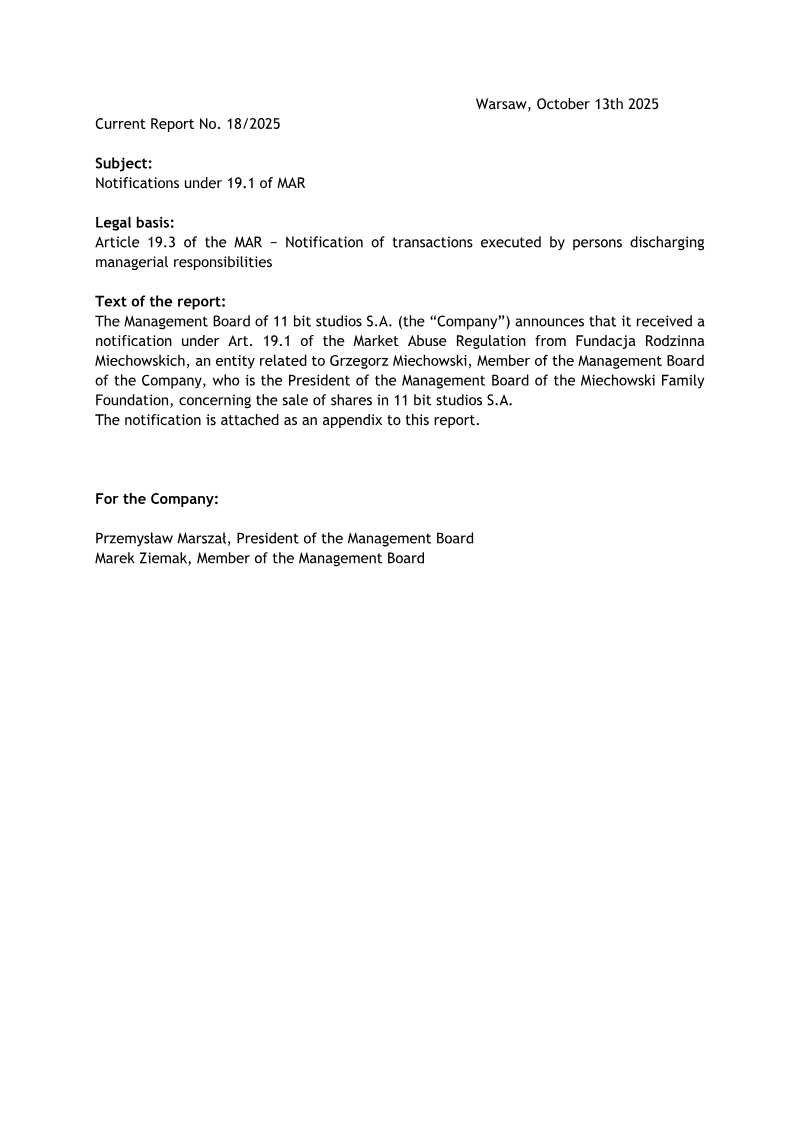
11 bit studios · 2025
PCF Group · 2025
PCF Group · 2025
People Can Fly Group · 2025
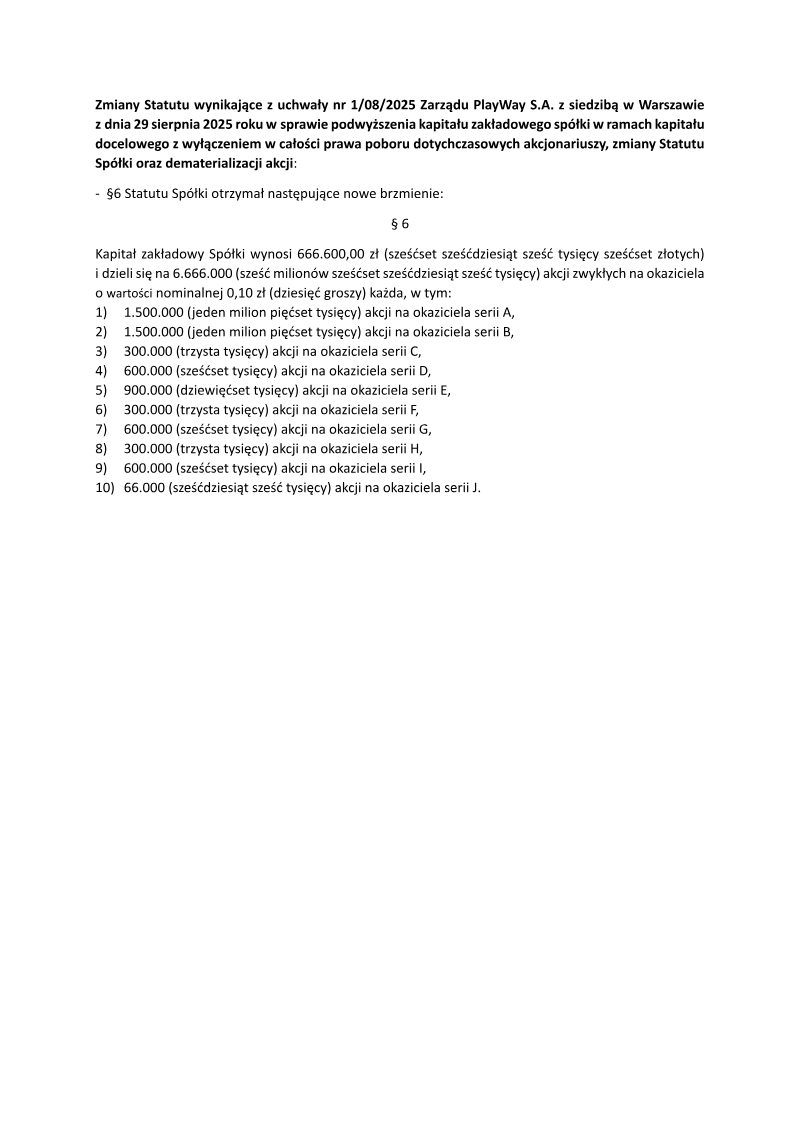
PlayWay · 2025
11 bit studios · 2025
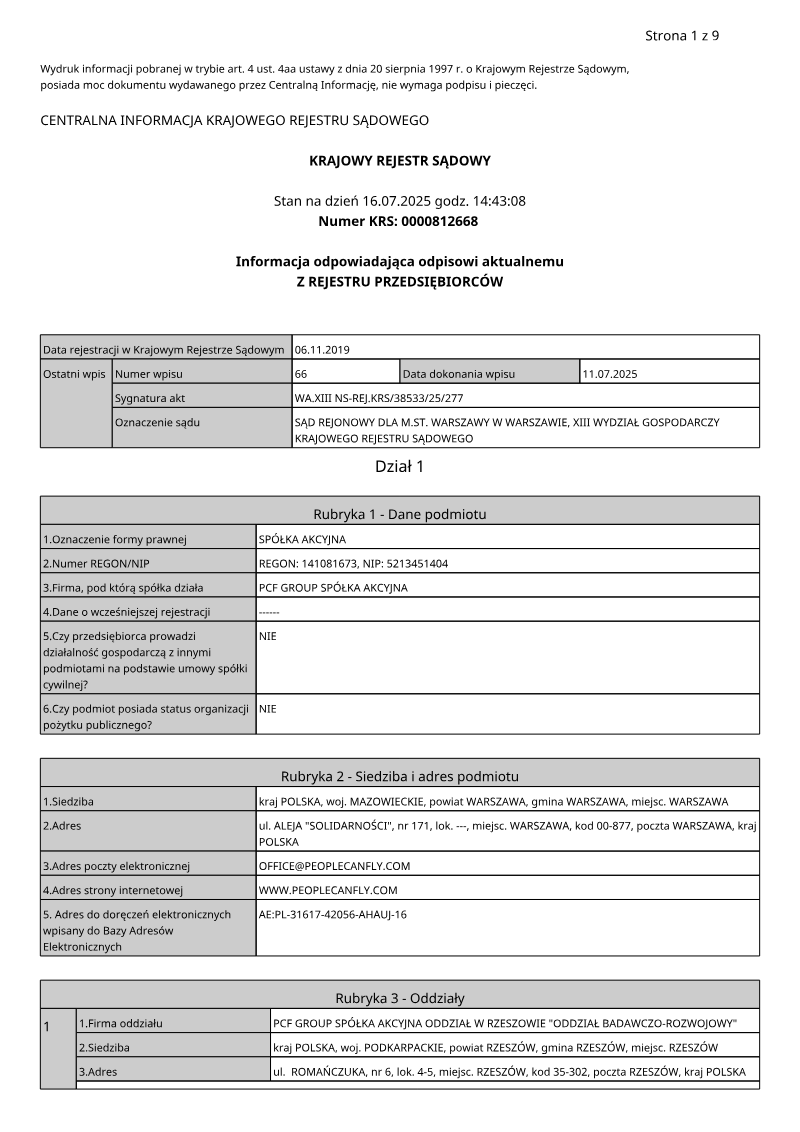
Centralna Informacja Krajowego Rejestru Sądowego · 2025
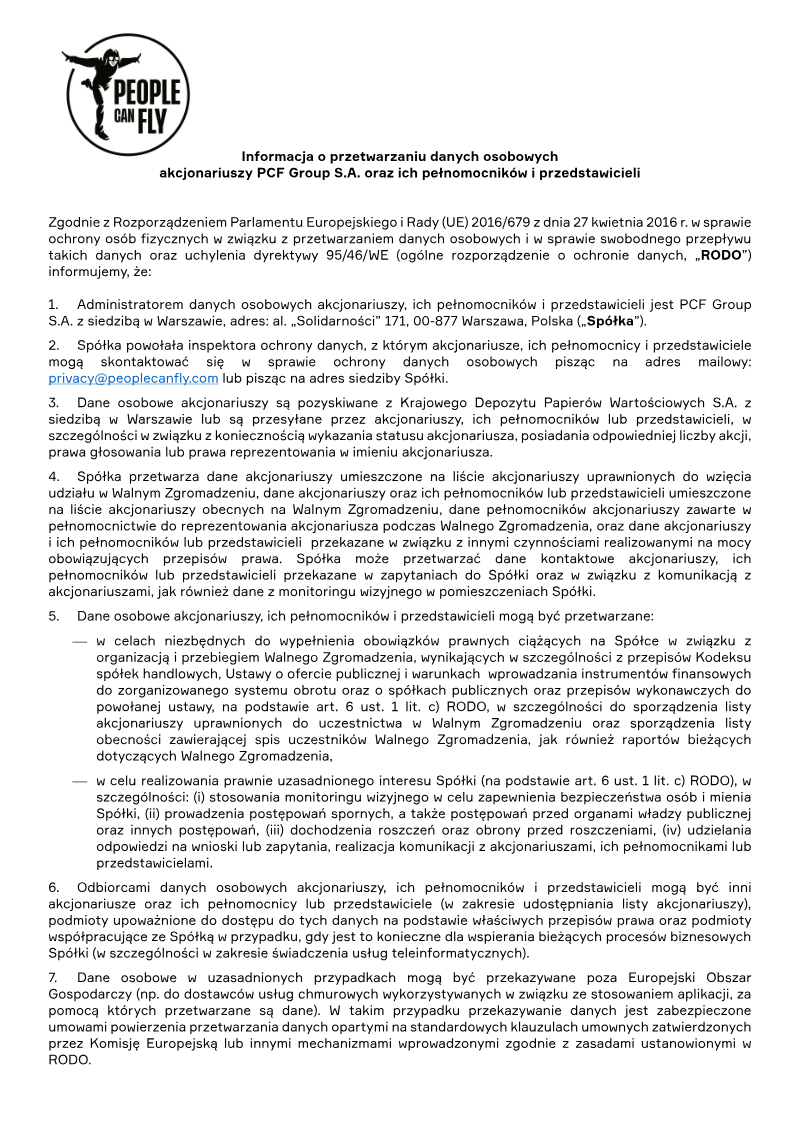
PCF Group · 2025
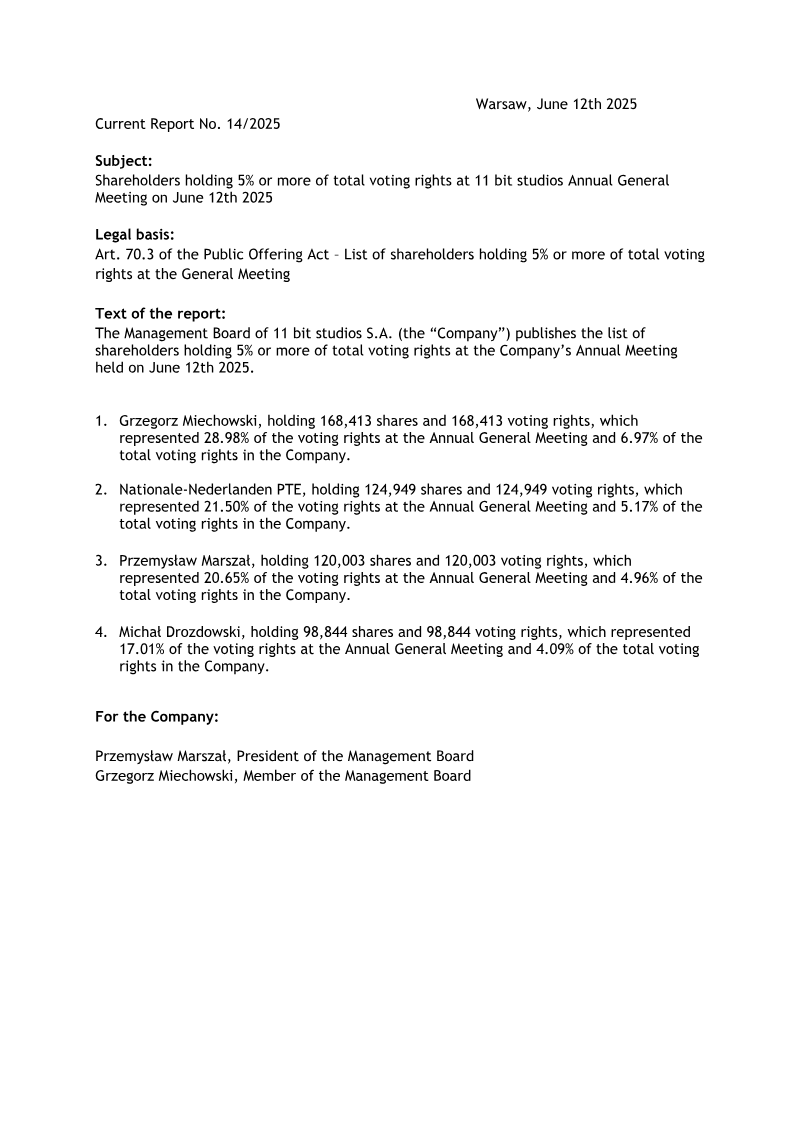
11 bit studios · 2025