1 free read left. Create a free account for unlimited reading + AI research.
Create free accountArticle gamevironments
1 free read left. Create a free account for unlimited reading + AI research.
Create free accountArticlegamevironments
Thibault argues that indie games' turn toward retro, pixel, hand-drawn, and analogue aesthetics is a post-digital reaction against AAA photorealism. These styles are framed as an alternative within digital game design rather than a simple replacement for it.
Mattia Thibault's paper examines how nostalgia shapes the visual styles of indie games, framing their turn toward retro, pixel, hand-drawn, and analogue aesthetics as a post-digital reaction against the photorealism that dominates AAA productions. Its central argument is that these styles are not simple replacements for photorealism but a heterogeneous alternative within digital game design. Several forces are identified as driving this shift: budget and technological constraints that make photorealistic rendering unaffordable for small studios, a longing for the perceived Golden Age of gaming, and a wider cultural craving for experiences that slow down or enhance the passage of time.
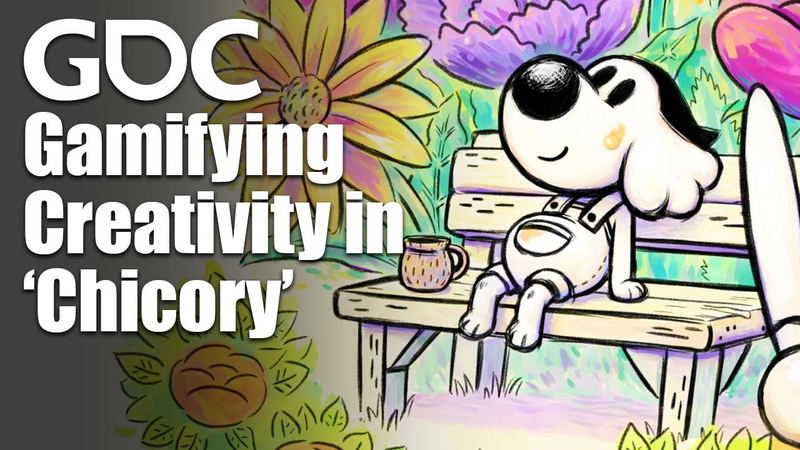
Drawing on work in non-photorealistic rendering and on Lauteren's application of Barthes and Caillois to the pleasures of play, the paper argues that stylized graphics can heighten believability and immersion rather than diminish them. Such aesthetics also evoke both personal and historical nostalgia, a point illustrated through titles such as Cuphead and Future Unfolding, which exemplify the post-digital tendency to blend computing with the look of older media.
The paper's most detailed case is Lumino City (2014), a game whose world was hand-built over three years from paper, cardboard, wood, lights, and motors, then photographed to produce a hybrid of photorealism and dreamlike cartoon imagery. The author contends that analogue-inspired indie aesthetics will grow more common for three reasons: the expansion of low-budget studios, the appeal of imperfection and craftsmanship in a saturated digital market, and a broader post-digital paradigm that fuses computation with materiality. The conclusion is not that photorealism is ending but that video game aesthetics are diversifying, with AAA realism, retro pixel art, and analogue-inspired digital work coexisting as genuine creative choices.
Each row is a game or company this document names, each column a document, oldest first. A mark means that document names it. Select a row to see those documents.



gamevironments · 2026



gamevironments · 2026



gamevironments · 2026

gamevironments · 2026



gamevironments · 2026



gamevironments · 2025

gamevironments · 2025



gamevironments · 2025



gamevironments · 2025
gamevironments · 2025
gamevironments · 2025
gamevironments · 2025