Loading the document
1 free read left. Create a free account for unlimited reading + AI research.
Create free account
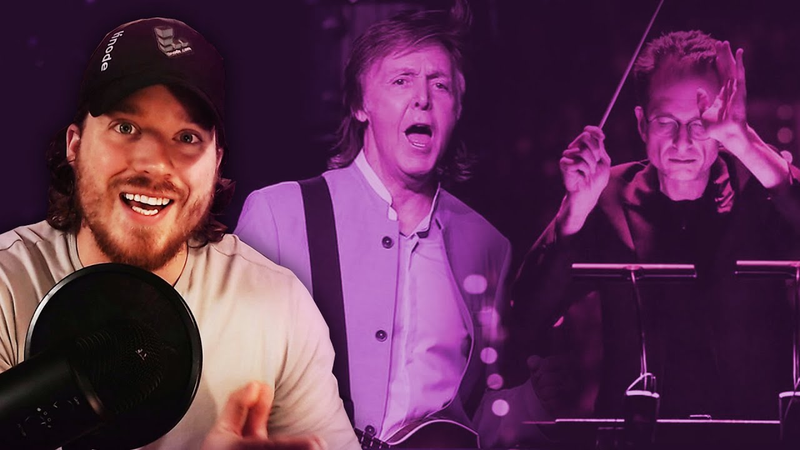
Paul McCartney couldn't ignore this pianist (interview with Gavin Greenaway)
Key insights
6 takeaways- 01Live orchestras remain essential in modern scoring because they provide emotional depth and acoustic nuances that current digital synthesis and high-end samples cannot replicate.
- 02The use of 'felt piano' techniques serves as a key creative method for achieving intimate, textured sounds that prioritize emotional resonance over clinical technical perfection.
- 03Interactive game soundtracks require complex, layered orchestrations designed to adapt dynamically to gameplay, presenting significant challenges in maintaining consistency across disparate recording sessions.
- 04Composers must reconcile the technical discrepancies between studio-recorded acoustics and the final output experienced by players through headphone monitoring.
- 05Professional success in music composition relies less on formal education and more on practical experience, consistent output, and the development of a trained ear through active industry participation.
- 06A sustainable career in music requires balancing the rigid technical demands of high-profile collaborative projects with the pursuit of individual creative expression.
Ask AI about this video
Transcript
you could what's to stop anyone who wants to score movies going out with their iPhone shooting a 5 minute short and and scoring it themselves for what new few thousand dollars you've got a system which is 10 times more powerful than anything I had when I was doing TV in the 90s and putting it on YouTube sharing it with friends if it's good I do believe people stuck will take notice [Music] behind every amazing soundtrack amazing videogame soundtrack or film soundtrack there are people who talented artists and individuals who are helping create this amazing piece of art that maybe
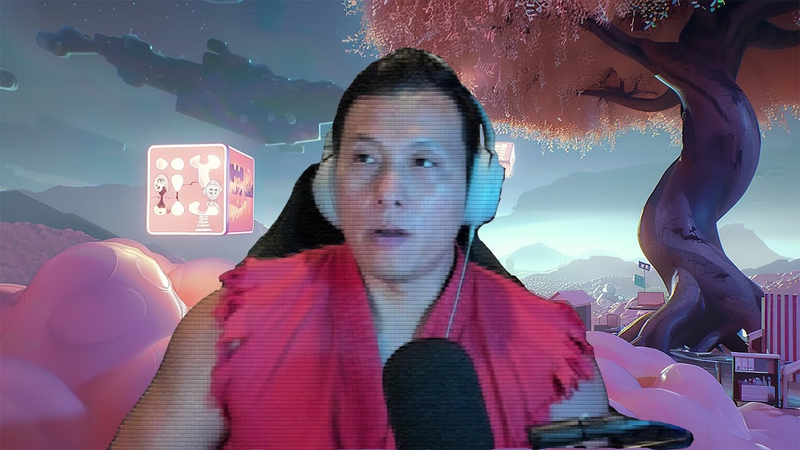
hang out behind the scenes and don't necessarily have their name you know on the first title card of the credits but these are individuals who without them the the music or the film would just not be the same and that's why I want to talk about this guy named Gavin Greenaway I was doing a live stream one day and I started listening to his piano song and it just brought me to almost brought me to tears on the live stream but you know I cried later but not on the live stream and this guy's name is Gavin Greenaway and he is an incredible pianist and he has pretty much had his fingerprints all over the music side of the film industry in the video game industry you know whether it's faceoff the peacemaker and ants or the Prince of Egypt or the Thin Red Line gladiator chicken run Hannibal Shrek all the way down to Iron Man The Dark Knight Sherlock Holmes I mean I'm getting chills looking at but looking at all
these amazing movies that he has worked with on his Wikipedia page and he is the conductor of all of these amazing soundtracks and he actually goes on tour with Hans Zimmer often and conducts the orchestra for Hans Zimmer's music he's also done some incredible soundtracks for videogames and that includes marvels of spider-man last year in 2018 and also the Final Fantasy series that came out last year and sure Gavin's had an incredible career but my favorite part my favorite part of Gavin is you can just sense he has he has a pure heart and an incredible kindness and well-thought-out wisdom so I strongly suggest you listen to the entire interview because I definitely learned a lot from this guy and I think we're we're really lucky to be able to hear what he has to say so let's go ahead and get started all right well we're live
I'm not live but we're recording now so Gavin I really appreciate you being willing to talk with me I know you're in are you and you're in England right or London I'm about 20 miles south of London 20 miles south of London so it's it's probably getting late for you and so I really appreciate you taking the time to talk to me about your incredible career like you've done so many things that I could only dream of and you've you've worked with I think probably every famous composer there is it's just incredible so would you like to just introduce yourself and what you've done in your career and and all that good stuff sure so I'm Gavin Greenway and as Thomas said I kind of tried everything in the business from being to an assistant engineer to producer to writing music to movies writing music for adverts orchestrating for people
conducting for composers conducting live concerts writing my own kind of music and performing that yeah I've worked with people like handsomer James Newton Howard Ramin Djawadi long bao lots of the film guys also been very lucky to work conducting for people like Paul McCartney which is that's quite a hoot I'm support Martin in fact that the first time I conduct an orchestra was for George Martin and that was quite an experience wow I guess that's the end of the interview that's all we need to know that's really really incredible so I've got like a billion questions here so the reason the reason why you're so important to me like I this isn't an exaggeration I think about your most recent album probably every day - every
other day I something about that album is really really special to me and it's your most recent release it doesn't mean you're not you're obviously still doing plenty of orchestration work so I kind of want to just maybe backtrack from that album and sort of because it's weird to be because you worked with Hans Zimmer and James Newton Howard and all these like big composers that have really big adventurous and sometimes explosive sounds well your most recent album is really delicate so I just want to know kind of is your heart more of a delicate heart and you're willing to compose for these big compose are you're willing to orchestrate what it would conduct for these for these composers you're just willing to do it because it's fun but your heart is really in a delicate place like I'm trying to figure out what that is yeah well I think it will stems from five years ago I was
just over five years ago I was rapidly approaching 50 which I know is a long way in the future for you but for me it sort of suddenly hit me that for the previous 25 years I hadn't made any music that someone hadn't paid me to do right it was like camera job although I love music I love all aspects of it and I've had a great time doing the music I've written some of it has been quite big I don't know if you know the the Epcot theme park in yes it's me and my wife's favorite place on earth so I've got the show rataxes in fact finishes its run in september after 20 years it's good boy they're gonna end it what's it the parade of Nations or tapestry know the temperature Masons was the the parade which only ran for about three years because the the weather was was very hostile towards the
party the fireworks show was some run for twenty years and it's time for new and new pieces fine but it's quite big and bombastic yeah as you say that the music of hands and lawn is it's very big and muscular music yes so at this point about five years ago I thought well I don't really want to compete with that and I want to do something that personal that only I could do yes and that took me back to playing the piano which is my first instrument you know played it since I was six and I um and I hadn't really played for 20-some years and I was really rusty but I I wrote about 14 or 15 pieces and having written them for myself to enjoy playing I thought well I want to record these you think so I then spent a number of weeks playing not to
my satisfaction really there and then I spent a fair amount of time editing which is sort of where I I think saved it as a thing having entered it I played a few people and and I got a positive response so I put it out as now and yeah I got a very positive response but then work takes over and there's you know I've been doing touring with the world of handsomer that last year or so on which is fantastic fun I mean conducting an orchestra of 7080 people 10,000 people are in a crowd you know what's gonna say those have got to be some really big crowds it's really fun and great and it always goes down well but like you say it's big stuff yeah and so I think my recent album woven is sort of reaction in a way to that and I've got even quieter more intimate all about
how much you can eke out of one sound yeah I think you work with secret scissor and samplers and you know they're fantastic from what they can do but after years of sitting behind a computer I was just really ready to work with something completely well I wasn't sure Gavin if you did work like work with a computer like because you're you're a conductor and then your albums that you release are very natural sounding like everything is organic so but then I found out that composers like with his name Danny Elfman I mean even he is using samples and synthesizers and so is that an industry standard at this point certainly from what cups and your directors expect to hear something that is pretty close to the final thing okay but doesn't obviously have the the the musicians on it in there and that sort
of emotion and they're in the Pollack's that you get from yeah and it's probably only a few composers left in the world that can get away with just playing it on the piano to the director yes John Williams will be one of those most of the demos that I hear are of composers for instance John Powell and I did a little bit of oxidation for him or in know how to train your dragons films Wow listen to the demos and go wow it sounds finished Wow well there yeah so why do they why do they fork out like it's hundreds of thousands of dollars right to hold it live yeah millions so why do they do that if if most the average person even me even though I do record musical I I probably wouldn't be able to tell so why do they do that you wouldn't better tell necessarily immediately and I think it's it's a it's that kind of a feel thing yeah you
just especially in a cinema when you're under the big speakers they were all those subtleties even without a crash bang wallop film you know like an action film and there's something about the breadth of real strings and brass that you just luckily you've just come yeah otherwise all of your musicians would be out of a job so man there's so many questions so what's the pressure like cuz cuz you've you've conducted four it wasn't John Williams but it was solo right the Star Wars John had jump out the majority of the music for that but John Williams had written some themes as well so okay so watch that was that nerve-wracking to to jump into something as massive as a Star Wars film was that it's wracking for you know it's always a kick when you work
with on a franchise that you've seen since you were pretty young and yeah and I have an absolutely first Star Wars film was one of my top ten films it's just it's brilliant it's it's got everything and it's got the myth which is you know obviously which has now become a big part of films get this sort of the mythical world and the the hero's journey and all of that but coming back to the pressure thing I used to when I first started conducting for movies and the first movie I conducted was I think I pretty said it was the peacemaker in 97 Wow okay and I co-written that with with hands he was coming in in his at the time not everybody had their own set up so he
didn't have like double set up to that at that point okay now it's not like a team of people to have him but at the time he had one room where he was working and he worked during the day and the night I would come in and do my work and then he tiki-tiki so I I'd written a fair amount on that movie with him and so he said well you better conduct it and I was the first thing I conducted for Hollywood and that was incredibly nerve-racking and well how can like why because I didn't really know what I needed to do for the job you think doctor so I've got to control everything I've got to tell everyone what to do like the director in a movie yeah but then you think about it even a directioner movie doesn't actually do the acting they only influence it yeah so one it took me about five more than five years to realize that my job as a
conductor wasn't to play all the instruments because you can't possibly do that yeah but to make the atmosphere for the musicians conducive for them to do their best work and what what that means is actually you've got to be the most relaxed person in the room you will have it whatever saying oh we've only got five minutes left we've got a four minute cue left here we've got to get it on this take you have to remain absolutely calm and just treat it like just going for a walk there's nothing crazy going on questions flying in from all directions and and also the conductor you may have people the people from the orchestra asking you questions you've got your headphone so you've got the composer telling you to do things the engineer asking you know you've got three or four layers of questions going out and yeah and first I had difficulty in dealing with that but you know after 10 years or so you kind of calmed down
and like a lot of things in life just being relaxed is a good way of getting things done and people around you respond to that yes and my dad always told me that the best leaders are gonna be calm you can't follow a leader if he's gonna be erratic and stressed out because then I'll just stress you out exactly and you make mistakes that way so I found that my sessions now on the solo were pretty chilled but he killed and and it was great because it took about technology most movies I say most I don't know precisely but most movies today are recorded to a click really yes as in your sequence so put out a click yeah and there's there's a number of reasons for that it's great for overdubbing parts it keeps everything in check it's great to keeping the tempo
absolutely locked editor's like that you know it's it's not going to be shifting around too much it's also one of the practices that a lot of people do is we will record the strings in one session and the brass in another session ok and the reason isn't isn't that they can't play is it's because I'm gonna use hands an example you know he has the brass playing these huge chords and you know twelve horns playing if they did play that at the same time as the strings they'd wash out the sound from the strings so the only way to make it work is to it separately right and if you don't have a click you never hang out you I mean they ever not record it with a click though in the past oh yeah yeah old school way back when so you get a mixing of strings and horns and that wouldn't always be good well it would be what it was and and one of the things I kind of miss in
that old school thing he said in a way it does sound better because everything's have rumors acting as one room all at once yeah but on solo we did quite a lot of recording on together and we also did a fair amount of recording without the click which is great fun so we'd rehearse with the click do a couple of takes with a click and then join us so right ok we'll turn the click off now yeah and then that's when it gets fun because you can push and pull just a little bit but it takes away from being so regimented well I mean it's kind of like you're not fully the conductor right if you've got the click because it sounds conducting you whereas if you're feeling if you're fee something you can't fully go there as the conductor if you've got something else leading you right yeah yeah yeah interesting okay go ahead have to play with the collector to play musically but it's not a natural thing first times you do so going back to Hans Zimmer and I
guess just I have a question here that is basically I want to hear you to rattle off your top three most favourite composers to work with just sort of going down the line okay in no particular order I'm going to say and no one be offended if they're missed off because that I've worked with some fantastic people i I John Powell is probably my favorite to work with okay just because he is always challenging the orchestra and you to know and for those audience members who don't know can you let staff some movies that Powell's done okay so all that the Bourne series okay How to Train Your Dragon okay a lot of animation
actually chicken run he worked with Harry gregson-williams on that and huge movies huge maybe as well let me see there's lots more solo obviously okay mr. mrs. Smith these fellows got a range and it just kind of like cookie stuff as well okay I mean the itália did they attend job remake or easy he's loads loads of stuff rain so I interrupted you I'm sorry what were you a something and then obviously hands is just incredibly inspiring yes I'm working with him on Adams work writing the score but I certainly was there for the recording of interstellar which was monumental
track is incredible it's it is takes your breath away I mean to be able to write a soundtrack that reflects interdimensional space travel is a big deal and he did it he did it that's really cool we recorded the string orchestra in a physical temple church in in London which is the same place that we recorded the the organ as well yeah it's got this incredible long five or six second reverb and I think that that sort of added to the the two-word dimensionality of it it's a gaggle it was a natural reverb it wasn't post then of the space so wild to me that I mean there's a there is a purity to to both your Busic and his music that it's like it's unwavering in its honesty yeah there's
not from what from what it sounds like it's like he'd rather spend the money and the time and the risk of finding this church and working in it rather than just saying hey let's just put it in afterwards you know yeah certainly and he he really is an artist if if something if he spent you know a lot of money on something too and it doesn't work throws it out it it doesn't matter rain is a are I remember a story once when they were approaching a deadline on the movie and he there was a queue that finally the director said yeah that that that's working that's working for me and you remember the deadlines really tight and they've got to move on and get recording by soon and hence term writer who said yeah I'm not happy and threw it out through his own queue a help oh wow
and we did it in a day or you know just it just so I know I need to do it yes ambled and got it done do you feel that way as well with your music where if it's not right if you don't feel good about it you're not gonna share it with the world are you willing to release stuff that you're not okay with yeah I mean that was the thing with the second it it is true it gets it gets harder to present stuff of a certain when it's really you're really sort of baring your soul which the piano music is there is a heart it's just me and the second one took it take longer to write I write if I'm in in the writing mode I'll you know I'll write and finish and they'll take one piano piece a week which is not fast but I'd like to yeah I mean the quality of these pieces man like I honestly the way that I listen to that album is I'm thinking he must have been writing this
his whole life because it there really is so much emotion in that second album and I don't want to discredit the first those but the second the second album is something special about that album and I'd really love to figure out like you said it would sorry to jump around in this conversation I know I'm all over the place just really I really am I wanted to touch on the composer's but honestly I really do want to talk about and what's the name of the album - you could share with the audience woven woven and the idea is one of the ideas I wanted to do is to see if I could tell story like in the movies you have a movie it tells the story their music accompanies rate but can you take someone on a journey a proper beginning to end over the length of an album and at the end of it then feel like they've actually traveled yes and so that was that was in the back of my mind on everything I was writing all
of it I was writing um and that means the last song isn't it called we traveled far it's we traveled far and then goodnight my love so that's like 10 some cool the titles didn't I had the the I knew what the songs were about necessary the title is until quite late I didn't want to make the titles tell you exactly what what to think yeah there is there is an emotional strand that I follow when I listen to that album and the night the titles really do help me for example the the song and then I saw you it was that about or if you don't mind me asking it's well I will never divulge exactly what anything really mysterious I don't want to diminish your own reaction and response but a response to it because it's a
personal thing so there's there's a person I'm actually telling a very very personal story which no one knows what it is and it's it's it's semi-fictional and and and semi semi not yeah let's just say it tracks pretty much any relationship that will happen in rate in in respects of you know there's good times there's bad times there's yeah times when things are great and there's obviously trap well that's what's really special i think about this album and i encourage anyone listening to this podcast or interviewed you know to just listen to the album in a quiet place and and reflect and we get chills I don't know it's it's such a special album I'm not just trying to flatter you Gavin it's really special to me well and for me like for me like what I will happen
to me and this is sort of a little bit you got my email but part of the reason why Gavin and I and this is for my audience part of the reason why my you and I are talking right now is because I just had to email you and tell you about my experience listening to your music I it's kind of embarrassing but I was listening to and then I saw you and I was thinking about the first time I saw my daughter because she wasn't she was born in January of 2018 and I remember I he I list to that song and I had to get up out of I was listening to it in bed on my iPhone I had to get out of bed and go cry in the bathroom because of how impactful that zoom was it connects to some kind of and I love the title because it connects within an emotion that says something happened when I saw you something clicked and I'm different and that I don't know what what it is
it's almost like it's like a melody a melody can communicate an emotion and that is to me one of the most bizarre spiritual it's got to be spiritual of some to some degree like that the notes that you chose to play and they're very that song is very simplistic oh but those notes are it's it's one of the most complicated ideas that those whatever five to ten simple notes of that melody repeating can somehow cause you to think of the most profound and eternal emotion it's bizarre to me I don't know I don't you pulled that off I don't know how it works all I could say is that it music can do that and obviously not everyone has the same reaction to a piece of music yeah but I had a similar reaction to at least by Ricard Strauss the other day a piece called metamorphose --n o kay well it's um in the version for seven string
players and I've heard a recording on Spotify and I thought yeah I don't know it's okay it's these late romantic it's it's it was written in response to events in the second world war Wow but I went to a performance of it and by the end of it I was one big soggy mess yes so the live performance of it some something special about that compared to the actual recording of it yeah wow that is hot yeah I think it's very hard to capture that in recording and I tried really hard with the recording of woven not to make it perfect not to fix obviously things that are important to me like right notes that's important yeah timing and to maintain the shake the shaker and dynamic and not so everything to a click well I think that was a really really
wise decision because there it almost sounds like you're playing the piano in the middle of like a field or the woods like there's no natural it's almost I don't know if you know I am ASMR is but does it yeah yeah and that's how it is it's very gritty and you can hear every little tiny thing we very delicate is what I the best word that I can think of and for me like that delicacy and perhaps imperfection of it I wouldn't call it that's the best word like I can think of but that imperfection of it that delicacy of it is what makes it special because when I listened to your previous album again I don't want to say anything bad about it it's just that for some reason the second album because it's so delicate because it's so stream-of-consciousness that's how it
feels mmm it made it stand out like 3,000 times more than your previous album I think the performances are much better as well because I didn't struggle so much there having practice the piano yeah but actually I could actually play it in real time the way I wanted to play it is it hard to play the piano in good time and with proper form when you're playing delicately or are you playing delicately in yourself album I am technically although I'm helped by the the felt yes I was gonna ask about that what is that well that was that was the thing that kind of set me off really down this path of doing something really really quiet and I I was practicing I wasn't fighting I was composing a piece for what I thought would be the second album and it was quite a big crash bang wallop piece of music and my ears were going this is just loud okay
laughter give me a break yes and then I remembered that a lot of pianos upright pianos have a thing called a practice pedal and it's not the pedal that's interesting it's the fact that it puts um a layer of felt brings it down in between the strings and the Hammers so the Hammers it felt and then they then hit the strings rain and that that it this music sort of a bit of material not too thick on a normal piano so I went up to the loft and I happened to have his roll of black felt cuts and felt and just hung it over the keys and cut the relevant spaces for the you know the the frame of the piano yeah and I started playing and fit from immediate it's much much quieter of course but also its it distorts the sound slightly and you
might play one note but actually you're slightly hitting the note either side of it as well just a little bit not enough to make it sound wrong but it just gives it this vibe yeah and I just totally this is brilliant I may be a good EP of you know felt piano and then they just grew and grew of course later on I realized and lost people have done felt piano well I I found that it's a lot of a lot of younger type I don't know what the word is not younger I guess millennial trendy hipster piano music one of the bands is called Goldman they they do something very similar and it's they've been contracted by like Apple and stuff I think I could be wrong for like their commercials and stuff really moody music but I don't know if they did the felt technique like and I dude I've tried to
I've tried to replicate this in my most recent game with it's called Once Upon a coma we're launching on Nintendo in the summer and the way that I I do all software instruments I don't record a life piano so I just open up Logic Pro and play the piano and then what I do is I just decrease the volume of the keys as much as I can to get that a soft sound but you really can't you really can't replicate what you've done because it's it's not really felt it's just decreasing the volume so you've never heard of anyone else really doing the felt technique exactly the way you're doing it well I hadn't until after I finished and then you must must have heard news from he didn't hold out a key called felt and having realizes that I went oh no she's a disaster [Laughter] album and it's a very very very different vibe yeah it's totally
different and the thing that I did this I I'm most proud of is that instead of then adding other sounds to this felt piano I made I added other piano sounds like Oh pluck with a plectrum or hold my fingers on the strings well while playing that the keys happens a lot in that album where I'm like what is what is that instrument and it's all the piano oh there's some sounds that even sounds synth I don't know what that is but that's one um is it on Rose something in the middle of the Sun rose is it sounds it sounds like electric yeah that's felt here plugs put in into the top of the strings yeah and it happens you still get the pitch but it dampers it it's almost like a a Moog sound isn't it that's that's the only
time that I did any sort of real processing was there's a sound in we traveled far because like whoa whoa whoa whoa whoa whoa and that's a chord on the piano sent through a Moog filter with LFO okay okay I just wanted to sort of at that point just stretch the palate a bit and make you think oh yeah we've got a bit further yes did you do any what's the right word post-production or editing in regarding the recordings like I did here some ambient sort of reverb II stuff in the background of a lot of us some of the slower songs and I'm wondering if yes just in effect you're using no there's a lot of reverb on it post-production movement okay okay if for some reason the it's quite hard to find me verbs that work well on piano I can get really muddy it makes ya think
it really muddy very muddy but bizarrely with the felt our least that Mike felt piano I I found that a long reverb and I've been using the reverb by Steven slate from from the his plugins I see I think the it's a liquid sonic so I think make made the engine for it and what my favorite ones of the precast II impulses okay five six seconds long and I think you could bring this space but without taking over so I use a lot of that on it and and there's some back was piano I've played it and put it backwards as well so did you you handled the recording in the mixing in the mastering of it all the I my very good friend Bullock who's super engineer who he recorded all the house train your
dragons and solo and it's what with all sorts of people actually yeah he came over for a day and set up we set up eight mics on the piano and you think crazy why so many mics I had a couple of old ribbon mics just above it some very very clean you know small diaphragm mics a couple of mics at the back of the piano and then some nice Norman's a bit further away in the room and then by burying the mix of those you can you can get a more you know cleaner sound or something a bit yeah what deck but he came sitting it up and then basically I was left to my own devices which is great because that's how you for me I think you've probably feel the same meaning when you're working on a project until quite late on you don't really want too much help yeah because it's gonna dilute it or take you away maybe you haven't explored without well in my experience whether
it's with writing soundtracks for games and I've done three games so I've got like three different soundtracks or the artwork for four games in my experience I don't know what it is what the game is what the soundtrack is until like the 11th hour like right now I have I have two weeks until I have to finish once upon a coma per my contract with my publisher and I finally know what the game is like I finally know what the and it's it's I know that's a really abstract way of saying it but like it's become a person finally it's like a thing that I know and I I could explain its personality to anyone on the street I could finally explain it and so I don't want to be interrupted in the discovery process of that like I don't want to tell and I don't even want to tell people what I think it is you know until it's there yeah I got to the point with woven where I had I don't know 14
15 pieces and I was actually stuck I didn't really know how I was going to put it all together yeah you know I knew what I wanted to do but and that the turning point was we're on the the tour bus for world of hands Emma and we're all sharing things we've been working on yeah amongst the band and Juan Garcia herreros who's that the bass players fabulous bass player from Colombia he played me some of this Latin music he'd been working there so it was like bark rearranged or someone was in in his own compositions and it was stunningly good yeah so work you and I was like and I've played him a beginning the first time and yeah that's pretty safe and at that point I hadn't actually sequenced the album in terms of which went where I reign I was still in flux with the story and I didn't have a title
for that one and I said well I don't know I don't have a title for this one I guess it's just a beginning oh it's a beginning alright so yeah and he heard it and needed ok play more and then I spent the rest of the that makes the next journey on the bus I thought right I'm gonna title this now I mean every song is now going to get its title and now I'm ready to do this yeah and I said and I and I just meditated in inwardly and search for words and I found that every title I see a part from one which was autumn came so soon because I didn't have that song like that oh man I'm looking at the titles right now and I'm not kidding Gavin like when I think about this album I think about I can I can remember the name see that I have a terrible memory and when I listen to a lot of especially classical music when you're listening to
Bach or Chopin or something you can't remember any of those names if you're me because they're so complicated and technical but looking at these titles a beginning the Sun rose and then I saw you a conversation we danced for seven Auto I love the title odd obtain so came so soon I love that title because every time autumn comes that's what I think yeah like it happened so fast what did the time go and I'm after you see that that if you have the vinyl and for me it's very important to make a vinyl on this if you have the final that's where the site turns over and in terms of concept oh yeah it's a seasonal thing rate changes seasons as you play it yeah changed so but the in terms of just going back to the titling alright didn't settle on the title until it
actually made me cry each time like I'd have a title go mm-hmm no it's not I it will make me cry because it would it would be so perfect music yeah so I went like a I'm a wreck emotionally but I'm like it's just that's part of the process that you if you don't feel it I think I think most artists don't know a lot of artists and musicians don't know how to sense that I mean they could be the most technically proficient music musician in the world but they can't sense when the song says something and they hear a any it's saying some emotional thing and you're you you can heat your heart can hear what the song is saying or at least maybe what the majority of people listening to your music would think it's saying and I think you do that I think you really pulled it off with the titling so when you were did you do any
ping-pong balls I watched your videos on your YouTube channel did you do any ping-pong balls with this album well the thing is the thing about a nut like piano is you come because the strings go that way and gravity goes oh this is all an upright piano it was yeah okay why did you choose an upright over a grand oh well initially I think you could put the felt on a grand piano because these the Hammers if that's the strings the Hammers are underneath yeah and you know that you've got access to this part but the Hammers come up like this you can't put felt in I got you but I've since been doing concerts and with my son we worked out a way of feeding through it I like a you know if you're wrapping something up just to send it and a parcel and it's like a yeah you know quarter-inch why does plastic mesh sort
of thing so I'd feel a little bit of this it's under those strings and what you're trying to use the tools to pull it through and then when you get it all the way to the end you then tape on a bit of felt and put it all the way through so anywhere I've worked at now you can do it with a grand piano so maybe that's something for the future well honestly for me I prefer the sound of an upright I think it it sounds I don't know if jeepers the right word but it just sounds more homey I think and less less big to think that you were sitting next to me while I was playing it and I think the the upright is great for that it's just like no story to someone come sit next to me I want to play the piano at you yeah yeah yeah Spider Man let's talk about spider-man really quick so you were one of the just
on that I was just a conductor okay so the other thing you don't know about me is that talking about memory you say what remembering titles I've worked on well over a hundred movies and games as a conductor now and and orchestrated probably I don't know 20 or 30 I don't remember the things I've done someone said to me other day oh yes because you know when you you conducted Pearl Harbor didn't you and I went well I remember writing a cue on definitely didn't do they have multiple conductors for movies or do they don't hire one conductor usually it's depending on on schedule usually it's just one anyway I did conduct both up I just completely forgot so you like that to me that's crazy you conducted the entire score for
Pearl Harbor yeah and you're having trouble remembering that no so you two best spider and how did one thing I do know about the games which is really fascinating now and i-i-i think it's the great use of technology is the I don't know who's I think each company has their own engine as it were for the music I'm talking about using the click to advantage we often record a layer will like a string layer and that's got a particular sound to it and then a brass layer or a woodwind layer or different percussive layer and then a variation on those layers so they could all work layered up on each other right you can you know different permutations of them and these these engines in the gameplay
will switch seamlessly yeah to to Rio sri orchestrate it yeah depending on what the player is doing ending on the play so it's always only growing yeah that's great crazy game but it's a nightmare when you're recording that's really great that you bring that up man because it's kind of industry standard especially for Triple A games too to have that growing soundtrack and changing soundtrack with the melody is the same but it's just becoming more intense so how how on earth do you do direct that right yeah well we we have to I mean it's it's a little bit trial and error to be honest a lot of the trial and error has already been done with the samples if it works with the samples you know the composer's been through and they already know all these these parts are going to work together yeah but then when you come to play it
and remember this is this is musicians and they're they're human they don't necessarily play in the same tuning sense by themselves as they would when they were playing all together an orchestra and we do sometimes run into problems where we have to go back and having we haven't recorded the strings on a section then we in the evening maybe we record the brass and then we realized that the strings are actually bit out of tune because we've done it separately yeah she has to across to hold all the layers yeah well do you usually have to tune to a like a tuner like a digital tuner or something most the time we Pro Tools would use Pro Tools to put out a stand at a 440 mg into that yeah how did that get out of tune then it's it's just people you know sometimes you kind of
forget and as the temperature of the room goes up or down the picture changes that I could get really really esoteric on this please do if C C sharp okay if you look at your piano keyboard there's one C shot isn't it nice that is C shot yeah if a horn player a French horn player and you're playing in this 3d plane you're playing a C sharp E so that makes an a major triad that C sharp that you play in the middle is slightly flat to what you would be on the piano oh wow so it's like in-between a half step it's like 10 reason being is that the harmonic series doesn't quite fit in this in our 12 equal temperament scale
Wow but a good musician will just tune each just a little bit to make it more harmonious Wow now that's great that's a when you hear that a major chord look by the real guys it just sounds right wrong and good but playing a tune and you don't know that that you're playing against that a major chord and you don't hear it and you will play a c-sharp without realizing that you're in the gate you say hey major yeah that's he start one match with the horns wow that's something maybe you couldn't foresee you won't like it so how do you solve that you have to make sure that when you're recording and it says this is a bane of all our lives as recording in listening to headphones yeah on what Evers been recorded as a reference rain if you're doing this this layering thing
which we do a lot with the games and problem there is that yeah believe it or not that your sets of pitch changes on when you're listening through headphones than if you in this thing in the room Wow so you kind of learn and it's a it's it's very hard to describe but it becomes kind of feel thing you just fit when it's in tune yeah even though technically you would say oh I can hear that's definitely flat oh that's definitely sharp I've done it to musician as I've said Oh trumpets you're you're playing flat on that note and then I'll hear the and you're coming through the headphones let's say I say I think it's sharp I would go listening in the control room yeah and well it is shot but in the room it's flat that's wild so I think I think maybe some viewers might and I myself included I
might be confused when I think about where you are when you're working are you in a studio are you on a stage like are you in a one room with one person and are you conducting that one individual how's it work okay so I've conducted anything from a small section of half a dozen players up to 110 yeah we tend to record as you I'm very lucky I get to work with high-end people and they have big budgets mostly so we work with fairly large orchestras yeah it's not uncommon to have something like 10 20 30 40 50 string players and so you might have six double basses eight cellos 20 or violet Wow and have a woodwind section maybe three flutes
couple of oboes and English horn couple of clarinets and a bass clarinet covered bassoons so you could have maybe ten wind players horns with these big scores often it's six horns yeah four trombones six trombones sometimes eight trombones and the tuba then you've got the percussion section now percussions a that's really changed up over record percussion because no these as you know from the samples you can make the most amazing produced samples which no human can play rain rain so have layers of of even on on the highest end games there's lots of sample yes yeah I found that like percussion is nice to be able to control and post because you lay its heart maybe it's hard to control the pitch of it I don't know if that's something you want to be able to control because like sometimes when I hear some
percussion it sounds like it wasn't tuned or something to to work with it so you want you want control of it so we almost always record that separately okay and that's some similar oles and yeah these drums so sometimes you're only conducting like six people really I mean at that point they sort of self-organizing and it's a bit expensive having one person for six so mostly I'm 42 are not awesome and the the rooms were recording in London our Abbey Road Studios obviously famous every Road Studios the chill was fun and air Lyndhurst which is one of houses favorites actually he works a lot there lon also works a lot at any illness and there and this is quite sad they're the only two
rooms now in London where you could get 90 piece Orchestra in and record it all together the other rooms hosts do too you know not enough work in the in the past so you you recorded I'm trying to follow so you recorded in Abbey Road 60 people is that we were saying Oh 1890 up to yeah okay so what that brings me to Paul McCartney what was what was that project he worked on with him yeah that was the the funniest thing we were recording the The Dark Knight that was that the first of the the Batman trilogy I think it was well the Batman Begins then Dark Knight Batman Begins no it was Batman Begins that's right and Joe's doing Howard and Hanson we're working together so we're working at L interest
which is a converted Church okay it's good that we work on the floor and sometimes you put a choir up in the balcony but the balconies just usually empty so after the session I get a call from someone who says hello I'm Paul McCartney yeah yeah I think after me I think this might actually be Paul McCartney he said well I'd like I've written this requiem for falinda it's called a hit cor meum and what would your would you conduct it for me Wow and I said well I think you've got the wrong person I'm not really you know you want a classical conductor you know you want Simon Rutz Linda I'm so sorry what is Linda Linda is was his first wife okay okay and we're talking not 2004 so she died just a few years you
know that but I'm not a huge Beatles fan but yeah so um I said I I don't think you've got the right person like try to talk him out of it so no I I like the way you talk to the orchestra ha interesting like you were saying before about you know connecting with you on a personal level maybe or so we recorded the the in fact we recall it a demo of its is the most amazing thing he had the budget where we recorded the demo with the orchestra that we finally recorded the final recording with 60-piece orchestra choir soloists at Abbey Road and then a few months later after he made some changes and rethought it recorded it again Wow and then he said right okay so premier roll era but Hall whenever it was and at
that point and he probably realized but I had never done a live concert before are you serious yeah Wow and I thought well there's no way I'm not going to do this but maybe I ought to take a couple of conducting lessons which half wait wait how long this was in 2000 when a 2006 so I've been conducting professionally for 10 years you know that's had any lessons so I sought out conducting teacher who gave me three lessons and actually I learned an awful lot about technique from him just you know his three lessons Wow and I've been back to him since and even more so but that was my first live with an orchestra concert was at the Royal Albert Hall was this filmed it was filmed it's um it's out on a DVD or
streaming and you got to be a part of that that's incredible yeah and now obviously I've done a lot of concerts since but that was the one that where as I was talking earlier about staying calm I had no option but to stay calm because really I'm so far out of my depth well obviously not you know because it worked out you knew what you were doing so scary and I just had to keep keep calm and just do the thing that I practiced it yeah yeah look stir with me and off we went and there are a couple of moments in the performance where it got really exciting because I thought hang on a minute it's just like driving a rig fast car freak from the click and with an audience because you get such a kick with audience yeah you start to really create music and and do stuff that you didn't think was possible with the orchestra before that yeah so what was it like
working with Paul McCartney great very nice did you work very closely with him like in the studio riding with him not not writing but he would have he was working with a team that producer from EMI John Fraser who was advising on maybe changing the bits of orchestration or Boston things it's all in place but I didn't really have much input which I was quite pleased obviously I didn't have much think creatively I just had to stick do what I needed to do and get that right yeah cool well the final question I wanted to ask you Gavin is a lot of my audience is probably interested in getting into this kind of music industry whether it's writing music for films or games or conducting and a lot of them are considering school
going to university and and it's you know things have changed and especially in America student debt is a really huge problem right hmm and my question is maybe it's twofold first do you think that they should go to college if they want to step into this second if they can't afford it what should they do yeah okay well I I went to this country music can I start piano and Composition I didn't even I was already dabbling with film and TV at that point I mean I did it because I wanted to broaden my knowledge and and and my abilities and I think that's the only reason to really go to servant wise if you if you want to really dig deep and can get get into your art now I my my oldest son is 19
and and he doesn't know whether he's gonna do jazz and study that a university or maybe even go to an art college and I said to him it doesn't really matter for me as long as you find one thing and really drill down into it study it in depth become a master of that thing that will then enable you to do other things so now I'll start answering your question should you go to university to study film scoring my feeling is it can be useful in terms of your education okay doesn't really mean you're gonna get a job at the end of it it doesn't necessarily form the right connections no and the business is very much about connection yes yeah it's it's probably as much used to seek out other
Creators other people who make films aims or just calling him up on skype maybe and talking to them like we're talking now yeah he may I mentor about any one time three or four people awesome or act conservatories or or not who are looking to find their way into the business in some form and and I'll advise them on what I think I'm it's my personal take but what I never really advise you know if you want to write film scores for instance don't spend your time listening to film scores why because say you're 20 and you want to write films of course you look at everyone in Hollywood you're lucky to make it before you're 40 Wow so as 20 years you've got 20 years growth from here it's not going to be what we're
listening to now I don't know what but it's not there don't get stuck in what people are doing now yeah this broader range as possible listen to Rachmaninoff listen to Morton Feldman listen to some of this crazy chronic stuff that people are doing that you know you found sounds and and dance music just listen to also I mean there's really it's really hard to predict obviously what its gonna be in 20 years and that may be maybe what you're saying is listen to what you enjoy listening to right yeah and also analyze it don't be afraid to analyze it and what is it what what is this harmony work for me what is this rhythm excite me and learn to hear I I didn't study orchestration I never studied orchestration I learned it by listening I'd listen to Beethoven and I'd have the score in front of me and I'd follow the owner partner I'd
understand see what the horns were doing great and after ye you train the thing is what what your training is your ear your training - yeah it's all about here because if you can hear it then you can find it you can reproduce it yeah I know you said to me you only knew you were little maybe not as confident as you could be about your composing because you haven't so I don't even know how to write a single composition it's all what just it's guessing check in Logic Pro what guys do you know what that that's you'd be surprised at the number of yeah because yeah it it doesn't as long as you find it it doesn't really matter how you get to it yeah yeah and I you know like I like to pride myself in thinking that I can connect emotionally with people with my music and I think that is that is the most important thing as a composers we connect use it that is
technically incredible you go where could never do that but it leaves you cold yeah yeah and when I listen to your music I definitely felt there's a bit connected and it it told a story doesn't really matter buddy you studied yet part but part of me Gavin thinks that like it would go a lot faster like writing music you know like it's like okay they're for me like I have to figure out emotionally why a harmony works I have no technical understanding of why it works but you can get there it took like six tries and I'm like oh there it is when in reality if I was a technic if maybe if I went to university or something I would go okay that's gonna work right off the bat I know that will work because if you that technical term causing this feeling so maybe it could help you know the amount of trial and error that I've gone through in the ESS oven know I've always dabbled at writing huge time I was five at the chair just
into things so in 50 years I've been which you call it hunt and check or because it gets a check yeah yes check I've been doing that for 50 years is it your guesses get better yeah okay yeah so it sounds like University is if you really want to learn then it's good thing is is is most of my friends went to college because they wanted a job but they didn't want to learn a thing they just wanted to get a job and so I don't know like so you're saying that the fifty thousand dollars of student debt is worth it to learn it if that's ya know it's everyone's different and everyone's path is different you know there are stories of people that have
come from all over the world camped outside a famous composers office in in LA and been given the job as an intern yeah that's I can't advise anyone to do that because what's the chances a success you know one in a million yeah just because someone did that once probably never going to work again do you think it's dead do you think the ease of the do you think the barriers of entry to get into any kind of school whether it's because there's there's a ton of TV shows and films way more than there used to be games as well so do you think it's getting easier and easier for aspiring composers and conductors to get jobs now or is it getting harder I think in terms of composers it probably is getting easier because like you say there are more opportunities yeah well I started that the gatekeepers were very strong and they there were only a very limited number of ways in okay now you
know you could what's to stop anyone who wants to score movies going out with their iPhone shooting 5 minutes short and scoring it themselves for what you a few thousand dollars you've got a system which is 10 times more powerful than anything I had when I was doing TV in the 90s and putting you on YouTube sharing it with friends if it's good I do believe people stop will take notice it might take a while yeah so you need to create if you want to be a creator and you proved it you know if you want to write computer games you have to do it yeah yeah yeah doing is the thing yeah and that that may be especially for people who just can't afford college that may be their next step graduate
high school and just start making things start making or get a job anywhere in closed-closed to even vaguely close to it to where you want to be yeah my first job was as an assistant engineer at the studio I did it for nine months but in that time I made more cups of tea than did anything else but I was in the room and I learnt from people and people sighs and listen to me as the lowly kpop assistant when I would say quietly Tingy I think you know the sax is playing the wrong note he should keep playing and they go hang on a minute this kid's got ears yeah yeah so you know and that got me to other links to other things and you know programs weather and it you
have to put yourself in a position where you could be found and get their job I think now you if you want to be a composer and I say this to all my mentees you have to write you just got to get on and do it yeah well dude this is my last question and then I'm sure you're ready to go to bed now I've got to go take care of my daughter what is there one person or one business connection that you made that changed everything for you cuz you've you've shaken hands with the the most famous composers of all time you know want to know was there somebody who got you there or did was it slowly made connections now that is the thing so having said all that I've said about finding you know putting yourself in the right place and and you'll be found I had a huge huge head start because my
father was a professional songwriter yes I heard about that yeah what was his name Roger oh come now he never wrote the picture or anything like that but he encouraged me to to rock who I like you know I'm good at writing for adverts and and for TV and he encouraged me in that direction and he definitely opened some doors for me there's no question of it he got in through the studio to have an interview who just want to can I be an assistant yeah but once I got through that door I was on my own you know I had to prove myself yeah and he also got me some of my early jobs where I would assist him on things or so I learned through him brain rain it's
meant that when I went myself to try and get an agent I had a better understanding of the business and I would have done and I've made stakes here mistakes when I started great um that I would have done and that certainly it probably took a few years off the trajectory is it possible oh sorry go ahead I would say hands took a load of years of the trajectory because he called up I was I'd set up at an office with John Powell in London we were doing a production company called independently thinking music and we only been up and running for a year or so and we've got a call from hands saying well this new there's work in LA if you're prepared to come and live out here this was in 95 96 and the eight years I spent in Los Angeles with hands as my sort of Mentor
and and champion yeah that made so many connections that Wow okay that was it yeah well this has been incredible dude thank you so much for your time this really means a lot to me that you you were willing to talk to me I trust me I told I told everyone I all my friends that I was gonna be talking to you because they know how excited I am about your music so I really really appreciate it it's like golden advice and that it's free of charge for all for me and my viewers and that that means a lot to me and I'm sure it means a lot to them as well is there anything else you want to say or anything about the email okay I guess that means you got to get back to work I just lost your picture I'm gonna get you back I'm taking I'm taking a kind of mini most of it at July off because I've been so busy for the last few months the
end I need family time now so and that's my next plan but yeah let's talk again at some point yeah with the best with new game in reciate Han I'm sure it'll be great and look forward to seeing and playing it alright Gavin I appreciate it man you take it easy used to all right bye
Summary
The role of a conductor in modern film and game scoring centers on maintaining composure and fostering an environment where musicians can deliver peak performances under high-pressure conditions. While digital synthesis and sophisticated samples have become industry standards for creating near-finished demos, live orchestras remain indispensable for capturing the emotional depth and acoustic nuances that technology cannot replicate. This balance between digital efficiency and organic performance defines the current landscape of professional scoring, where technical synchronization often competes with the need for human expression.
Technical challenges in contemporary scoring, particularly for interactive game soundtracks, involve managing complex, layered orchestrations that must adapt dynamically to gameplay. Achieving consistency across disparate recording sessions and reconciling the acoustic differences between studio environments and headphone monitoring are critical hurdles for composers. Beyond technical proficiency, the creative process thrives on organic discovery, such as the use of "felt piano" techniques to achieve intimate, textured sounds. These methods prioritize emotional resonance and narrative arcs over clinical perfection, a philosophy that extends from large-scale film projects to personal solo compositions.
Success in the music industry is fundamentally rooted in practical experience, networking, and the ability to forge emotional connections with an audience. Formal education provides a foundation, but long-term professional growth depends on consistent output, the development of a trained ear, and active participation in the field. By focusing on hands-on creation and mentorship, composers can navigate the transition from technical roles to more personal, artistic endeavors. Ultimately, the ability to balance the demands of high-profile collaborative projects with the pursuit of individual creative expression remains the hallmark of a sustainable career in music composition.












Comments