1 free read left. Create a free account for unlimited reading + AI research.
Create free account
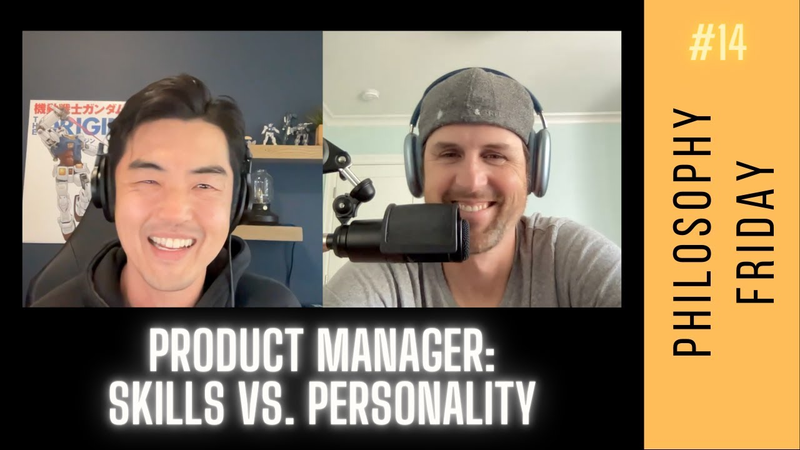
Most Critical Product Manager Skills vs. Personality (Philosophy Friday #14)
Key insights
6 takeaways- 01Innate personality traits, specifically discipline, humility, persistence, and logical problem-solving, are the primary indicators of long-term success in gaming product management, far outweighing technical proficiency.
- 02High-impact product managers distinguish themselves through clarity of thought and the ability to synthesize complex strategies into actionable execution plans.
- 03While technical skills like quantitative modeling and monetization frameworks are necessary for daily operations, they are considered easily teachable compared to core character attributes.
- 04Effective leadership requires a hands-on approach that involves actively engaging stakeholders and providing candid, constructive feedback rather than relying on passive administrative processes.
- 05Professionals should treat high-level corporate roles with caution to avoid 'lifestyle traps' that can hinder future entrepreneurial pivots or long-term career goals.
- 06Career longevity and satisfaction are best maintained by using skill development matrices to align daily work with personal growth objectives and being prepared to exit organizations that do not support those goals.
Ask AI about this video
Transcript
hey everybody it's philosophy friday all right got some feedback that some people were missing that intro so i brought it back for the moment uh welcome everybody your regular hosts are back we're back on the attack as usual myself joseph kim ceo of leela games and brett novak ceo of leading market research firm for the video games industry liquid and grit and today we are going to discuss a topic sometimes of high controversy and debate uh to be honest i actually it'd be interesting to hear your thoughts on this brett i'm not sure where you stand on par some of this debate so let's see however the general focus of our discussion today will be about what are the skills and kind of personality required to be a winning product manager and generally speaking i would say like
the debate is generally one that depends on your organizational legacy like the kind of organization that you come from generally kind of dictates your orientation but we can go into that in a little bit i personally believe that pms need a number of skills quantitative and logic and problem-solving skills ability to do specific types of analysis but the debate part often comes when i often argue that it's actually not necessarily the skills that are as difficult to learn but more around personality or specific personality traits that at least in my experience in some cases are sometimes impossible for certain types of people to develop and so we can talk about that but in what i generally look for are something that i call a needle moving pm a pm who can actually make a big impact on a product and i think for that it just really requires a certain kind of
personality or personality trait so just to outline the discussion for today and i i know we've talked about this before in other podcasts but i i do think it bears repeating some of the organizational differences that we see in the game gaming industry uh ways in which um some of these some organizations are structured differently and therefore would dictate what types of skills and personality would enable you to be more successful in those kinds of organizations a second we'll try to have a general discussion about the general kinds of skills pm should have in order to be effective third we'll then talk about personality the specific traits again i'm sure there's a lot of schools of thoughts on this but brett and i can talk about some of our thoughts and finally just for fun we can talk and potentially argue about what is most critical for pms to be able to win be effective in terms of the prioritization of
whether it's skills or personality or specific skills or specific personality traits but before jumping in brett any thoughts on that what are your high level thoughts before we jump in probably my my biggest high level thought is when i started liquid and grit one of the things i learned pretty quickly was that finding personality traits was much more important than finding skills because it was very easy to teach skills and very difficult to change personalities so we basically changed our entire hiring process to focus on characteristics or personality traits over skills so that we could optimize for that so i think it's it's pretty critical and i also don't believe that i if the average of belief that is here with your ability to change someone's personalities and characteristics is here my my my level
is like down here so another philosophy i have is like you know you what you hire is what you get and there are some exceptions to that rule i know there's one or two that people are gonna that's gonna pop their mind but they're so rare it's generally what you hire is what you get that's kind of my philosophy yeah i i agree with you on so i guess we do both agree that personality is harder i actually on the on at the high level agree that personality is very difficult sometimes it's not impossible to change but maybe i'm a little bit more optimistic in the ability for for their for changes to occur just based upon you know some of my own experience but i do agree it's super tough super super tough but okay so maybe we could start with organizational differences and what i think about different kinds of gaming studios
and how they're organized and how the pm function is different you know kind of like a few i think about in a few different ways the first is generally this notion of small versus big meaning the size of the team and usually the bigger the team usually correlates to greater specialization right so you don't just have like your like engineer you have your uh physics engineer your you know um your tools engineer your engine engineer there's like all this specialization and that can also you can also have that level of specialization on the pm side we've talked about this before whether you have your revenue pm growth pm the tui pm your this pm your that pm and things like that versus being kind of broader or more full stack and my general sense is that kind of examples of different kinds of organizations in terms of how full stack they are versus specialized
is for example if you're going to a company making like a bigger high production game you usually have the bigger team so i companies like ea or zynga would probably shift more towards the higher specialization the bigger teams supercell would be an example of a you know smaller more compact more full stack team but that's one area of difference when it comes to pms organizationally the second has to do with uh how close pms are to product and generally speaking the difference i usually see is kind of i would say three levels um one is like um well i would say that the main difference would be a pm that's more focused on planning and then having a pm that's not only doing planning but also involved in production meaning the development like the pm may be leading
engineering sprints might be the product owner or scrum master or whatever and so they there isn't a layer between them in engineering which you might see at a company let's say at zynga where there could be a producer that sits in between engineering and the planning function for example and so pm and you know correct me if i'm wrong uh brad zynga might own you know the the product roadmap might own the prioritization and coming up with what features to be worked on and the backlog and priority but it may be up to a producer to actually work directly with engineering follow through on those features and things like that so small versus big planning versus execution i the third level that i'd speak about is like sometimes and especially from like um i would say hd console type of companies a p a pm might actually not even be involved in planning but more uh more focused on uh on analysis and kind of you know
basically in some cases being uh like a sql monkey just doing sql queries and things like that so there's that part there's also the third part um is technical orientation or not and this generally depends on the legacy of or the kind of company that you're coming from there's certain companies that just have a higher technical orientation especially certain i would say like tech companies like microsoft facebook or google you might have a lot of pms that are like former engineers and things like that and so the degree to which you have to be technically oriented could be different or not and then i know brett you told me you left me a note not to forget about zero to one but yes zero to one whether you're working on new game or not whether you're doing live ops or not so these are some of the organizational differences which would then dictate depending on the scope of what you're working on what skills and and you know like
what kind of personality traits are going to be important for you to be successful and brett just kind of talking through that do you have any other thoughts would you agree or disagree or have other ways in which you would differentiate pms organizationally well first i just want to say that it's good that we got zero to one out because i don't think we've got a whole podcast without you saying it so we just want to keep that streak alive like okay go ahead yeah go ahead yeah well i was about to say like um you know i've written a lot about the you know applying the peter thiel zero to one concept to game development but it's kind of funny because like you know i i would meet sometimes like some some folks like vcs or whoever who would try to teach me this concept i'm just like you know what you guys got this anyway all right
i mean the other the other thing i just came to my mind when you were saying all that is it is pretty interesting how the product management role is not very clearly defined and it is different wherever you go and or it can be very different wherever you go so it's it's you know i think in gaming it's a little bit more specific in mobile gaming i think it's been relatively defined by probably zynga and maybe yeah probably zynga in terms of product management so you have more of a little bit of a template but even that right you talk to people and you get their perspective on what a pm is or does it definitely changes even in the same size or the same planning or same org or whatever it's kind of all over the place right and so then maybe the second topic we could talk about now are specific skills and so when you and maybe we could start with you brett so when you think about the skills that just in the general case skills that a pm
should know what what do you think about uh what should these skills be that pm's know well i'm gonna steal some from yours then if i'm going first go for it i do think that bringing a sense of analytics and a perspective of monetization to the team is probably what i would say the number one thing for product manager right and we've talked about this before to me a product manager is sort of like a poker player who knows the odds of poker and makes decisions based on what is best on the board what is best in the hand and can build models or frameworks or bring numbers and money into the conversation to make more valuable decisions and valuable being defined by money right it's just an unfortunate component of of business that we have to be concerned about money the second is probably clarity of thought
and that is a little bit vague because it it can't be defined by how the organization does that in my case it's generally writing writing a spec or writing a plan or writing a strategy it's not necessarily your plan or strategy or spec but it is the clarification of what the team or the your boss or whoever is driving the decisions is trying to have right like and so that clarity allows for other people in the team to understand it and i those are those are my my top two skills of a product manager i'm going to stop there all right yeah and so i would i i definitely agree i definitely think that to your point about like clarity of thought um basically i i would kind of describe that as just strong logical thinking problem solving skills is very important um i also think just having strong quantitative analysis so like the
ability to um to be able to design and structure very clean simple well-formed spreadsheets for various types of analysis i mean you know there's so many models that you have to build as a pm and so being able to do that well so understanding you know not only all the formulas but being able to you know do pivot tables do sensitivity analysis doing all the things that you can in a spreadsheet is is very very important and and so i think there's like maybe if i were to pull back and kind of describe categories so one like the problem solving clarity of thinking how you structure and think about stuff is one quantitative skills in terms of like and one part is like modeling excel that sort of thing but in addition i think having a basic understanding of
statistics um you know i i think in some cases understanding how to do a linear regression depending on the organization that you're from in some cases being able to do things like sql queries that's not in at our company that's not as important for a pm but i know at some companies being able to do that is important um i think the third part i would say would be understanding the product so you know if at our company we're working on shooters so i would expect all of our pms to just really know that space very well to understand shooters to be playing shooters and this is the um i would say one of the issues that we often see in some game companies where there's such a focus on you know how well can you model how well can you do things and then you hire like the nba or the bank x banker who's strong quantitatively but then they don't really understand the product because it's kind of beneath them you know
they're too white color to then play the [ __ ] out of all the games in in the category and really understand the product well and and have a sense for the feel of the game because they just want to focus on the planning and you know doing all the all the more quantitative analysis and then maybe like um two other aspects i would say is the another one would be tools so basically understanding how to use the major pm tools that that that you would be using so whether it's a pm tool like jira asana trello click up monday whatever and understanding all the differences and and things like that and maybe finally just um uh kind of i would call it like strategic thinking or framework-based thinking being able to structure things in clear and easy ways to communicate to different people in the organization
and so coming up with with with frameworks and ways of thinking about problems in simple ways i think is also important um yeah i i mean the the other two that we haven't talked about and done on my list would be creativity um yeah i think that depends on the organization but i always felt like that was a strength of mine at zynga that size the product manager was also very involved in the game design aspects of the feature very involved in critiquing the the art that came out or or also just thinking of original ideas and being creative was i think for me at least was a big advantage right i mean pms could optimize some vms could sort of optimize what was already out there and other pms were really thinking about original things zero to one as i've heard on someone's podcast i can't remember who's zero one thought but yeah yeah so that one and then the other is obviously is dependent on the
organization but i mean i think in all organizations there's obviously that understanding of of humans right there's that ability to interact the ability to lead depending on your role the ability to integrate the ability to be part of a team to collaborate all that stuff that goes into the human side of being a product manager i think that's uh pretty critical and um the last thing is before we forget i do think that a podcast that we should do coming up is on uh tools jk because we just got in a debate at liquid grit about whether or not we want to use a project management tool and i was pretty opposed to it and some of my devs were for it and uh and so i'd love to i'd love to hash it out on that because i think we would disagree a lot of that stuff because we don't we shy away from those things yeah right yeah and maybe like uh one other thing i think is important
that i didn't mention i just thought of right now is root cause analysis i i do think that a lot of pms often times are looking at symptoms rather than root cause so understanding whether it's you know five wise or being able to um you know understand how to develop like a hypothesis tree or decision tree of some kind i think is also useful for pms to learn um and um and maybe one other thing is just having like this like your batman utility belt of different types of analysis and ways you've approached different problems in the past so as you gain experience in your career it's like oh i remember how we tackled this problem we used this specific approach or we looked at these metrics or things like that like but being able to build that up over time and having your utility built of different tools and analysis and things like that i think is also important all right so those are the skills so if you learned that then i think you'll be all set on skills
uh and um and so maybe the next thing to talk about would be personality traits and um yeah i mean maybe you could start there in terms of personality right yeah so i'm going to start out with my go-to which is discipline i feel like if you're going to be a great pm you have to be disciplined i mean there's so many i think this separates the good from the great we've talked about this before the good show up they respond to slack they answer emails and they go to scrum and they go to a bunch of meetings they call home the great figure out how they're going to spend two two at least two hours and and it might only two hours two hours of deep thought work a day to build specs write documents think about strategy build excel spreadsheets do analysis that's really i think when what the pm has to do to bring value to the organization
and and so i think that's discipline the second is probably uh humility i think because if you don't have humility you're not going to listen to your teammates you're not going to question the numbers you're not going to question your ideas you're not going to be open-minded so i think there needs to be a level of humility that said i think you also kind of have to have a level of confidence to go on a limb because there's just going to be those things that you don't know about and sort of like be okay with kind of taking taking a guess at stuff and then the last one i want to bring up is well i guess i said create it before but the other one is a willingness to learn because i feel like pm being a pm is kind of an interesting role in that most organizations i know if you get super huge is specialized but even when it's super huge i think you're sort of a jack of all trades and to be a jack of all trades you have to be pretty willing to learn right so if it's something new happens right play to earn becomes big or external payments is now a big thing or
something happens in the market if you're not willing to just roll up your sleeves i guess roll up your sleeves is probably in line with that and just learn this new thing you're definitely going to fall behind as a product manager because whatever we're talking about now in two years from now is gonna change right pms are gonna be all of a sudden it's gonna be really important for them to be whatever it is right and so if you're not constantly evolving and learning that that's definitely gonna it's gonna slow you down in the long run yeah and maybe like the specific personality trait that you're alluding to is i do notice that at certain organizations there's there's kind of like a little bit of a laziness where it's just like okay well this is good enough we did it like this before we'll just do this versus to your point about willing nothing i hate more reasoning nothing i hate more to hear from my team and the reasoning for something is
that's how we've done it in the past like like that is one of my pet peeves if when someone tells me that it's like a red flag just like bing ding ding ding you know like it's funny because now that i sort of lead i'm just gonna like mark pinka story like mark pincus used to come into some of our meetings like we'd have these quarterly meetings right and we'd present this like huge deck and i can just remember him coming to this meeting sometimes and he'd have his sort of like i can remember one where he had his feet like on the table and he's sort of like playing with his phone and it's not really paying attention we're literally giving the presentation thinking oh this is a breeze right we're just like going through it i didn't even see him look up right and then someone said something like someone said something just like what i'm saying that i said and it was like the phone dropped his eyes perked up and it was like oh it's on you know what i mean like someone said because that's how we do it or that's how we've done it and it was like and i feel like
that's trigger for me now too it's like i'll be skimming something or whatever and i'll say something i'll i critique a lot you know i'll throw out a lot of things like what do you think about this and i'll get back a ton of stuff and generally i'm just like okay okay okay okay but when i get back well that's how we've done it i am so annoyed and i just like it's like i just dig right into it it's like okay now you now you have my full attention now i'm going to tear this up and i think it's the difference between doing what you're supposed to and thinking about it and i just saw this example today this is why this is so fresh and why i'm going so into it is there was something that somebody was working on and they basically were doing it correct they did correct but they they didn't stop and like to your point the second layer like think about it well it's correct in how we've defined it but is it right you know like is it is it right how you're saying it or how you're doing it currently and whoever was working on it really
like i said was kind of lazy like they didn't go beyond what was sort of defined within the organization and i've i've sort of tried to really build an organization where it's like yes there's information those are guidelines those aren't rules so don't blindly accept anything from them you need to be thinking and using your brain and thinking well even though it's this is a guideline is this the right thing for us to be doing right now right um so yeah that's that's an important skill sorry it's like triggered me jk yes i mean i definitely agree with that like the difference between the number of people who do accept good enough versus trying to do things in the best way possible i mean you know definitely in the minority and then i actually have a framework i think i might have talked about it before like a pm operating system i call like the four piece operating system and what one layer of that is personality there are four aspects to personality that i have as part of that framework
the first aspect i call the bulldog and the cockroach meaning like you know for pms in my company i tell them you have to be a bulldog meaning you know you have to be able to like talk to people directly and and be very vocal about things that need to happen but you also need to be a cockroach in in other words like be very persistent survive continue to keep going after things uh the second aspect of personality i call rebuking your neighbor and this comes actually from a biblical verse from leviticus and i i can i think i might have talked about this before in a previous podcast but i think these biblical verses are so good and by the way i'm not i'm not even christian but i do study whether it's christianity or you know the the vedanta that you know ancient hindu texts or stoicism i i think there's just a lot of wisdom and a lot of ancient writing that that's very relevant to our lives today but leviticus 19 17 rebuke your neighbor frankly so you will
not share in their guilt and i i think that that verse is so powerful because it speaks to the fact that if you're a pm and you see something wrong but you don't say anything it's actually you're just at fault as a person making that mistake and then a second verse i i really love is proverbs 27 6 better are the wounds of a friend than the deceitful kisses of an enemy meaning that the way that you should receive feedback is is to understand that when somebody is giving you feedback they're trying to help you not hurt you but in so many companies today it's like people treat feedback as an attack rather than hey actually here's something that could help me get better and so those are two biblical verses i just like really like and contain in my opinion so much wisdom
but the second part of personality is about rebuking your neighbor and i understand certain organizations this is going to be challenging but i think in the right organization the ability to do this in my opinion it really helps um move the needle and surfaces problems and gets things to a point where things become more actionable so that you can actually make a big impact on a product uh can i just jump in there oh yeah jk i just because this one is i think this one is is really tough and i think it's very much defined by the organization itself so i feel like this is the one where you have to understand the organization at zynga this was totally the culture right i mean you could freaking say whatever you wanted to whomever you want you would email pink as an idea he's going to respond to you right meritocracy was one of our core principles and it it wasn't just something on the wall at the next like two companies after
zynga that i went to that was outside of gaming like not even close to a core value right like telling somebody something that was gonna hurt their feelings was the worst thing that you could do even if it's i i was gonna save the company close to three percent of our of our um profit margins with an idea that i had we're gonna cut back on something ridiculous that we were buying for all of our like for all these people literally the worst thing i could have done like because i hurt i offended the head of marketing and that was something that he really liked and the way i said it wasn't right you know and all that [ __ ] that people get into to avoid the reality that they may want to consider not not doing this because they're going to save the company money right so that one is definitely i feel like unfortunately cultural driven so you you got to kind of be a chameleon on that one and kind of just do how the culture does it you know although we've talked about right and tying that back to
organizational structure generally speaking the more mature stable one-to-n type of companies you generally see that type of culture not in every company like you said zynga it wasn't like that but um usually the zero to one companies where you're potentially facing an existential threat unless you fix things generally speaking it's better to to have this kind of rebuking your neighbor type of communication and the third uh personality aspect that that i often um that's part of this framework is communications so just the ability to communicate well and with people and i i do realize that this is very very difficult like even the notion of rebuking your neighbor even the notion of just like communicating really well and understanding the difference between like not only verbal communication but understanding when to use verbal communication when to use written communication and how best to communicate things
verbally written when to document things this the managing the communication understand the communication flow between different groups this kind of larger aspect of communication is something that pms need to think about but generally in my opinion don't do enough and so that would be the third aspect of um personality and finally the one that i see is probably the biggest issue or this issue that i see the most often is follow through right and i i know we've talked about this before brett but it's like the pm designs a process or somebody designs a process emails everybody and then and then it's everybody else's fault when when the process isn't followed right it's i i've seen this like so many times and so um you know i actually created a uh did i show this to you that the biblical quote that i that i came up with yeah
it was part of the uh you see the ufc yes okay so yeah yeah as part of this talk i i um so matthew 18 21-22 uh then peter came up and said to him lord how often shall my brother sin against me and i forgive him as many as seven times jesus said to him i do not say to you seven times but seventy times seven and then just as like a pm analog something i talked to some of the pms at my company you know i i have a kind of analogous quote where i wrote then the pm came up and said to me bro how often shall my coworker not follow my process and i need to talk to him as many as seven times and i said to him i do not say to you seven times but 70 times seven so the point being and this is kind of a joke but the point being that like it so many pms do not understand
especially junior pms that you can't just design a process throw it out there in an email and expect everyone to like just adopt the process right it really like the install of the process is 10 times 100 times more difficult than the design of the process and the other thing to realize is sometimes even the perfect process by theory if you can create a process that may not be as efficient but is a lot simpler and more likely to be adopted might be the better process because on the execution and follow-through side that it's there'll be a higher likelihood for the for the better process to be implemented and so the personality part is going back to the bulldog and the cockroach in terms of follow-through can't do you have the personality to just keep at it keep talking to these people keep raising this issue with people about you know installing a new process that that needs to be adopted and
again i this is something that i see time and time and time again where it isn't so much about knowing what to do but personality is really the effectiveness driver right it's not just about what to do but like how effective are you able to make the initiatives that are designed that may be the right thing but because you don't have the right personality it doesn't get pushed through it doesn't become effective even though it might be exactly the right thing yeah and i don't know if this fits exactly with it but this is where my mind went when you were talking about ball through which is an ability to do the uncomfortable and i feel like that is something i've been able to overcome i think through playing sports or whatever it is in my childhood i kind of moved around a lot but i feel like a lot of pms like to sit behind their computer and that's what you're talking about what they say and not the process and
and then they think everyone's just robots and they're going to follow it and i think what i learned early on from a great manager of mine justin wicket when i emailed the central team to send out emails he's like no no get up cross the street this is when we had like different buildings go over there walk into their office and ask them to send out the email and i was like really you know really he's like yeah that's what you got to do and you got to do it every day for the next you know until they do it and that's was sort of like the uncomfortableness that i had to come overcome to get my email out or get my email campaign out and i think that served me well over a lot of different things like when features are getting out i would just sit over by the q a qa like group and just sit there you know and it's sort of like this follow through kind of comes with just that uncomfortable uncomfortableness you got to overcome to get things to get out the door um that makes good pms you know it's not just right in the spec it's like getting the feedback
having 20 people tell you it's crap going back and being okay with it you know it's like there's just this level of basically uncomfortableness that you just want to be okay with be be comfortable with the uncomfortable that's really how i would put it yeah yeah i think there's a famous anecdotal story from apple and tim cook in a meeting that's kind of similar to your story but instead of cross the street it's go to china where basically there's a story that tim cook was in a meeting where i think there was some kind of like supply chain issue with one of the vendors in china and so this this guy was talking about these problems that needs to be addressed and then tim basically looks at him and he's like well what are you doing why are you still here and he basically goes straight to the airport and flies to china without packing to address this issue and that's part of this personality thing right it's like you see a problem you know do you have the personality to just address it do whatever it takes to
take care of it like right then and right there or to your point brett do you like sit behind the desk and like yeah this is what we should be doing you know uh let me answer my emails now so that's that's the big difference uh and maybe we can now talk i think it's uh genji genshi which is for the toyota way people i'm a big toyota production system which is go and see for yourself um it's kind of the prince of one of the principles of the toyota way so kind of go down to the factory floor and see what the issue is yourself right um see with your own eyes what's going on similar to sort of if you're going to execute a process like go go execute yourself right like go with your own eyes and see it yeah and maybe for some of the pms out there i i thought we could kind of end the conversation today by talking about prioritization or like um for some of these skills or
personality traits what do we think would be the most important if we're if we're giving advice to different folks about how to prioritize what skills or what personality traits to potentially adopt and we could also talk about you know do do people even have the ability to change their personality traits um but i think that in my experience you know one of the one one of the debates that i often have well not often but every once in a while i'll have with like folks when i talk about this topic about you know what's important for a pm generally speaking i i think that especially at like bigger companies that come from like an hd background usually what i hear is that you know quantitative skills are the most important and and there does seem to be when you look at to your point about recruiting and and how you test for a pm that there is a strong focus on analytical and quantitative skills and not so much on personality
and in i guess where i it sounds like we're kind of agreeing on this aspect which is that at least it seems like you and i are agreeing that personality these issues that we talked about when it comes to communication rebuking your neighbor follow through things like that these might actually be the the more difficult things to be able to train or develop in a person so maybe you should be testing for these things instead of you know quantitative skills or other things like that would you agree brett yeah completely but that requires someone to think creatively and of a hiring process that tries to answer these questions which is much harder than are you analytical are you analytical it's pretty easy right yeah do a regression analysis like do this do that right so right um much harder to find because i think it's even hard to test for it's like you know i mean i've asked questions as well like you know here's a problem between
you know um uh here's a problem that you you you see or here's uh you know there's a conflict between design and pm what do you do and then yeah of course people are like oh yeah i step in immediately and i talk to these people it's like okay but then you know in in practice does that actually happen like so i'm not sure how you could actually test for you know a personality trait where on in a written test you might say yes i immediately you know intervene or like you know you could say you know you see someone being harassed at work what do you do i step in between them and i you know so i think that's the hard part is like how do you actually test for selling this stuff yeah i mean totally i mean i think you have to be pretty laser focused about what personality traits you want to find out about and then it's hard but i think you can do it i mean ours for example one of ours is diligence right and you can kind
of test for that or thinking and you can see how well you do little things like we don't give a lot of direction in our interviews for example and it's it's a little willy wonka-ish but it's on purpose because we want people to be able to go google it or ask the right questions or figure it out on their own and it's funny because a lot of people will be like well you didn't give me enough direction it's like exactly that that was that was on purpose you know we don't want to be giving people direction all the time yeah right like we want people to be able to get like 85 of it and go well let me google that and let me think about that or or come with a suggestion of improving it you know those are the best kind they'll be like you know i saw your interview uh outline and i corrected a few things i thought this might be a better way to do it you're like wow okay that person's going the extra mile so you can kind of see those things um but it is hard i mean the hiring process is just inaccurate yes it's very difficult yeah
right i think to your point on change i do think that it's even speaking for myself like there are a lot of things i would rather not do a lot of conversations i would rather not have so it does help i think we've talked about this before as well like when you are in a situation where you know you're a startup with limited funds things like that then that does often help to have those hard conversations that kind of forces change because because you have to or you die but and so then i i would say like um are there ways in the company if you are trying to create changes where you could create incentive systems or other systems that um that force change i know you know tesla you know elon musk is pretty famous for you know uh do this by tomorrow or you're fired or something like that they're just like oh yeah well i guess he's going to do it does he fall through they don't get it done yeah well i mean
it just depends on you can get anything done just the quality of it but yeah i mean to the to your point on like what is most important i guess in terms of the original question i'm gonna do the cheesy answer but i think it just kind of depends on what your goals are which is such a cheesy way to say stuff but i really do think it applies here because in in the best and you might be saying well i don't know and i think the best way to figure out your goals is to extend it to perfect okay so just go extreme on it right like think of your perfect scenario if your perfect scenario is be the ceo of ea right a big public company then quant is probably not the thing you want to double down on right like people skills collaboration buy-in all that stuff is probably more important right if you want to be the next like creator of the next gaming great gaming company then like like i
don't know how important quants because some quant skills are gonna be important but it's probably gonna be creativity get understanding how the player figuring out of market like much more game design-y right and maybe organizational design like under and get a good base of people like it's all going to kind of depend on what you want to do right like for me i didn't really ever want to be the ceo of a public company so i can remember when i got to director or product level and they were like well we really want you to build a rapport in the organization we want you to go talk to other director products once you get known as like leader and i just remember thinking myself like this is none of these skills are skills that i really care for right and if i don't care for them i'm not going to do them well it's just not it's just not a it's not a muscle that i really want to strengthen it's just not it's not where i see myself going and that's when i kind of left when that was one of the reasons it's just like this isn't something like i want to be a product manager product designer like pm creating stuff that
makes money like on the ground like i want to be like a you know like a like a high level leader of a small troop of soldiers you know what i mean right now at least so um so that kind of depends and i mean i think the other thing that we talked about because it's philosophers it's like well the organization really values this and it's like well again what's best for you the long run is it is it to just like focus on what the organization wants or to really kind of focus on yourself because if it's not what it's not ultimately in your long-term vision then you might want to think about changing so um i would err on the side of going with personal preference over or personal goals over like the organization really wants me to be like political you know and honestly it can be your detriment i mean one of the last point on that is like one of the reasons why i didn't even start my company at the point that i did and and i'm interested to your thoughts on this jk it's like once you get to a certain point in your career the opportunity cost becomes very large
right i mean your wife your kids your lifestyle like everything goes to that level and so if you get too kind of high up in the org you very rarely see vps or or high level execs going to start companies because they're already making a ton of money right so it's and then they have to sustain that lifestyle pretty much unless they've you know just they've been really good at discipline about not about not increasing their cost and so for them to go break off and then go start a new thing and kind of like forego all those luxuries that they've become accustomed to is very difficult right and so that was kind of like my thought process too i had sort of hit that lead product manager director product level and i realized if i go higher man that's going to be really hard for me to have that conversation with my wife right it's really hard for me to like change my lifestyle or my income level once you get to that level and so that's some that's where going back to my original point is like you have to be kind of careful about what you kind of buy into because there's
there's unintentional unintended consequences of it i see these all the time with all my finance buddies right or my consulting buddies like i'll just do it for two years well 10 15 years later they're still doing consulting they hate it yeah they make like good money but they've just spent 15 years of their life doing something they hate right and now they're kind of stuck because they're making a million dollars a year or whatever they're making and it's not like they're going to go tell their wife like hey honey now we're going to make 59 150 000 because i want to like you know trace my dream i mean some do i'm not saying people don't it just becomes a lot harder to do that yeah i totally agree with you i do think as philosophers i i think you raise a really important point about knowing what your ultimate objective is and optimizing for that as well and so i i would almost kind of uh probably put it into two steps right which is like exactly everything that you talked about thinking about your long-term objectives and what gets you there in terms of skills and personality
but then in terms of the current organization and we've talked about i i know that we've talked about how zynga has some notion of you know a skills development matrix at my company we have something that that i've developed called the skills development matrix that basically highlights the skills and like the personality traits that will allow you to be successful for different um different stages of role like you know pm senior pm lead pm director pm whatever at our company and then the i would say the prioritization exercise with that and how that's useful is that you can look at all that and then you you try to determine you know where what you're strong at where you're not strong at and then for you to be able to do well at your job you know how do you prioritize in a sequential way and so we you just use a stacked list the things that you should be working on to be able to better develop your skills and
you know whether it's hard skills like quant skills or even like personality and communication skills things like that and um but to your point i i think that's the thing that you do at your current organization to show you how you can be as effective as possible at your current organization but then when you look at that and then to your point does that fit with your longer term strategy and your ultimate objective or not and then if it doesn't then maybe you should rethink whether the organization you're you're at is the right place or not but yeah yeah i think the only other thing that the last thing i would say about it is don't discount or listen to your emotions and and i've told you i've been serving emotional kick but i when i look back at my product management career i would i would gravitate towards things
that i liked and i think that was a good thing and i would solve things that i didn't like and that was also really valuable to me at zynga and other places as well it's like i feel like a lot of people won't listen to what they don't like or they're just [ __ ] about it and one thing that i that created a lot of value for me is i wouldn't get frustrated about things but then i would just dedicate one quarter to fixing that thing and i think that's the same in in kind of imp self-improvement right like there's i feel like if you listen to like stuff that you hate sometimes that can be a bigger motivator right like i for example i started my own company more so so i could avoid the [ __ ] i hated at working at crappy companies than i ever did to buy a ferrari right like there's no ferrari on the wall like someday i'm gonna buy a ferrari but there is the thought of never having a shitty manager again who [ __ ] bullshits you as dumb as [ __ ] and just [ __ ] sits around has meetings all day you know like that that's more on my wall like never have
to deal with this person again then someday i'm gonna have a ferrari i could you know i mean but that's just me and i think it though in general it's like the avoidance of terrible things can be a much better more motivator than the desire for for better um that makes sense yeah exciting well there you have it i think we are both that personality is probably harder than skills although i mean but i also think that from my perspective i've generally worked with people that have like you know strong engineering backgrounds or other quantitative backgrounds so maybe i haven't dealt with enough people who don't have that background where i'm i had i just haven't run into that kind of a situation before but um hopefully that doesn't
fight me in the ass but um yeah it does seem like for me in my experience a lot of times it's been more personality issues and skills but if any of you guys have different thoughts please let us know and um feel free to to let us know in comments or emails or whatever but uh i don't know i think that's that's all we got unless you've got any final thoughts brett yeah it's good to be back all right there it is yeah we should keep keep this rolling uh there you have it p.m skills versus personality and until next time everybody we'll catch you next time bye [Music]
you
Summary
Success in product management within the gaming industry is fundamentally driven by innate personality traits rather than technical proficiency. While analytical skills, such as quantitative modeling, monetization framework application, and documentation, are essential for day-to-day operations, these competencies are relatively easy to teach. In contrast, core attributes like discipline, humility, persistence, and the capacity for logical problem-solving are difficult to cultivate, making them the most critical indicators for effective hiring and long-term professional success.
The most impactful product managers distinguish themselves through clarity of thought and the ability to synthesize complex strategies into actionable plans. Rather than relying solely on passive communication or administrative processes, effective leaders actively engage with stakeholders to ensure the execution of their vision. This hands-on approach requires a willingness to embrace discomfort and provide candid, constructive feedback, ensuring that organizational goals remain aligned across diverse team structures, ranging from early-stage development to live operations.
Career progression requires a strategic balance between immediate organizational expectations and long-term personal objectives. Professionals must navigate the risk of high-level corporate roles becoming lifestyle traps that impede future entrepreneurial pivots. By utilizing skill development matrices and remaining mindful of emotional drivers—such as the desire to avoid toxic work environments—individuals can better align their daily contributions with their ultimate professional vision. Ultimately, the most successful practitioners are those who prioritize their personal growth and are prepared to exit organizations that fail to support their long-term trajectory.