
ReportPocketGamer.biz
Mobile Games Industry Trends Survey: Winter 2024/25
1 Mar 202532 pages~30 min full read
The mobile games industry entered a period of significant recalibration during the winter of 2024/25, characterized by a transition from rapid expansion to a focus on long-term sustainability. While the market is returning to growth, it is currently defined by a "reality check" phase where 56.7% of professionals identify widespread layoffs as the year’s most impactful trend. High user acquisition costs and evolving privacy regulations have created a consolidated landscape favoring established organizations, as evidenced by the fact that nearly 39% of companies have operated for over a decade while the presence of new startups has notably diminished.
Strategic priorities have shifted toward maintaining existing portfolios through live operations and hybrid-casual models rather than launching new intellectual property. Over 40% of organizations released no new titles in the past year, choosing instead to prioritize top-line revenue and retention as their primary performance indicators. In-app purchases and video advertisements remain the foundational business models, though rising acquisition costs are cited by 64.2% of respondents as the greatest threat to continued profitability. Despite these headwinds, the industry maintains a cautiously optimistic outlook for 2025, with 44.1% of professionals expressing confidence in the coming year.
Growth opportunities are increasingly sought in emerging markets, particularly the MENA region, and through strategic networking at global industry summits. Professional events remain vital for the ecosystem, with nearly 90% of participants attending for networking and over 31% seeking investment or publishing partnerships. As the industry moves forward, the reliance on proven development tools like Unity and a data-driven approach to player retention will be essential for navigating a market that increasingly rewards operational efficiency and established brand presence over speculative new ventures.

PocketGamer.biz · 2025

PocketGamer.biz · 2025

PocketGamer.biz · 2025

PocketGamer.biz · 2024

PocketGamer.biz · 2024
PocketGamer.biz · 2020
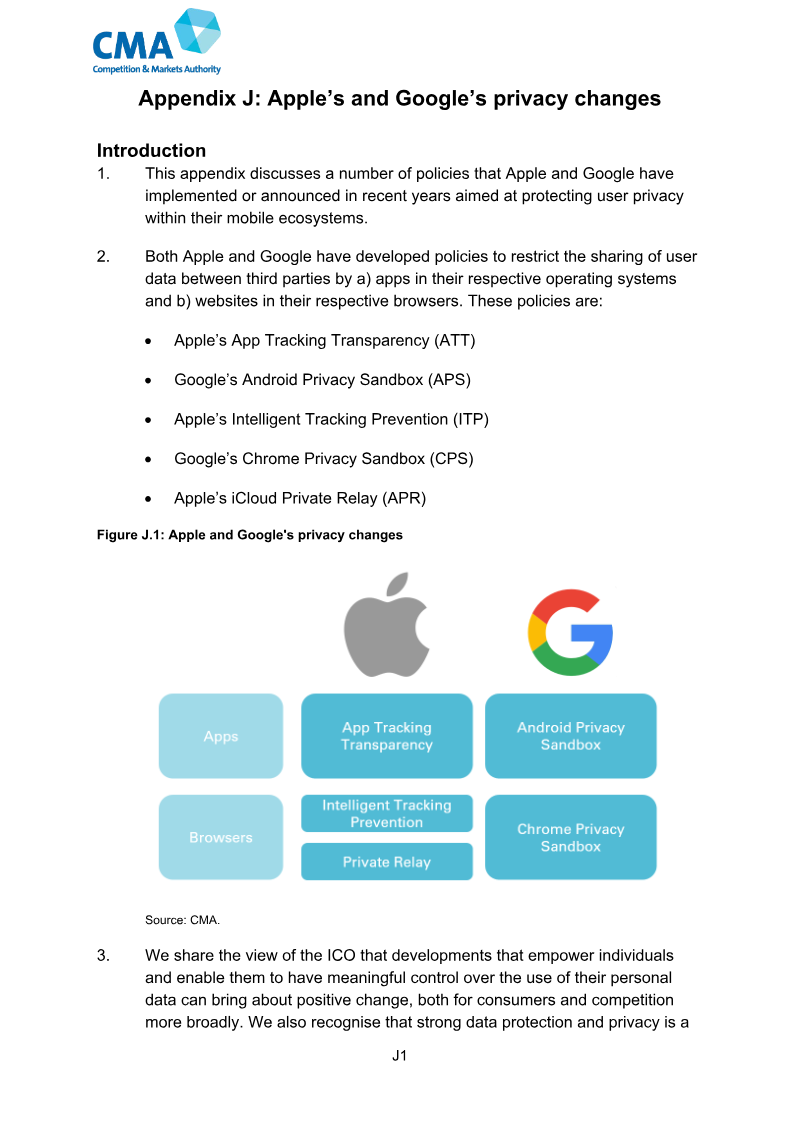
Competition · 2026
Bryter · 2026

Almedia · 2026

GameAnalytics · 2026

Sensor Tower · 2026

Sensor Tower · 2026

Sensor Tower · 2026

AppLovin · 2026

SocialPeta · 2026

SocialPeta · 2026

Sensor Tower · 2026

BITKRAFT Ventures · 2026