1 free read left. Create a free account for unlimited reading + AI research.
Create free accountReport Interactive Ontario
1 free read left. Create a free account for unlimited reading + AI research.
Create free accountReportInteractive Ontario
Ontario interactive digital media companies reported an average monthly revenue decline of 38% as of early-to-mid April 2020. Roughly a quarter reported drops of 81% or more.
This Nordicity analysis, prepared for Interactive Ontario, measures how COVID-19 affected Ontario's interactive digital media (IDM) sector as of early-to-mid April 2020. The study covers companies across games, extended reality, mobile apps, eLearning, AI, interactive installations, and multiplatform or transmedia production, drawing on a universe of 320 companies. Of these, 75 completed responses were received (a 23% response rate), supplemented by responses from self-employed individuals, for 110 total responses. The findings describe a sector under heavy financial and operational strain, with the most common picture being a sharp revenue contraction, rising costs, and widespread expectations of reduced profitability in 2020.
On the financial side, surveyed companies reported an average monthly revenue decline of 38%, with roughly a quarter reporting drops of 81% or more, and an average of 33 days of revenue impact as of April 9, 2020. Average unrecoverable or additional costs stood at $25,900 per company, implying an estimated gross figure of about $8.3 million across the sector, while anticipated additional monthly costs averaged $9,900. Respondents projected an average 2020 loss of $168,400, equating to an estimated $67 million across the sector, though a large share remained uncertain about their full-year outlook. Self-employed individuals reported an average monthly IDM income decline of 55%.
Operationally, the sector reported widespread slowdowns, with 54% of companies operating slower than normal and average project delays of 10 weeks; freelancers faced an average delay of 12 weeks. Staff layoffs were projected to grow substantially under prolonged social distancing, with cumulative estimated gross layoffs rising from 410 currently to 1,606 if restrictions lasted through June. Companies cited loss of business development opportunities, sales declines, and cash flow problems as the most significant concerns. Overall fiscal health was viewed pessimistically, with average runway of about four months.
Respondents overwhelmingly sought targeted government support, most notably increased funding for development and production programs (53%), a work-from-home tax credit (38%), and a subsidy for unrecoverable costs (36%). Preferred provincial association actions centred on advocacy and coordination, including industry task forces and remote international matchmaking.

PocketGamer.biz · 2026


Konami

GameDiscoverCo · 2026

Deconstructor of Fun · 2026

Mobile Dev Memo · 2026
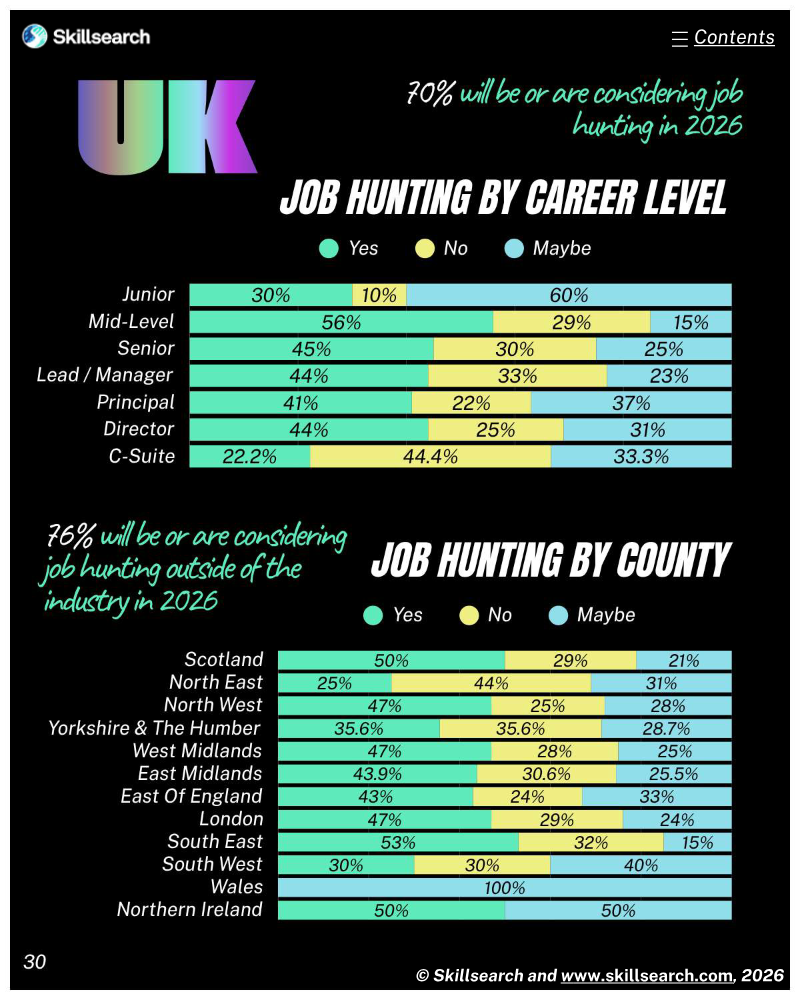
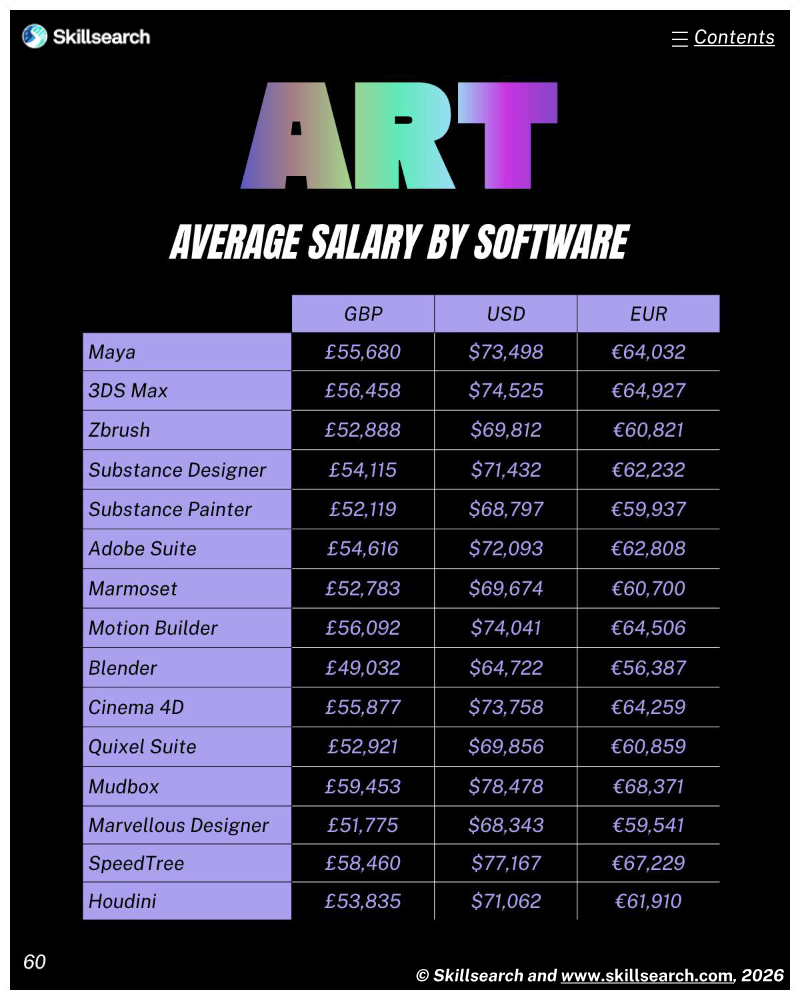
InvestGame · 2026

Mobilegamer.biz · 2026

Two & a Half Gamers · 2026
The Game Business · 2026

Deconstructor of Fun · 2026

Extra Credits · 2026
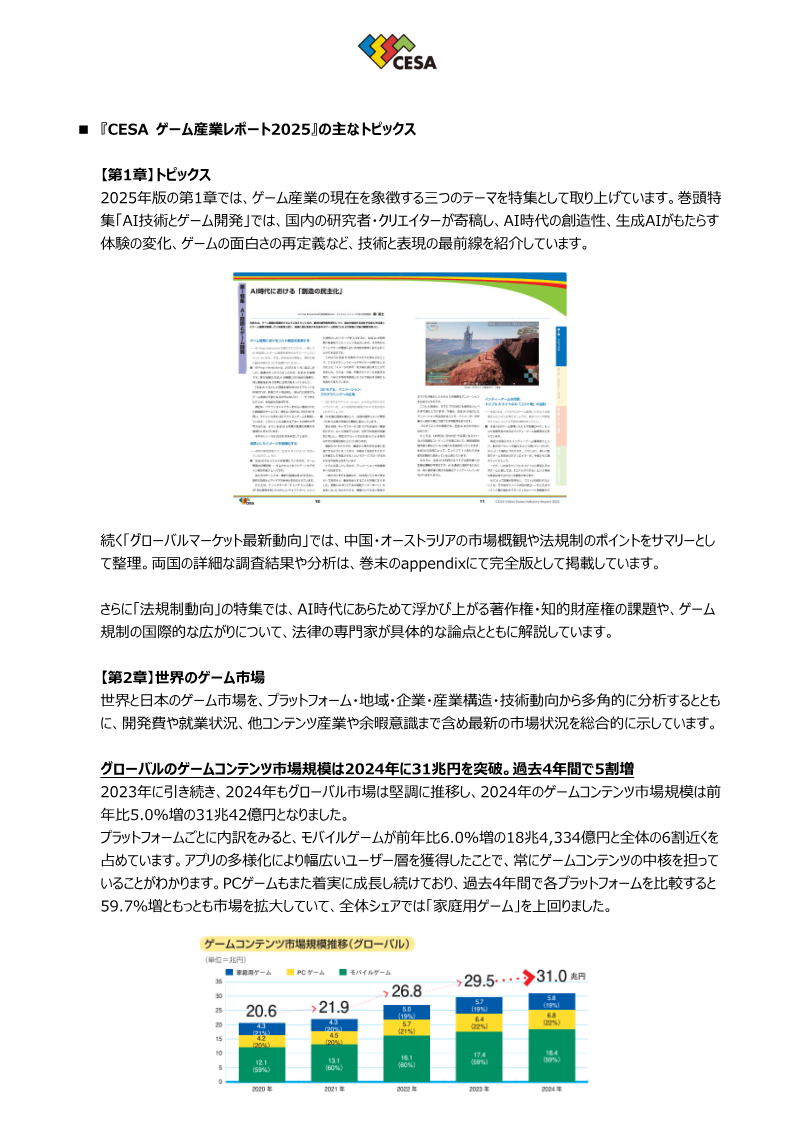
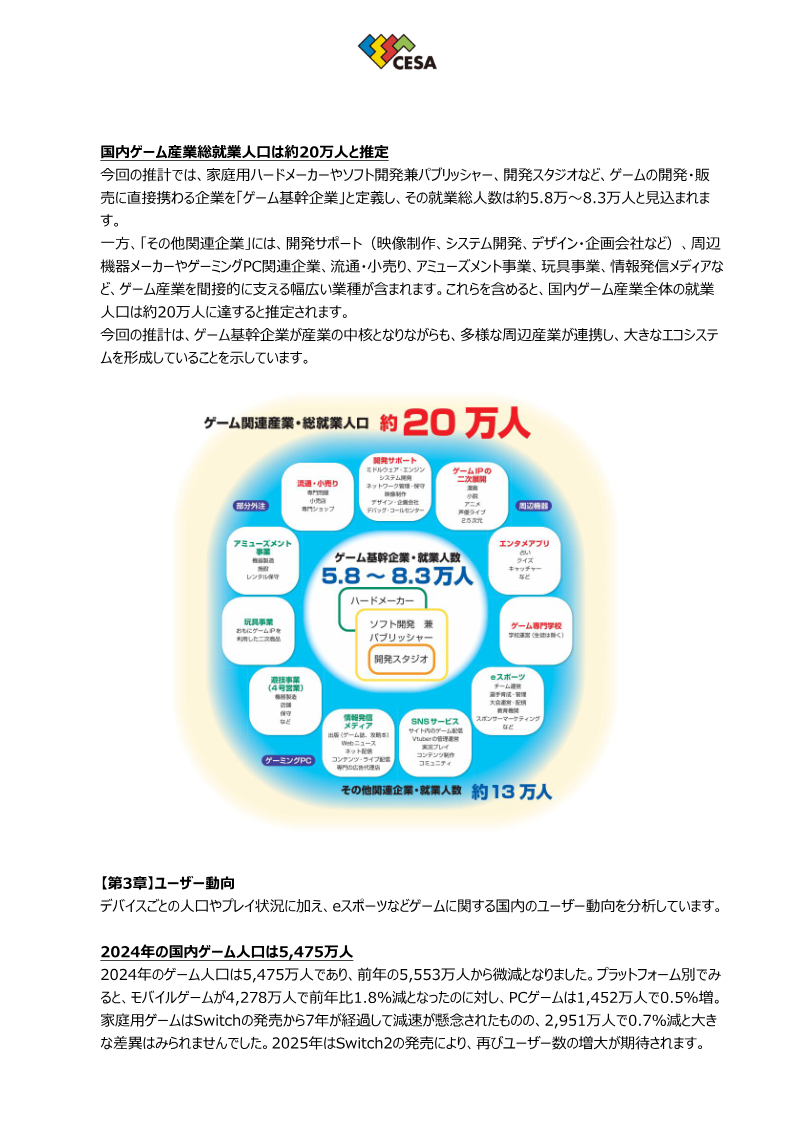

CESA – Computer Entertainment Supplier's Association · 2025