Loading the document
More on Serious Games
View all

Whitepaper
Shaping the Future through Simulation and Gaming: 56th International Simulation and Gaming Association Conference
Springer · 2026



Whitepaper
From Military Simulation to Ludic War: A Generational Typology of the Mobilization of Play
DiGRA · 2025
Whitepaper
Poverty (Is All Fun) and Games
DiGRA · 2024
Whitepaper
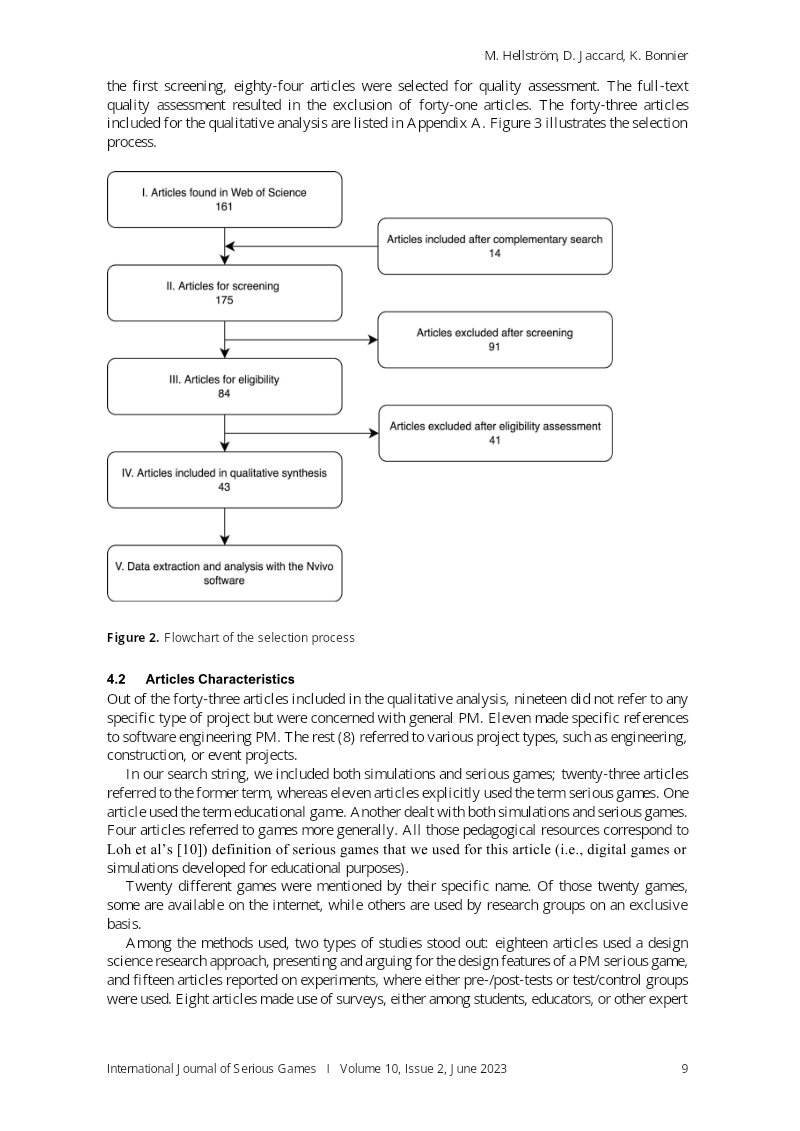
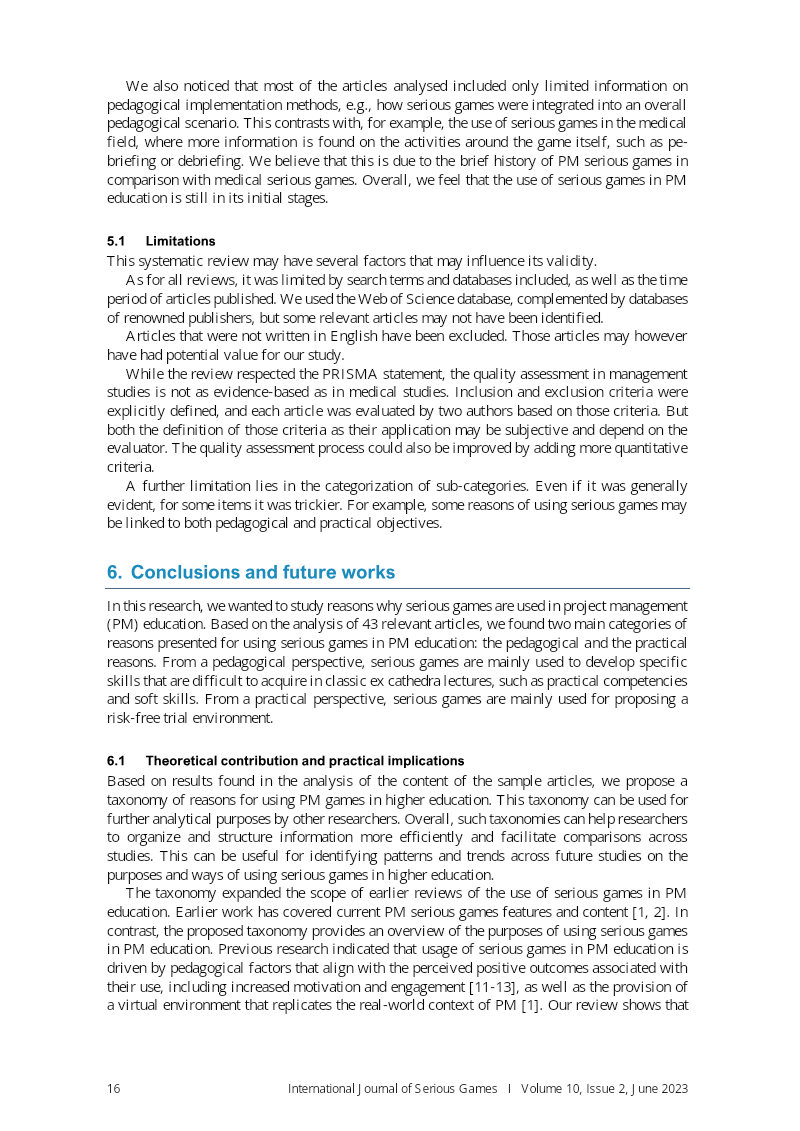
A Systematic Review on the Use of Serious Games in Project Management Education
Serious Games Society · 2023
Whitepaper
A Study of Physical Fitness and Enjoyment on Virtual Running for Exergames
Hindawi · 2021
Whitepaper
Education from inside the bunker: Examining the effect of Defcon on nuclear attitudes and critical reflection
Loading... The Journal of the Canadian Game Studies Association · 2014
Whitepaper
Societal Impact of a Serious Game on Raising Public Awareness: The Case of FloodSim
Association for Computing Machinery · 2009
Whitepaper
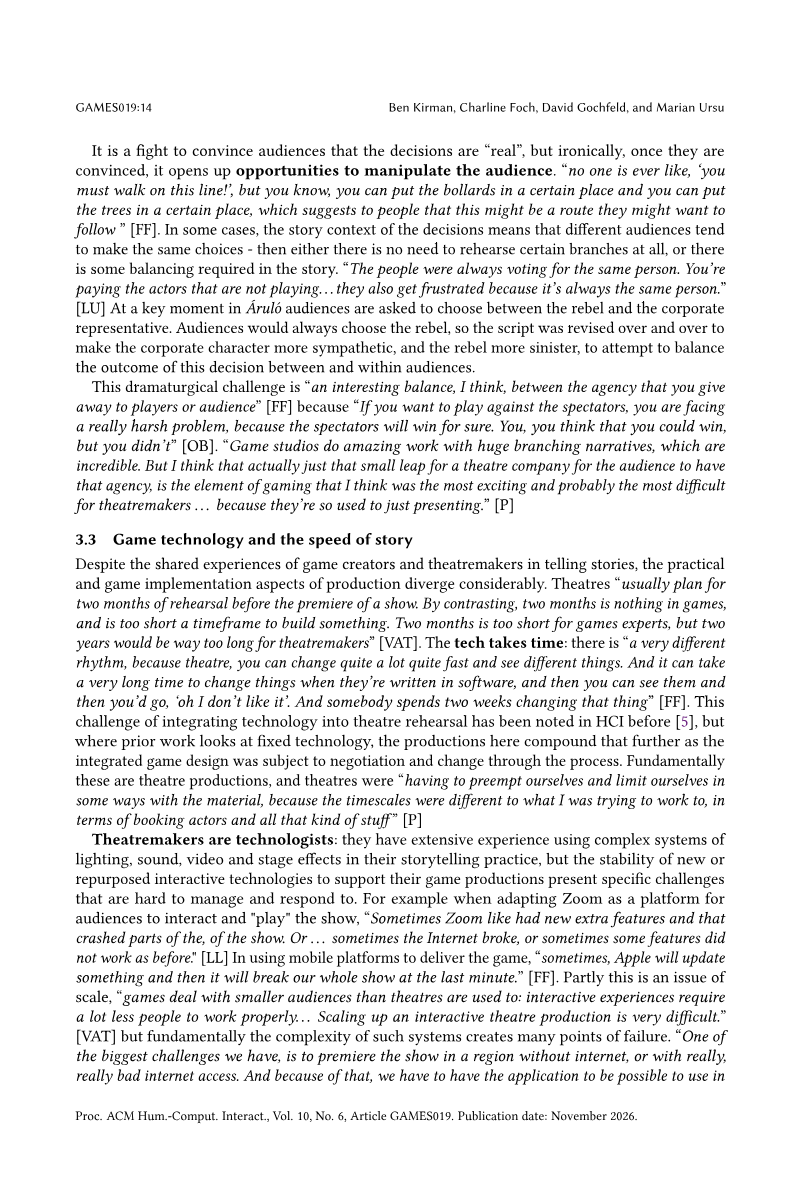
Doing Game Design in Theatre
Association for Computing Machinery · 2026
Whitepaper
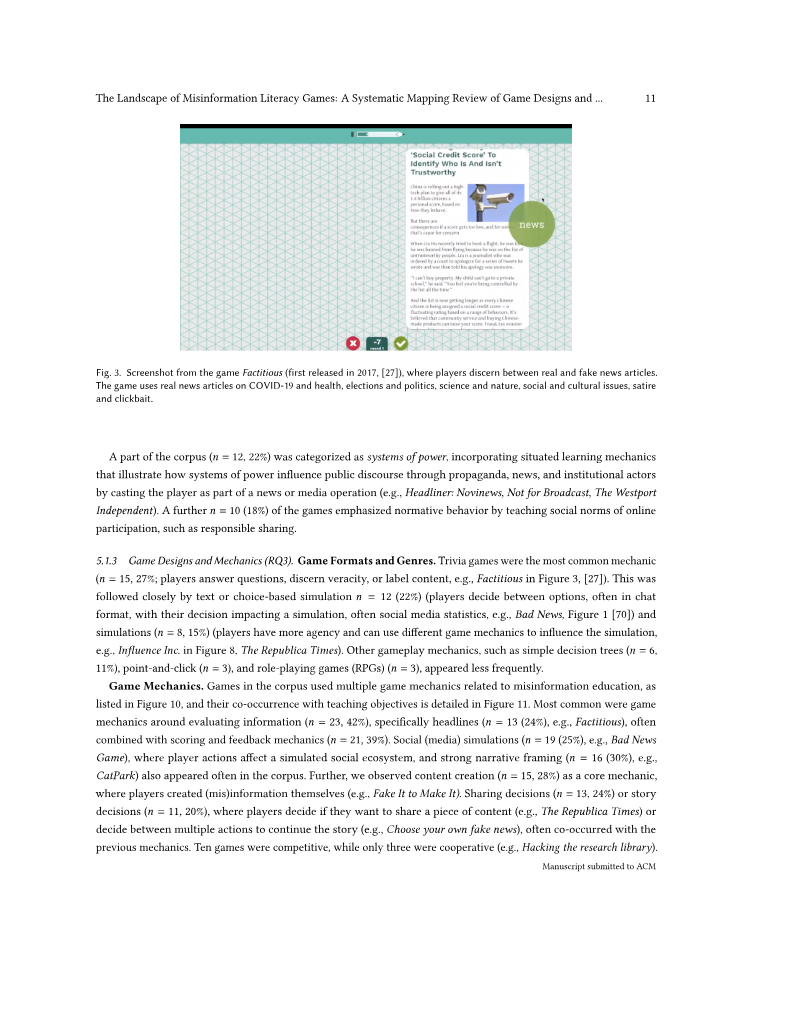
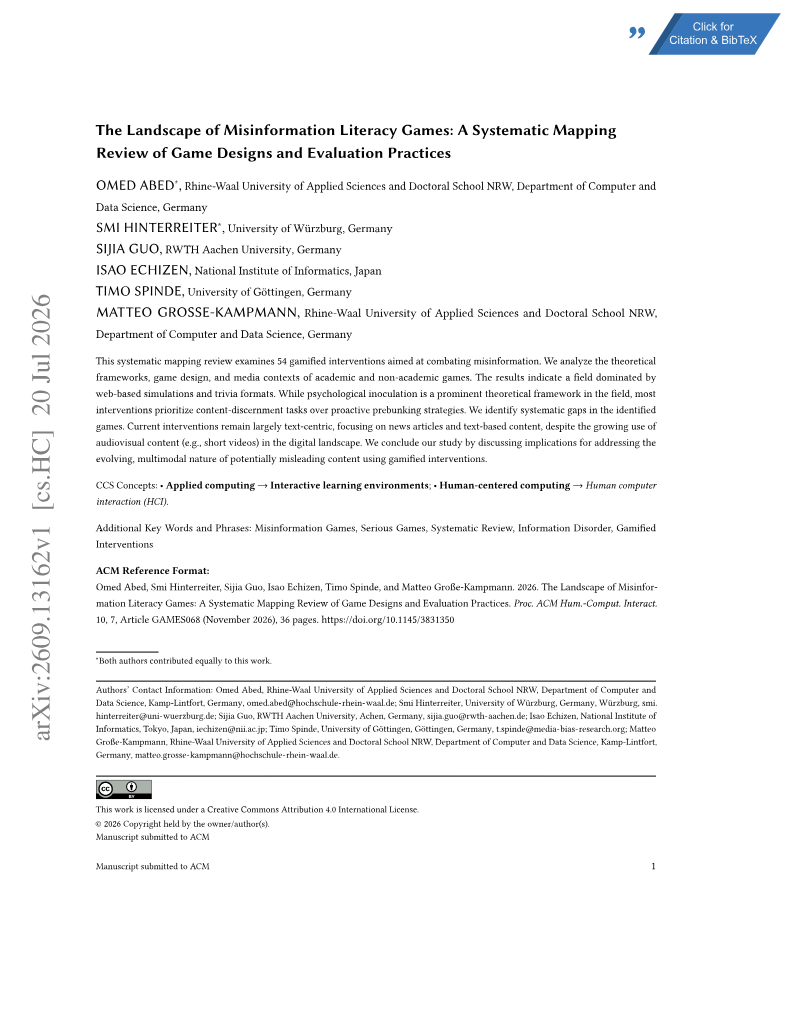
The Landscape of Misinformation Literacy Games: A Systematic Mapping Review of Game Designs and Evaluation Practices
Rhine-Waal University of Applied Sciences · 2026



Whitepaper
V3NU5: Learning Beauty – The Quantum Game Promoting Cultural Heritage
Serious Games Society · 2026
Whitepaper
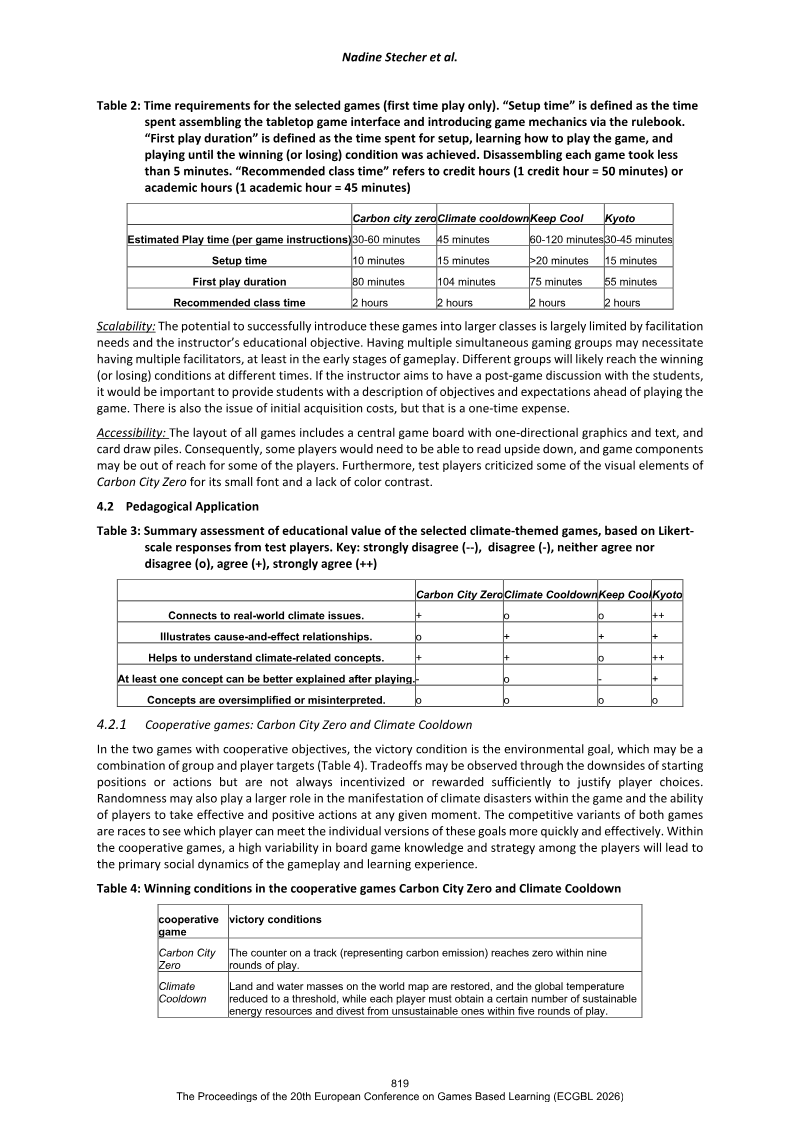
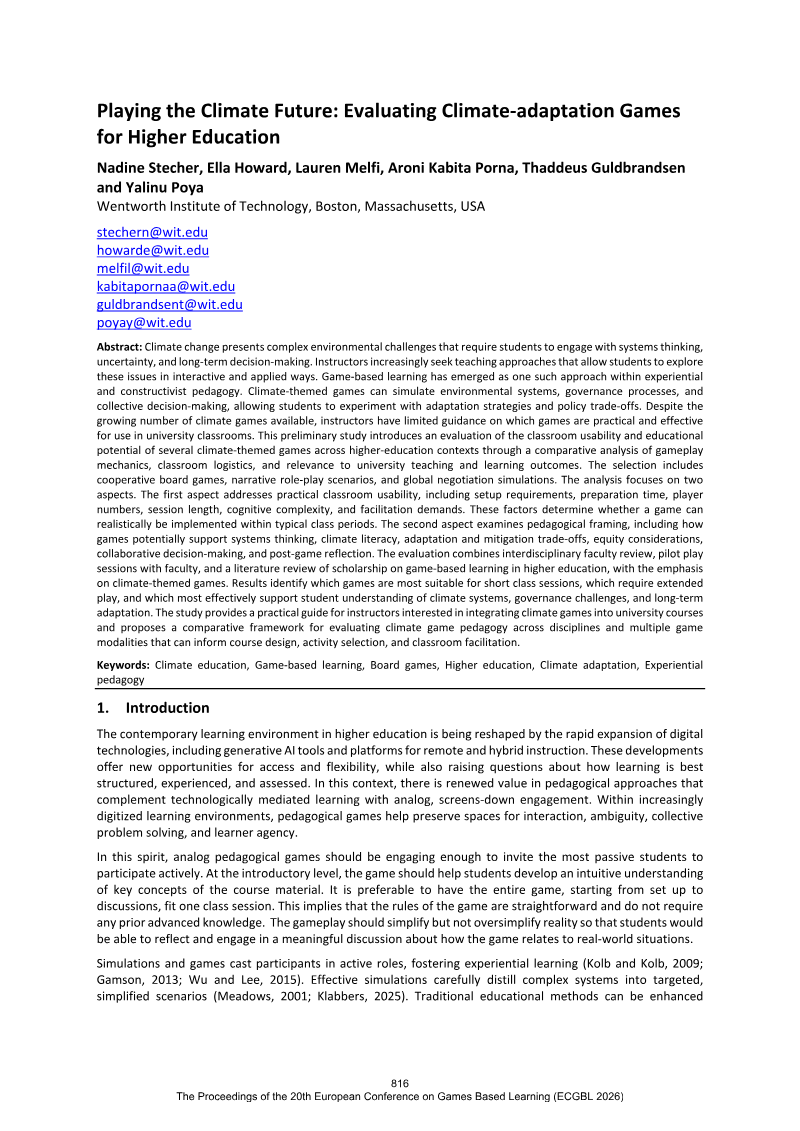
Playing the Climate Future: Evaluating Climate-adaptation Games for Higher Education
European Conference on Games Based Learning (ECGBL) · 2026
Whitepaper
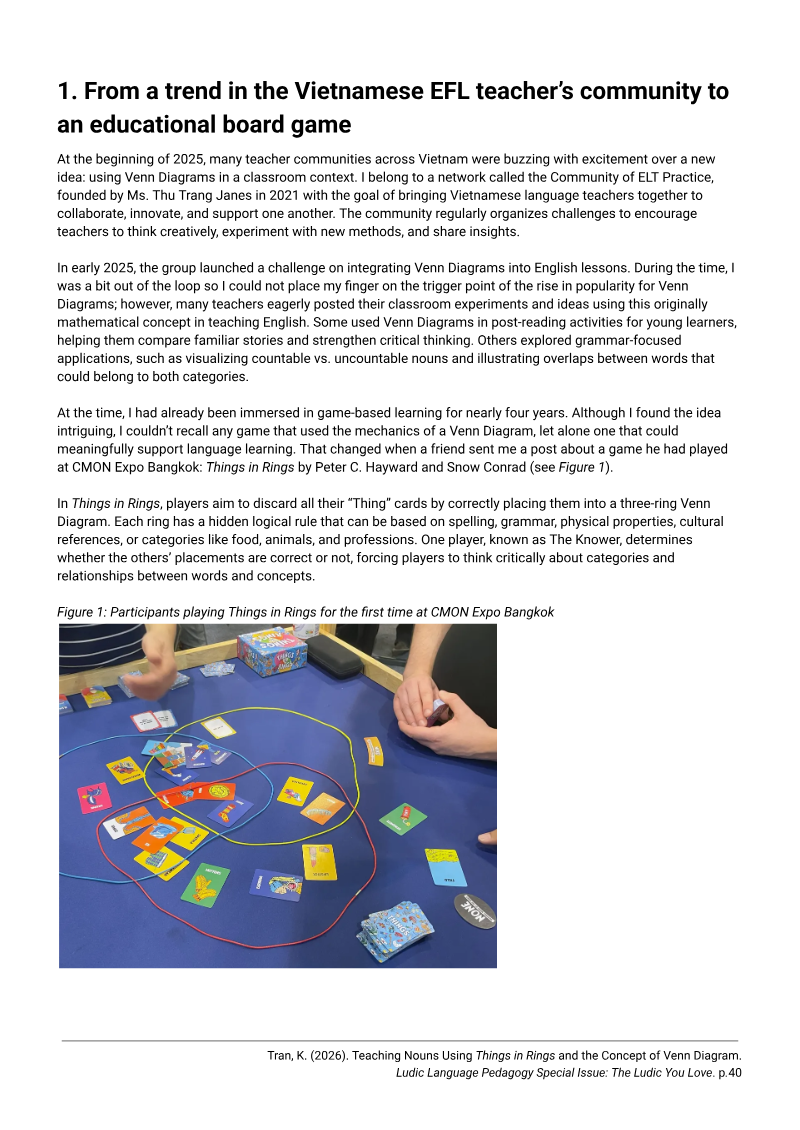
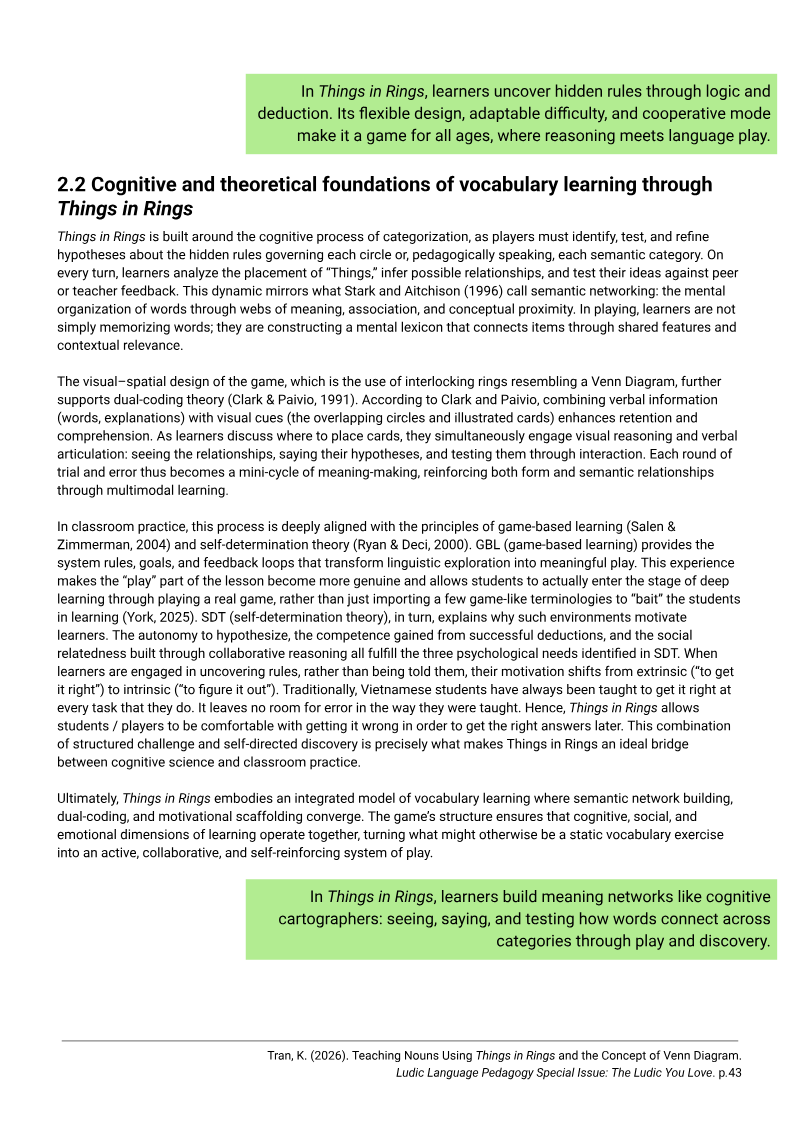
Teaching Nouns Using Things in Rings and the Concept of Venn Diagram
Ludic Language Pedagogy · 2026