1 free read left. Create a free account for unlimited reading + AI research.
Create free account
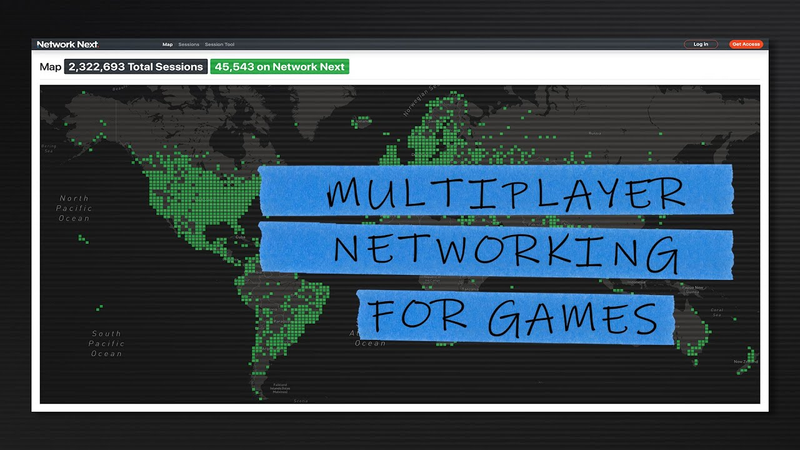
LIVE | Multiplayer Networking for Games with Glenn Fiedler
Key insights
6 takeaways- 01Multiplayer networking must be integrated as a foundational architecture from the start of development, as retrofitting these capabilities onto single-player projects frequently leads to technical failure.
- 02The current discourse surrounding the metaverse and NFTs is largely driven by speculative hype that prioritizes decentralized finance models over the performance and human connection required for successful virtual spaces.
- 03Future immersive virtual spaces will likely shift away from current web3 trends toward high-fidelity VR and AR experiences backed by robust, centralized server infrastructure.
- 04Dedicated client-server architecture is the industry gold standard for high-fidelity, real-time interactivity, significantly outperforming peer-to-peer or decentralized systems in latency and synchronization.
- 05The evolution of digital connection over the next decade depends on developers prioritizing compelling content and seamless social interaction rather than chasing ephemeral technological fads.
- 06Blockchain technology is fundamentally ill-suited for large-scale multiplayer environments due to inherent scalability limitations and a lack of functional advantages over traditional, centralized databases.
Ask AI about this video
Transcript
[Music] what's up everybody welcome to another episode of game dev unchained another game development podcast about game development and the lifestyle thereof i am your host brandon pham and with me i have glenn fielder did i say that right bingler fiedler there we go how you doing glenn i'm good man how you doing brandon good uh so this is actually the part of the podcast where i introduce our guest which is yourself uh to talk about yourself where you been where you at where you heading well uh so i'm a a programmer grew up programming when i was around 10 years old uh and uh i'm lucky enough in a 20-year career to work uh work on mercenaries too uh god of war titanfall and a little bit of my codes
in apex legends so really stoked at the end of a 20-year career i've worked on some amazing games and some awesome teams and now i'm a ceo of a startup called network next and we fix bad network performance for multiplayer games awesome so uh this is an exciting episode for me because multiplayer has always been kind of like uh i know it's there i know it exists you guys are a whole separate team in the building i got flies around me and my video yeah sorry sorry about that but uh i had a shower referred for for this interview my friend this is crazy all right go ahead brandon this you know how game devs are uh we're always it's true a little message i've been there yeah uh well one of the biggest subjects in mystery at least you know i i've always i've i've done multiplayer maps i'm from environment side yep but i've mostly been on the single-player team yeah uh primarily so your your side of the building has always been a mystery to me when it comes to networking how you guys
make that run uh yeah it's interesting and if not more relevant today than ever so for people who are quite new to this can you explain not the whole infrastructure but like you know the basic idea of how multiplayer networking works so i'll give you a bit of context around it so the very first time i saw it when i i was working at irrational games and uh there was a senior programmer and i was only like 21 22 at the time and it broke that dude like the guy got broken trying to do it like he he he built a little fort in the meeting room and moved his computer there and a week later he he was like like the dude was just broken by trying to multiply uh trying to network the game and i realized like this is so hard that it breaks people um so then the other thing i think is really important to sort of circle around like if you're a graphics programmer you're kind of like you you the dude who plays guitar and that's cool right like
guitar is awesome and you get to shred right but network programmers are more like accordion players there's not a lot of us and it's a bit dorky so um but the thing i want to say about it is unlike a graphics programmer where you show off like a really cool shader or effects or rendering or whatever like carmack being a prototypical sort of person people think of when you're a multiplayer programmer you have to be you have to be amazed by making something seamless across distance making it look like literally nothing's happening so as a network programmer the only time anyone notices anything that you do is when something went wrong yeah that's hard to deal with but that's actually really like i actually find that really appealing the idea of creating a honestly like an illusion of shared interactivity in the in a virtual space that doesn't exist and you're not really there with the other person in the same space but making it real through code and
making it look seamless it's almost like people who play um like metal gear solid when you play a stealth game and you do it right nothing happens if you think about it like you're sneaking past the guy and he doesn't notice you right um and network programming is a little bit like that so how much does this kind of roll back to the content team because i you know i think i saw a short talk in the valerian and how they uh would have to kind of cheat on their sides to make up the lag that happens between you know people connecting to the data server or whatnot like how much of that back and forth happens where it's not completely to the programmers but it comes back to at least the design side of things to kind of make it seem seamless so i've got i've got a really good point of view on this because i've seen it i've seen multiplayer on dysfunctional teams or teams that are that honestly really should be making single-player games
right so that so the very first thing is is that if you're a studio trying to make a multiplayer game the right way to do it is full commit and i i mean full commit like there's no single player single player is multiplayer just happens to have a server running in the background on the same machine so the the worst the worst teams working on multiplayer that i've seen and i've worked on have been the ones where it's kind of like it's just that guy's job that guy he'll network it he'll network the game code and there won't be uh there won't be any kind of flex on the design or the engineering or the game code side that's when it gets really bad when it's like here's a game we've done it it's great now you network that never works what does work is when everybody gets together from design art uh rendering every programmer is aware of multiplayer and it's
it's literally the target in single player is the afterthought and and i would say that the best that i've ever seen was when i was working with the ex uh infinity ward guys on time for one and titanfall 2. that is how a multiplayer game is made and the third game they made was apex legends which is a billion dollar franchise and this is after call of duty so i got to work with the absolute top people and that's the key everybody makes multiplayer well i'm sure you're happy about that because i think there was a there was a phase where a lot of single player were being phased out and like i think there was like a dawn of multiplayer having to be uh there for for pitching projects investment like it's a big component that's such a bad idea because you got to be all in and if you make this and it was back at the era of the attack on multiplayer right yes exactly and and and it's just the right it's the fans deserve better right definitely i think we what's funny is that maybe we saw
some success with that kind of because i worked all in bio too and people forget that we had attacked on multiplayer and rightfully so because we were right in the middle of that and i never do i network god of war if if you want to give me a 10 if you want to create a top 10 list of games that never ever ever should have multiplayer in them i would go to word number one there was a lot of um yeah yeah yeah and god of war is a deeply single player story driven narrative team and then when you take a team that wants to tell a story right and it's about graphical fidelity and storytelling um there's no way to make a compelling single player experience and to make a really compelling top-tier emergent gameplay-based multiplayer game unless you make them literally two games typically separate teams i've even i've even heard of people literally i've heard of games i won't name names where it's literally one team in the
main menu switch is executable it's literally a different game whether you pick single player or multiplayer in the main menu right it's a disaster on both sides because it is a lot of time set up in that way it's like here's development to me development tv sometimes you gotta you know trade content or information but that's it you go back to your corners and it is very separate um yeah which kind of hurts you know the best the best results is when the studio are all in on creating the best experience that that is that is fundamentally a multiplayer first experience and and great examples of that league of legends yeah right valerian uh i would say apex legends is is you know in titanfall titanfall i think is unique let me talk a little bit about titanfall and target club 2 especially titanfall 2 has one of the best single-player stories and and in its generation was very well known for that and a really good multiplayer that was sort of like a prototype of of what was coming with
apex legends and i want to tell you a secret about multiplayer for titanfall 1 and titanfall 2. here we go it was actually a multiplayer game oh nice when you were playing single player everything was networked isn't that crazy that's awesome yeah yeah that's how it's done so like for the last 10 years or even more like when it comes to networking and multiplayer how has it changed aside from the uh creation of it but like more of like the back end stuff like has it increased obviously has uh has it got more efficient in other ways where it fits within a budget better than before can you kind of share more information about that i i think the big i think the big change is the transition from peer-to-peer games to client server games that have monetization and live service games as as the business model behind it and also free to play you see a lot of
really large free-to-play games where the real the real challenge here is if i want to paraphrase what do you have to do to make a multiplayer game you have to have create something absolutely compelling so that everyone keeps playing it and everyone's i mean apex legend is a great example of this right like massive player accounts they host they play tens of millions of dollars for server hosting every month and then they monetize that through how they monetize with their free-to-play business model it's really a question of how do you make money well how do you pay the server hosting bill and make money and offset all the development costs so it's it's massive business now and that's not it's not something you could ever really do with a little free to you know like a peer-to-peer game because you could never have the the deep progression and metagame that you would have from secure like secure progress right like your mission progress your ranking and all that you can't secure that in a period of period so league of legends is another good example a dedicated server-based game from day one massive game today but it
could not have been implemented as a peer-to-peer game so back in sort of 2008 to 2012 he was sort of people were scared of the server hosting costs and it was so peer-to-peer to avoid that cost but then the few games that picked dedicated servers at that time and time for one was one of them um those games actually ended up ultimately coming out ahead apex legends being a client server game with the tens of millions of dollars of servers every month but raking in billions of dollars every year that's the big change and you have to now have a plan when you make a multiplayer game how am i going to pay for this servers because you got to have them so we're here the last 20 years uh and i feel like a lot of the single player thankfully haven't been gone but they kind of move in more to the uh the uh the indie space right a lot of indie games are more story driven narrative driven of course there's like among us who does networking of course but i feel like that's that that four
guys there's another good one yeah that's a lot of really big ones yeah yeah um but they're you know the the love for single player is still there i i still enjoy like a good two-hour narrative game um and that has just kind of transitioned to that space with networking nowadays being i would say the most focused in terms of every pitch project that that's kind of been put out there is like what is the you know the ability to kind of grow from the initial sale or you know from the very start be free to play right uh i guess my question is there's a lot of talks on top of that right we're in this age which felt like the last two years with and a lot of people are going to be turned off at this every time i mentioned blockchain and nft and all this stuff it's scary yeah it's i'm just asking about it right but there is something that came out blockchain man all right i can hate it i want to hear your take on it that's that's just [ __ ] i want i'm here everyone goes blockchain to just
die okay get out of our games that's what i'm hearing from game developers and i'm actually hearing a lot from gamers i think the business model is i think the business model is [ __ ] i think the technology behind it is [ __ ] okay the hardest problem in the world i mean think about all the metaverse stuff right yeah these people they're like we're going to do metaverse with the blockchain web 3 right and the hardest [ __ ] problem they can think of in that whole metaverse space is how do i work out who owns what pair of shoes yeah it's like it's not the hard [ __ ] problem the hard problem is creating a high fidelity interactive experience over distance over an internet that just isn't designed to do that right it just makes me want to throw up frankly i'm sorry i've got very very strong opinions here but let's do this all right you're probably all right you're probably the best one to talk to right when it comes to the metaverse to me it found it sounds at least apart from the blockchain and nft very advantageous to your network programmers out there right online all the time interactive so what what do you feel about that idea you
know we're far from it but i want to separate the idea of nft blockchain and web free this is set from the idea let's define let's define the metaverse as i i personally think that i would be shocked shocked in 10 years if there's not multiple online virtual spaces of high fidelity where people spend a lot of time and i mean ordinary people and they would also be shocked if there's not also an overlay world that i can access via air so i see i see two things i see vr going into what i would call let's call metaverse like the immersive experience that you go into that is like a full screen game like it's it's a full experience game and then we'll take ar and say that's going to create overlay world which is sort of like people the distance with you in the same physical space that you're at i think those two things will be real
where i disagree with everything else is that i don't think that they need the world's slowest distributed linked list in order to work yeah it sounds like a tall task yeah yeah i think the hard part is actually networking that experience over distance and the upgrading and the changing of the internet in order to create a high fidelity network experience where most of the time we can't even have a good quality zoom call people around the world yeah so yeah i just think the blockchain people are a solution in search of a problem personally and a lot obviously there's a lot of fraud and scams in that space which just makes me absolutely hate it so of course and don't get me started on nfts [Laughter] yeah i i just had like uh we do this we'll be here all [ __ ] day if i start ragging on it yeah i i have yet to i was just talking to someone about this and as an artist right of course artists uh i have friends that are going into it as sellers enough obviously sellers have an incentive right but like i still
don't know these people who buy these things have you looked at these [ __ ] monkey heads that people have this twitter yeah terrible i know where am i i don't understand it yet it's [ __ ] yeah here you can understand it very easily it's [ __ ] good all right um yeah that's that's my that's my hot take technically business model wise it's it's all a scam and we won't be talking about it in five years okay i'll keep you to that i will ask you the one thing though uh you know dice just came and that became like basically everything about that but some there were some talks about when it comes to networking decentralized networking is this is this oh my god all right talk to me about this see this is the thing is as a network programmer i am uniquely qualified because i've to talk about this stuff and be deeply cynical because i spent my early career working on distributed programming across trustless peer-to-peer systems yeah and the worst experiences i've ever had was when i networked games period up here and hit
all these trust issues and and believe me like blockchain is not the solution for real-time gaming like you can't even uh you can't even buy a coffee with bitcoin because it's too [ __ ] slow right so whoever had the bright idea to do networking through that is a great a [ __ ] [ __ ] right um so it's out it's utterly useless for for gaming and networking in any sense and you heard it here first the metaverse will be powered on client server architectures with dedicated servers running in a data center the metaverse will be centralized that's it i i agree man i think uh you know i i my first introduction like most was counter-strike right and that was run on client server base top network model very easy it is it is actually like did you know that that all the call of duty guys took the quake engine for when they're working on call of duty the same lineage as counter-strike and then the counter-strike engine became source which was valve's network
engine right titanfall 1 was built on source yeah apex legends like apex legends is actually derived with heavy modifications from myself and a lot of the other programmers there on the second iteration of the counter-strike source scope this is the right way to network games okay so it was prove yeah because there was a weird period and i guess during call of duty where it went peer-to-peer or something and stuck in those rooms they did player hosted servers yeah there was a transition period where it was like we're not peer-to-peer so peer-to-peer is like when every player is communicating to everybody else i see and that and that doesn't work because your bandwidth scales the square of the number of players total bandwidth right and upload bandwidth from you is much much more limited compared to what you can download so that makes peer-to-peer really bad so what call of duty did is they they picked one player as being the host and now that player had to upload to everybody but everybody else only had to send like it was a server
but then they then had this really hard problem because it had to pick out like who is the best player with the best connection right to act as the server and then if that person quit or even if they microwaved the burrito you had to host migrate or everyone would lose yeah like everyone would be kicked out so it's a terrible solution that was my basically experience for i guess anybody that was transitioned from counter-strike where's what's the problem here i thought we fixed it exactly because valve just paid it valve just did the servers and just ate the cost well what's even better people compared to like individual people yeah val's are really open company because most of the games nowadays yeah they they don't even let you get the server binary right no one's giving you the apex license server binary to host yourself and run a tournament they they host it for you when you never get access to it now i can understand the business reasons behind that but there is something cool about valve giving people the ability to run servers and and that's something from the early 2000s that that sort of openness right but there's no there's no league
of legends server binary that you can get access to yeah this is that watch it's a trend it's a trend okay so is it forever gone that that way of working now it's like more for monetary or just control i think it's i think it's monetary reasons and and the other thing that's really interesting is that you've got esl which is running tournaments for counter-strike and esl is actually effectively running pro tournaments for counter-strike and that they just got bored for a billion dollars it's big money in esports but where i think it's starting to go is that the game developer and the publisher want to run the sport yeah not have a third party do it now if you want to be the only person who can run the sport don't give anyone your server binary right so i don't agree with it but i thought i could understand it what what advantage and disadvantage to have a third party versus you uh doing yourself as a publisher owning the library there's a lot of work to do as a publisher yeah but do it and and
you'd have to hire an entire esports team and the promotions and the team that's the whole thing yeah it's a whole thing right but it's also where a lot of the money is yeah i'd like to i'd like to be the star of the game being the person who made it but popular culture i mean obviously like we're not the popular culture has decided that the players are the games of the star and that's that's fair like you know you don't run around watching football on the weekend and go well the guys who design football really cool guys well here's the thing i will say this right i do feel like at some point there has to be in between because when we watch sports we usually watch yes there's a professional caster but also you know the ex quarterback yeah uh calling the shots play-by-play well there's all and there's also in american football in particular there's this sort of reverence for the coach or you know like so there's there is games and sports right somewhere in between movies and actual sports because there is still the idea of the author right like there is the you know
like corey barlog from uh sony on on the new god of war yeah i mean that partly front and center this is corey's game he's the director of that game um pub g pubg brandon right right the guy the guy behind it is brendan um brandon i'm not 100 i can't remember the dude with the metal head yeah player unknown let's call him player unknown but but again like uh you know that at least as it started he was very well identified with the game right um so it is it is sort of like you can have a christopher nolan of video games like naughty dog has a massive reputation and everyone knows when they play a naughty dog game they know who made it because naughty dog is an amazing studio maybe it's more about single player narrative it's more like a movie and a sport is more like a real sport a multiplayer competitive game is more like a sport
i definitely see a diversion that's that's happening where multiplayer is like you guys are spawning like this whole industry where you know streamers are playing of course they're playing both games but mostly on multiplayer um and then you have the esports and then single player is kind of going through like this i feel their growth is kind of like the enterprise space where netflix is trying to figure out interactive movies it's like the elements that we used to have in games are more in that medium now uh although we're still thriving in our space but i feel like the growth is happening elsewhere yeah taking taking those i know i'll freely admit i'm i'm 45 i'm old and you know why do people watch other people playing games it beats me i'm 45. i'm not quite there yet i can't understand it i i see it i understand it it's a thing i i don't have any interest in watching someone else play a game i just won't just just i i like making games and i like programming you know i'm a bit like that but but intellectually i can see that the rise of sports and players
and celebrating virtuosity playing games that that's a very positive thing for the industry yeah it's even more meta than that people are watching people react to people oh my god the youtube reaction videos yeah yeah that's a thing yeah it's a thing yeah yeah yeah we are old yeah so yeah i don't get it quite yet either you know 45 or as i like to say halfway to 90. yeah but uh i mean with this going on there seems to be an exciting role for multiplayer uh networking and all that that you guys are doing it feels like every game that is huge has some type of multiplayer component as we kind of guessed 10 years ago it has to be and i agree with you that the best ones are the ones that kind of have this as part of their uh game design at the very beginning right not as a separate thing it's in the dna of the game from day one yeah and i always say all games lead to the matrix at some point hence the metaverse hence all these like in currency that
people are trying to push and uh we might be far from it so i kind of want to ask you about the one space that um is lacking still and it's i feel it's infancy is is the ar and vr space right i know facebook is trying to do so i think we're going to see amazing stuff from this in the next five years okay i i think it's just that it's not it's the future's already here is just not evenly distributed yet right so where do you think is the one that's making the best moves right now you know we got facebook we got valve kind of doing secret things behind the doors um you know what i would say this like when i discuss with developers two years ago was a lot more exciting about that space after the pandemics feels like it slowed down a bit like the next thing that seems to be exciting is the playstation vr with whatever they're announcing but it's kind of simmering even when vr came out you put a you put a vr headset on someone and show them a basic
interactive experience they lose their [ __ ] yeah it's amazing tonight it's amazing like like my five-year-old uh cousin at the time i showed him a little cube thing i was doing with oculus where you could stack cubes and pass them a thread he lost his mind right it was as cool as minecraft in his view and of course it wouldn't have had the staying power but facebook has done very well with oculus actually building on a small scale a story that's actually working and as much as i'm not a huge fan of facebook frankly as an organization i've got to pay respect to that and i've got some friends who work there at oculus and and they're good people right um and then val's doing their you know kind of shadowy backroom valve thing and just yeah and good on them right valve is always going to be valve they've got a money printing machine in the basement and they just get to do cool [ __ ] right um and uh i've heard rumors that apple's going to bust out with some amazing irish [ __ ] very soon so i actually think both the rnars
succeed um and uh the the human desire to be somewhere else or to connect over distance with someone who's far away or or to inhabit a virtual space i mean really that's that's a deep need and and that's going to happen whether it's overlaid in ar or whether it's a all-encompassing space that you're in in vr it's definitely going to happen it's just going to take time yeah like i when i evaluate kind of like the the major players here i mean i know we i have friends over at oculus as well and they're talented and super awesome people but i separate them from what they're doing right now with their work because what i've been seeing at least from facebook i know you can't say it but i'll say it like i am not pleased with what they're doing with it feels like zoom vr i quit facebook last year because i don't want to be on mark zuckerberg's personal platform uh when i'm communicating with my family and friends right i'm i'm anti-facebook
in their whole mission frankly right i don't i don't i don't like the company yeah right i don't i don't like the platform and i mean they're the last person i would want to be in a metaverse with in their platform like no sorry definitely not i do feel like they're kind of veering off from their original mission statement with the oculus i feel like they're really what what the bad things of facebook is kind of bleeding to the oculus team and i just have not been very happy with what they've been showing uh as as possible i'm just not a huge fan of mark zuckerberg yeah the guy runs one of the biggest companies in the world and yeah it's incredibly dominant in social media but also at the same time you can argue that it's had in that negative society as a whole so the last thing i want is to live in that virtual space exactly so i think
we're in agreement i'm going to give that a hard note so so when i look over and come on here no i think most people agree with you i think uh we share the same kind of group here where everyone's kind of quitting but like on the valve side i think when alex came out half of alex of course right i was like amazing experiences it was amazing right i was like a dawn of vr is starting right now but silence sense uh i haven't seen like anything well it's a content creation isn't it a content creation problem it's always a software problem yeah yeah yeah i mean i mean firstly you've got really expensive headsets and then you've got headsets that have to be had tethered to an incredibly expensive pc um and then and then you've got a small market and and let's face it like who who aside from valve really can go out and do i mean maybe epic epic and valve can can go out if they choose and and go just go like i just feel like making it the world's best vr experience at this point in time
i'll just publish it on my store exactly it makes a billion dollars every hour i mean good on them right like it's awesome but for everybody else no one's going to be betting the farm on a like an amazing vr experience it's going to happen and it's going to it's going to it's going to move along slowly suddenly it's just going to go right it's just going to go i'm a total believer in vr there yeah san diego blockchain [ __ ] so i think we're both in agreement that apple will once again save the game industry i really do think it's it's going to be them kind of unleashing this potential but there has such a great track record of making cutting edge technology accessible with all the problems of apple as well but but you got to respect them for the iphone yeah no question yeah and i feel like they are betting ar as being like the next decade for the iphone and it's very easy and accessible like the demos that they've been showing makes sense and people it can be as
enabled basically the next day right as soon as they kind of release their next iphone so i'm it's it's a trend that i'm i'm sadly satisfied with where a lot of the game evolution that's happening seems to be happening from the tech side uh companies more so than the game side i think we're a little bit we're we're in that next generation console dip right now yeah you know what i mean like the ps5 has only been out for a short period of time and you've just seen the you know the early ones that come out and we're just going to see like holy [ __ ] that that amazing i mean ps5 amazing console i mean sony just knocked out i mean i mixed sony but like i was there at ps3 when it wasn't as powerful in many ways as the xbox 360. and then the ps4 came out i just [ __ ] wiped the floor with everybody and now the ps5 is even better right so we're but these experiences take two years to make yeah it takes a while right so so we're only going to start
seeing you know over the next few years we're going to see those extremely high fidelity truly next-gen console experiences come out um so i think that might be part of the feeling that you're seeing because we're in that we're in that low cycle and then we're gonna and we're gonna get that late stage cycle on the ps5 and the xbox series x and then it'll be like oh my god look at all this next-gen stuff now i want to go back we'll skip the blockchain and nft stuff because it seems pretty clear that i think we have consensus here we have consensus here uh the main thing here is uh you know i want to talk about this metaverse thing right so okay when people say the metaverse we have a faint idea what it is we think the matrix we think ready player one but we you know on the gamedev side we're like this is unrealistic on every side you know i got a very specific idea of what the metagross is let's do this all right let's dive deeper in this i think it's an interactive networked experience across distance with multiple people in a virtual space
that's it listen there you go now you're necessarily trying to compare this to each other who knows right so compare this to second life in playstation so what what is the difference here it's gonna be actually good yeah right it's gonna be actually good it's gonna be compelling um i i have a i have a very specific point of view like i i i actually and i could be totally wrong i'm an engineer right but i i don't want to be in a massive user-generated content world where everything is crap yeah and at the same time i also don't really want to be in like uh oh look at all the brands wow it's that brand from the 80s [ __ ] awesome brand right like i don't give a [ __ ] about either of those two things um what i really care about are high fidelity network experiences kind of like the demo scene like like high fidelity network experiences where i can inhabit a virtual space um be present with someone over distance
um and experience things maybe and i think the closest thing to this right now although like visually i don't think it's massively appealing today is the wave or wave vr or wave x iron they're just called wave now and i think that virtual performances inside these spaces is is probably the closest thing that we have to manifest today right but i don't believe in any of this like you can have an item and then use it in another i mean that's just horseshit right taking an item from one game to another that's deeply misguided right but but something that's a lot more cooler than sony home or uh all that sort of stuff but you know like i i personally think that if you take the typical cutting edge tech artist to an unreal engine 5 can create amazing stuff actually you know um what's his name uh let me let me let me see if i can i can spook a friend of mine i'm just going to go look it up
like this is what i think of as the metaverse if you look at like uh let me find him xanadu right i'll post your link i'll post your link in there this is i'd like to see this as the matter verse i'd like to see the person who creates these videos on youtube being empowered within unreal engine 5 as a non-non-programmer to create a network virtual world that he can perform in or people can join and mo-cap's involved and i mean it's interesting but it's awfully niche right now but i do think that over the next five years we're going to see really high fidelity virtual performances in this diet inside uh ar and vr spaces i think that's the closest thing to that of us right now but long term i just want to chat and hang out with my friends let me try to pull this up while we we talk a bit more but let me just agree this guy's the stuff this guy makes is incredible so this is using unreal tech uh
yeah and he's mocapping it and stitching it in but imagine if instead of editing it and outputting it as a video he could be in it live and be performing with someone else look at this [ __ ] it's [ __ ] amazing yeah yeah yeah like i think this is one of the like uh i'll happily take this over a second live this is what i want well here's the thing right yeah ready player one has a lot of branding but like to me it's exactly where i want to hang out i like i i feel like the the the the vertical slice for metaverse has already been figured out however like these corporations didn't see the movie and just are calling about it their own way um we're we're seeing a lot with sony microsoft uh epic everyone's kind of snatching ips left and right to create like this i'm fully i'm deeply cynical of all that like like do you want to you want to take input from someone who wants to stick their brand in your
[ __ ] face as to where you should spend your time in a future virtual world no thanks right like i i i wanted i want the creators like that the people who like this who are creating something unique in the new medium and i want to be able to experience that that's what i actually think of that i would like to be a part of as as a network programmer to be there to write a network engine that could empower someone like this to make networked virtual metaverse experiences whether it's performance or just some cool [ __ ] that he's done it's freaking awesome now of course not everyone can afford fifty thousand dollar motion capture rates and as an expert tech artist and unwind you five but for performance imagine if this guy did this and then rigged up justin bieber and did a justin bieber performance in the virtual space that's interesting i don't like justin bieber very much but you know let's just get rid of respect this game at least i can respect it yeah yeah i wouldn't watch it
yeah one of the biggest things to like the main thing here is that this technology is getting better like we were just uh you can capture performances now just with the camera and without any suits or anything and that technology is slowly growing and eventually it's going to get to a place where it's yeah i mean they're already doing it with face cams right with faces we're living in the [ __ ] future it's 20 22. yeah and i agree with you like there is another space that is growing which again is in your neighborhood where it's user-generated content right we're we're seeing things like with um um montecor there's of course roblox is huge yes minecraft kind of started this trend i feel um people want to create virtual spaces and do things in it and i do agree with you there should be a good balance of professionals and then beginners because yeah like you if i go into the space by beginners i'm not so uh
engaged right but if i go in in space you know such as the demo right here uh i'm gonna be sticking around and be inspired to kind of you know have a quality that i'm i'm i think there's room for everybody it's a new medium and no one no one really knows and what really gets me is this there's articles like like you see you look at new york times and i think a couple days ago there was like there's police in the metaverse you know and i'm like it doesn't even [ __ ] exist yet guys just [ __ ] calm down it doesn't exist i don't even [ __ ] agree is what it is and i and and this constant pr [ __ ] of like since i'm buying land in the metaverse this day it's just total hype cycle stuff and behind all of it behind all of this total garbage is a deep human need to communicate and connect with people over a distance in a virtual space to create your own virtual spaces to own and customize your space and and uh to have experiences that you can't get
normally either as an overlay when you're walking around or as an immersive space that you're in and i i can't see that not happening in in in my lifetime in 10 or 20 years it'll just be as normal as an iphone and uh i like that part of all this it's just that a lot of this hype cycle [ __ ] right now i'm just uniquely positioned to look at it and see right through it and it makes me mad on a daily basis yeah there's definitely a full gold rush right now when it comes to like all these texts that that's not proven but it's kind of pushed on to a lot of people at this moment and this is this is where a lot of the game development backlash is coming from because game developers look at this like like not doable like it doesn't work dude yeah it doesn't work and like i was talking to my friend ray not only does it not work but even if it could work it wouldn't actually be fun yeah that's that's the real killer because if it really was fun people would find a way to make it work yeah
and that's why i'm always telling people is like when they're deep in these discussions like guys we're at some point gamers are going to vote with their wallets whether they want this or not um and if it feels like we're being scammed uh guess what it's not going to continue being that way it's always been like that since uh loot crates and uh and all those different auction houses auction houses was kind of like player driven at that point but in the same kind of similarity and the same kind of connection that we're having right now there are elements to the metaverse like you said that people are wanting right but are largely i feel being they're they're utterly orthogonal to nfc's blockchain and any of that stuff now that doesn't here's here's my like here's my let me let me be political right because as as a ceo of a startup i often have to talk with and communicate with people who actually are very pro-blockchain and i disagree but my position with any
technology is if it has merit i'll use it right so at the end of the day i know that i'm not going to be paying someone ethereum gas to ask what pair of [ __ ] shoes he's wearing in a virtual space i'm not going to do it right so when i look at i look at a lot of what these people are doing they want to take a cut off every query every transaction everything done for something that doesn't even need them in the first place and to that i just say [ __ ] you [ __ ] you get out of my [ __ ] life i don't want this i don't need this i'm not paying you a transaction fee for something that's utterly useless come on and behind the scenes you know what will really happen anyway the distributed tech doesn't scale so i'll just be hitting a rest api centralized anyway asking some centralized coinbase equivalent maybe it's open c what's what sneaker does this guy own and that's just so stupid they say it's decentralized but at the end it just becomes coinbase and a bunch of centralized
marketplaces and i'll just be hitting up a standard http rest api to ask what does he own and now it's just centralized again it's just take your current the current people in charge of things swap them out for us and to the bunch of crypto bros who want me to do that no no i don't want that yeah and i think one of the biggest trends and you probably have friends like this who whoever wants to kind of like do a pitch and you're saying yourself you're finding yourself in rooms of investors talking about the trend here it is kind of difficult to kind of go through this and try the game get a game finance now that doesn't have nft or blockchain because this is what their friends are telling them is the next big thing and yeah with that argument and stuff does it sway them from from believing are they walking out of the room just like hey i guess absolutely not they just won't invest because they want to they have a the people have this thing and this is something i want to correct people off
that um there's a myth that you can walk up to somebody and pitch them on your brilliant idea and change their mind and they'll give you all of their money or their lp's money the reality is is that they typically have a spreadsheet of the sort of distribution that they've planned for their fund and the sort of they're trying to work out what column you are in if you're in any column and they have a column for web3 blockchain because they've heard that it's the thing and they don't want to miss out the fear of missing out it's very strong and uh even communicating to someone like i believe in metaverse but i'm not necessarily behind the webster and blockchain stuff that person won't invest because that column that they want to put there or plays money into and this is the structure of their fund and why lps have been giving money to them is because they want access to the returns from this new thing and i have to respect that even though i don't believe in it right so but there are vcs who hate this stuff and see right through it too
so please if you do reach out to me as i'd like to speak glenn 2ns at networknext.com because i'm sick of talking about blockchain and this conversation for you how how did it begin at the beginning of the pandemic like when did this thing start creeping into your like i started seeing when i started seeing ridiculous nfc and blockchain [ __ ] pop up and i think it reached a fever pitch around about the meta the facebook meta thing kind of turned it into like it's real right like before they changed like a switch yeah there was it was already nascent at the beginning of 2021 but it became like frenzied right um and then and then by the time i was out in q3 and q4 it was just everywhere right and uh i i just think i just think everyone's going to lose their money i think there's nothing i think i personally think there's literally nothing there
yeah and maybe i'm a nicer here but i'm pretty confident that i'm right and uh we'll see in five years we'll see in five years i agree man i'm it did feel like it kind of snuck up on us um and my friend puts it best he says like dude we have transactional ways to kind of exchange money and and and show me the use case i can't do with the database my friend yeah show me oh but it's decentralized everywhere because like no but it eventually centralizes in order to become performant and now we just have a bunch of blockchain bros running the world i don't want a bunch of blockchain bros running the world thank you very much right um so so the play is transparent it's really obvious to me to see what the actual play is behind the scenes and and i just don't want to be part of it uh it is kind of shitty that it is creeping in our industry in such a big
way where it is affecting a lot of gate you know great game ideas gate great startup ideas in game industry um from from moving to knox step because we're not a part of this like yeah conference let's flip it around and i'm gonna devil advocate myself okay now go back 10 years ago everyone was saying you remember the whole always always online thing with adam earth and he got ripped a new one because he dared suggest that if you can't get him on the internet you can't play the game yeah um yeah he he got hounded and then death threats and crazy [ __ ] right that's crazy and all he said was like well maybe if you can't connect to the server then you know now it turns out ten years later he's not wrong he was always right and if there's a multiplayer game that you can play without connecting to the server i'd like to see it because it doesn't exist right and certainly not a successful one so let's not and and again i'm just going to say that i'm an old man
right and i've heard this from investors and they say maybe it's like to play maybe it's like micro transactions now now my counter is is that i look at it technically as as a distributed systems expert and i go this doesn't scale and if it does scale it becomes centralized at which point there's no technical differentiation between it and a freaking database so i just go there's nothing there right and that's my point of view but that doesn't mean that people can't necessarily succeed fulfilling the core need of wanting to be in a virtual space wanting to customize it wanting interesting ideas that may or may not need blockchain to succeed i might just be an old guy and it's just the next version of free to play and the game industry is rallying oh there's not real games just like mobile games weren't real games right so here's the best
devil's advocate argument that i can make that it's just like free to play it's just like mobile games not being real game well mobile games have more revenue than console pc games combined right so but there's one thing that's different i think in this case which is blockchain really just doesn't [ __ ] work technically and it doesn't scale and and i'll i'll die on that hill if i have to so that's that's my position i think a lot of people when i talk to them on the developer side and the gaming site seem to share the same sentiment like i haven't come across someone that doesn't have a seller incentive that is supporting this technology in games like not even a single person right and there's a lot of cul let's just say there's a lot of cult like behavior in the blockchain space you know we're all gonna make it to the moon come on guys yeah and i i i look at the nft stream yeah it's
energies that have been brought i am the cheapest when it comes to buying anything extra uh like clothing you know i am very old school i buy i'm the default guy of every skin i play the game because i like the game and but i mean the only clothes you wear is a is a is a can costume from the last exactly 80s this is you know right yeah so i like things that are free and but i do understand and this is where i i find the disconnect between me and others where like my kid my son loves buying stuff for valerian he loves the gun skins and it brings them joy and there's millions like yeah i got nothing against transactions in the business model and i definitely don't want to pile on the train and say like oh my god predatory business model right like like actually let's face it the developers have to run game servers and they have to pay for the servers exactly and the friction of a paid game is demonstrated to strictly increase churn and this is just even within north america consider someone in
south america right who who just can't afford to pay the the box price that we pay in the west yeah right due to exchange issues and cost of looming differences and they're just not supposed to play games no right so so there is there's a lot of like i hate the knee-jerk reactionary stuff where it's like mobile games not real games well then clearly they are yeah right free to play clearly is a very successful business model to to reduce friction and then it's a retention and engagement based game and i can fully respect that right and people are obviously playing it and getting great joy out of it right but i want to i want to bring up the blockchain as something where it's kind of like i think that's a little different i think the actual tech behind it is just is just not there and um too when i ask people about is like so what is it exactly and yeah no one can really explain it to me like it's just like it's a fugazi
yeah it is like a lot of terminology that people can pull from and they just try to explain it with the next thing right i see right through that [ __ ] which is why i'm a musician yeah but like uh the average person who doesn't have a background in distributed programming might be wondering like yeah oh this is really interesting but but it turns out it doesn't actually scale so um i think i think that is the the inevitable truth is the distributed systems don't scale as well as centralized systems yeah it's over the end right so if blockchain is in any form where it's useful at scale it will be more and more and more centralized in order to meet that which removes all of the amazing benefits touted of blockchain and distributed currencies and distributed gold and distributed wealth right so anyway we beat this one to death i think this this horse is already dead yeah i will i'll ask one more question kind of beat this horse all right and this is kind of ending it and we kind of
touched it a bit you know at first i was kind of with you on the mobile market stuff whereas like well this is a lot of new uh business models that we never played around in the triple a space right uh how does this work and eventually it got to a tolerable point where we're bringing into the aaa space you know with this free to play with uh microtransaction that works that is tolerable that finances a lot of games is there anything salvageable from this space that you see is going to be tolerable um for the future of game industry i think yeah i think the tech is garbage and the tech goes away but i think the deep human yearning for owning virtual things for customizing your own appearance virtually and and and and to want to kind of i know i don't appreciate or i want to encourage the speculative aspects of it in any way but i think behind it is a deep interest in inhabiting a virtual space and and and customizing your appearance
there and i think that's a very healthy thing for the game industry because that's what we do right i think that's the only thing that makes it through i'm fine with that man whatever makes me uh be able to play with my avatar in 3d i'm good with well uh well glenn thank you well we're about to hit that hour mark and i want to congratulate for surviving an hour with me uh this is the part where i hand the mic over to you to give attention promote how do people find you out there man cool so i'm glenn i'm the ceo of network next and we're a five-year-old startup right now and uh we're we're live with esl professional counter-strike players around the world accelerating uh all of the professional semi-pro play of cs go tournaments for over a year now we have tech that makes multiplayer games multiplayer games have much less latency and packet loss when your players play your game and this reduces churn and increases engagement and increases monetization so
if you're a game developer making a multiplayer game and you're interested in getting between better network performance for your players email me glen2enz at networknext.com cool thanks seeps all right thanks guys as always you can find everything in the link description below and glenn so much knowledge dropped and thank you for thanksgiving i'm constantly having me yeah of course man i'm one of the i think one of what most people are having trouble understanding this we're not network programmers and we just hear this terminology and we feel like we we're sniffing [ __ ] but it's nice to have someone like you to kind of like all right it is okay i would say my professional opinion is that um yeah someone needs to change their diver 100 all right anything that keeps me from spending money i'm good with i'll have a good one see you guys see ya bye
Summary
Successful multiplayer game development necessitates a multiplayer-first philosophy, where networking architecture is integrated into the design and production process from the outset rather than treated as an afterthought. Attempting to retrofit multiplayer capabilities onto single-player projects frequently results in technical failure, as the industry has largely moved toward dedicated client-server architectures to ensure stability and fairness. This centralized model remains the gold standard for high-fidelity, real-time interactivity, far outperforming decentralized or peer-to-peer systems that struggle with the latency and synchronization requirements of modern gaming.
Current industry discourse surrounding the metaverse, blockchain, and NFTs is largely driven by speculative hype that ignores the practical realities of game engineering. Blockchain technology, in particular, is fundamentally ill-suited for large-scale multiplayer environments due to its lack of scalability and inability to provide functional advantages over traditional, centralized databases. While the desire for virtual ownership and personalized avatar expression is a legitimate and enduring aspect of player behavior, the underlying infrastructure for these experiences must prioritize performance and human connection over decentralized finance models.
Looking ahead, the evolution of immersive virtual spaces will likely move away from current web3 trends and toward high-fidelity VR and AR experiences. Although the metaverse is currently mired in a speculative bubble and hindered by corporate-driven, brand-heavy virtual spaces, the core technology for real-time social interaction is maturing. Over the next decade, these systems are expected to transition into a standard, accessible medium, provided developers focus on creating compelling content rather than chasing ephemeral technological fads. The future of digital connection lies in robust, server-backed environments that facilitate seamless interaction rather than the inefficient, decentralized architectures currently being marketed as the next phase of the internet.



Comments