Queen Mary University of London
5 reports, presentations and talks by Queen Mary University of London in the Game Industry Library, the newest “On the Evaluation of Procedural Level Generation Systems” (2024).
Documents
On the Evaluation of Procedural Level Generation Systems
The evaluation of procedural content generation (PCG) systems currently suffers from a lack of standardized methodology, which hinders the ability to identify genuine advancements in the field.
- Academic research on procedural content generation (PCG) is currently fragmented, as evidenced by an analysis of 137 publications that reveals a lack of standardized evaluation methodologies.
- Researchers frequently prioritize internal metrics over comparative analysis, often to satisfy publication expectations rather than to build a cumulative body of knowledge.
- The field is hindered by a reliance on redundant, custom-built domains and unvalidated fitness heuristics, which prevents effective cross-study comparisons and limits practical industry application.
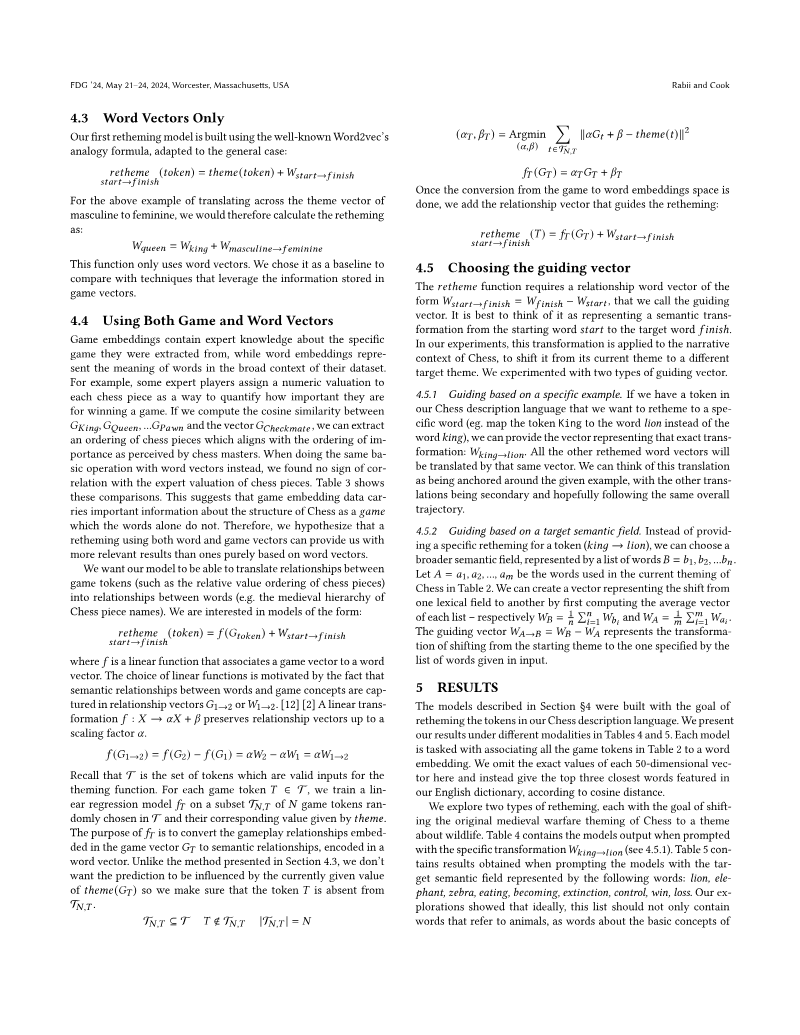
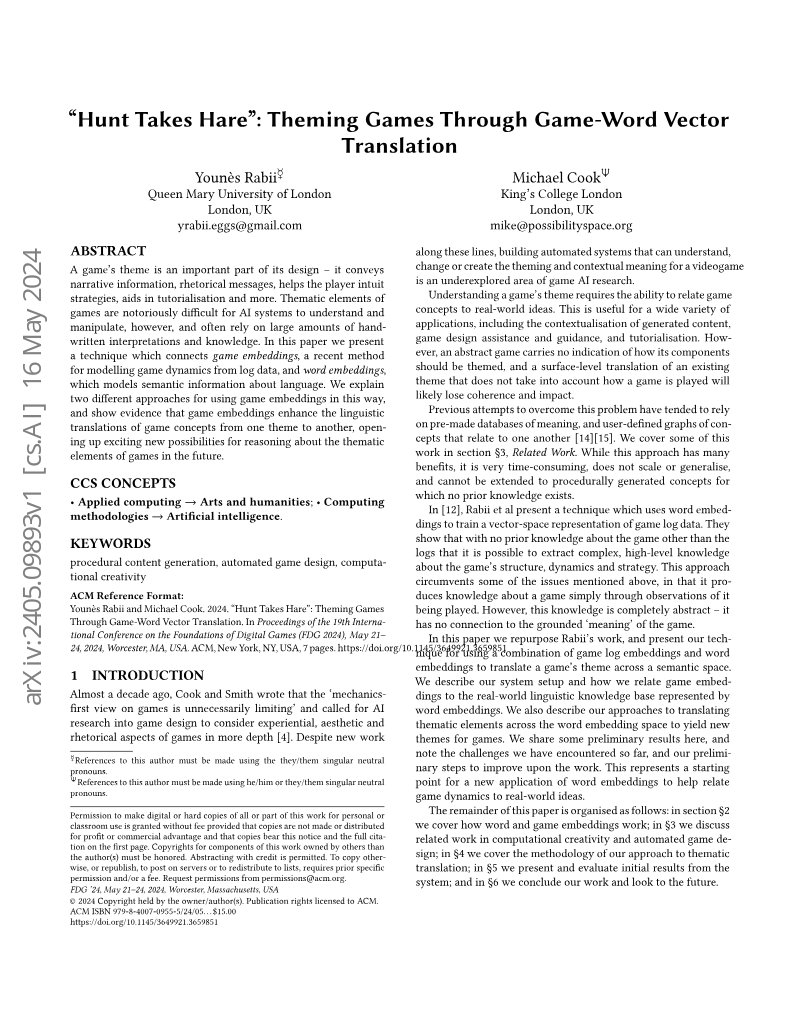
Hunt Takes Hare: Theming Games Through Game-Word Vector Translation
Automated game design benefits from a novel methodology that bridges the gap between abstract ludic mechanics and semantic thematic content.
- A new methodology enables procedural re-theming of games by mapping game-log embeddings to semantic word vector spaces, decoupling mechanical rules from surface-level narratives.
- This approach preserves the structural and strategic integrity of original game mechanics while allowing for the automated translation of concepts into entirely new contexts.
- Integrating gameplay-specific embeddings with linguistic word vectors produces more contextually relevant thematic outcomes than using word vectors in isolation.
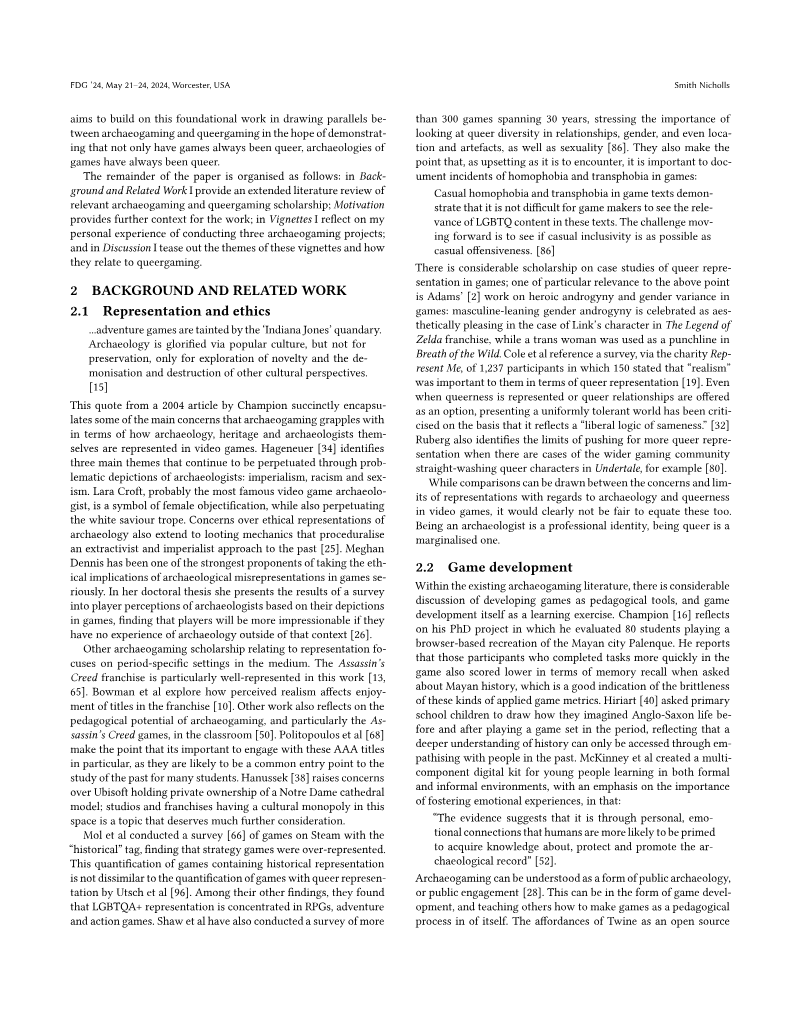
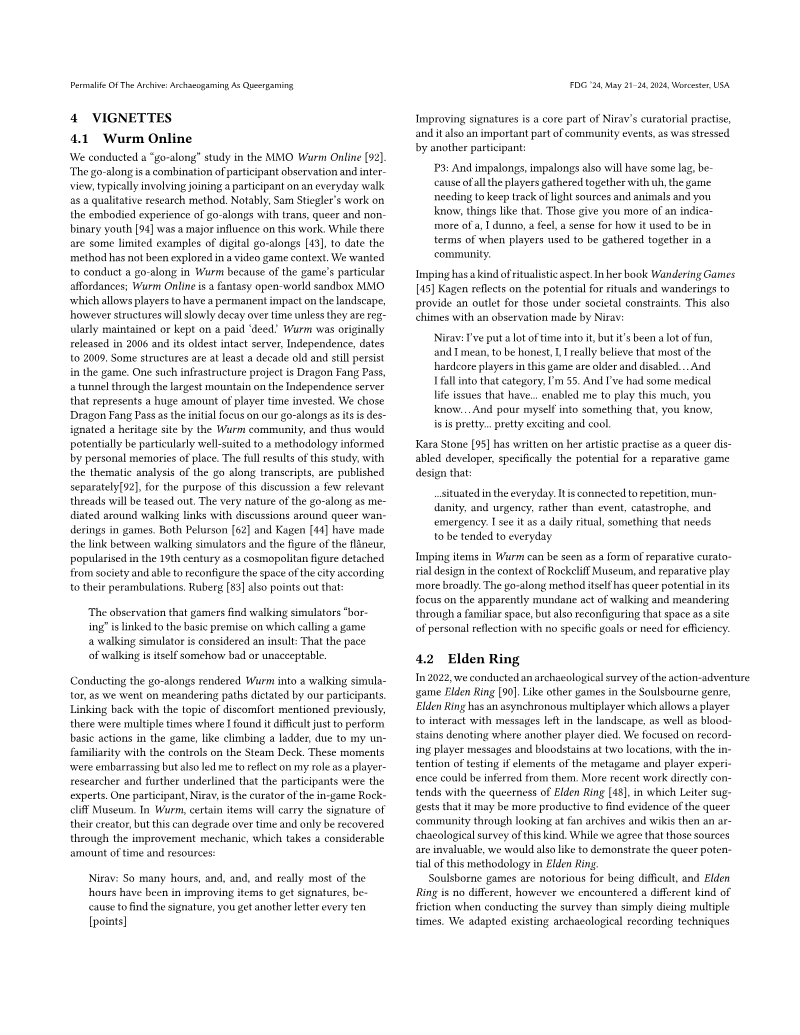
Permalife of the Archive: Archaeogaming as Queergaming
Archaeogaming and queer game studies converge as critical frameworks for analyzing digital environments, emphasizing the ethics of representation, labor politics, and the subversion of hegemonic design.
- The synthesis of archaeogaming and queer game studies shifts the focus from goal-oriented play to games as complex, subjective systems of power and pleasure.
- Players actively resist standardized design by creating personal, incomplete, and messy archives that prioritize lived experience over objective, totalizing histories.
- The conceptual framework of 'permalife' replaces the traditional, masculinist model of 'permadeath,' emphasizing the reparative potential of digital environments.
The Right Variety: Improving Expressive Range Analysis with Metric Selection Methods
Expressive Range Analysis serves as a critical tool for evaluating procedural content generation, yet the field has historically lacked a standardized, objective methodology for selecting the metrics used to visualize generative spaces.
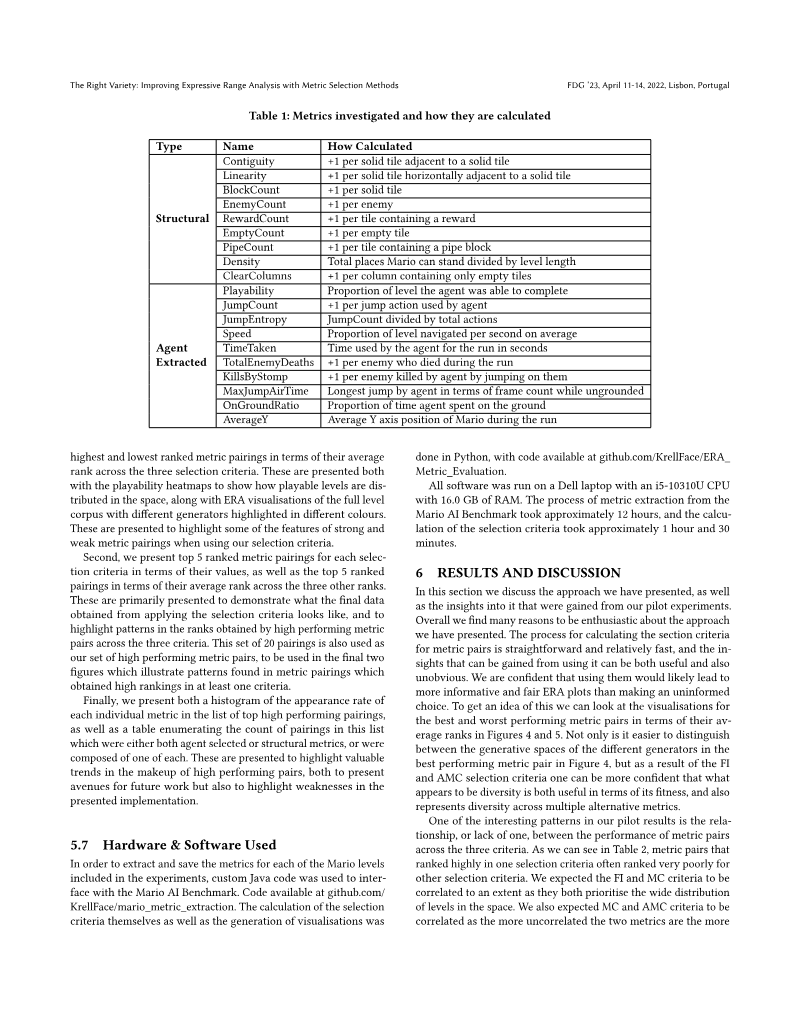
- A new quantitative framework replaces intuition-based metric selection in Expressive Range Analysis with three criteria: Fitness Independence, Mutual Independence, and Minimal Alternative Metric Independence.
- The study validated this methodology by analyzing 9,015 Mario levels across 18 distinct structural and agent-based metrics.
- Combining structural metrics with agent-evaluated metrics produces the most robust visualizations because these categories exhibit lower mutual correlation.
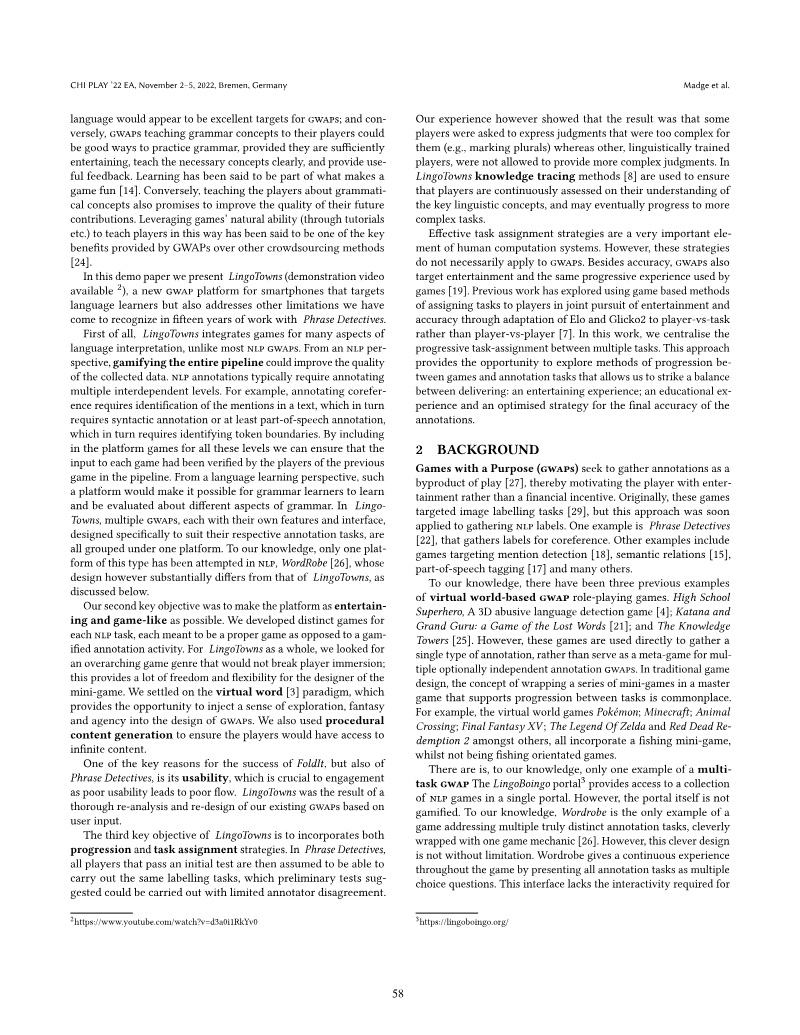
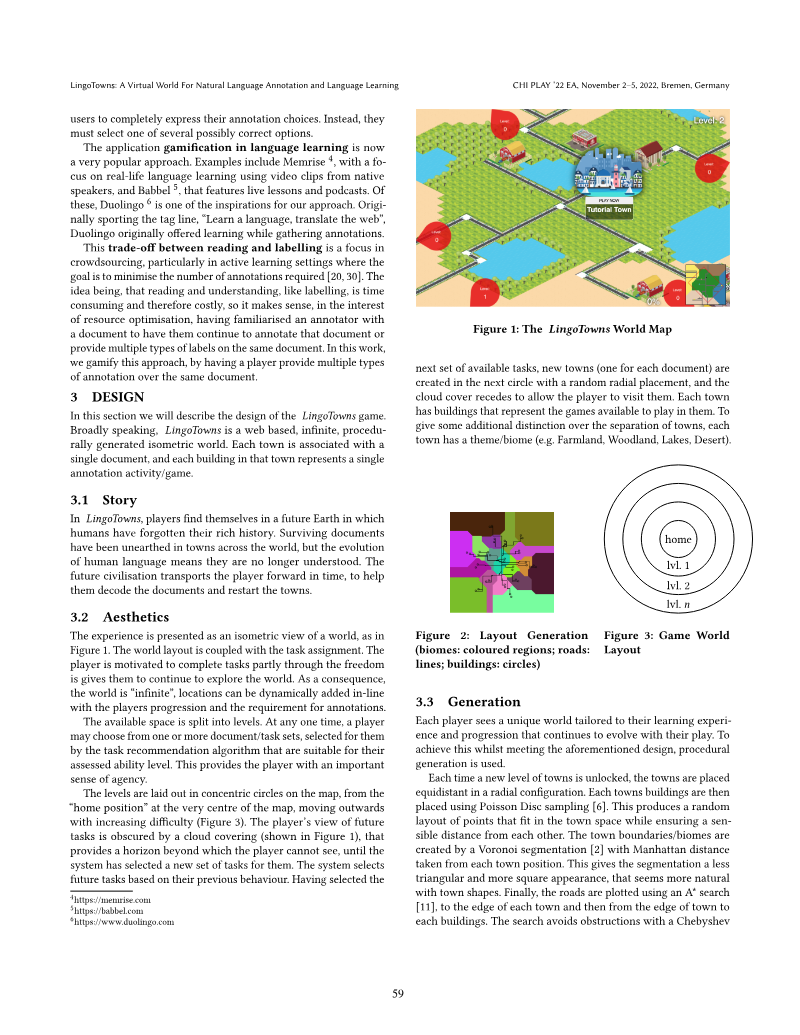
LingoTowns: A Virtual World for Natural Language Annotation and Language Learning
LingoTowns is a web-based, procedurally generated virtual world platform designed to integrate multiple Games with a Purpose (GWAPs) for natural language processing (NLP) annotation and language learning.
Do you work at Queen Mary University of London? Get a free report of how these documents are read and cited here.