The LFL 2026 Summer season represents a critical inflection point for the French League of Legends ecosystem, characterized by a sustained contraction in audience engagement. This downturn aligns with a broader cooling of interest across the global esports landscape, signaling potential challenges for regional tournament sustainability. The league’s performance metrics underscore a deepening crisis, as viewership figures have now suffered through seven consecutive seasons of decline, reflecting a systemic struggle to maintain momentum in an increasingly fragmented digital entertainment market.
Quantitative data from the 2026 Summer split reveals a significant erosion of the viewer base, with total hours watched falling by 10 percent and peak viewership decreasing by 9.7 percent compared to the preceding spring split. This downward trajectory is largely attributed to the departure of high-profile organizations such as Karmine Corp and Gentle Mates, whose fanbases previously served as the primary engines for league growth. Although the Galions emerged as the eventual champions, the competitive outcome failed to offset the loss of these marquee brands, leaving the league heavily reliant on community casting to sustain its remaining audience.
The current state of the LFL highlights an industry-wide shift toward data-driven analysis as a means of navigating these volatility trends. Platforms like Esports Charts have become essential infrastructure for tracking these shifts, providing the granular insights necessary to evaluate team performance and audience demographics in the EMEA region. As the league moves forward, the reliance on third-party analytical tools and community-led broadcast initiatives suggests that traditional viewership models are no longer sufficient to guarantee the long-term commercial viability of regional esports tournaments.
Esports Charts · 2026
Esports Charts · 2026
Esports Charts · 2026
Esports Charts · 2026

Esports Charts · 2026
Esports Charts · 2026
Esports Charts · 2026

Esports Charts · 2026
Esports Charts · 2026
Esports Charts · 2026
Esports Charts · 2026
Esports Charts · 2026
PayPal

InvestGame · 2025
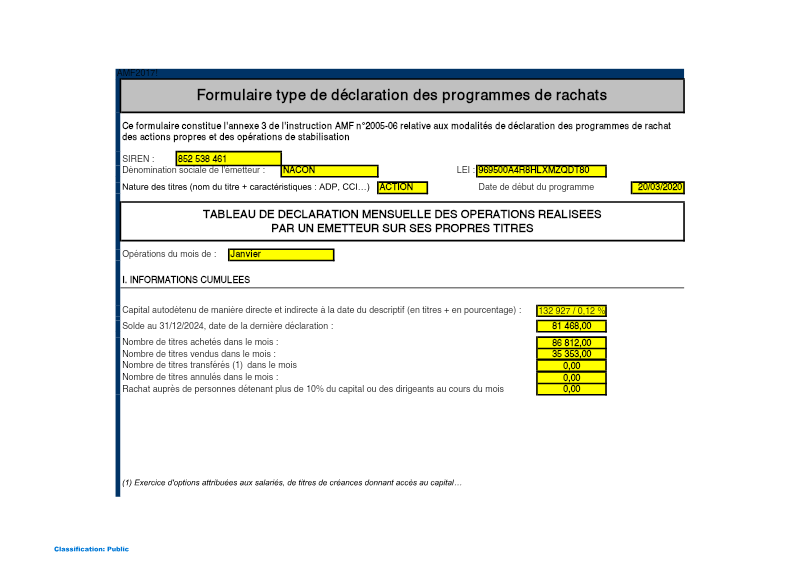
Nacon · 2025
Stream Hatchet · 2025
BITKRAFT Ventures · 2025
Pullup Entertainment · 2024

Nacon · 2024
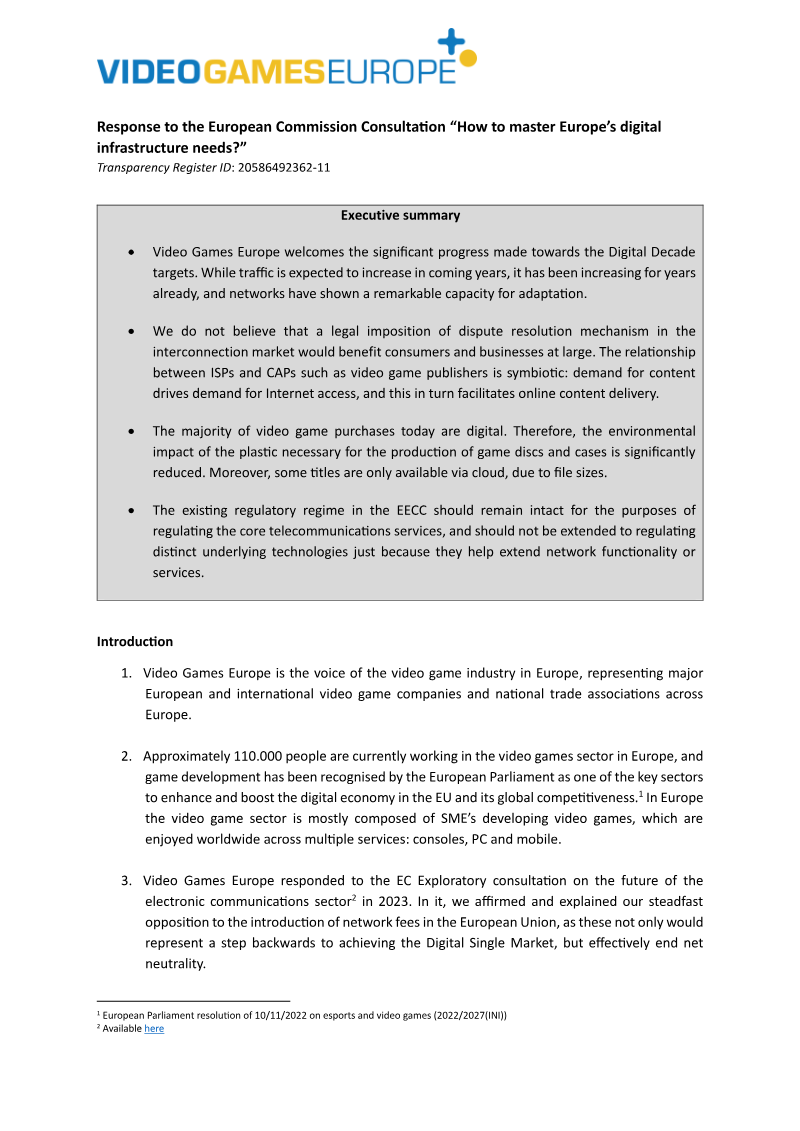
Video Games Europe · 2024
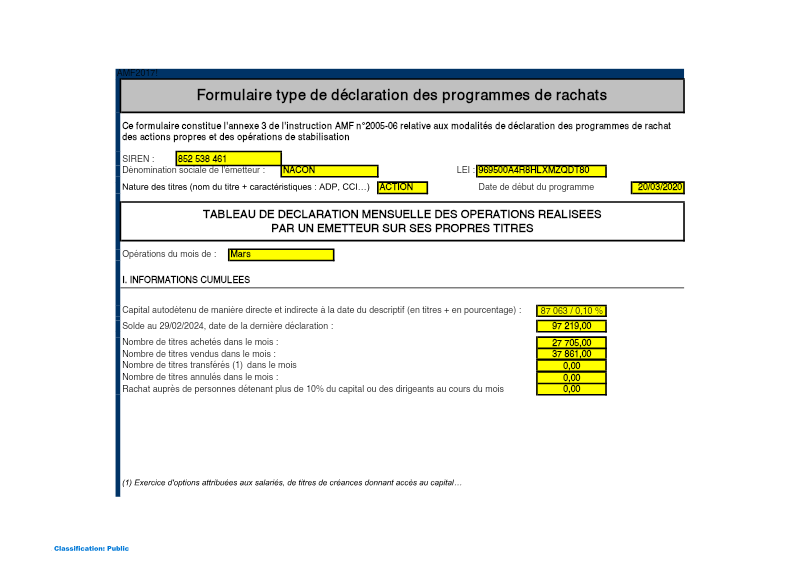
Nacon · 2024
Stream Hatchet · 2024
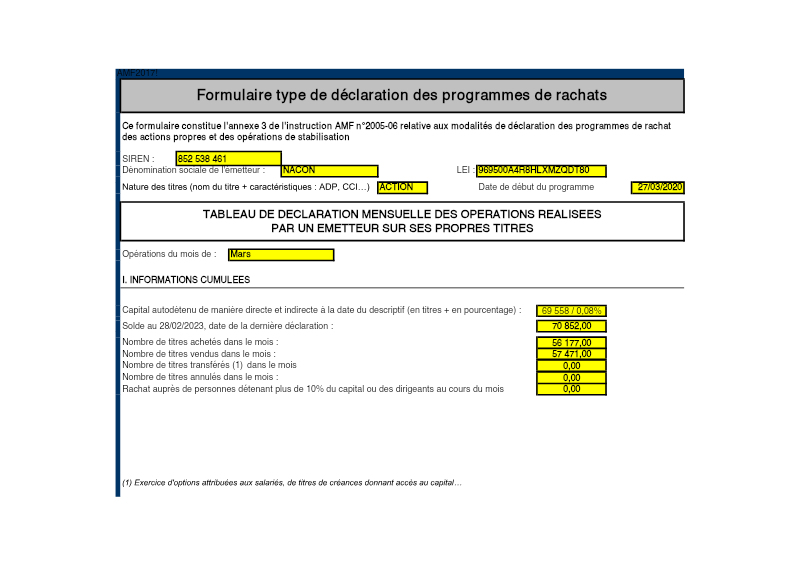
Nacon · 2023
Stream Hatchet · 2023