1 free read left. Create a free account for unlimited reading + AI research.
Create free accountFinancial report KLab
1 free read left. Create a free account for unlimited reading + AI research.
Create free accountFinancial reportKLab
Distilling the key insights…
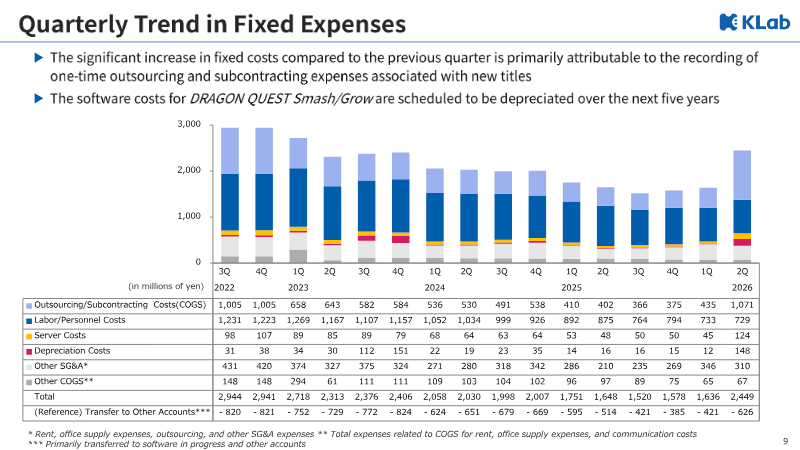
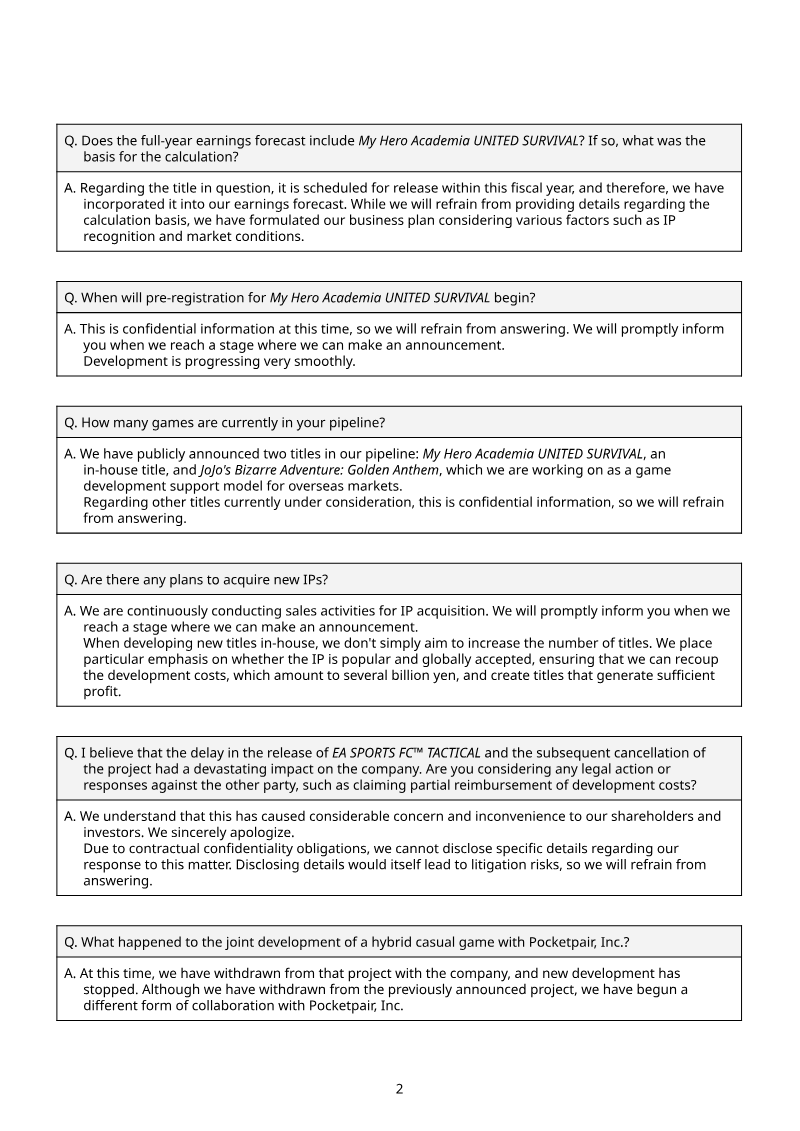
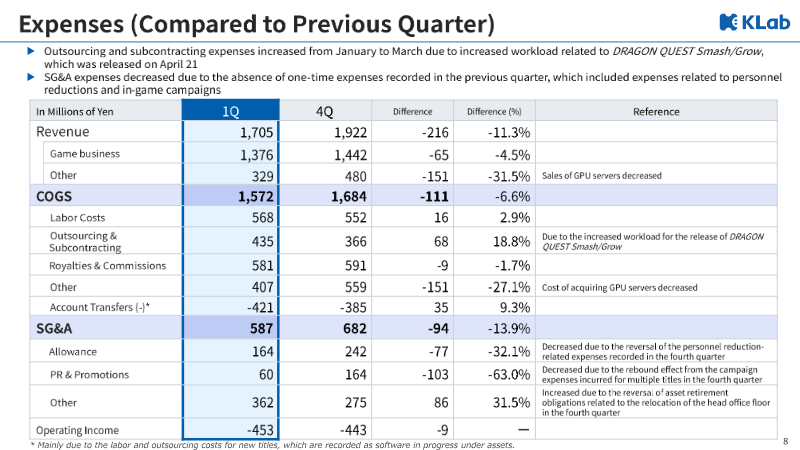
KLab’s financial performance for the 2013 fiscal year reflects a strategic transition toward a mobile-first business model, characterized by a pivot away from legacy system integration and licensing services. During the fourth quarter, the company generated 4,598 million yen in sales, aligning with internal projections despite an operating income shortfall driven by increased royalty expenses associated with high-profile intellectual property titles. While the cumulative fiscal results show an operating loss of 1.1 billion yen on 22.9 billion yen in sales, the company achieved quarterly profitability on an unconsolidated basis by successfully reducing outsourcing costs by 34 percent and tightening overall expenditure management.
The core business strategy centers on the aggressive development of native mobile applications supported by a large-scale production pipeline. To maintain market competitiveness, the organization is prioritizing the acquisition of high-potential intellectual property and fostering strategic international alliances, most notably with partners like Kabam. This consolidation of resources is intended to streamline operations, allowing the company to divest from non-core legacy segments and explore emerging opportunities in e-commerce.
Beyond financial and operational restructuring, the company is formalizing its commitment to corporate social responsibility within the mobile gaming sector. By implementing rigorous age verification programs and strictly adhering to the operational guidelines established by the Japan Online Game Association, the company is prioritizing user safety and minor protection. These efforts underscore a broader objective to stabilize the business through sustainable growth, improved cost efficiencies, and a focused expansion into the global mobile gaming market.
KLab · 2026
KLab · 2026
KLab · 2026


KLab · 2026
KLab · 2026

KLab · 2026


KLab · 2026
KLab · 2025
KLab · 2025

KLab · 2025
KLab · 2025


KLab · 2025
DeNA Co. · 2026