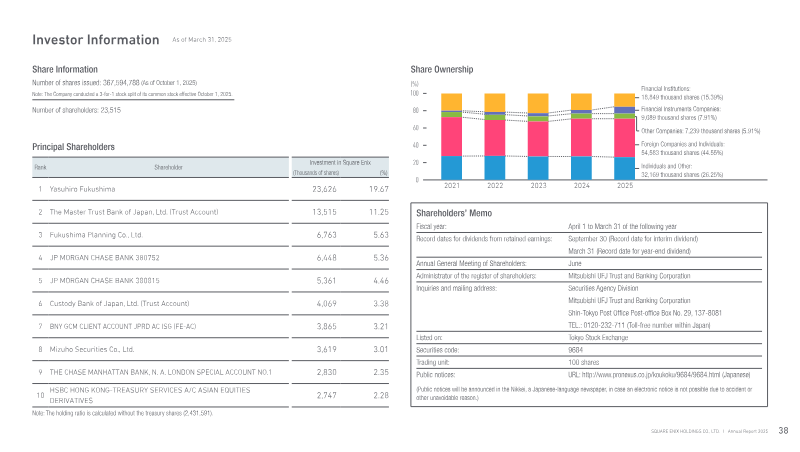
Square Enix Holdings maintains a diverse global ownership structure as of the conclusion of the 2025 fiscal year. Foreign companies and individuals represent the largest shareholder segment, controlling 44.55% of the company’s equity. This is followed by individual investors and other minor holders at 26.25%, while financial institutions and instruments companies collectively account for approximately 23% of the shares. The remaining 5.91% is held by other domestic corporations. A significant corporate action occurred on October 1, 2025, when the company executed a three-for-one stock split, resulting in a total of 367,594,788 issued shares.
The distribution of principal shareholders reveals a mix of individual founders, trust banks, and international financial entities. Yasuhiro Fukushima remains the largest single shareholder with a 19.67% stake, followed by The Master Trust Bank of Japan at 11.25%. Other major positions are held by Fukushima Planning Co., Ltd. and various accounts managed by JP Morgan Chase Bank and the Custody Bank of Japan. These figures exclude treasury shares, which totaled approximately 2.43 million at the time of reporting.
Operational governance is centered on a fiscal year running from April to March, with the annual general meeting of shareholders held each June. Dividend record dates are established at the end of September and March to facilitate interim and year-end payouts. Listed on the Tokyo Stock Exchange under securities code 9684, the company utilizes Mitsubishi UFJ Trust and Banking Corporation as its shareholder register administrator. This data reflects the company's capitalization and governance framework within the Japanese gaming and entertainment industry for the 2025 reporting period.

Square Enix · 2026
Square Enix · 2026
Square Enix · 2026
Square Enix · 2026
Square Enix · 2025
Square Enix · 2025
Square Enix · 2025
Square Enix · 2024
Square Enix · 2023
Square Enix · 2014
Square Enix · 2013
Square Enix · 2012
Ubisoft · 2026
Sony Group Corporation · 2026

Enthusiast Gaming Holdings · 2026
Drake Star Partners · 2026
Aream & Co · 2026
Capcom · 2026
Modern Times Group · 2026
Bandai Namco · 2026
Aream & Co · 2026
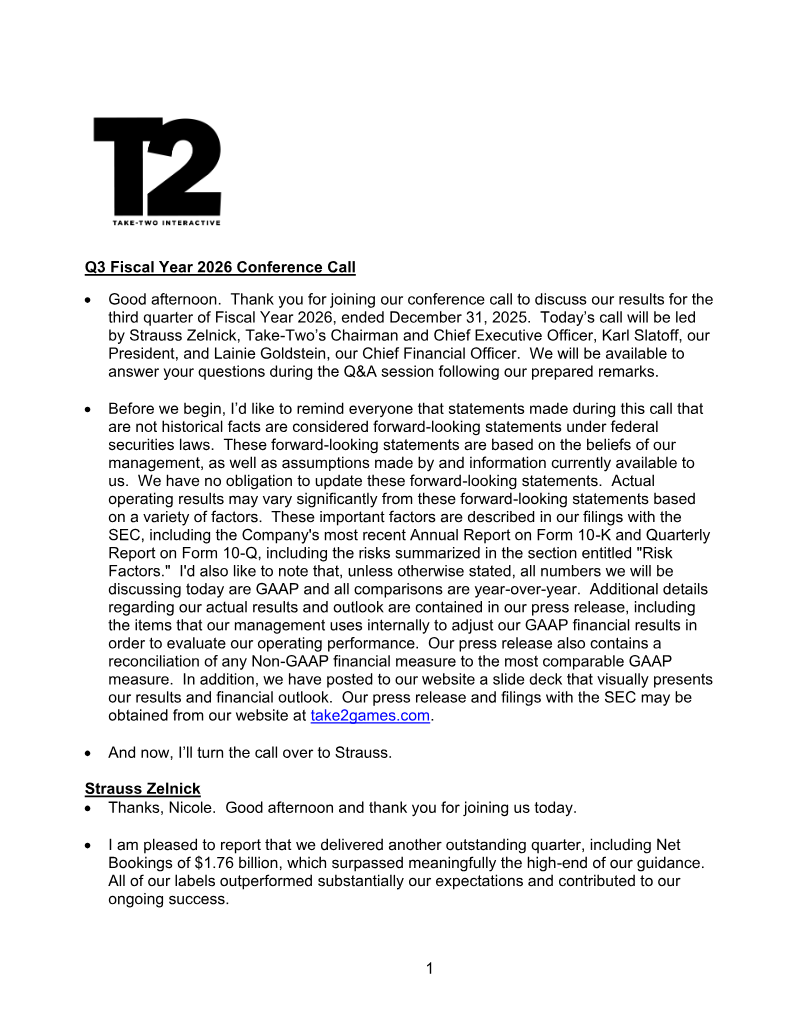
Take-Two Interactive · 2026
Take-Two Interactive · 2026
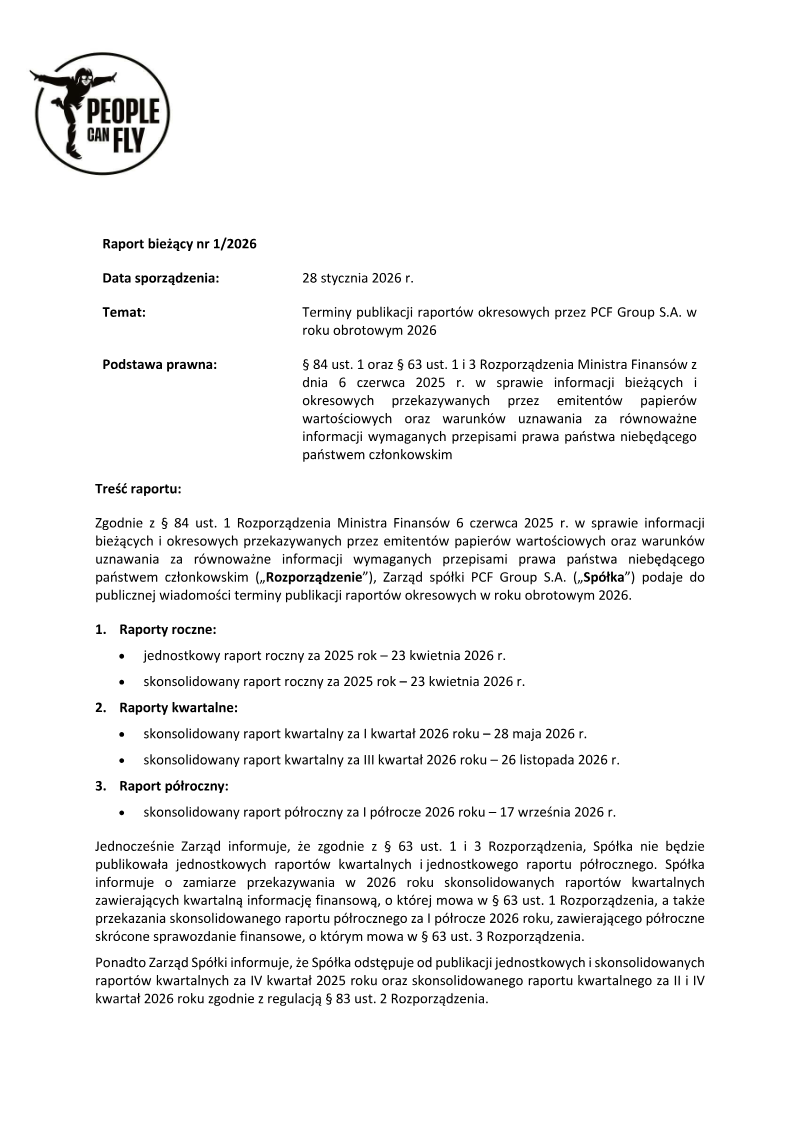
PCF Group · 2026