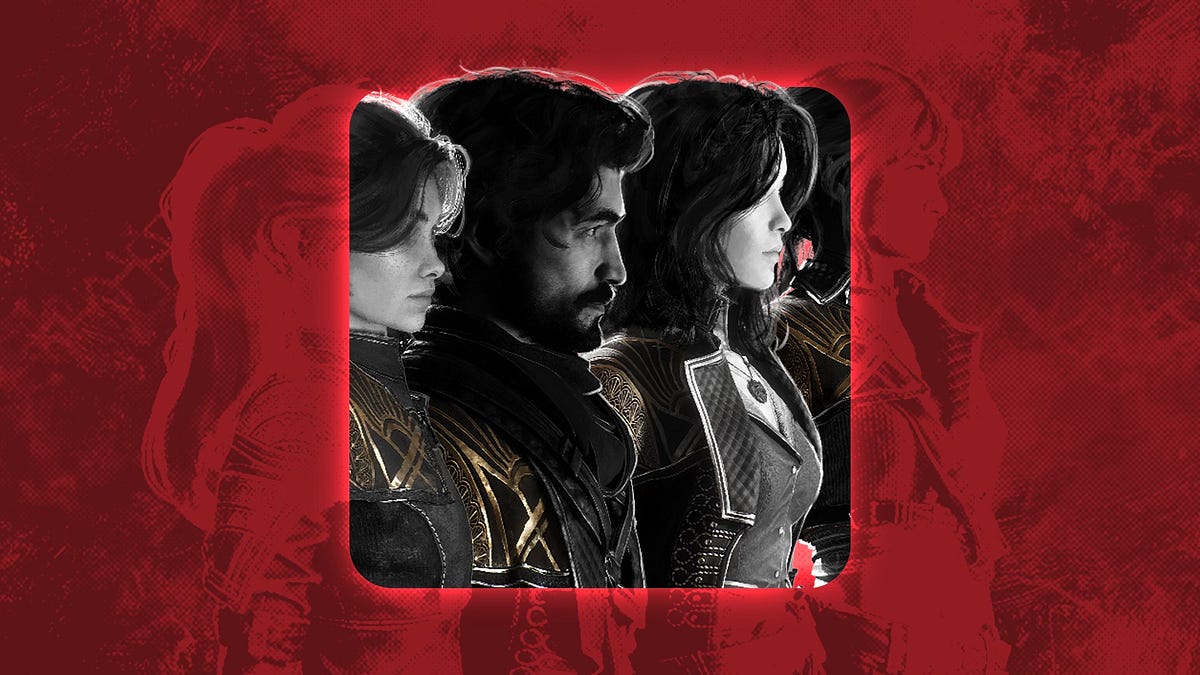
Analyzing flawed or incomplete projects like Redfall provides more insight into core design intent than studying polished, final products.
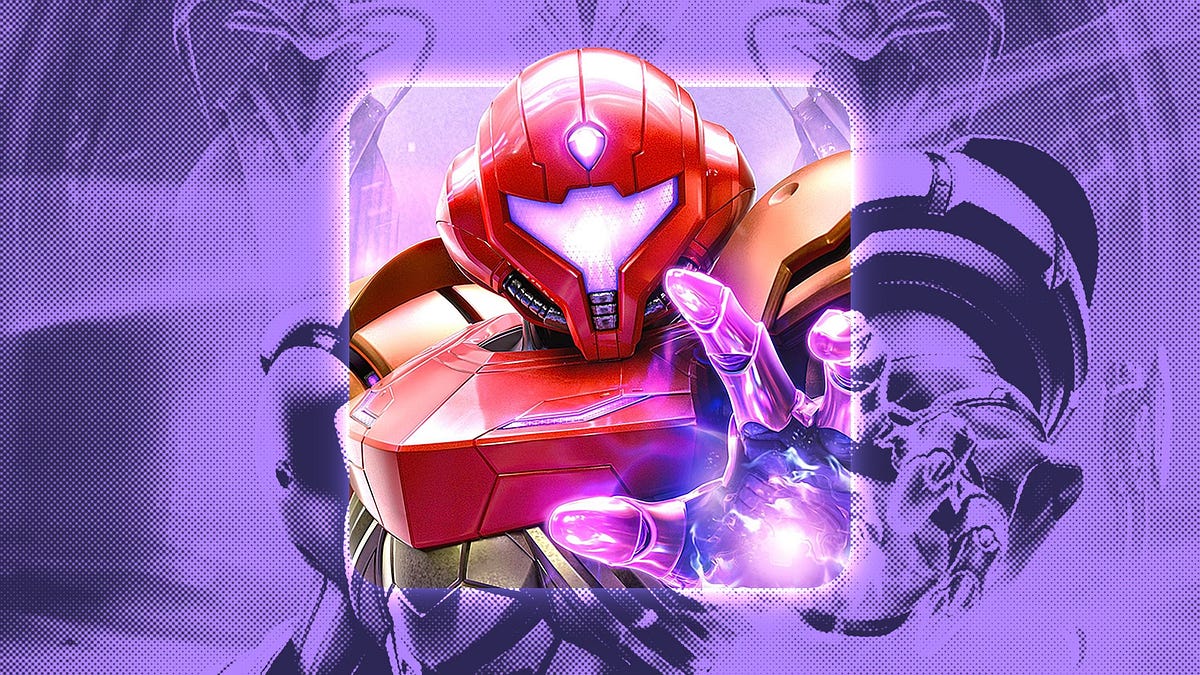
Modern open-world emergent gameplay, exemplified by The Legend of Zelda: Tears of the Kingdom, is a direct evolution of the immersive sim philosophy pioneered by titles like Thief and Prey.
Developers often inadvertently design games for industry peers rather than their intended audience, a common pitfall identified in the creation of Disney-themed platformers.
Crafting systems are increasingly utilized as a mechanical solution to mitigate player frustration regarding weapon durability.
The June 2023 digest highlights a persistent tension between creative intent and final execution within the Western AAA and indie game sectors.
The June 2023 industry digest curated by Game Maker’s Toolkit provides a specialized look into contemporary game design philosophy, development post-mortems, and the evolution of player mechanics. The collection focuses primarily on the Western AAA and indie sectors during the first half of 2023, with a particular emphasis on the design decisions behind major releases like Redfall and The Legend of Zelda: Tears of the Kingdom. By aggregating expert critiques and developer interviews, the analysis highlights the tension between creative intent and final execution in modern software development.
A central theme involves the pedagogical value of analyzing flawed or incomplete projects. Analysis of Redfall suggests that studying a game in a "75% finished" state offers deeper insights into the broad strokes of design intent than examining a polished, final product. This perspective encourages developers to look past technical failures to understand the underlying structural goals. Furthermore, the digest connects modern open-world mechanics to historical genres, arguing that the emergent gameplay found in recent Nintendo titles is a direct evolution of the immersive sim philosophy pioneered by developers like Warren Spector in titles such as Thief and Prey.
The findings also address specific mechanical solutions to long-standing player friction, such as the use of crafting systems to mitigate the frustration of weapon durability. In the realm of accessibility and audience targeting, the collection emphasizes the difficulty of designing for younger demographics. Developers of Disney-themed platformers noted a recurring pitfall where creators inadvertently design solutions for other industry professionals rather than their actual audience, necessitating a fundamental shift in how difficulty and guidance are implemented. Overall, the synthesis serves as a bridge between historical design traditions and the practical challenges of modern game production.