Back to Library
Summary
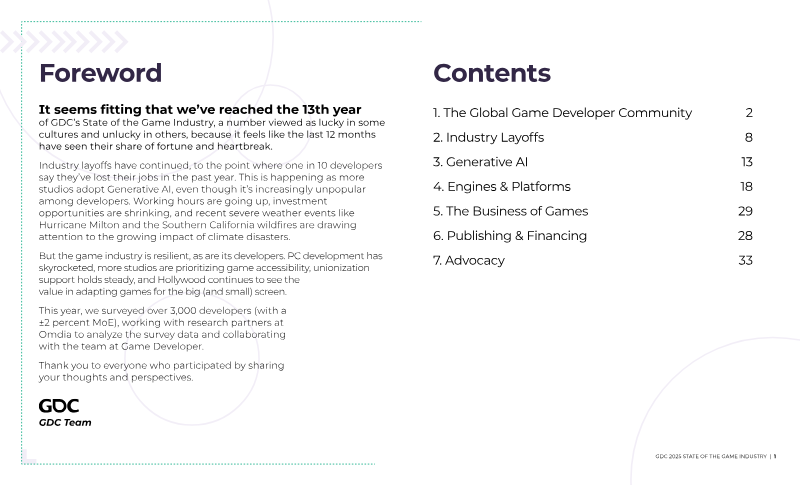
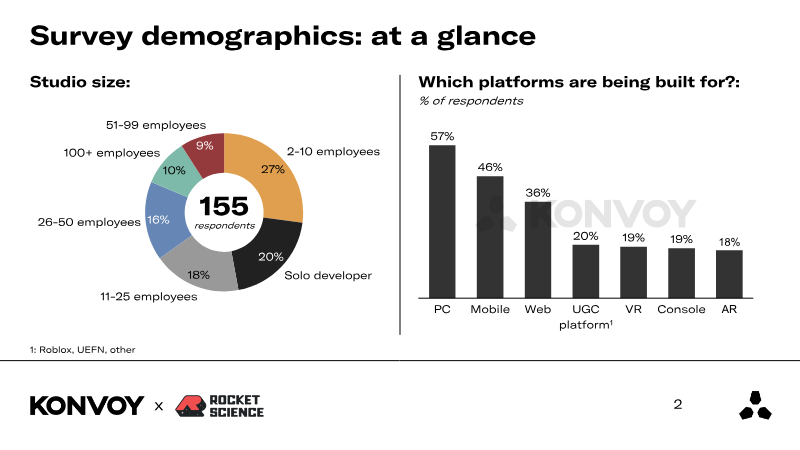
The 2026 assessment of the global video game industry highlights a period of significant structural transition, primarily driven by the dual pressures of workforce volatility and the rapid integration of emerging technologies. Based on a comprehensive survey of thousands of game developers across various disciplines and studio sizes, the findings underscore a professional landscape deeply affected by widespread layoffs. These workforce reductions have reshaped internal studio cultures and influenced developer sentiment regarding job security and the long-term sustainability of current business models. Generative artificial intelligence has emerged as a central pillar of modern development pipelines, with a substantial portion of the industry now utilizing these tools for coding, asset creation, and narrative design. While AI adoption has accelerated production timelines, it has simultaneously fueled intense debates regarding ethical implementation, copyright concerns, and the potential displacement of entry-level roles. This technological shift coincides with a growing momentum toward unionization, as developers increasingly seek collective bargaining power to address concerns over compensation, working conditions, and the impact of automation on their livelihoods. Market trends indicate a diversifying platform landscape where developers are balancing traditional console and PC releases with expanding opportunities in mobile and cloud gaming. The data suggests that while the industry continues to face economic headwinds, there is a persistent focus on cross-platform accessibility and live-service sustainability. Overall, the current state of the industry reflects a sector in the midst of a critical recalibration, attempting to reconcile the efficiency gains of new technology with the human cost of organizational restructuring.
Tags
Citation
Citation
Generating citation...