Microsoft’s paid console subscription count dropped 5% to 33.6 million between April 2021 and April 2022, with overall growth stagnation masked by reclassifying Live Gold users as Game Pass Core subscribers.
Internal data from April 2022 shows Xbox Series S consoles accounted for 75% of sell-through compared to 25% for the Series X.
Xbox Game Pass playtime is heavily skewed toward third-party titles at 39 hours per monthly active user, while first-party titles account for only 5 hours per user.
Total playtime on the Xbox platform declined 12% year-over-year as of April 2022, signaling a post-COVID normalization in gaming engagement.
Unity’s revised licensing model allows developers earning over $200k to choose between a 2.5% revenue share or a per-user engagement fee based on self-reported data.
Steam analytics indicate significant revenue disparities between engine ecosystems, with the top 10% of Unity titles generating over $100k, Unreal titles over $200k, and Godot titles only $12k.
The article examines Xbox Game Pass growth and subscriber reporting practices, Unity engine licensing changes, and broader industry news. It draws on a leaked April 2022 Microsoft internal slide deck that reveals console sell‑through ratios (75 % Series S, 25 % Series X), monthly active users of 51 million in April 2022, and a playtime split heavily favoring third‑party titles (39 hours per MAU versus 5 hours for first‑party). Playtime declined 12 % YoY, reflecting the post‑COVID gaming boom’s tapering. The piece highlights that Microsoft’s paid console subscription count fell 5 % to 33.6 million between April 2021 and April 2022, yet Game Pass numbers appear to rise because Live Gold subscriptions are re‑classified as Game Pass Core. This practice masks stagnation in overall console subscriber growth and contrasts with Sony’s transparent, flat‑rate PlayStation Plus reporting.
The article then summarizes Unity’s revised licensing model: the Personal plan remains free for revenue below $200 k, while paid plans offer a choice between a 2.5 % revenue share or a per‑user engagement fee, with billing based on self‑reported data. The changes affect developers differently depending on engine choice; Steam analytics show Unity’s top 10 % of titles generate over $100k gross, Unreal’s exceed $200k, and Godot’s top 10 % only $12k. Engine market share trends are illustrated, noting Unity’s broad appeal versus Unreal’s 3D action focus and Godot’s niche in smaller 2D games.
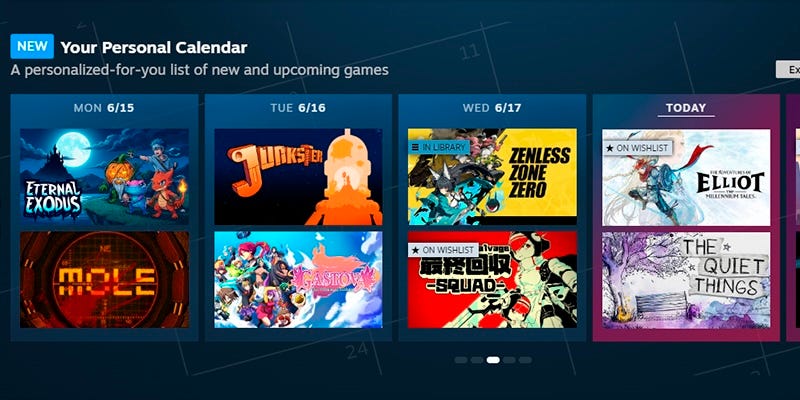
Finally, the piece rounds out with a news roundup covering Valve’s marketing page additions, Sony’s PS5 sales push, Microsoft‑Activision regulatory updates, and various publisher lists and platform initiatives. The overall tone is analytical, focusing on data interpretation rather than editorial commentary.