Rabbit & Steel sold over 125,000 units on Steam within its first two weeks of launch in May 2024, maintaining a low 4.3% refund rate.
The game achieved a peak concurrent user count of 5,300 and a median playtime exceeding four hours, despite competing with high-profile titles like Hades 2.
70% of total sales were concentrated in the United States, Japan, and China, demonstrating the necessity of localized releases for global indie success.
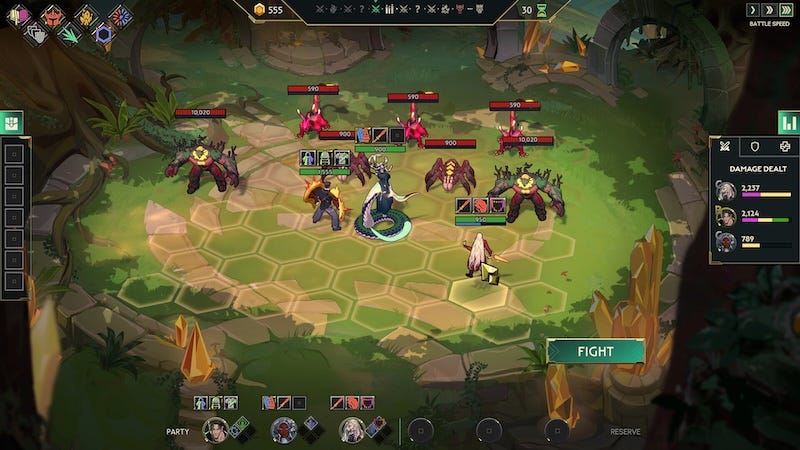
Commercial success was driven by hybridizing complex MMO raid mechanics with accessible roguelite gameplay loops to reach underserved audiences.
For co-op titles, organic growth through friend-group scaling and word-of-mouth is more effective than relying on single viral marketing moments.
Developers can mitigate 'coverage limbo' by timing releases during industry 'lull' periods, such as Steam sales or seasonal quiet zones, to better secure influencer attention.
This analysis examines the commercial success of the indie title Rabbit & Steel and broader trends in game discovery and influencer relations. The primary thesis suggests that niche-defying success is often driven by hybridizing complex mechanics from established genres—such as MMO raid patterns—with accessible, high-engagement loops like those found in roguelites. By lowering the barrier to entry for intimidating experiences, developers can tap into massive, underserved audiences.
Data from the first two weeks of Rabbit & Steel’s May 2024 launch reveals over 125,000 units sold on Steam, with a low refund rate of 4.3% and a strong median playtime of over four hours. Despite launching alongside high-profile competitors like Hades 2, the game achieved a peak concurrent user count of 5,300, ranking it among the top debuts for the month. Geographic data indicates that 70% of sales originated from the United States, Japan, and China, highlighting the importance of localized releases in key markets.
The scope of the analysis covers the global PC and console market during mid-2024, utilizing data from Steam, GameDiscoverCo’s proprietary tracking tools, and Footprints.gg. Methodology involves direct interviews with solo developers and synthesis of platform-specific performance metrics. Key findings emphasize that "word of mouth" and organic friend-group scaling are more critical for co-op titles than single "viral" moments.
Additional industry insights focus on the relationship between developers and content creators. Findings suggest that games often fall into "coverage limbo" due to poor timing or high learning curves. To counter this, developers are encouraged to target "lull" periods, such as Steam sales or seasonal industry quiet zones, to secure influencer attention. The report concludes with brief updates on the expansion of user-generated content platforms and the continued dominance of major intellectual properties in traditional media mentions.