1 free read left. Create a free account for unlimited reading + AI research.
Create free account
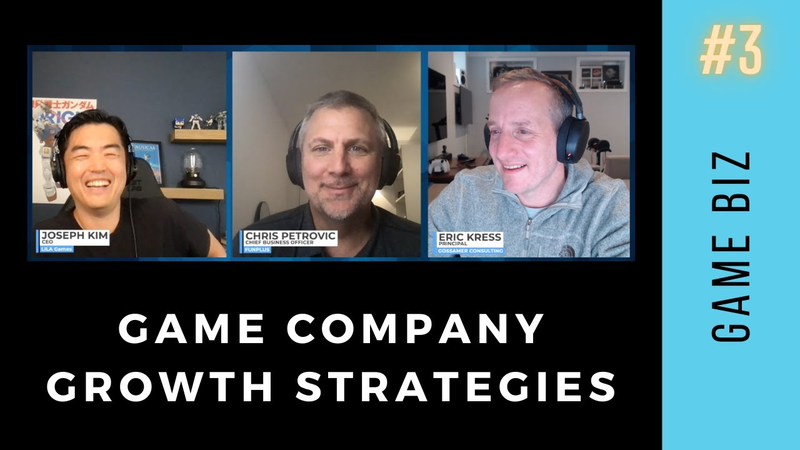
Game Biz #3 | Game Company Growth Strategies ft Chris Petrovic and Eric Kress
Key insights
7 takeaways- 01The gaming industry is shifting from an M&A-heavy growth model to a focus on organic growth, as high-quality independent acquisition targets become scarce and integration challenges persist.
- 02Long-term industry value now depends on the ability of established giants to successfully cultivate new studios and generate hits internally to counter the diminishing returns of external acquisitions.
- 03To combat rising development costs, firms are implementing operational efficiencies, including the offshoring of development to regions like India.
- 04Companies are pursuing vertical integration by acquiring ad-tech capabilities to optimize profitability and mirror the valuation models of firms like AppLovin.
- 05Investors are increasingly pressuring major firms like EA, Take-Two, and Zynga to demonstrate internal innovation and the ability to launch new franchises rather than relying on capital-intensive consolidation.
- 06The deprecation of IDFA has disrupted traditional user acquisition moats, though this technical shift may paradoxically lower barriers to entry for new developers.
- 07Western gaming firms are actively adapting monetization and design mechanics from Asian markets to improve the lifetime value of their user bases.
Ask AI about this video
Transcript
hey folks and welcome we have decided to keep rolling with this game biz segment where we talk about critical game industry trends and strategic insights with myself joseph kim eric cress and chris petrovick welcome guys good to be back all right good to see you so today we are going to be talking about the current state of game company growth and various growth strategies being deployed by different game companies i actually wrote on some of these thoughts as part of the games makers newsletter but i thought ahead of talking about these different sort of growth strategies that we could first just get a quick pulse in terms of the market and chris i know you're in the thick of it in terms of like you know looking at different companies and looking at m a at fun plus what are you seeing right now as far as m a is concerned in terms of like whether it's earlier stage or just kind of the the strategy by the bigger companies as well
yeah i think uh i think it's more of the same you know more of the same at the the the big wanting to and needing to get bigger through m a um and you know i think the the healthy tension that's existing is that you know i think as we talked on the last episode um and it's probably been talked about you know ad nauseam is that the the number of at-scale independent players that are actionable is dwindling and i think with you know playdenk being the the newest forever franchise level opportunity that was just taken off the board um you know it's hard you're hard-pressed to count on more than one hand you know if you look at the top grossing charts at least um you know ones out there that are actionable so you know it's going to be interesting to see uh how the the big guys uh the eas the zyngas the platikas of the world you know continue to deploy capital in this regard uh i know you wrote about jam city going after earlier m a i think that's more of a function of of you know what they have at their disposal in terms of you know capital i think now being a public
company they have a currency a secondary currency that can help um but you know i think it's it's not changing uh it's not changing that trajectory is not changing anytime soon i think the good thing about our industry is you're always one hit game away from being in that category that's right so yeah you know yeah and speaking of paydemk eric i don't know how much you can talk about since you're doing some stuff for warner brothers but i mean is it the writing on the wall there that the rest of the warner assets are probably going to be up for grabs what do you guys think in terms of the other stuff in warner brothers i can't comment on that what i can't comment on is that uh you know like the non-core assets that are not related to warner you know make sense to jettison as you know they're gonna probably focus more on uh you know warner ip but uh and that's that was a great asset uh to sell uh 1.4 billion dollars seven times trailing revenue it looked like uh from from the slack channel like i said earlier i
don't get any i get all my information from slack channel let everyone else do the work right but no i mean it seems like somewhere around that but you imagine it's super profitable if it's just that team right because this relatively small team and they're generating quite a bit of revenue so it's probably a good deal for ea from that perspective uh but revenue was it seems seems high dude ea has been sitting on five billion dollars in cash for decades and now they've spent like five billion yeah crazy great good for those guys no i think it's great yeah i think it's amazing to your point on the rest of the assets though i think uh david haddad uh some of his comments that were quoted in some of the analyst reports that came into my inbox since the deal was announced today kind of reinforces their their positioning that actually the warner games you know studio and those assets are going to be part of the transition over to discovery as part of the core uh warner brothers assets because what's left now of warner brothers games
is focusing as crest said on on their core ip and so that's more in line with with enter how entertainment properties function uh so i think it's actually this is probably the you know the one and only asset that's going to be peeled off uh from warner brothers games if you if you believe what uh how they're positioning this for sure and in terms of the price tag you know you can look at it from a revenue perspective you look at it from an even up perspective you can look at it from a upside perspective given that my assumption is that warner brothers was not uh you know uh deploying marketing to the fullest potential there as they're known for preserving profitability so i think perhaps ea and others saw a lot of upside uh i'm sure it was a competitive bidding situation so i'm sure this went through a couple different turns uh of of what the price tag ended up being i think the other interesting thing to note that probably doesn't come across in any of the in any of this is that you know with these transactions that are asset sales you know you don't get to hedge your bets by by crafting an earn out structure so you
know in addition to the price tag there was probably some retention-based compensation that got put in there um in order to keep the team intact because you know they didn't buy an entity they bought an asset uh so you know there's uh there's two two parts to that story and and you know i'm sure it'll bear itself out over time in terms of how well they structure that and you know what you know what really sucks though for these guys if if if if my interpretation is correct is that they got bought for a song at warner right the play dammit guys so they got games basically nothing right like i don't know was it 50 million or something yeah it was it was before golf clash launched fully right and so they didn't get paid out for that acquisition all that much maybe a little bit and then now they're getting sold by warner right so i don't know how much that gate flew back to them right but if they were if they had wholly owned this thing they would have been billionaires but you know but now i don't know dude they didn't they didn't get the payout that they probably deserve for creating you know a really
amazing um franchise and then the other thing i would think about from ea's perspective is that uh the golf clash model could work across other sports like you know tap sports from glue make sense as well but they could actually kind of replicate potentially replicate that success across some of the sports that ea does maybe so there could be some quote unquote synergies there i suppose um but yeah it seems like a good deal overall i mean clearly ea is not around you know they're they're they're going balls deep into mobile finally after like six years of doing nothing you know so it's like it's good i see what you did there golf clash i see i see you you like that huh that was awesome chris that was on the fly i'm just saying so while we're on this topic why don't we talk about the nordius deal oh okay i thought that was a great great deal for take two a great i mean i'm a little partial i've known bronco for a long time right uh serbia is my homeland
where my parents are from so i was glad for that country to be put on the map a little bit uh on the game side um i just think that they'll do great things under a larger scale a parent like take two that can help them with their ip licensing aspirations uh with taking top 11 to the next level i know they've had struggles making new games um but this you know this is a sustainable franchise that uh you know that i think will just be an annuity for them while they invest in other things all right despite your inherent bias i will agree that this acquisition makes the most sense out of the other ones because the other ones made no sense like social point whatever that company made no sense in that two dots yeah yeah and two dots makes no sense like those i don't even know how you even can rationalize that to any management team right but having a top 11 game and competing against directly against fifa in in in mobile is freaking awesome right like yeah like i think that's smart the problem is that i don't think take two literally has
one resource in mobile to manage this right they don't know what they're doing they have as far as i know they have nobody so it's like isn't the head isn't the head of two dots now they're ahead of mobile well okay but that that doesn't help i don't know what that says that's exactly the problem right like you can't navigate where does two dots located anyway like you can't navigate new york yeah yeah you can't navigate this uh studio org and try to make a cohesive strategy without centralized management around mobile and i've said a million times and this is why the ea thing was so disastrous is that you need to separate mobile into their own org right create a city-state model in which like someone is managing the whole thing the minute you start putting it in with existing aaa teams it's a disaster right and that's why the fact that nba 2k is not a competitive game out there is because they're still selling a premium game for seven dollars every year like idiots like how did you do that how does that even happen right like the examples are out there it's really simple dude build build a free-to-play version of it
anyway so uh so even though i think this is a great strategy on paper the execution is gonna be very very challenging when you don't have an organization to manage this stuff you know so so i think they have a long way to go of of of realizing the the the uh the potential synergies you know doing with nordius but good for nordius you know and uh good for your countrymen yes yeah have we seen any i haven't actually heard from an ea perspective whether there's been any recent updates as far as reorganization or how they're gonna organize uh as far as mobile is concerned but have you guys heard anything on on that side oh it's a show but uh i think they'll figure it out i mean i think you know they're they're they i think they just lost their head of ua you know um obviously she was you know seeing the writing on the wall that that it's gonna be a challenge because uas they have no infrastructure at ea it's like zynga right zynga talks about how much
how much infrastructure they have on ua side or you know whatever quantitative stuff and that may be true for a social casino but probably not across the whole organization but ea is like 10 years behind that you know so it's like yeah i remember it was a very lean work like at least two or three years ago their whole ua org was like five they lost everybody as well they have nobody they're rebuilding from scratch since jeff carp took over right so luckily with glue and and and some of the other acquisitions that they're doing they're going to build that but like managing that is going to be a big challenge for jeff and the rest of the team and uh he needs some more lieutenants that actually can do this too i i don't really see any big wigs going over there but i may be wrong i haven't been following it too closely um any thoughts on any other moves as far as acquisitions do do we think anything's going to happen with some of the other bigger players left on the market whether it's oh i i want to make i want to make a quick comment what chris said and
i've been saying this a while i again i don't think there's that many left right to at scale and we're talking about like yeah scale of like 100 million plus type revenue numbers right so i mean i think you said you can count on your one hand maybe um yeah so this creates a big challenge right because we've just seen this huge acquisitions be from still front embracer um ea uh obviously take two and others and so now now what matters is organic growth and that's where all these guys are flailing right even zynga is flailing on organic growth um you know uh still front like that's we got on the call with them a while back they're talking about you know they've been doing acquisitions like no one's business but they their organic growth was like 20 points below the market right um last year in in one of the biggest years for mobile right and so so anyway so that's what people are going to be looking to going forward and i think that's going to be a challenge because i think even with these big mark capitalized companies building
hits is going to be more and more a challenge going forward um and so i i that's why i'm a little bit scared about zynga certainly about sciplay or platika or scopely i mean all these companies have benefited from acquisitions scopely's done a little bit better in terms of managing their existing games um and ea and take two et cetera so we'll we'll see but i think that's gonna be a challenge particularly for still front okay the juiciest target left out there still tactile you guys think they're gonna remain independent or does somebody finally take those guys out knowing the ceo uh and knowing the culture of that uh of that studio i think they're going to remain independent okay i think the other one out there is at least if you you know if you consider it uh to be within the definition of western studio is moon active right right but if you look at you know uh i i think the the uncharted territory or maybe not uncharted territory but but
uh landmine ridden territory is uh kind of cross-border transactions right because if you look at all the charts you know most it's dominated mostly by asian studios or asian companies um right and you know there isn't exactly a huge track record of east to west or west to east m a um there's a few examples here and there but uh nothing of the kind of significance that you would otherwise see and the kind of deals that zynga has done and still front and embracer and and ea um you know there's good reason for it it's really it's really hard to execute and manage obviously but that seems to be one of the few remaining vectors and i guess the other one is you know on the cross-platform front if if you believe that there are companies that really want to go after it um you know that but then you're competing with microsoft and sony that are trying to load the coffers up with first-party content um and so you know a lot of independents out there that on the triple-a side they're going to be left hanging because they won't feel like they're going to be getting
any love on the merchandising front from you know from microsoft or sony um uh you know because they're not first party content so uh that that could also be an opportunity but again if that's if that's a distressed sector of aaa i don't even know if the mobile guys that are going across platform would want to take that risk if there's no guarantee of of you know placement and marketing support from the platforms yeah and and the problem with that the model is so different you know like i mean i don't know how much you can speak about with zynga like but if zynga were to go after like triple a you know uh free-to-play console pc type stuff like the development costs would just you know just eat it their margins right they would have to say they would have to potentially reduce margins over time um because of all the upfront costs assuming that these things pay out and and it's just much more of a significant investment for aaa console than a mobile game so that's what yeah yeah you'd have to think that i mean obvious obviously
zynga's first deal was was you know not on on the expensive side of the spectrum that was more of a team acquisition right that's that's helping on a specific project so the risk is mitigated there and i think also you know if you start looking at targets that are already paying for themselves through their current business um you know that you can fund keep funding and you know while you invest in development you know there's there's a few out there that are self-sustaining that way but the you know the target list is not very big no i mean the most yeah the other thing we might see is something like what riot's starting to do which is building out hybrid teams right where you've got a team in the west but also a huge team in china and then they kind of work uh collaboratively on on game projects the other thing that i'm i'm starting to hear a lot about is that like glue in order to get more margin like post the ea acquisition i'm hearing they're shifting a lot of stuff to india so it seems like they're starting to restructure to try and get more margin by shifting a lot of stuff over to india
so yeah that's that's a synergy point that was identified right so nick and team had a strategy of centralizing everything around a super hq in the bay area they had all those resources before right and they they chose to go that way and now um now they're being asked to go back in a different direction which obviously makes sense i mean zynga has run that playbook for a very long time as you guys know you know their second oldest and second largest office is in india and it's been doing live ops for a very very long time and it's taking on more and more games and um you know capacity and capabilities are still always a you know a requirement in order to keep scaling that but yeah it's a smart thing to do right maybe the next thing we could talk about is kind of this other growth strategy which is around the integration of ad tech with content and it seems like the the two big players in this i mean app 11 kind of pioneered the model zynga kind of has been following although
one of the things that i mentioned in that newsletter is that they seem to have different strategies right like applovin is clearly trying to become the netflix of gaming and building kind of an ads as a platform type of type of playing really trying to become a content recommendation engine it seems like zynga is actually just trying to kind of adopt the the current model that app lovin has and then we're starting to see other players starting to move into this direction as well but do you guys have any high level thoughts as far as let me go first because i want to hear chris's positive spin on this because as voodoo just announced voodoo just announced that they acquired some ad network that no one has ever heard of right or at least chris the people that on the podcast uh the deconstructor fund had no idea what this company had ever never heard of this company this is eric super right who should know like so the fact that they're we're at the bottom of the barrel of these ad tech companies right and voodoo is acquiring them and and
expecting to build and and so the way i position that is like goldman sachs or morgan stanley whoever put like 200 million dollars in this thing just bought a bill of goods that was like is it completely worthless and so now they're just buying the stupid ad tech company that no one's ever heard of so that they improve their valuation things because app loving is trading at 20 times revenue right so now they go from a five times revenue to 20 times revenue overnight because now they have some podunk ad tech company and i'm like this is just pr right this is like valuation arbitrage that has nothing to do with reality like the execution is where the challenge is going to be but it's just it's a money grab right in my opinion this is my humble opinion so my thoughts on this is this is that app loving knows what they're doing and they've done a great job of integrating both games and ad tech together because they've been doing it forever and they're really smart guys um i think they're limited in what type of ip works in that environment which is super casual stuff because the core stuff is not working and and if anybody could be successful at that app loving could be but
all this other like with zynga acquiring ad tech they have no idea how to manage an ad tech company and do what they're suggesting that they can do like doing what app loving is doing because they're just not sophisticated enough and they don't have the people to actually execute against it so it's just a lot of fomo like if you're missing out stuff that people are doing these things putting together strategy and they make sense on paper given how crazy the market is right now in terms of valuations but the execution is going to get they're going to get destroyed on the execution um uh and i think voodoo fits in that within that as well they're never going to realize these synergies that this walled garden content fortress baloney that people keep talking about because it's all about execution it's not about just doing the acquisition so that's my cynical view on this whole thing but uh but and then and then regardless of all of that none of them are worth 20 times revenue like this is impossible to be worth 20 times when you're a game company right like it doesn't even make sense so uh so what will end up happening is
that the growth of these companies will be limited by the market and by their ability to get products out that makes sense and they will never realize the expectation that people have for these companies to have these meteoric growth so revenue growth will start to decline over time is kind of my thinking and and the valuations will come back down to reality that's my expert opinion what do you think chris what do you think chris yeah i think there's a lot of devil in the details that could that you know may not necessarily come out uh in the first instance i think if you read a lot of the uh press around the voodoo acquisition for example i mean it sounds to me from what i what i was able to discern is that um bid shake was actually voodoo somehow helped them get off the ground and voodoo was one of their first customers and was a early design partner and so it sounded like they actually had a hand in shaping the the arc of that business
to that ultimately i'm assuming for their benefit um and and all and the in the category that they're in uh so if it was a you know if it was a practical enough acquisition price and they were able to bring some of those costs in-house um similar to what i assume you know this is uh part of zynga's logic was um not to compete with applovin but just to you know optimize you know optimize profitability uh by condensing the value chain so um i don't think that these companies are competing head-to-head with app love and they're not looking to be the the same thing as applovin per se but i do think that there is some validity to the fact that there's also a desire to get some of that uh that goodness uh that apple oven has been getting in the market by being a vertically integrated company um even though they look they look like a lot more like zynga than they look than than the old version of themselves so yeah i mean i think you know we can't assume that there's the same
wait chris one thing but my problem is that app loving is zynga like 85 of the revenue is being driven by their mobile games right it is now that's right right and so like and then 15 is is is you know the ad tech stuff right and so basically it's a mobile game company with an ad tech component right and then this ad tech component is supposedly giving them some advantage in the marketplace which clearly they've done very well with but how how leverageable is that going forward and then to your point or what you just said is that this this pr messaging they are trying to push the idea that they are they deserve the multiples that happen are because now they're integrated companies which they're not i don't think apple ever deserves the valuation that it's getting i mean i think that whole thing was a was a show in terms of how they went to market and all the investors that bought into that story okay okay um relative to actually if you just took the time to you know dig into the details uh you would understand exactly what
that company profile is versus what they were positioning themselves to be and i'm not saying that they don't have the potential i would not bet against adam and team in terms of execution i'm just more miffed by the the froth that was created at the investor set uh for that opportunity um and and you know we've seen the the kind of blowback that has happened as a result once you know once apple even came to market but those are super smart group of uh group of people there that are going to continue to execute um i just don't know how much longer the the machine is going to last of that you know that ipo positioning yeah exactly yeah yeah i mean i think the the thing that i i hope that our audience will take away though is that one that the strategy behind applovin and zynga are fundamentally different and that what apple oven is trying to do and i agree with you like those guys are incredibly smart and ruthless and so like what they're trying to do is fundamentally more difficult than what zynga is trying to do but i also think
zynga may be disappointed a bit in terms of their thinking along the lines of yes they'll be able to build out like this ad network you know everyone else will just kind of jump in and share their data i don't think that vision of the future is quite going to work out unless they're able to enable a lot of additional capabilities is what like auto roads or other things of that nature i think the other thing we might see is if like voodoo is moving in the direction they're moving i wouldn't be surprised to see further combination for example when we think about iron source in iron source being valued at you know five whatever whatever it is five billion ten billion now and you know potentially having a combination of let's say iron source and voodoo at some point in the future where that might make sense because i think what we have seen is iron source has been watching app 11 very closely and you know it was kind of i think that's probably the next move for for iron source in order for iron source to continue to
sustain their valuations which would be to build out their content in some way now whether they try to move in a app loving direction or more of a zynga direction we'll see but i i do think that we might see some moves on that side i think the uh the the untold story here that's happening um and you use these two companies as a great example of this is um the the the the people working in the background here this is going to be a story of the big private equity firms driving the games industry right um if you think about who is who's you know deploying money against ad networks who's deploying money against content you know it's it's you know the the big guys in private equity super smart flush with cash you know scale matters um consolidation is part of their playbook um it's going to be a fierce competition because you know now you're not now you're not just talking about games industry leaders that are competitive by nature you're talking about private equity that's steering the ship in the background and that's a whole different level right right i mean so like yeah i mean
we're talking about kkr without love and dude those guys are ruthless man like dude they're like bad ass right so like they're pushing this thing fast and and furious and everyone's following it's like amazing to watch and i bet you 10 to 1 kkr is out of this thing as soon as they can be you know and then they're not going to be there for the collapse i'll tell you that much anyway they won't let it or yeah maybe they'll just keep pushing it forward huh i don't know but maybe in terms of like you know we talked about jam city before and they represent actually a different model and the way that i characterized the gm city growth strategy is really around kind of shifting to the earlier stage companies and to your point chris they i think they have like 115 million in cash so that's kind of what what they have the capability of doing and so to the extent that that you know what what kind of um what kind of opportunity we think they have in terms of going after earlier stage
companies as well as what's clearly an ip based strategy right so we look at their their published slate of games it's like everything's all ip all but all day so i know for jam city we talked about this uh again on the deconstructor fund podcast but like ultimately like their evaluation actually makes sense right because they're not really growing all that much right they're they're going growing below the market right and with the spac they're able to like project going forward so they're basically grew below the market last year they're basically growing probably at market slightly below the market this year according to their and those and then for some reason all of a sudden they grow 30 in the year after and 30 the year after that right so like there are basic these projections that are insane right um and it's all organic in theory anyway uh with all this this it's all it's all right and it's new games that i question because they haven't had any success on the core side and majority of them are core avatar star wars i can't remember the
other two but dc right and so like so it's all speculative right but at least the valuation makes sense so they could grow into that right but like uh but i still question whether or not they can actually execute uh against that sku plan and clearly their margins are so bad uh relative to the comps i think they were like five percent is that right uh um ebit uh last year uh so so not only are they gonna grow revenue at some insane thirty percent clip from the two years in the out years their margin profile is going to go up to like 20 or something insane um so you can't really do both it's really really hard to do that right and as i said earlier it's like building new hit products um in this market is is more and more challenging every day you know and i i you know i i i have my jobs yeah but in terms of their in terms of the strategy i think for me it makes sense right trying to go earlier earlier stage trying to go after
ip based games the strategy makes sense but then in terms of their ability to execute against that strategy i know chris i mean you're you're in the thick of kind of you know meeting with studios and things like that is there do you think there are viable companies that are acquirable in in that earlier stage kind of range and to what extent do you think that jam city can pull that off i mean there there's they're always acquirable i suppose for the right price but the the challenge you run into when you're looking at earlier stage companies is you don't have the necessarily the the history of success and enough data to be able to you know deploy capital with any sense of comfort or confidence right so look i think part of it is just to your point earlier you know given the the lack of resources relative to bigger players in the market jam city doesn't have the ability to play at the top of the market and when you talk about cash on hand you also have to remember this is a small point but it's also still worth
reminding people that you know especially public companies but i would say most fiscally responsible companies are are not in a position or do not do have cfos who will not let the company spend uh all of the cash reserves right so you've got to keep a certain amount for operating capital call it 20 to 30 to 50 percent so you got to cut that 115 you know number by that amount in terms of what's actually usable they do have the the the public stock as a currency which can provide people with upside of course but to crest's point you know jam city has not had a track record of being able to successfully launch new games leading up to this pack um you know then how do you all of a sudden have confidence that they can do it post um just because they've now changed from a private to a public company i don't know what else is changing i think something else has to change and then the over reliance on ip look i mean i've i've done as many ip deals as the next person in my history in mobile gaming and i'm always the one that wants a tempered
balance between original and licensed ip because i think having too much a reliance on licensed ip at least historically to me has been a little bit dangerous because it it plays with your margin profile right maybe post idfa you know once i see more data come out with ip games generating more success maybe my tune will change um but i think going all ip strategy you know is a little bit dangerous part of that could be just their contractual obligations you know on the tail end of tinyco um hopefully they've renegotiated some of those um yeah i i don't know that there's you know i i don't know where else they have to go and i guess my question back to you guys is you know i'm wondering what kind of market reaction and definition is starting to form when we start hearing about game companies going public via spac um you know we've had enough happen now um you know it's usually been kind of more fringe companies right that have been on the you know the kind of skill based or on social casino but jam city seems to be the first traditional
mobile free-to-play company that's that's used this back as a vehicle to to go public and i'm wondering whether the market is starting to see this vehicle as you know uh i don't know um maybe helping helping companies that can't get there on their own merits i don't know how else to describe it but it just seems like there's a profile of types of companies that are emerging that are taking advantage of this back model because the traditional model of going public is not available to them well these guys these guys already had a broken ipo right they they filed uh to go public i think right and they just couldn't they couldn't get it up they may have filed their s1 but they never ran out but part of the reason is because their revenue was going down into the ipo so it's like that doesn't work well frankly it worked for uh um uh platika though right their revenue was going like this and they went public um yeah no no i think the stacks are are
we're starting to see them implode so skills is basically down over 50 uh from its high um so that did not go over well the uh play studios just had us back right remember play studios mr petrovic um and so that looks like it's not doing all that well that company makes no sense being public right in my opinion anyway like they only have a few games and they're all social casino um so you know my investors don't touch these things generally speaking because they're focused more on the bigger names but uh but i think there is a lot of a lot of people played on skills because skills is a terrible company but um yeah no i don't i i don't think you're going to get fidelity or t-rowe investing in like in in in in jam city you know so i think iron source is also a speck right yeah are they out i didn't even see that they were out uh
not not i don't know what's ticker yeah but yeah i mean i kind of agree with you that it was a little bit like the this back thing was a little bit of a land grab i think it's just you know in general having such a dilutive process because of the you know promote and stuff like that i don't know i i personally don't see the uh the value in it but yeah all right so maybe we could close this out i i know chris you had mentioned kind of um your thoughts as far as kind of like the sentiment in the industry about new games or the opportunity for earlier stage companies to grow so do you want to speak on that a little bit yeah i guess maybe i'm a little bit biased because you know having participated in in you know some of zynga's uh you know m a over the last five years um you know it was always surprising to me how how there was sentiment from certain
corners in the industry about how it was not a real way to grow um you know because i think as an industry we have a you know romantic notion that all growth should be organic because it comes from a creative place and that's the only way to garner success but um you know i think we're we're in a a time in the industry where uh there's been so much growth i mean think about whenever you want to chart day one beginning of mobile gaming which i would argue is you know the v1 launch of the app store you know what was that 12 years ago 13 years ago um until now i mean the the growth rates have been so meteoric and we've saturated all you know major tier one markets in terms of players and you know anybody that's downloading a game for the first time has already done so and so like in any industry you know creative interactive entertainment or otherwise once you get to that level of saturation and then you start throwing in the mix some existential changes and the rules of the road that make it harder to to grow organically you get in these waves where you can
only continue that same pace of growth through acquisition and you know i don't think it's it's wrong or it's fake uh but you know i'm hoping that it doesn't stifle innovation and creativity because that's ultimately what's going to prevail in the long run and i think to your point earlier as we were talking that there are certain ways to find some creative you know white space that bigger companies just can't do just because the opportunity cost but i i just i'm always surprised when when people harp on m a as a way to to invest in and sustain growth because it's just part of the natural cycle of industries and and how they grow right yeah i mean my pushback has always been you know for zynga and still front like i look i was all on board with zynga doing their acquisition strategy because i just don't think they have any teams that can really build new products like fundamentally like i don't think most of their existing teams i mean their social casino teams are amazing poker is amazing manage those ips and
stuff but natural motion and farm bill i was definitely wrong about the uh um the uh harry potter game right like they were able to pull that out so that i was wrong about that one but fundamentally the rest of their organization doesn't seem to be so their only means of growth was through acquisition um to some degree and then still front right is the example of like collecting a bunch of assets that are just scaling on top of each other but as far as i can see i don't know if they have any capability of building new product in even with like what 1820 studios that they might have i don't know i still don't know right we don't know because they haven't built anything you weren't convinced hey you weren't convinced after that last call no not one bit like hey give me a game that gets out there and scales to 100 million plus then then we'll talk right but i don't see it i don't see it and their growth was anemic last year on the organic side um so anyway i from an investment perspective and i talk to investors about this stuff all the time it's like dude they really want to see organic
growth like they still are worried right that the ability for people to grow is a fundamental part of of of having a creative business is to be able to create stuff that's creative right you can't you can't just acquire it all and i mean you can to a point right but they want to see organic growth they want to see these teams that you're spending money against build right um so so that will be i do think that will be a question that needs to be answered over the next six to 12 months uh um you know maybe maybe maybe a year to two in in a sense given how we're still seeing pretty frothy market out there um and uh and i think that's where you know places like zynga and still front are gonna are gonna fall right um we're not seeing much from puzzle combat which scares the out of me farmville looks like a dead doa um type game right now i have no faith in natural motion star wars game so like where is the growth going to come from from from zynga you know um and then still front the same problem so
uh investors still want to see it i just think we're in a different part uh you know a different mindset in the market right now where everything is is is beloved or whatever but uh but you're gonna have to answer those questions going forward is what i think ultimately yeah i think it would be interesting for us at some point to uh do a deep dive on uh kind of uh tearing down the history of the video game sector and quantifying which companies have achieved their status up until now on or organic versus inorganic growth regardless of category right so i mean perhaps nintendo is one of the only ones perhaps activision that's core activision business before blizzard and king but not very many companies of scale that have been in the industry have have grown to my knowledge uh on the back of majority organic growth and internal development i will agree to disagree on that like i think all the console guys basically over the last cycle
have increased their valuations primarily on organic growth right not new games no but i'm talking about the history i know what i'm just saying the valuations of all these companies have increased because of reinvestment in their existing ips so if it's fifa fifa ultimate team gta and gta online call of duty and this juggernaut of call of duty online like like those are the type of things that investors absolutely love right because you have the ultimate leverage of leveraging your ip like that is what success looks like um for the console guys anyway and that that was the story of the last cycle right now i agree with you right gta was acquired though right i mean gta wasn't right no sorry i i am agreeing with you in the sense that a lot of these studios were acquired over the years but i'm saying that the reason that they've gotten so much attention over the last cycle was because of organic growth not because of inorganic growth like there haven't been strategic acquisitions i mean king was the last one for e8 for uh
for zynga but that was all part of this last cycle except for uh for uh activism but yeah no that would be an interesting kind of like but because you're totally right i mean i'm not i'm not i'm not saying you're wrong i'm saying that in the in the in the medium i think what you're saying is just that the the cadence and the percentage of of capital deployed within a given cycle of inorganic against organic is a little out of yes right like we agree that uh that there's been a long history of acquired but but those studios after being acquired were reinvested into uh and are sustaining over the long haul as opposed to stacking acquisitions right and what i would say is that the reason i'm bringing this up is because i think ea was getting so much ea and activision and take two were getting so much benefit from a valuation perspective from an investment perspective over the last decade because of this organic growth that they didn't make the required investments in new studios to build new right and so now they're all kind of struggling to
figure out how how can we build the next games to take advantage of this organic organic growth because in some ways like you know fifa madden obviously call of duty to a lesser degree but like they're and gta for instance have all kind of like hit their hit their like apexes right and so now what's going to fill that back in going forward and how can they continue to grow from here but they didn't make the necessary investments during that time in my opinion right activision has no really any no more studios right right and ea ea is a little bit better off right but take two has no studios right really to make new games and so there wasn't there wasn't the balance that i think they should have had um because they were getting so much benefit from just the organic growth from their existing franchises does that make sense and maybe one thing one note to potentially end on is just as far as i'm concerned i do believe we're about to see a new wave of
opportunity for different kinds of companies to grow so we know that there's idfa deprecation coming one of the potential implications of that would be that the entrenched incumbents may no longer be able to spend 30 35 dollars per player and create this moat against new companies coming up with games that could then have a much better chance of competing in specific genres especially more mid-core hardcore types of games and then i think the other thing i know we were talking a little bit about this before is that i currently right now i'm seeing so much innovation especially in china and japan and asia generally against new sub-genres that really aren't being tracked so you talk to a lot of western game companies and people are totally clueless about some of the the new sub-genres in terms of like what i'm calling auto defense which is kind of a branch off of tower defense asymmetric battle which is kind of like a innovation against some of the stuff that's come out from
from the west in terms of like friday the 13th and uh dead by daylight games like that and so we're seeing a lot like idol type games from japan i mean there's there's a wave of stuff that's coming now not all of it's going to translate to the west but we are starting to see growth and pickup in the west even against those games that are heavily asia focused so i do think that there's going to be a lot of opportunity for additional growth if you're tuned in to kind of what's happening in terms of the the industry general generally so i'm going to agree again i'm going to agree to disagree on this i i would never i think asia is its own world japan in particular um and china uh i just i just don't see much i don't see much dynamic changes in what's going on in the market we're seeing innovation across most most genres but they're all by the established players whether it be fun plus or lilith and in forex and then puzzle genre with with the big guys there too
yeah i'll i'll i'll send you a list of some of these again we haven't seen the translation of much coming out of japan and china in the in the west i mean it just doesn't happen as much and so um yeah yeah i agree i agree so you know we'll see we'll see if any of these genres come up um again uh these subgenres like take off uh but any what what what does happen and and this is where i kind of agree with what you're saying is that some of the innovations that happen on the monetization side and the design side get translated over to the west and western companies build them with those things that definitely happens but yeah but yeah and so those yeah those are the definitely things that we keep an eye on to make sure that like we're um we are on top of that um yeah i think that's a good point that you're raising uh eric because that that's basically when you think back to like like the first wave of mobile right like
how did how did game of war beat kingdoms of camelot well you know gabe laden the ceo went to asia with some folks they studied basically three games that were being developed out of china they copied vip they copied these systems and then they were able to achieve a 30 to 40 percent ltv improvement over kingdom of the camelot and then they just okay but that's a completely different thing the idea that some sub-genre in japan like a dating sim or something whatever you're talking about i don't know can be translated over to here you know simply well that but but i do think what we can say is that that was from a systems perspective right like there were certain systems that could be copied and applied to the west what i'm saying is that if you look at some of the innovation that's happening from a gameplay perspective there's a lot of stuff happening now because it's not being tracked specifically because you don't have like like let's say you you look at center tower and you look at the
i mean the the genre sub genre classification is so big you're not seeing the breakout and huge growth in in specific subgenres but if you did you'd be like holy there's actually quite a bit of growth in specific subgenres and against specific type of games where you you have to expect some of that stuff i guess but i also have a question for chris chris can you can you talk about any updates in terms of like what fun plus is doing from a m a perspective like my guess would be and just so the audience knows we haven't talked about this but my guess would be fun plus to me what makes sense is cross-platform just because genji and impact and just because that seems like a good area for growth but i don't know if you can publicly talk about future plans for fun plus nice try but i cannot okay i would rather have you tell me what i should do i like that better tt
pick off tt from from warner brothers i like it premium lego games no i don't know but china loves that right like anyway all right guys i think that's it any last uh words of wisdom advice thoughts for the audience otherwise we can wrap it up right here what do you guys think i'm good all right there we have it guys thanks for joining guys and until next time catch y'all later bye me [Music]
Summary
The gaming industry is currently undergoing a structural transition as major players shift from a reliance on aggressive mergers and acquisitions toward the more complex challenge of organic growth. Historically, conglomerates like EA, Take-Two, and Zynga utilized acquisitions to mask stagnant internal performance and expand their mobile footprints. However, a scarcity of high-quality independent targets, combined with the persistent difficulty of integrating disparate organizational cultures and centralized mobile infrastructure, has rendered this strategy increasingly unsustainable. Investors are now demanding tangible evidence of internal innovation and the ability to launch successful new franchises, marking a departure from the era of growth fueled primarily by capital deployment.
Vertical integration has emerged as a tactical response to these pressures, with firms acquiring ad-tech capabilities to optimize profitability and emulate the valuation models of established players like AppLovin. Despite these efforts, skepticism remains regarding the long-term viability of such moves, particularly as high valuations driven by private equity influence face market scrutiny. To mitigate rising costs, many companies are turning to operational efficiencies, including the offshoring of development to regions like India, while navigating the high barriers to entry inherent in the AAA console market.
The broader landscape is further complicated by shifting regulatory and technical environments, such as the deprecation of IDFA. While this change disrupts traditional user acquisition moats, it may paradoxically lower barriers for new developers. Simultaneously, Western firms continue to refine their monetization and design strategies by adapting successful mechanics from Asian markets to improve lifetime value. Ultimately, the industry’s long-term value creation depends on the ability of established giants to successfully cultivate new studios and franchises, proving that they can generate hits internally rather than relying on the diminishing returns of external consolidation.