Transcript
[Music] welcome to the novic gaming podcast where it is our mission to explore the business and future of video games we bring together the industry's brightest Builders investors and thinkers to keep a pulse on current events dissect emerging Trends and games share Lessons Learned and have a great time this podcast is also part of novic growing ecosystem which ranges from free and premium research to Consulting and AD advisory services for more information visit [Music] www.nic.edu overwolf is the guild for in-game creators whether you're a gamer Creator or game studio overwolf is the ultimate destination for integrating ugc in games
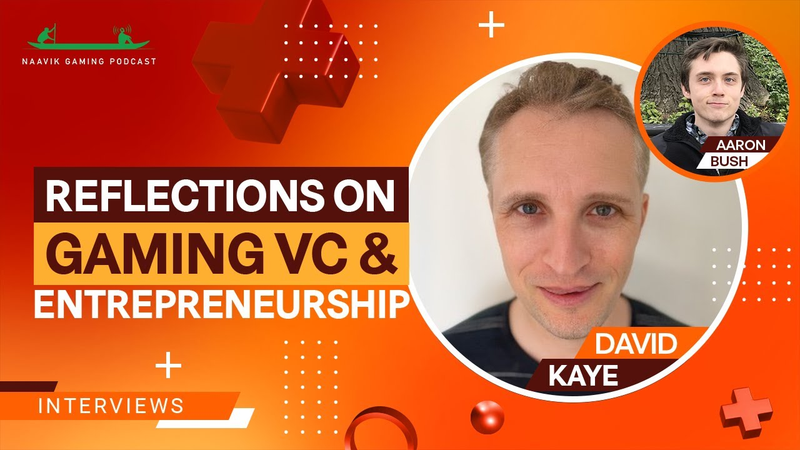
for Game Studios overwolf offers curse Forge for Studios a white label solution that lets game makers and Publishers easily integrate mods safely and seamlessly into their games both existing and new at zero cost it's battle tested by triaa Studios and games including Maxis with the Sims 4 Studio wildcard with Arc take to interactive and others for creators overwolf is the all-in-one platform that enables creators to build distribute and monetize in-game apps mods and Game servers in 2022 overwolf paid over $160 million to in-game creators proving that they truly value the talents and contributions of The Gaming Community you can check out everything over wolf has to offer at overwolf decom or check out the details in the show notes and with that let's jump into the episode hi everyone I'm your host Aaron Bush and today I am excited to chat with David K David is longtime games industry
entrepreneur who more recently became a venture capitalist as the co-founder and general partner of f4 fund as such nothing said here today is financial or investment advice but I wanted to have him on because I find his views on building an investing in gaming startups to be uniquely refreshing and thoughtful now if you heard David previously on our Roundtable episodes or have read any of his essays on substack you probably have come to appreciate his honest takes for what works and doesn't work when investing in gaming how startups can stand out and outperform in today's environment and what the future has in store for our industry we will dive into all of that today but without further Ado David welcome back to the novic gaming podcast thanks Ain happy to be here so as I mentioned we got a bunch of topics to dive into today but really where we should start is just setting the scene um and the best place to begin there is just to learn a bit more about
you so first could you just quickly run us through your career as a game maker and a games industry entrepreneur sure I'm going to give you the very the the 30 second version uh I spent about 25 years as an entrepreneur in games started out making text based online roleplaying games since then have helped to build companies doing uh social games was an advis to some of the early mobile game companies um and then most recently built a more PC and console focused studio called snapshot games that was acquired by embracer in 2020 and uh started the fund um January of last year and if I'm not mistaken your first company you started when you were in high school what was that experience like for you and shaping your trajectory and just like what you learned as a high school entrepreneur because that's super unique it was yeah it was transformative I it came from I I
got kind of addicted to a a a mud called Avalon um this is in when I was like 13 and uh this is pre- internet actually they had a bunch of modems you could dial into and they had some really grotty offices in Camden we' go my friends and I would go there on the weekends and um we uh that was my first introduction to like multiplayer to online gaming you know pre- internet and then I sort of came back to it I was just curious checked in on it obviously it went on the internet a few years later and I met my first first business partner Matt mahaley on that game and we kind of got to know each other and he's like hey I want to make a game and I was like oh cool that sounds like more fun than doing my homework and uh that was sort of uh that was yeah that was sort of the the start of everything in fact actually one of the founders of Avalon it's a guy called Daniel James who um is has been also a games entrepreneur his whole career is based here in San Francisco and is uh he's actually an LP in our funds he's like the person I've known him now for God 30 plus years um
so yeah shout out to Dan for uh for starting me down this uh this this slippery slope no that's amazing and now you as a venture capitalist get to look for the next David K's who are out there building quirky quirky no more I want to find the people who are much more successful than than than than David than me that's the go that's the goal don't sell yourself short there but um understood uh well let's go ahead and and shift gears how did you move into the investing and Venture side of things like when did you first kind of get that investing itch and kind of realized this would be a good um next phase for your career so um years before this um I've done the only other thing I've done aside from starting game companies really is um I also started this community that became a company called gaming insiders and uh yeah we ended up it was was kind of started as a mailing
list for Founders in the games business um and grew into more of a media and events company um but the part of it I really enjoyed the most was spending time with other Founders I got to meet just so many great great entrepreneurs some of whom are you know still still friends and colleagues today you know was uh and so I think my one regret was man I if I had had a fund then to because I I was really be I had a pretty good eye for talent and so uh that was always the back in my mind and then I I knew after after snapshot was acquired I I kind of knew I didn't really want to start another game company um and so s of circled backr to this idea and uh got some encouragement from some from some friends who became LPS and that was kind of the beginning and so now you have F4 and maybe you could tell us a bit about it like how did that come together what is your focus who's the team just whatever whatever context uh you think
sure so4 is a preed and Seed stage fund that invests in the future of media really it's the future of media and Communications I suppose um and uh you know I don't think we need to spend too long on like the thesis but I I sort of my my perception was I I really wanted I I obviously coming from games and my my partner also comes from games clearly that's an area of interest for us but I think the thing that's interesting about games is it's really always been of all the content Industries the first to adopt new technology new distribution models and it's uh and so I think if you spend a lot of time in games it really um and I've always been really interested in media in in the broadest possible sense from you know building stuff on on the the early days of Facebook to just tracking the development of streaming and how all those worlds are increasingly technology driven and colliding in all kinds of interesting ways and I just sort of want
us to be in the center of it nice and maybe you could just share a bit more about like what kind of companies have you invested in so far I think you got you made your first investment about a year ago but how is this first year shaped up for you and you know helping you create your strategy and you know just help like narrow in on the types of businesses that are the best fit for your fund yeah um well it's been a really interesting first year we've learned leared a lot um I mean as far as the kinds of Investments that we've made I would say about a further portfolio is in games um Bey outside of games it's um it's really a mixture of we have a little bit in kind of consumer and social we invested in a in in a dating app called called blush we are um we also are a seed investor in a look how of loyalty and cashback uh business called uh Benjamin that that has has a also has a a strong gaming dimension for
helping Publishers to acquire users using some very unique data that they're able to get access to um I mean that investment is doing incredibly well um so we're we're we're sort of um it's been a it's been great we've been I think we've been we've also the year has been also about learning sounds really bad to say as a as as a VC um but like learning H how to invest but like I I think like yeah how to play the game a little bit I I I wouldn't put it that way because that kind of makes it sound I don't that makes it sound worse than than it is but in some ways but it's more been thinking about in in the same way that you know as an entrepreneur your job is to figure out what you can uniquely bring into the world that is NE that is that is needed um I think as an the great investors also have a very very strong sense of what they're about
and what they bring what they can sort of uniquely bring um and and they can express that both through the the the ways that they work with companies and actually how they structure their Investments as well and so I would say that at the outset I was probably a a bit more naive I was bringing more of an angel I you know I did some Angel Investing prior to this and yeah as an angel you can just be sort of pretty much you can be pretty simplistic about it like oh I like this found I I like this idea uh so yeah I'm going to put some money behind it but I think as a as a as a VC you obviously have to be a lot more sort of disciplined and structured and um I think like that's been a real learning process but I feel really good about the progress that we that we've made um in the year that we've been doing it nice any other big learnings uh for the year well again sticking with the sort of the investing side I think um it comes down to um just discipline around things things that could be you
know you might this might be a really interesting company a great entrepreneur but it may or may not be a good investment depending on all sorts of things um yeah like your entry price and and so I think it's um yeah I go I wrote a piece a little while ago about um about about like what I learned in that first year and I think a big learn a big takeaway it's also learning look we're a small fund right we're a $10 million fund and um that means there are things that we can't do that that you know that the big funds can but at the same time there's a lot of things there's a lot of areas where we can play and that are just don't make sense for a big fund because they have so much more Capital to deploy so in some ways like I don't you know I I I don't envy the huge funds um just looking at the kind of returns they have to that that they're looking for um on the amount of capital that they have it's not an easy job um so I think learning more about how our size
can be you know a real advantage in some ways is has been eye opening nice uh well I'm sure we could talk about learnings much more maybe we'll get to some more later but uh let's go ahead and and zoom out a bit part of why I wanted to have this conversation as I I mentioned in the intro is because you had some like pretty unique and thoughtful takes about investing in the games industry some might dare to call them spicy um and um for example you know maybe a year when you were starting to to invest out of f4 you you were talking about how 99% of games Studios should not raise venture capital and I think you know at the time maybe there were some grumblings about that today it's become as we were talking about before we even hit record that seems to become a bit more accepted and you know what uh you know other investors and Industry at large thinks about but um even so that's a pretty striking comment to make given that you know companies
making the content are the vast majority of the games industry and drive you know a huge percentage of the the entire revenue for the industry and so i' would love for you to break that down more why are 99% of you know game studios not fit for Venture Capital well I think first I'm going to give a little caveat which is that um I'm giving it from the perspective of a VC in terms of like how I think about deploying Capital if I sort of take off my VC hat and I put on an entrepreneur hat um I think the thing to to note is like a not everyone agrees with me and B like your responsibility is as a Founder is like get money like if there's there's funds out there that are dedicated pools of capital to deploy like go after that money like 100% um so like I I'll all right I'll take that hat off and put put the VC back on and I think it comes down to a few a few things I think you just have to understand what venture capital is right
and the core issue I think is that VC is an asset class that is really best suited to industries that can deliver and companies that can deliver very high velocity growth and I think looking at the gaming sector it really only does this periodically and it's usually in the wake of some sort of platform shift driven Market expansion mobile being obviously the the the most recent and the largest in that you know in that in in history really outside of those periods it's historically been quite hard to deliver Venture scale returns if you look at the vast majority of venture go outcomes that have come you know in the last few years it's all come from mobile which was companies building that were in the right place at the right time executed really really well and created a ton of value and and mobile was actually especially preat was uniquely
well positioned to deliver that kind of growth because you could build uh a game relatively cheaply and then if it worked you could pour huge amounts of money into scaling it um which you can actually still well you can't really build super cheaply anymore but you still can pour lots of money into scaling but there's a whole bunch of reasons why I think it's much harder that's a much harder game for startups to play relative to big companies like like scopely um and I think like looking at the game Studio the you know the game Studio thing specifically I I think a lot of the most durable competitive advantages of studios are actually built over time and you know the taking a long time is somewhat is pretty antithetical to the like to what VCS want you to do right that's like hurts their returns and so you know you look at some of the big success stories especially when you look at the sort of the the uh the PC space that a lot of funds
have more recently pivoted into a lot of the studios that ever are on the games that everyone you know really respects and loves you know companies like laran and uh from software and you know companies like this these have all their their their advantages have been built over long periods of time they've built a reput they built a studio brand they built a kind of an understanding in the audience they cultivated an audience for the kind of games that they make specifically they've been able to build internal teams they've been able to build resources tools uh and and the sort of culture of working together and making the getting really good at making the kinds of games that they make and um you know none of that is um is is is is is easy is is easy to do quickly yeah and obviously there's a huge difference between trying to um Pitch A game versus pitch a company uh that have so many more
elements to it but I guess it leads me to my followup which is you know if 99% of those companies shouldn't like what are the traits and characteristics of the 1% that should like what what do you see as making those teams special where they kind of Rise Above the Rest and are more deserving yeah um so I think I'll give a very practical number based answer and then maybe sort of a broader one I think the short the short answer is and like we're a c we invest at preced and Seed so I'd say first of all if you think um you can sell your company for at least 25 times your seed valuation within you know seven to 10 years then think about doing Venture Capital um and I think like and and specifically have really good answers for what elements of your plan and the market make you think that this sort of return this sort of growth profile is is plausible and I think also
you should sort of need to also be honest that like with yourself about do you actually want to do this in this way because there are many game developers including some ones I've just been talking about that probably would love to do this for as long as as humanly possible they don't really want to put themselves on some sort of trajectory where they're looking to you know exit to a strategic investor or to IPO or something like that um so I think the first thing is like what what do you actually so you know what do you want to sign up for and and if it's not some version of that then I think it's probably wise to investigate other other options whether that's you know bootstrapping working with Publishers crowdfunding a you know working with Angel Investors things like this um I would say that the companies that are the best fit for Venture are ones that could ultimately
become something larger than a single game company or or or or or at least can build that game into a platform of some kind that creates an opportunity to have a more uncapped return profile because really like what a VC is looking for is a plausible is a plausible scenario in which you could be worth hundreds of millions or or ideally billions of dollars and that's not going to come from hey we built a really cool game and put it on Steam yeah and also much easier said than done especially when you haven't I guess it's tough to pitch being a platform when you're still at a preedee stage like how do you think through you know those kinds of pitches and opportunities that come along to kind of separate you know what is real and has
potential versus you know what is mostly talk you're right you can't sort of pick you can't come out of the GS I mean there's a lot of companies that do obviously try and build platforms you know right out the gate and and that's that's typically very challenging um I do think that I mean looking at gaming like just focusing on on companies that are actually building games um I I do think it is actually quite reasonable to um expect that we will see more games that so if if Roblox is sort of a horizontal world like a horizontal ugc platform uh I think it's plausible to imagine uh and we have already seen some of these a number of games becoming sort of more vertical worlds so there is actually a game and an audience there to begin with but the game is really built from uh the the ground up to eventually become a place where the players some proportion of the audience can
participate in creating on on that platform and in that game um and I think it's it's reasonable to have that in your you know in your plan um at the earliest stages even if you are making clear that the sequencing is going to be you know that's going to probably happen a bit down the road yeah maybe you can break that down slightly more for us like what exactly do you mean by vertical is it just that users can build on your game or is it a or is there more to it than that also you wrote about this on your substack we've talked about it a few times so feel free to you know tell people where they can find yeah no I I I I did I WR I wrote a piece about I think I think where I coin this this this term Vertical World but like for example um you can imagine a um a shooter for instance like you're and you're with the that comes out with a set of modding tools you're not going to use it to go and create uh you know a platform game uh or
something you know completely outside both the the genre or the um or the theme of of the game but it might come with a set of tools that allow you to create different kinds of shooter experiences or or or levels or missions or stories or or all kinds of different things within that universe so that the the I mean look we've seen this there are there are examples of this happening I mean Skyrim is this really um in a in a way I mean it that's people more creating additional content for the game but I I think more of those can Thrive than I think there's there's going to be a hard there's a hard limit on the number of the horizontal sort of everything platforms that that are that that can achieve any kind of scale whereas I think there's there's a room for quite a lot of winners potentially in the if they're taking a more vertical approach yeah yeah I think that's fair um even just when you look at kind of
the growth in the the modern-day modding community and you know seeing kind of the rise of Premium mods now you know private servers all that kind of stuff what you're saying makes sense and can take many forms uh so that'll be interesting to see how that that plays out so if most gaming companies shouldn't raise Venture Capital um and you know there are the 1% that really stand out I assume are like the more competitive and then there's there's the rest some of which still you know end up raising money in in in some way um you know that has an impact on the valuations that companies have kind of influencing you know just like the state of how investors must think about the market um you recently wrote a piece about why gaming valuations are too high maybe you can kind of tie this all together for us kind of share why that is and and break this down in a bit more detail for the audience
sure so I really have one main job as a as a as a as an investor and that is to deliver really good returns to my investors the limited partners who have who have invested in our fund and at the end of the day that's driven by a fairly simple calculus it's how much are we paying for the stock that we're buying and how much are we able to sell that for on exit and I think when I said that you know what I think early stage you know some of the especially the precede gaming valuations are too high um really what I meant was I did not I feel we see a lot of deals where we do not feel we are being adequately compensated for the amount of risk that we are taking at that stage and and I and I the reason I say that is because as we because we are not just a gaming fund right we invest across media
and Communications we see we see a lot of companies in a lot of different areas and it's really really striking I can get specific in some numbers since we you know GDC was not not all that long ago you know it's still not uncommon to see game pictures for from from game companies where they are looking for a valuation of anywhere from 10 to20 million in some cases at a very very early stage often there's just a pitch deck or maybe something very very rudimentary but really not very drisk and at all and there's also quite a lot of capital is going to be needed and this is just you part that the nature of games to to to drisk the the the investment in any way whatsoever and so for me as a GP I'm looking at that and then I look at other deals that we've that we've done where we can see a company in that's maybe more of a technology
company in in doing something in the media space and they've built a version one product already they maybe already have a few hundred, in you know annual recurring Revenue it's growing you know 30% month on month and they're raising at a you know10 million post money valuation or you know the see some SE our recent seed investment we did which had just you know was was I think at you know we invested at a in the high 20 but they were already had multiple millions in AR and um it just when you put those deals alongside the hey here's my cool game idea um you know pitch deck it just feels sort of irresponsible to deploy uh too much into the latter basically yeah I I think that's that's fair and of course the Everything Changes all the time right and so you know where we are now is different from where we were a year or two ago and I
imagine a year or two from now it will continue to evolve so there's always this you know give and take this push and pull between all the parties that play it where this ultimately you know lands kind of across an entire industry and how it evolves but you know another piece of this I have one I one very experienced um investor I know who uh they they do some gaming but they do a lot of other stuff too he his perspective is that in year or two it'll be a great time to be investing in games because you're going to see a lot of teams that have that raised like large amounts of money and failed and are now like battle tested entrepreneurs and now and who are going to want to build things in a very different way the next time it's just quite quite dark but interesting perspective no I think that's true and you know another way to think about that now is like you know that means like today like there are companies strugg that have raised money
at higher valuations than they should have in the past and are trying to like work through really difficult times trying to find Solutions of where to go next and um you know not all of those companies most of them don't really find that solution unfortunately um and they become the investor or the founders that you're talking about but yeah you know there's also the opportunity for other types of investors in the space um when some of these challenges arrive to to step in whether it's private Equity or something so it's interesting to see how the whole ecosystem kind of you know evolves and forms around all of the opportunities and challenges that are constantly in flux but um another piece of like this equation and that affects valuations um is you know maybe it has to do with interest rates maybe it has to do with like Market sentiment as a whole but it really revolves around this idea that a couple years ago like we were in an era of pretty cheap money like valuations were high it valuations are high it's easier to raise money
using your Equity because you give up less to get more if interest rates are lower you could even raise debt which you know many maybe many not startups are doing that there is Venture debt but um however you however you look at it like money was easier to get um but today it's a lot harder to get which means that there are more conversations like the ones you know we're having right now or that I'm sure you have with Founders about you know some of these valuations are too high they probably should less but if they're less then that also means that what they're raising might be less the way they have to think about building their businesses from Ground Zero is a little different than maybe it was you know a few years ago um could you you know maybe walk us through some of your thinking around this phenomenon if the era of cheap money is over how does that mean you know entrepreneurs today need to get scrappier what does that look like in the games industry curious to hear your thoughts it's interesting the LA the
last the most recent games investment we made was uh which was a preed deal um through our we have a a program called co-pilot where we work very closely with Founders and get much more involved than we would on a sort of traditional investment and it was I think he's quite a good example of the type of person that we're interested in backing which is solo Dev I think he now has like one person helping with art but he was the only artist also for the for the past for the past like year um he based in a um a goo that is not San Francisco you know La New York not not not a high cost goo a little bit kind of further out there and is building very you know quite quite slowly something that has potentially really huge audience at the at the other end of it um but is he's a yeah one of these 10x genius solo devs who was you
know had been in the industry for a very long time and has just been building this thing and um so I think like what what I would the the things that this that that this sort of I would link back to is like build building in in sort of cheap geographies um building a much more systemic than content driven game um I think also that oh so I mean um a game that is not dependent on um large on working your way through large amounts of developer created content so for examp a great example of like a very heavily like borders Gate 3 is obvious actually both it's heavily systemic but it is also incredibly heavily content driven right there's no way to make that game without you know a just a ton of people um basically yeah so whereas a more systemic game would be Minecraft for example um so more systemically
oriented games um I think also have a kind of a word I've been a concept I've been trying to make happen uh from again from my my my substack is minimum minimum viable Fidelity which is I think you see this particularly people coming out of more sort of AAA High Fidelity game production backgrounds is they have they tend to set a very very high bar for like what's what they want to what they want their game to to be to look like and I think that most of the time people shoot too high and if if if you you look at look at some of the big success stories that we've seen like it's it people will tolerate um much shittier Graphics than you um than you might expect and uh and I think really um and I think this also comes back to the point of like why you know why most game developers are not always the best fit for Venture it's it's the distinction between like building the
game you you've always dreamt of building that's the biggest best version of whatever it is you wanted to build versus building a company that can that can really Thrive and one of the ways to do that is you know keep the scope be really ruthless about the scope really Embrace this idea of minimum viable Fidelity and um that might not be that might mean that that what you have to work on first is in conflict with the ideal game that you would make under the best possible circumstances so another potential piece of this is another buzzword that everyone is talking about AI which you know potentially for good reasons right like it could be part of the tooling for these teams and entrepreneurs to get more efficient and be part of the solution in this post Che money era and you know it's a technology that naturally startups should have an advantage in um but I'm curious David how are you seeing startups you're talking to deploying a in new and interesting ways that others
could learn from or you know if some of that is too proprietary maybe we could even just take it in a direction of like how do you think this technology might provide startups an advantage over Legacy inment and make a lot of what you're saying about you know being Scrappy as entrepreneurs more viable so I think there is definitely some at least sort of short-term uh I guess counter position positioning opportunity available to startups um and by that I mean uh I think that the large you know your your sort of Activision blizzards of the world are uh are going to be more reluctant because there's you know a lot of outstanding unresolved issues around legal and copyright and as a startup you're probably more more inclined to just be like well you know whatever like let let people with much larger you know much larger budgets worry about it so you there's an argument that you could say you they'll Embrace these tools much
more aggressively um I do think that it is going to mean even you know some of these 10x developers that I've been talking about you know maybe become 100x developers actually um because they can just do things before that with these tools that were just impossible previously um and so I think like that we we will see I think actually that that really is like the the area of the market which is most exciting to me because you you it's just making making it possible for for for these small teams to do to do to do huge stuff um as far as I I think where I'm still figuring out is to what extent any of this is actually a source of sustainable competitive Advantage as opposed to just a tool that everyone uses in the same way that you know people use better software all the time and it helps them be more productive um I I you know we do have one um investment in the portfolio
it's actually our first investment was series series AI um that really they they are a kind of AI native game studio and they they've embraced a lot of these tools very very aggressively you know building have have really been also building a lot of stuff you know that's kind of proprietary internally and so I think there may be some some companies that just push the envelope as far as like what can actually be done with this in terms of what kinds of games can you now make that were not not possible before but um I I think I'm I'm sort of a little bit reluctant to get too far ahead of my skis here like I I because I sort of find that often I remember if you remember like back when um uh Microsoft was pushing the last Xbox they're making a big deal about cloud and like the cloud was Cloud native console and there be kinds of games that you could just never even imagine because there'll be like hybrid Cloud native things right and like I
think we're still waiting to see like one example of like what all this Cloud this super amazing cloud uh technology and infrastructure enabled from a gameplay perspective so I think I'm similarly sort of um and we do have a studio we do have another Studio that's unannounced investment that's um you know a really great developer that's that's also doing some interesting things with AI and gameplay and agents and that sort of thing but you know it's hard enough to make like a really fun new kind of game play using you know just tried and tested predictable tools and uh AI is like the opposite of that it's like so many of these Technologies like fundamentally non-deterministic which makes them even more difficult to work with in a in a game because games tend to be about systems that that perform you know in somewhat predictable ways um so I you I'm not holding my breath for the next you know crazy big new genre but hey I'd
love to see it I'd hope we invest in it yeah I I don't know what that'll look like either um I have similar hesitations just because AI doesn't replace creativity um it can make things more efficient but at the end of the day it's not the the brains behind like entirely new and interesting ideas maybe one day it will be but that seems pretty pretty far far out there um but I guess I would push back a little bit and saying like I do think that there will be pretty strong relative Advantage for those that do and don't adopt these tools and I think in the same way it's probably easy to overplay how transformative a lot of this technology is in the near- term I think it's also it's easy to underplay just how slow and lethargic the the biggest Publishers um making the biggest games are going to be adopting these tools not just because they're big and slow and like need legal approval for everything but working with big IPS I just kind of been able to pick up like you can't even
touch you know any form of AI tooling generally if you're working with the biggest IPS um uh also just a lot of these large companies AI tooling you know is a lot of employees view it as a threat instead of an opportunity and so it becomes like a cultural issue and you know just imagine trying to adopt these tools while working with a union you know if you're again like Microsoft in in some way in certain parts of their business that's that's going to be enormously challenging and it's going to enable some companies just to move way faster and as a startup you know speed is often the best Advantage you really have and I think that's going to shine really brightly with these AI tools do you agree with that I do agree with you I I think that the thing that kind of maybe the footnote I would add to my original comment is I think I see the the tools as as I think it's going to be about are you able to use these tools to
help you more quickly and efficiently establish some other form of sustainable competitive advantage and to the extent that you're able to do that uh that you're able to use them to do that then yes you can create huge value but the value it's is not necessarily going to come from the AI stuff itself if you see what I mean yeah um another you know term that's been thrown out a lot lately is distrib bution and you know the idea of distribution advantages um which you know that's not new either distribution advantages have been fundamental to gaming in basically every industry ever um for as long as business has has been a thing um and so you know you can look across all sorts of big waves like you mentioned mobile as a form of you know unlocking a distribution advantage or a new form of distribution that really was a rising tide for a lot IND for a lot of companies that were able to unlock value
by doing that but I found that the concept of distribution unlocking new unique distribution that gets talked about a lot more in industries that become more stagnant or slower growing um and so it's not a surprise to see the industry have more of this conversation lately um because it's harder to come by it's harder to unlock you know entirely new forms of distribution advantages but it still is really important um especially when you're building new companies because the whole idea of you know if you build it they will come that almost always doesn't work and you if you want to stand out Above the Rest you have to be thoughtful about distribution um so you know beyond me stating the obvious I'm curious like how you think about that from you know looking at these companies like what types of distribution levers and advantages are you finding like are you seeing entrepreneurs pitching today or that you
wish they were pitching more today um how do you think about this right now the first of the first thing to note is like finding distribution Advantage it's like really hard um yeah and and and sometimes sometimes it's driven by uh developments that are outside of your control to a degree right so you know one I wrote an article recently kind really digging into valve like history of steam and looking at what what it was what was possible what were the conditions that made it possible for valve to make the Strategic move that they did right um and there were things that you know that that at that point in time all all came together to make it possible for valve to build steam um and um you know those those windows don't always open they're not in open indefinitely right um so part of and and it's a good question like what what windows are open are opening you know
now or are open now um that will unlock new potential sources of distribution Advantage if I was going to sort of uh say like where would I be fishing you know where do I think is a interesting place to be fishing right now it might be the web um because the developments that have happened in terms of what kind of proc what sort of processing power is available in just the average computer that someone owns combined with techn Oles um that make it much much POS like allow you to deliver experiences that are really high fidelity and um and beautiful and interactive in the browser um that could create some interesting you know that could create some interesting opportunities right you know you can have something that goes viral and people can share it and all of a sudden you know a million people have have have played your game in in in you know in a handful of days um I kind of remember some of that from the early days of you know Facebook um it might also be that you know I I would also keep an eye on software platforms like Discord you know there might be some
interesting opportunities there um so I think that's that's that's sort of one one thing and and then I think the other as far as like game developers Go De game development goes I think the other another way of thinking about distribution it's not really distribution Advantage exactly but it's it's it's very closely related which is it's sort of finding pockets of audience that are overlooked and uh tapping and thinking how do I how do I reach them and how do I tap into them and um we have we have a portfolio company that is doing that has a very interesting approach to this but that I won't talk about I won't talk about but I will I will share a story I remember from my friend berong verizo who's a really interesting guy um who is uh he's not VC they they invests in a lot of a lot of uh sort of Premium Steam games but has a very uh independent mindset and he talked about getting pitched by the
developers of power wash simulator which you know is a surprisingly large uh or or I guess not surprisingly large when I finished the story um you know game and and IP and he remembered the pitch and the guy basically was like pulling up Google Trends I mean like look how many people are just obsessed with power washing basically I'm I'm butchering this is a third hand retelling of the story but like that was like a that was just a really interesting example of an audience Insight that was like okay they were not there's a million people trying to make the next you know mobo or whatever and like oh no there's no but there's zero games about power washing and yet there's loads of people that are really interested in power washing and we think we can build something for them and um you know that is a an audience in some ways you know you could look at in some ways you could look at this the story of Riot games as being a little bit of that as well right there was a sort of observation that that that that
Dota 2 was sorry not Dota 2 that do the original DOTA mod was this massive audience that was fragmented across all these different games and really their strategy was we're GNA we're going to roll them all up and U it was part of their so it was part of their distribution strategy was part of their product strategy and so I think uh thinking always about audience and where who are these audiences that are underserved that are maybe not and and where where do they hang out where can I reach them you know cheaply um that's also I think closely related to this idea and then you know you obviously have to have a plan that allows you to then build some some a strong you know competitive position with off the back of that distribution advantage that you've identified otherwise it gets you know Mitch lki talks a lot about this you know otherwise it just will get arbitraged away um and so um that's the that's the other piece of it yeah you also wrote a good piece about the seven powers and how it applies to
gaming companies especially at the early stages and I feel like a lot of these conversations that we've been having kind of around getting Scrappy AI unique forms of competitive Advantage it all it all kind of ties into this so maybe you could share briefly what the seven Powers idea is and then which ones apply to gaming Founders in interesting ways yeah um so the SE seven Powers is it's from a book by uh a guy called ham Hamilton Helmer and um it's really a framework for thinking about where sustain where Moes come from it's a sort of a taxonomy of different kinds of Moes and you know the reason that these that these Moes are important is most businesses it's a you know a main point I'm making this article is that you know we we we're encouraged to think about competition as being you know part of your job as an entrepreneur is to compete really effectively and if you're really good at competing then you then you can win and build a valuable company
but the sort of the more accurate way to think about competition is the most valuable companies have found ways to escape competition um they're not competing on a Level Playing Field with everyone else right and uh because if you're competing the more competitors you have the the more likely it is that you are going to be forced to your prices are your profits are going to be driven down but because there's just so many other places that people can get a comparable you know product or service or experience from and so um the seven powers are basic basically a list of these different forms that this that these modes can take and um they are there scale economies Network effects counter positioning switching costs branding cornered resource and uh process power and I will not I'm this is not going to be a seven we'll be we'll be on this podcast for another three hours if I if I take you through the whole thing but um the I think the other point key point is there are different
powers that are available to companies at different stages in their in their sort of evolution and so for us as like a a venture investor um I think it's the one that that most apply to startups are and I think there's one really important one which is counter positioning which is you the idea that you can as a newcomer adopt a super a business model that is superior to the incumbent but they won't or can't copy it because of some sort of anticipated damage to their existing business um so think we talked about AI a little bit in this framework right like startups can probably embrace it more aggressively than incumbents um because incumbents have got a lot more to lose they're the ones who are going to get sued um you know in big lawsuits and so if you if you if you embrace all these tools really aggressively you're going to be probably be making games at a you know 1% of the co one five 10% of the cost of of big company um so um but
then as these as you sort of um as the as companies evolve they tend to build um other kinds of of Moes that make it really hard for other people to compete with them so in games you know I would say Network effects are very are are quite quite a common quite a common one network effects and also scale economies and network effects being you know if you have a game that Clash Royale which I used to play you know a lot of right they have a they have a huge Network effect in that you know the idea of a network effect is that the the the whole platform becomes more valuable with each addition with with each incremental user that is added to it um and in the case of a game that can be because um it helps with player liquidity it also means uh other kinds of things around the ecosystem become more interesting you know like you can build an e Esports ecosystem around it for example um so things like that I think another one that's that's that's sort of uh that's
built into games a lot is uh switching costs um so you know the longer you spend in a particular game yeah you and you're building a kind of whole collection of stuff you're probably reluctant you know all these skins and so on you're sort of reluctant to move on from them um and then um and then like another couple that are very relevant to game companies that are kind of more later stage ones that you know going back to the earlier point in our conversation these are things that evolve over a long period of time are brand and pro process power so brand you know you you really there's no shortcut to building a brand like you can't build a brand quickly like brands are only Built by repeatedly sort of fulfilling a promise to a group of people um over over a long period of time and um and then process power which is you know there are some games that are just incredibly that certain studios are just much better at making because they have done so much to build infrastructure resources um to make those games well
yeah we could spend a lot of time digging into all of those but I'll I'll kind of fold this into a much simpler question which is given all of those advantages given all the technology Trends we've talked about given the state of venture in the games industry um based on all of that like what do you see as underhyped or undervalued in the state of gaming today I will tell you I'm going to answer a slightly different question um okay which is like less but thinking again about this idea of like what's going on right now that is a disruptive environment you know shift that there I would I would want to as a Founder investigate and the one that brings to mind for me literally like today because I think it was announced like maybe just yesterday I think this this this move that meta has made to open up um their VR operating system and to sort of pivot into becoming the sort
of Android of a v i mean I realize that that that the OS is actually is a fork of Android itself but this idea that it's going to be moving away from this apple like vertically integrated closed ecosystem and there's going to be different kinds of devices with focused on different sorts of things that's the that feels to me at a gut level like oh things are being shaken up a little bit here um and there might be really interesting that creates that's going to just you want you know inventure and as an entrepreneur you want you know someone to come along and shake the the the the you know the snow globe weird analogy but you know what I mean you want you want you want things to be kind of shaken up a little bit and like that to me makes me think whereas we've not yet made a VR investment and I I speak as someone who was a very early Enthusiast we were I think you know gaming insiders we were one of the we maybe hosted the first public demo of
like the first like developer version of the of the you know the the dk1 or whatever it was called um and um and so but but you know I think VR has consistently failed to fulfill the the kind of the expectations that certainly we as Venture investors need to in order to underwrite you know making a company hitting that kind of growth trajectory that we want but I might I might be tempted to re evaluate that in the B you know in in the light of of of what's Happening you know what what what may come in the wake of this whereas I think actually I was pretty I was kind of keeping an eye on Vision Pro but I think Vision Pro in its current form looks pretty Dead on Arrival actually in terms of something that's that's a that's a developer ecosystem that's going to be at all interesting in any way um so you know that's kind of top of mind for me this week yeah let's no where thought you were going to take that so it's really interesting I mean I'm I'm pretty bullish on both uh meta from here and
open sourcing their platform makes a ton of sense um and I think that even if you you say that the The Vision Pro is Dead on Arrival there's a lot of levers Apple can pull to you know it system but yeah it's exciting like this is like the next clearest wave of consumer Tech that you know as you say it shakes the snow globe um and where there's chaos there can be opportunity so um so really interesting as Littlefinger would say chaos is a ladder indeed well said um well cool I guess you know another question I have you know given all the things we've talked about too the the trends the technology state of the market um how does that impact not not just the kinds of companies that you're looking for but like the way that you approach you know constructing a portfolio as a venture firm right now how how are you thinking
about that bigger picture it's figuring out there's two there's really two two kinds of investment that we make so we invest at precede and when I say precede I really mean it's it's Inception stage right the company maybe has raised zero outside money or maybe a tiny amount from friends and family um and there what we've sort of realized and and what's quite interesting precede is there's actually this huge range of valuations and expectations amounts of money that people raise and um what we have concluded is what makes sense for us coming back to like what is our own unique you know what are our own unique competitive advantages well both yokam and I spent you know 20 odd years as as as Founders and so we sort of took the decision that our preed investing is going to be done exclusively through a program uh we call co-pilot which basically involves us rolling up our
sleeves sitting down with an entrepreneur helping them really work through their plan for the business and how it's how it's going to be funded their pitch how they're going to tell the story of their company and make it in a way that is compelling to uh People Like Us basically and then their process their fundraising process so we'll actually actively get involved and reach out to VCS that we think are a good fit for the kind of thing that this company is doing and we'll we'll kind of give our own pitch as to why we think that the other company is worth worth meeting with and and in exchange for doing that it's kind of all sort of guess services for Equity but the way we structure it is we get a really compelling um entry price like a really much much lower than some of the preed value and we see a lot of stuff as I've mentioned you know we see a lot of stuff where there's really nothing more than a pitch deck and they're already trying to raise it you know 10 Mill you know pre money plus but nothing's been der risked and so for us um we
don't really want to do deals like that we want to instead at the very early stage kind of use our entrepreneurial muscles to to help influence that early trajectory of the company and earn the the know that really good Equity position the other thing that it allows us to do from a sort of a an investing perspective is most of the time when you if you're talking to a company during a fund raise that's a very constrained period of time during which to get to know you know some Founders right um maybe you have a couple of meetings two three meetings um and then you do you know you do your reference checks and you you make a decision and if if the round gets competitive you know things can can move very very quickly and you know one advantage here is we can really get to know people outside of that typical fundraising cycle and that's something that we can use then to inform our future you know we can we can reinvest if we if we feel like um you know are going really well we have you know you can't you can't trade on Insider information you know in the
public market but you absolutely can and you want to in the private markets right and so it's a sort of a way for us to develop like stronger conviction by just having a working relationship with Founders and so we sort of thought okay we want to do that as our preed investing and then seed we invest on Market terms we're happy to pay up you know qu quite meaningfully if if if there is strong evidence of product Market fit and real traction that we can evaluate um and so and we we sort of don't want to do anything in between and we found that to be quite clarifying um because just the nature of venture is you know we probably see I we probably see 1,200 companies a year at least um and you want it's important to have some sort of heuristic that allows you to Focus your brain power on just the things that are like relevant for you um and this is a
good way for us to do that that's exciting um and a really unique approach and I'm excited to learn how that goes over the next few years and kind of what you learn by by getting into the trenches in a deeper earlier way um than other investors um I also want to give you a chance just to to quickly you know uh pitch this um to to any Founders here who are listening like what what kinds of companies are like the best fit to you know either get investment from you guys or to even kind of consider working with you in the the program you mentioned super early stage yeah um so look we're really excited to meet Founders like some of our investments we we made we we we started talking to the founder even before there there was a company um and so that's you know that's totally fine with us um we invest as I say in the the future of media and Communications um we love gaming
Founders that you know games is so competitive and like so much about gaming is learning how to do incredibly good go to market and how to build highly engaging products I think there is huge opportunity for Founders to take those skills and apply them in all sorts of other domains there been a lot of success stories from Founders from games taking their those skills and building great companies elsewhere we we we'd love to do more of those um I would say on the gaming look we do invest in games I think we're particularly excited about the more sort of solo developer um doing something a bit weird um again we really love people who have a unique audience in sight um and so you know we're still very much open for business on the gaming side even though we do a lot of other things as well and um and uh I I think beyond that we're we're pretty open you know we we try and get a response to everyone that pitches us um just because I think it's a Founder who always frustrated me to sort of be feel like I was firing emails into a black hole so it it it might just be a quick
no but a quick no is a lot better than nothing so we'll um you don't ever don't hesitate to reach out um yeah as I say we're really excited in both in the super early stage working with Founders in a very personal way and then if you're at seed and you know things are really going going well then um you know we'd love to talk to you as well of course like us and every other VC on the planet particular but particularly if your if if if your business could be accelerated by in some way by really strong access into the sort of the gaming or the media ecosystem broadly then we can be very helpful there too yeah no no downside in reaching out if people want to to do that where is the best place to connect with you or reach out um you can email me I'm David F4 uh do just letter F number four. fund uh similarly our website f for fund f for. fund has a uh a pitch form which we you know we do look at everything there um so either of those two ways are probably the best um and David one last question
I I've talked about your writing a bunch on this episode um for those that want to get your your essays and read them as soon as they come out where should they they go and subscribe to that uh you can just go to David k. and uh it'll take you to my substack cool yeah I strongly recommend it I'll also include the the link to that in the show notes so you can see it very simply and easily there um but with that David I think that's the perfect place to wrap up thank you as always for for joining me on the podcast here it's always fun talking to you and hearing about what's on your mind and best wishes to you and F4 going forward thanks Aaron it's been a pleasure if you enjoyed today's episode whether on YouTube or your favorite podcast app make sure to like subscribe comment or give a festar review and if you want to reach out or provide feedback shoot us a note at podcast nov. or find on Twitter and Linkedin plus if you want to learn more about what navic has to offer make sure to check out our
website www.nic.edu and advisory Services again that is www.nic.edu [Music]
Auto-generated captions from YouTube — names and numbers may be misheard.




















Comments