1 free read left. Create a free account for unlimited reading + AI research.
Create free accountArticle How To Market A Game
1 free read left. Create a free account for unlimited reading + AI research.
Create free accountArticleHow To Market A Game
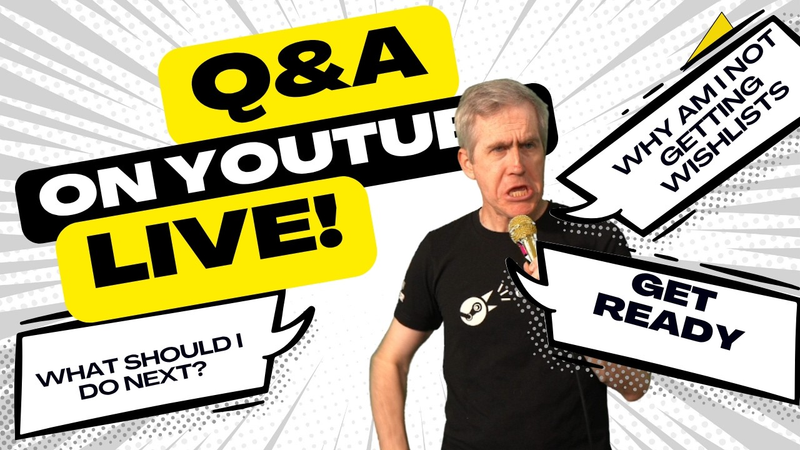
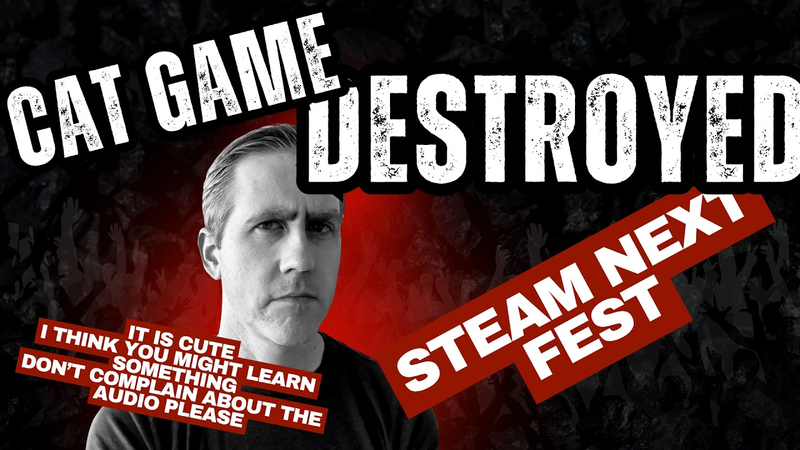
This analysis provides strategic guidance for independent game developers regarding Steam marketing, wishlist acquisition, and community management. The primary thesis emphasizes that developers should focus their efforts on high-impact channels—specifically Steam festivals, TikTok, and streamer outreach—while avoiding low-yield activities like Instagram or responding to unsolicited key requests from potential scammers. The findings are based on a survey of over 100 games and industry data regarding Steam algorithm behavior.
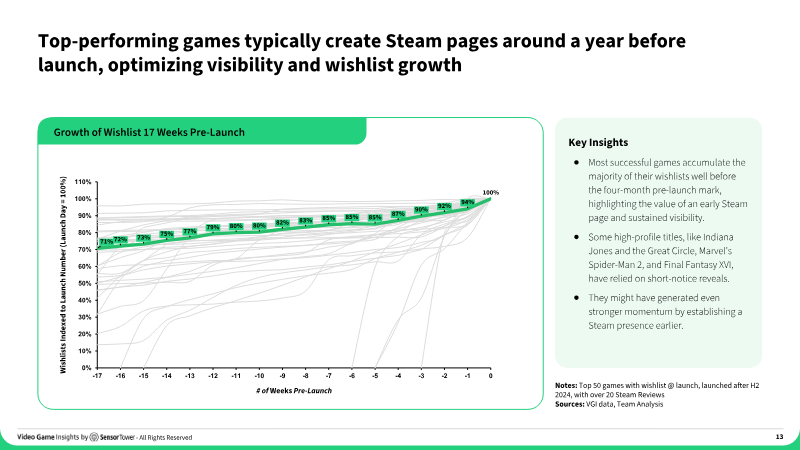
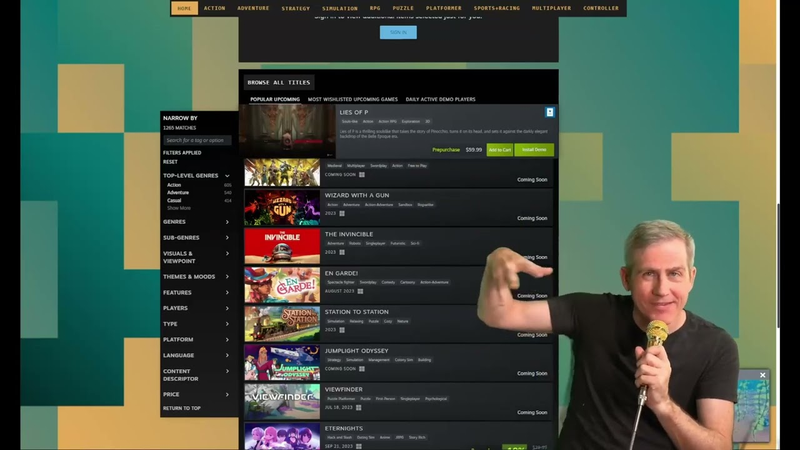
Key findings indicate that wishlist velocity is the most critical metric for success, with a target of 7,000 wishlists required to trigger Steam’s internal promotion mechanisms, such as the Popular Upcoming widget. Developers are advised to launch their Steam "Coming Soon" pages at least six months before release, ensuring they have a gameplay-focused trailer and a clear understanding of their game’s genre and art style. The analysis clarifies that click-through rates are often misleading, as high-performing games frequently exhibit lower rates than underperforming ones; therefore, developers should prioritize weekly wishlist growth over vanity metrics.
Regarding community infrastructure, the guidance suggests maintaining a single studio-level social media account and Discord server rather than creating separate entities for individual titles. This approach facilitates long-term audience retention across a developer's entire portfolio. Furthermore, the analysis notes that itch.io serves as an effective testing ground for prototypes and demos, though it is not a primary revenue driver compared to Steam. Ultimately, the advice encourages developers to remain persistent, ignore bot-driven download counts, and avoid delaying launches due to competition from AAA titles, as Steam’s ecosystem is sufficiently large to support concurrent releases.
Each row is a game or company this document names, each column a document, oldest first. A mark means that document names it. Select a row to see those documents.
How To Market A Game · 2026
How To Market A Game · 2026
How To Market A Game · 2026
How To Market A Game · 2026
How To Market A Game · 2026
How To Market A Game · 2026
How To Market A Game · 2026
How To Market A Game · 2026
How To Market A Game · 2026
How To Market A Game · 2026
How To Market A Game · 2026
How To Market A Game · 2026
Deconstructor of Fun · 2026