1 free read left. Create a free account for unlimited reading + AI research.
Create free accountWhitepaper Purdue University
1 free read left. Create a free account for unlimited reading + AI research.
Create free accountWhitepaperPurdue University
Effective help facilities are essential for enhancing user experience and creative output in game-making software. By analyzing 85 industry titles and conducting controlled experiments with 1,646 participants, research confirms that the design of instructional support directly dictates how effectively users learn software controls and maintain motivation. While text-based documentation remains the industry standard, appearing in nearly 90 percent of surveyed titles, it fails to provide the cognitive support necessary for optimal performance. Instead, active learning formats that allow users to practice skills while receiving guidance yield superior results.
Interactive tutorials and video-based instruction emerge as the most effective methods for improving both user engagement and the quality of final game artifacts. These formats significantly reduce cognitive load compared to static text or intelligent agents, which show minimal impact on performance. Despite the prevalence of traditional documentation, the data suggests a clear disconnect between current industry practices and the pedagogical needs of users. Prioritizing these high-impact, active learning tools is critical for developers aiming to lower the barrier to entry for creative software.
Providing an abundance of choices is counterproductive, as offering multiple help types simultaneously leads to decreased engagement and inferior outcomes. Developers should avoid overwhelming users with complex, multi-faceted help systems and instead focus on integrating single, high-quality, linear tutorials directly into the software environment. By shifting focus toward interactive and video-based guidance, developers can foster a more intuitive learning experience, ultimately empowering users to produce higher-quality creative work. This evidence-based approach to instructional design serves as a blueprint for improving the usability and accessibility of future game-development tools.



European Conference on Games Based Learning (ECGBL) · 2026
DiGRA · 2026
DiGRA · 2026
DiGRA · 2026
DiGRA · 2026
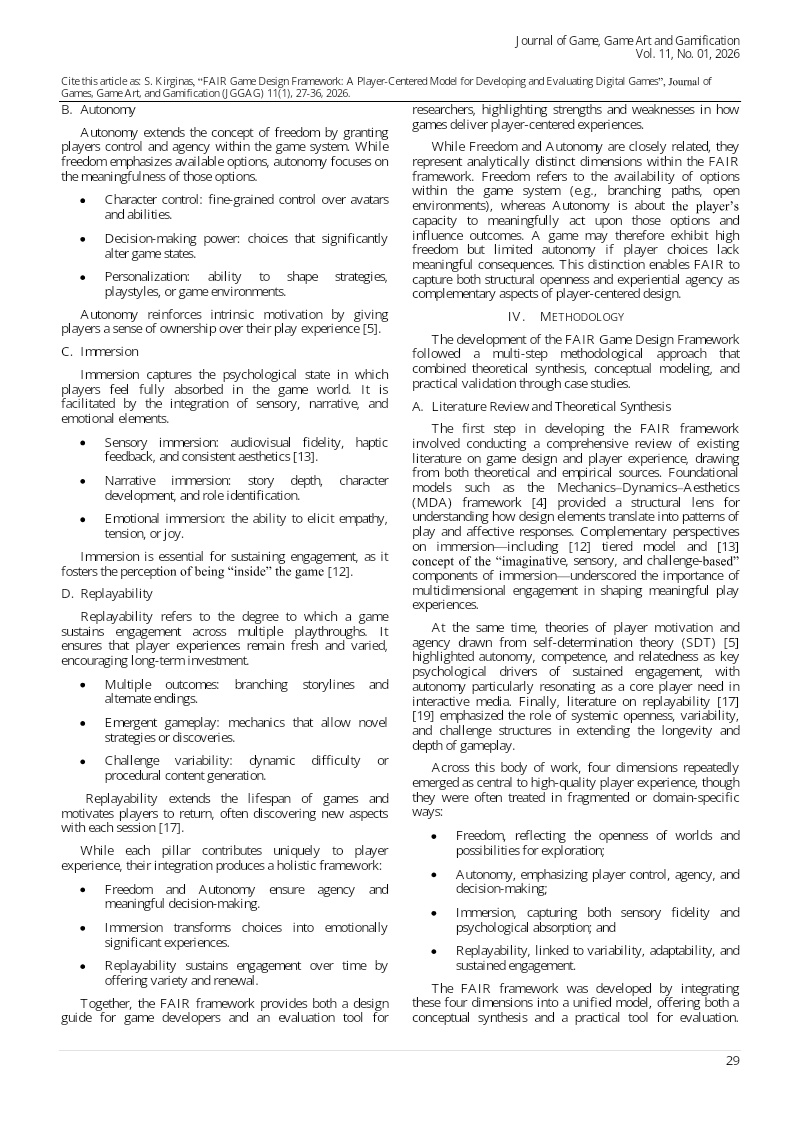
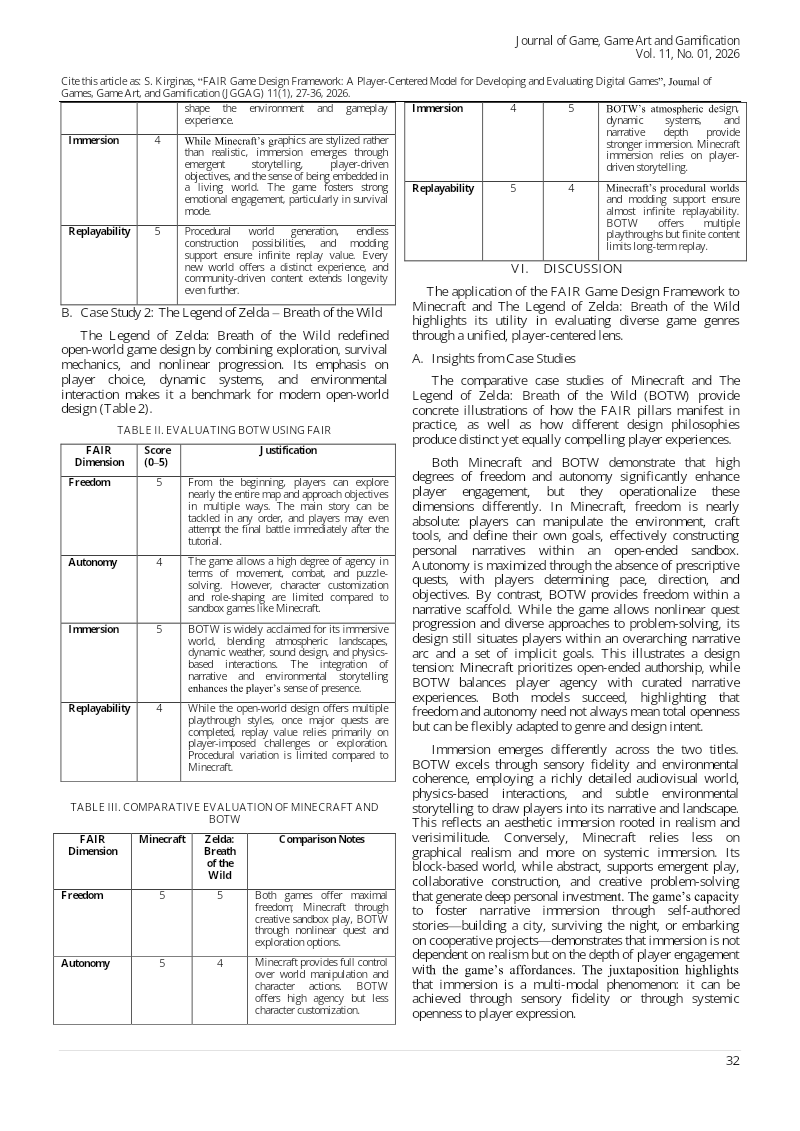
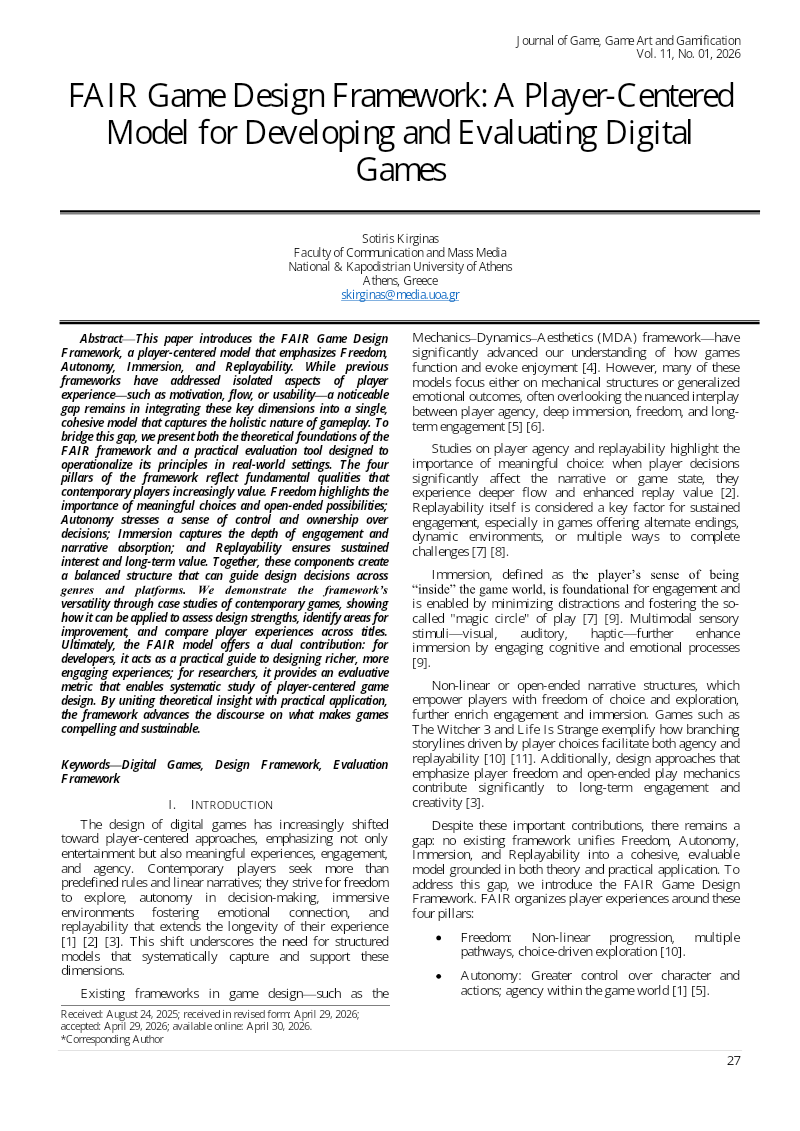
Kapodistrian University of Athens · 2026
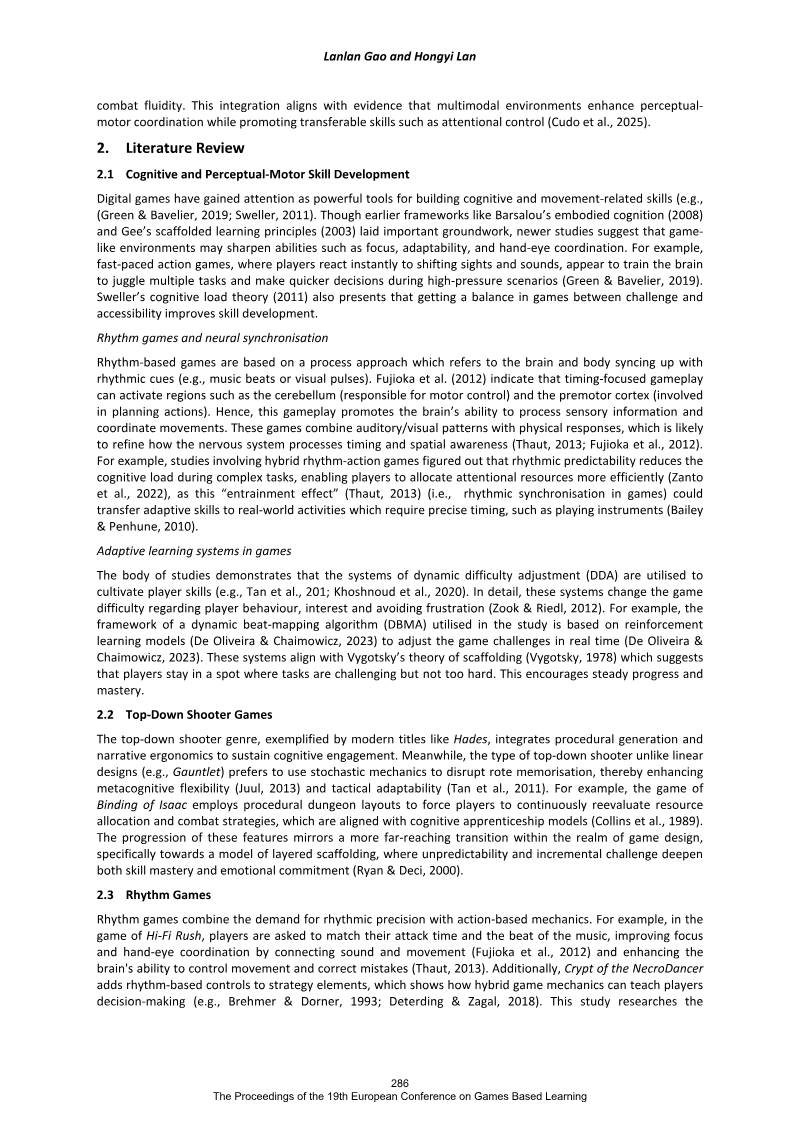
European Conference on Games Based Learning (ECGBL) · 2025
Journal of Games Criticism · 2025
Thomas Brush · 2025
Extra Credits · 2025

Thomas Brush · 2024
ACM CHI PLAY · 2024