1 free read left. Create a free account for unlimited reading + AI research.
Create free accountArticle Eludamos: Journal for Computer Game Culture
1 free read left. Create a free account for unlimited reading + AI research.
Create free accountArticleEludamos: Journal for Computer Game Culture
It does not come from game texts alone or from designers' intentions.
This article proposes "emergent ecological dynamics" as both a conceptual framework and a methodological approach for ecocritical game studies. Its central argument is that ecological meaning in videogames arises primarily from the contingent, lived experiences of play, shaped by assemblages of players, technologies, communities, and material infrastructures, rather than from game texts alone or from designers' intentions. The author situates this shift within Anthropocene and Capitalocene debates and within a growing scholarly interest in player agency, play as relational practice, and ecoplay.
To make these ephemeral encounters analyzable, the article proposes player-created paratexts such as gameplay videos, screenshots, fan art, memes, forum posts, and written accounts as legible traces of emergent ecological experience. Drawing on assemblage theory, emergence theory, and paratext scholarship, the author treats these materials relationally, avoiding any hierarchy between official game texts and user-generated ones. The article also emphasizes the material footprint of digital play, connecting games to resource extraction, energy consumption, and electronic waste.
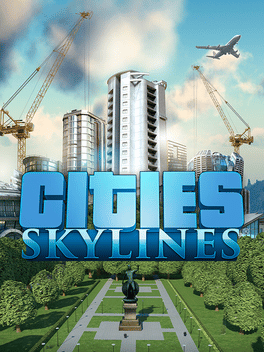
Case studies including Cities: Skylines, EVE Online, ABZÛ, Battlefield 2042, The Sims 4, and Red Dead Redemption II illustrate what paratexts reveal. They expose links between games and wider ecological, historical, and ideological conditions, indicate varied levels of ecological awareness among players, and communicate affective states such as nostalgia, comfort, and helplessness. Many of these ecocritical encounters were not anticipated by designers, which the author cites as justification for an ecomaterialist approach to game studies centered on emergent phenomena rather than games-as-texts.
Eludamos: Journal for Computer Game Culture · 2026