More on Serious Games
View all
Whitepaper
Prisoner of Words: Lessons Learnt from Mobile Gamification of Lab Memory Experiments
Association for Computing Machinery · 2021
Whitepaper
Realizing a Mobile Multimodal Platform for Serious Games Analytics
Technical University of Darmstadt · 2019
Whitepaper
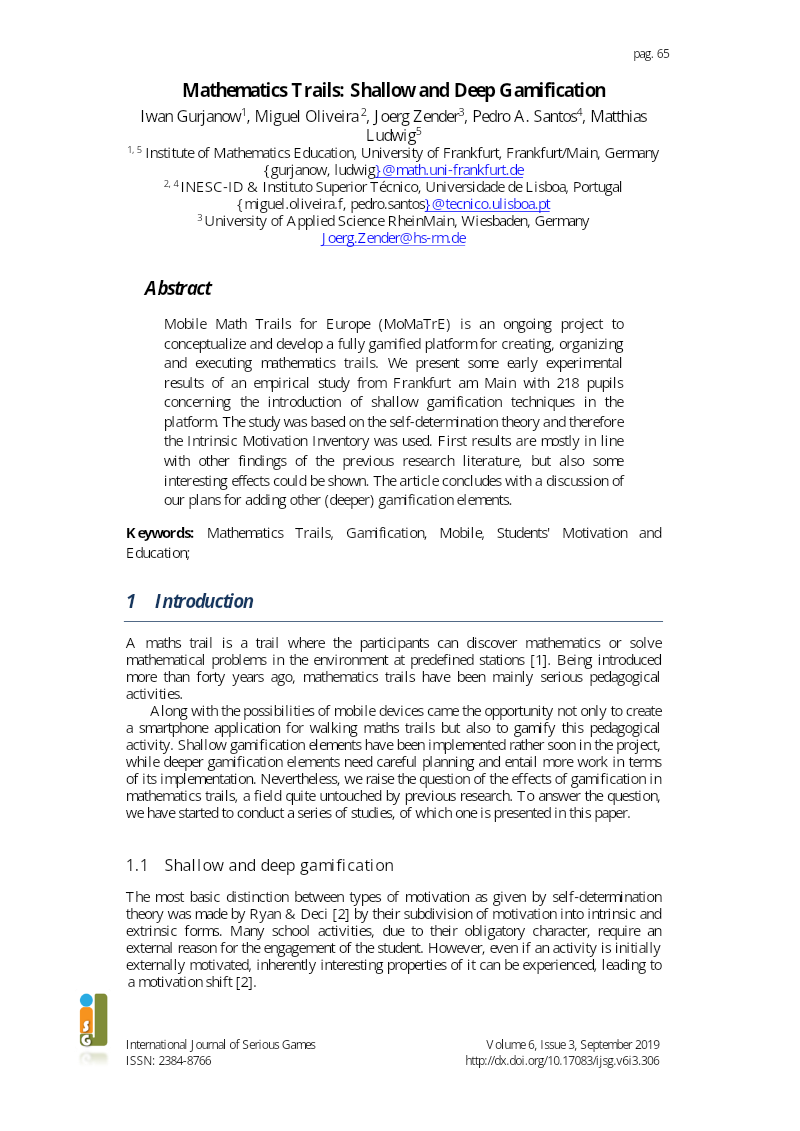
Mathematics Trails: Shallow and Deep Gamification
International Journal of Serious Games · 2019
Whitepaper
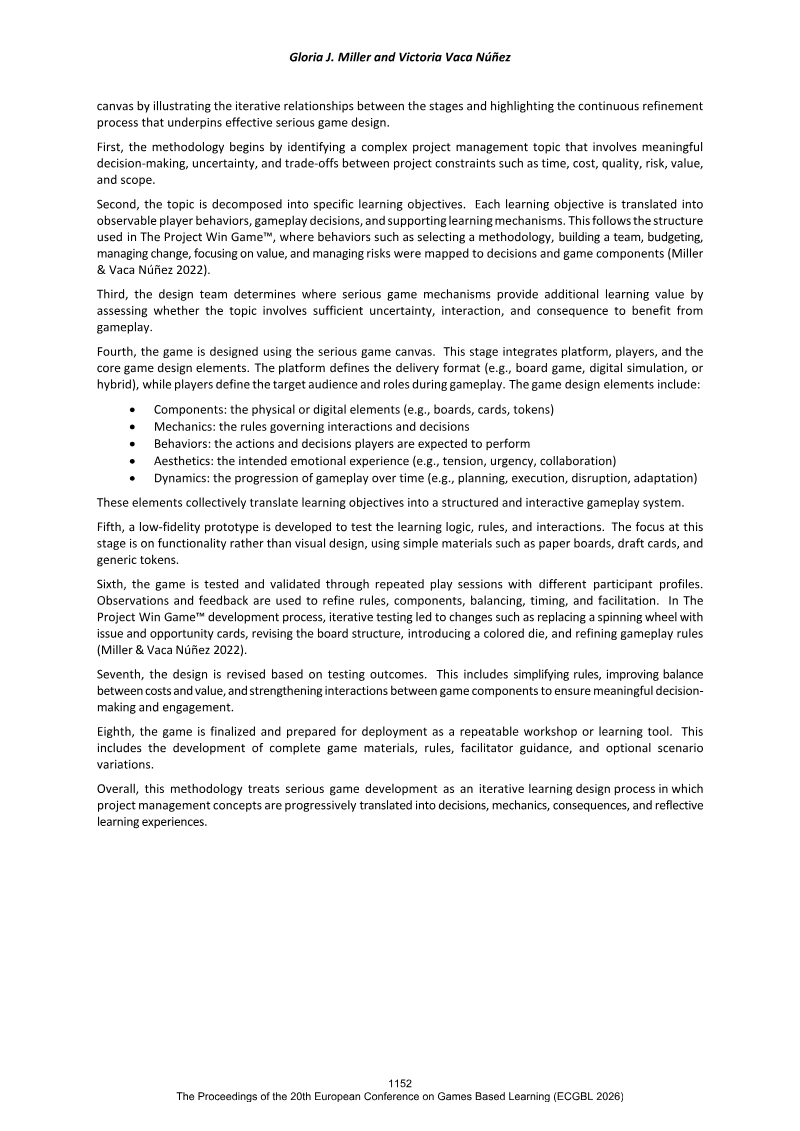
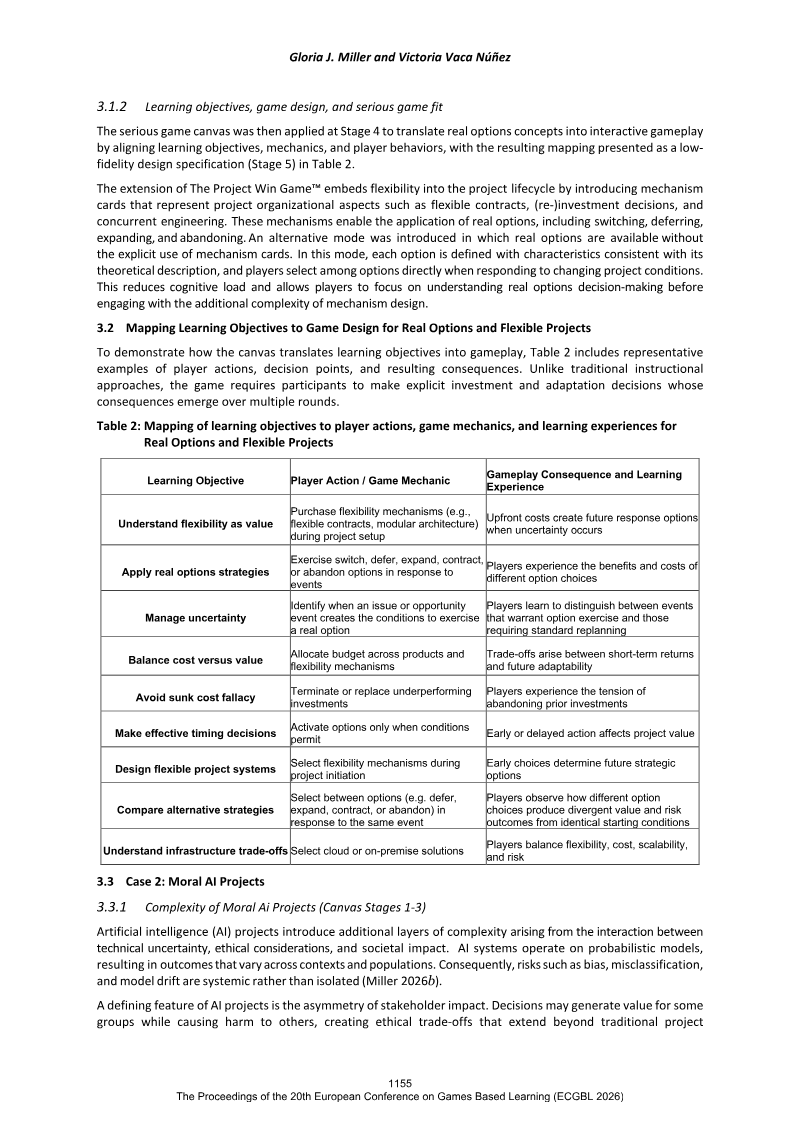
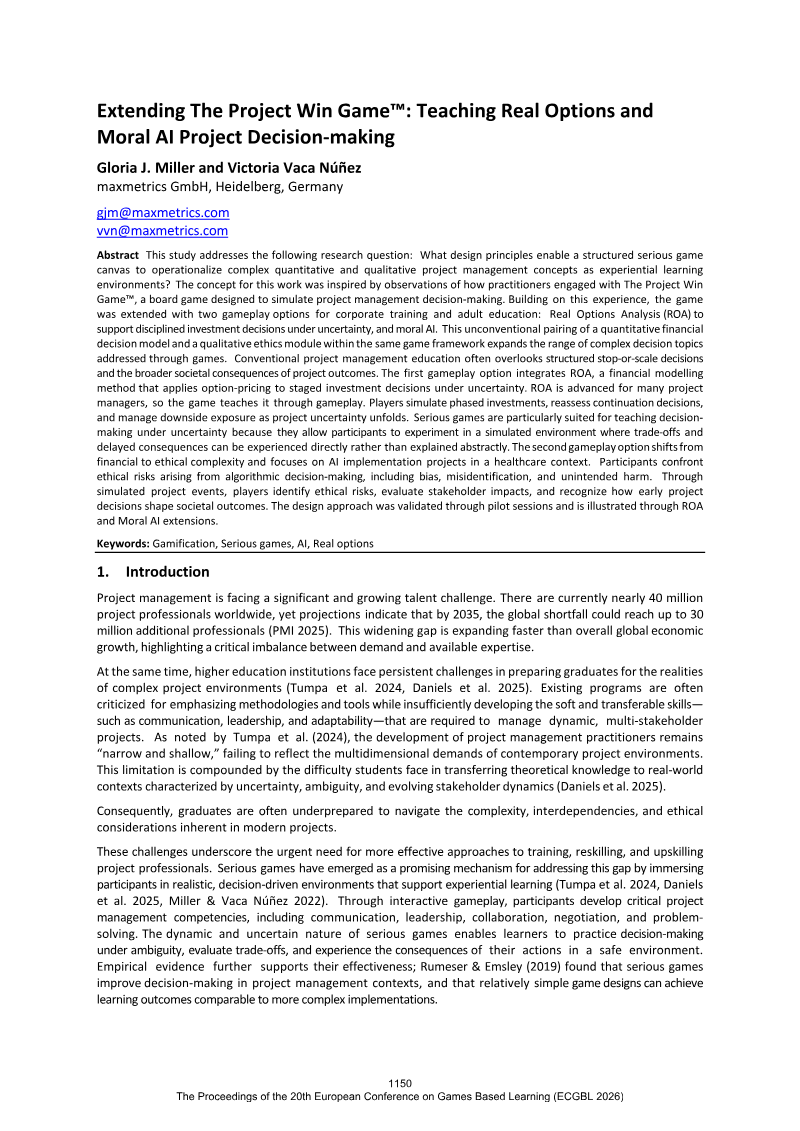
Extending The Project Win Game: Teaching Real Options and Moral AI Project Decision-making
maxmetrics · 2026
Whitepaper
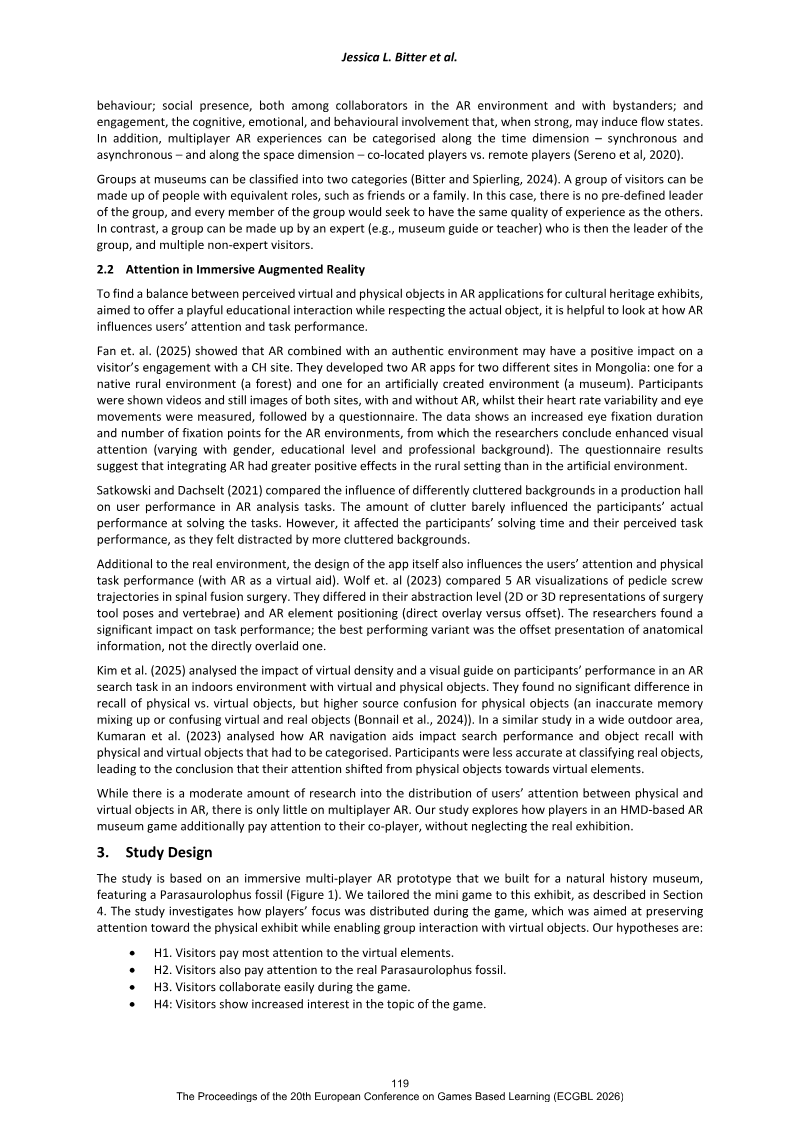
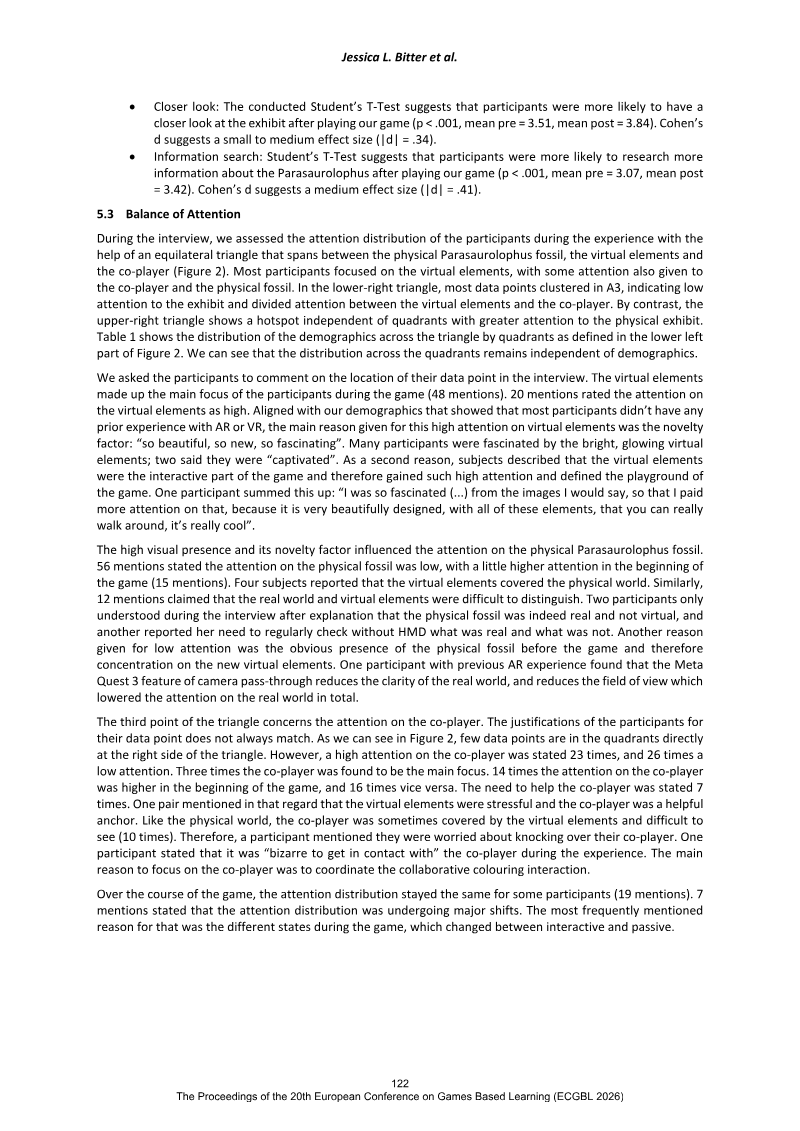
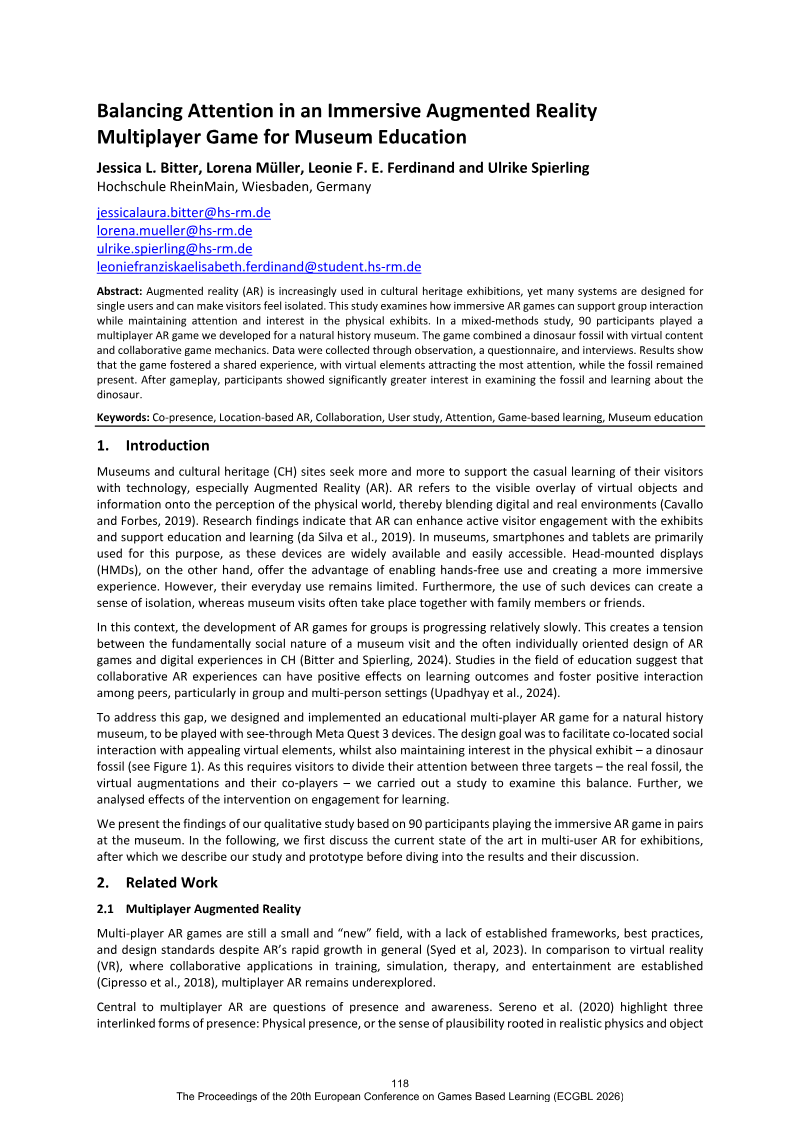
Balancing Attention in an Immersive Augmented Reality Multiplayer Game for Museum Education
European Conference on Games Based Learning (ECGBL) · 2026
Whitepaper
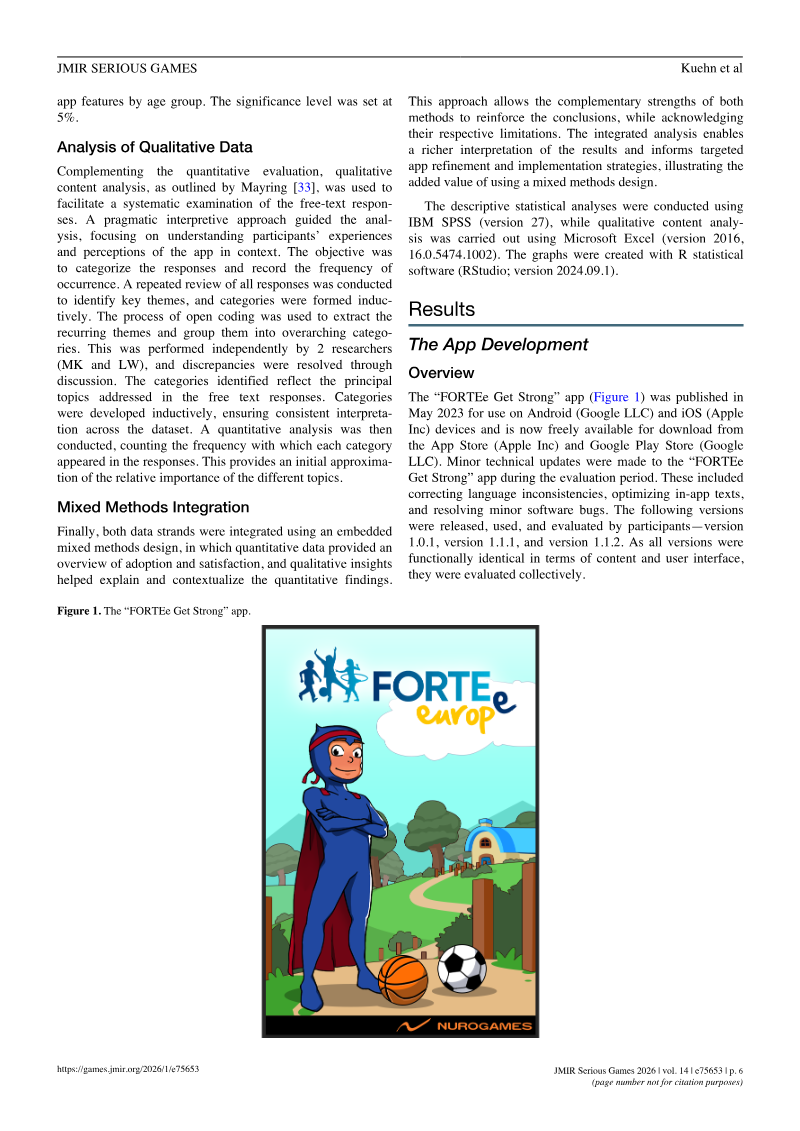
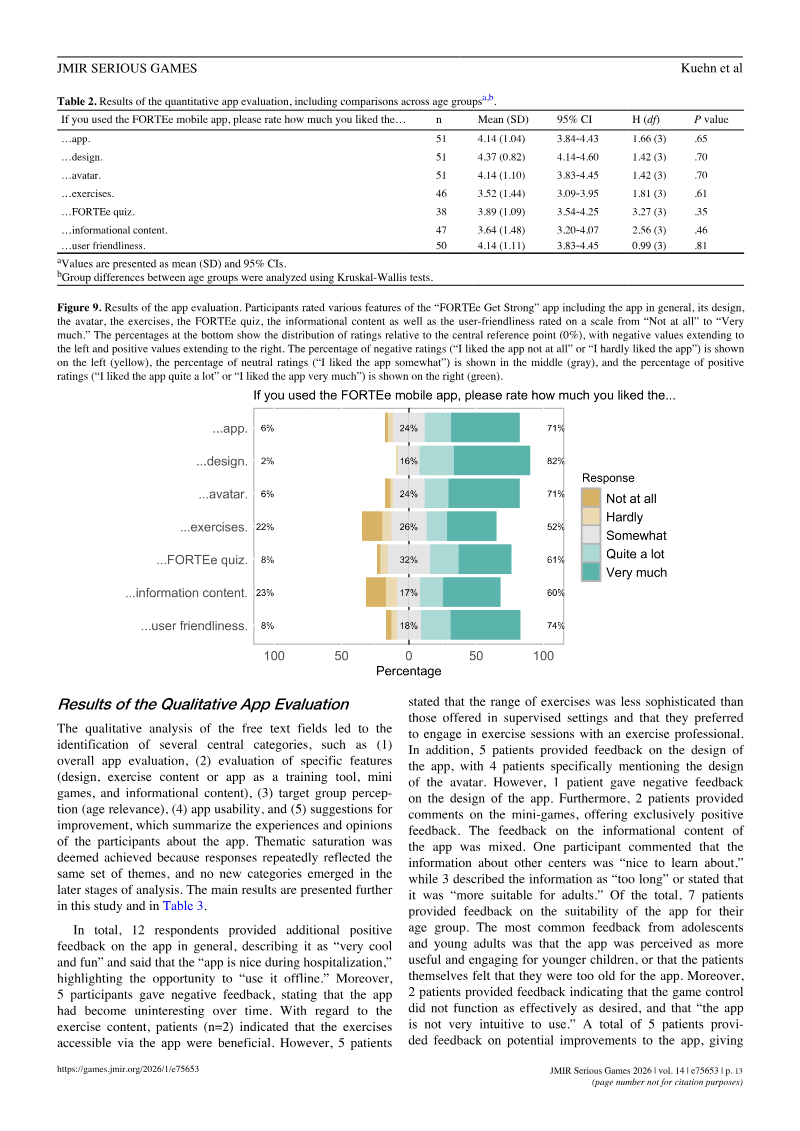
Development and Usability of the “FORTEe Get Strong” App: Mixed Methods Study
JMIR Serious Games · 2026
Whitepaper
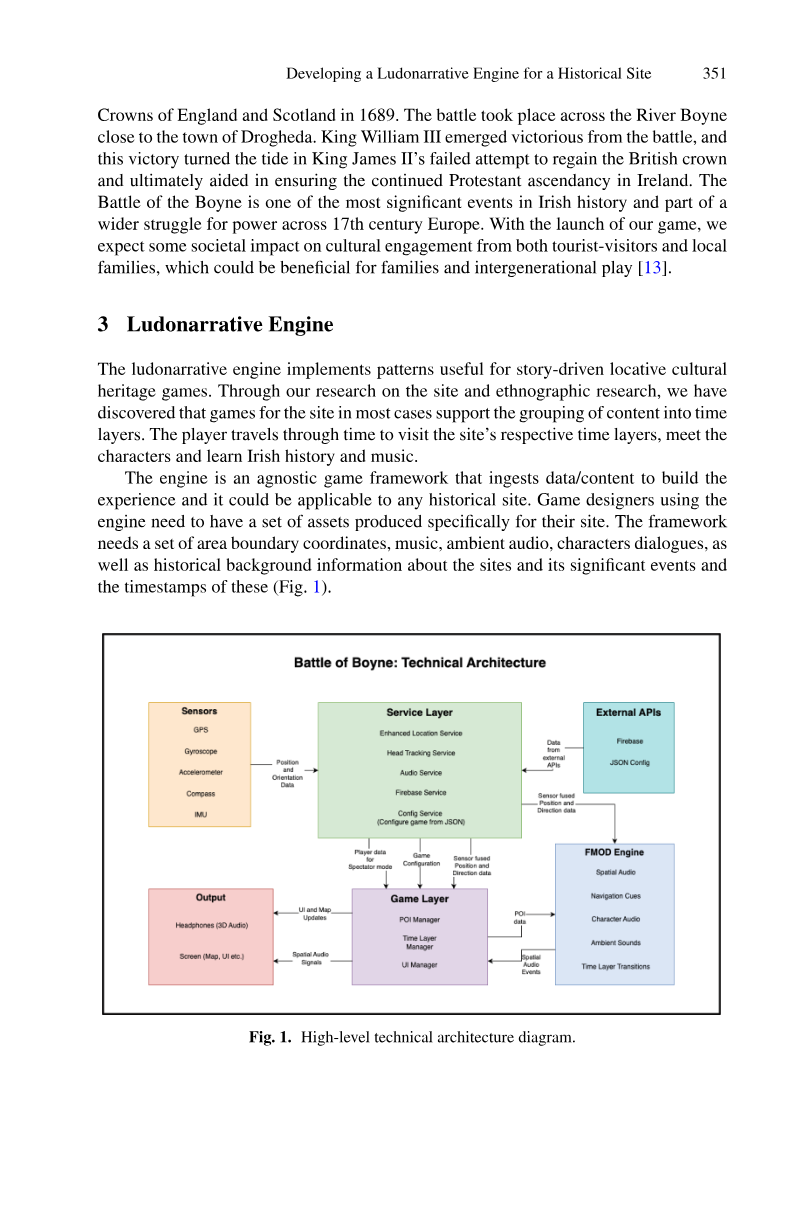
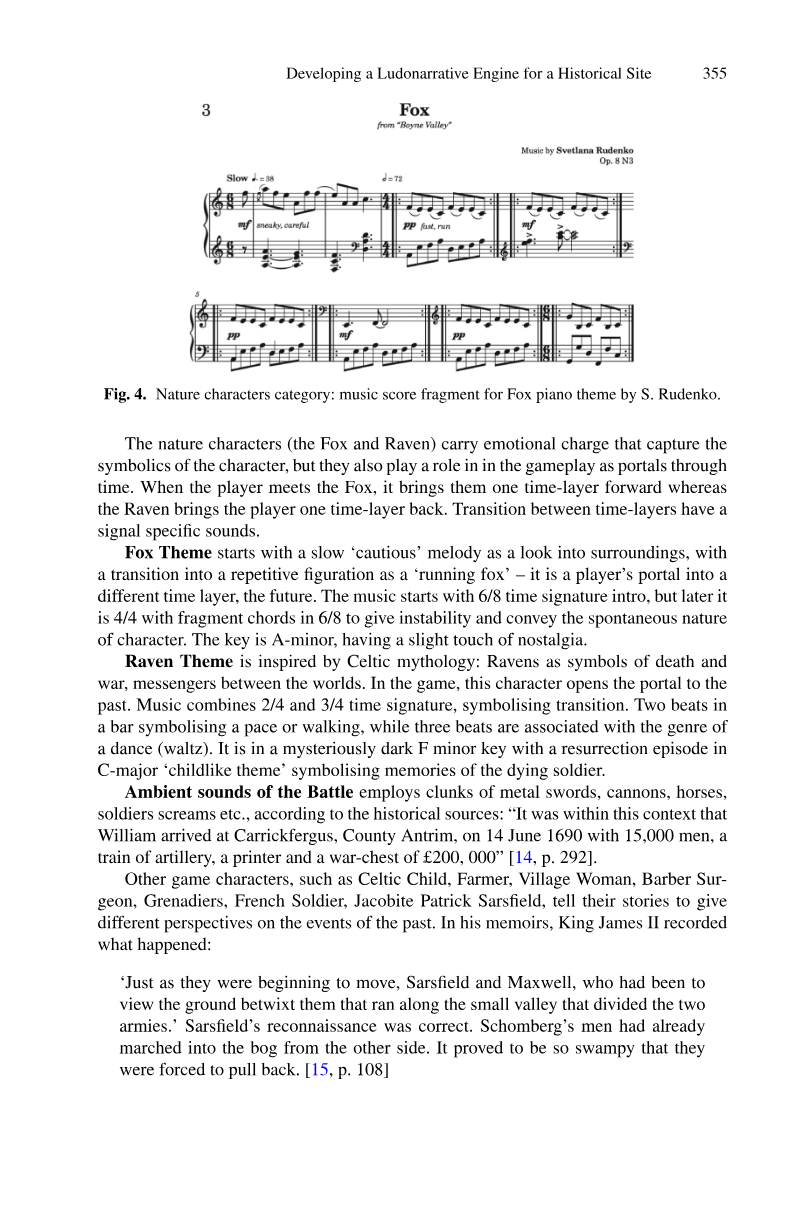
Developing a Ludonarrative Engine for a Historical Site Using Locative AR and Music
Trinity College Dublin · 2025
Whitepaper
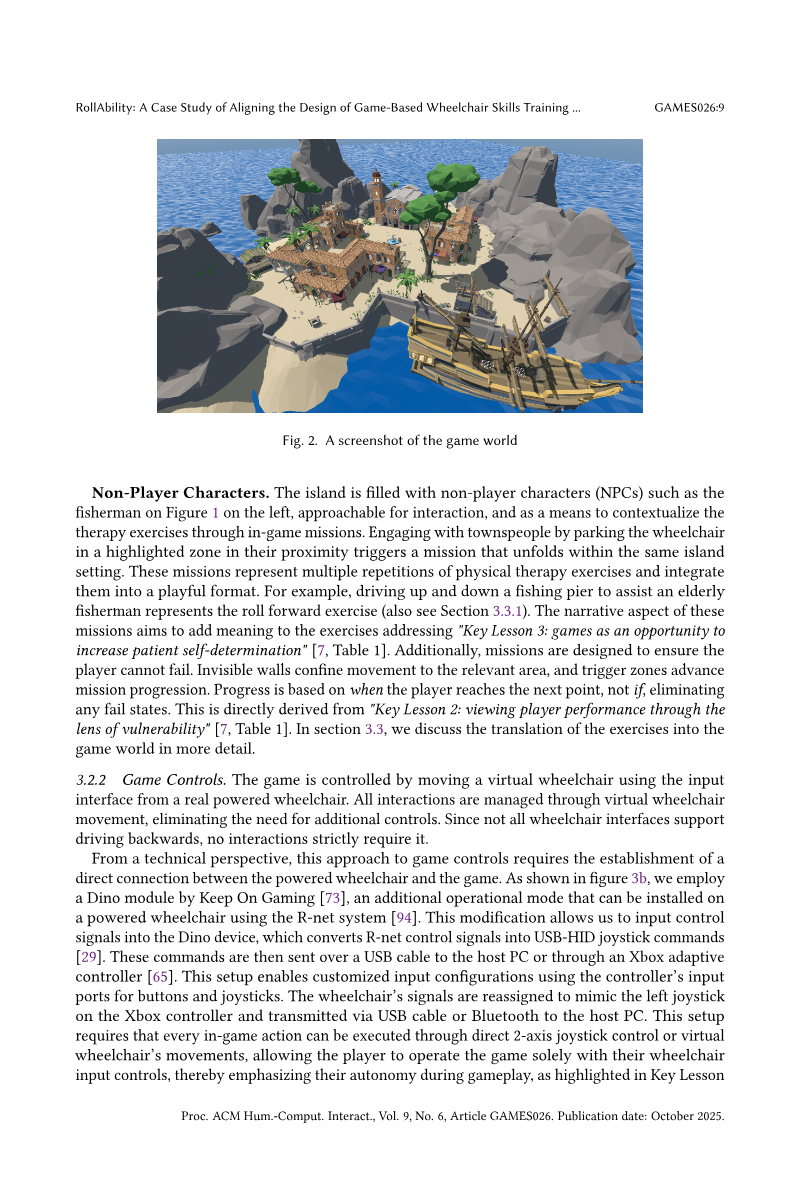
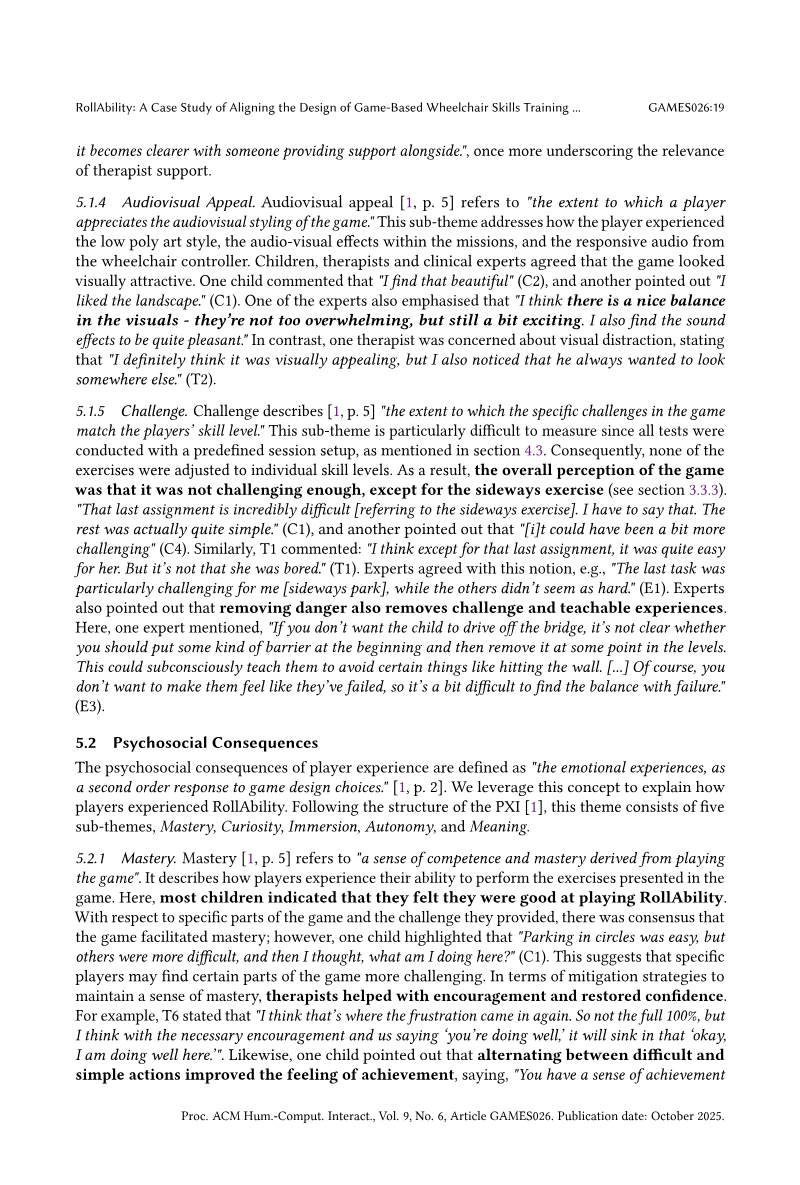
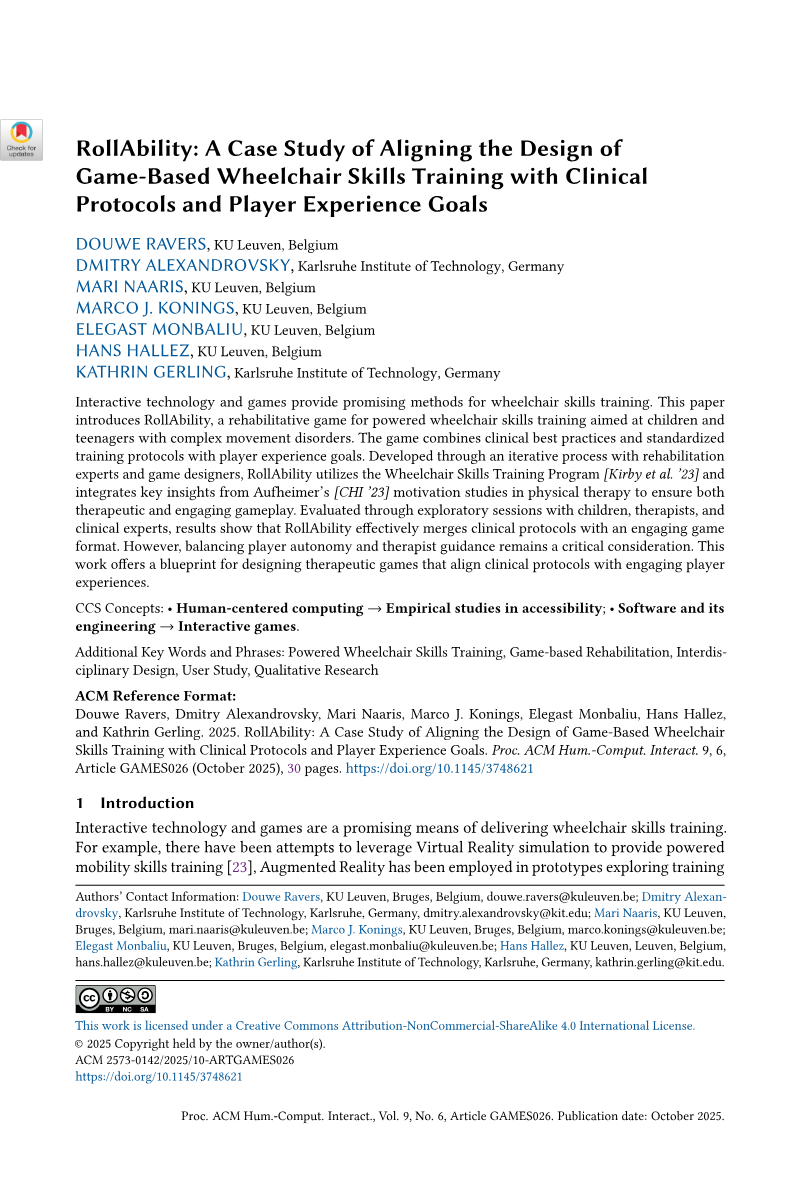
RollAbility: Aligning Game-Based Wheelchair Skills Training with Clinical Protocols
KU Leuven · 2025
Whitepaper
Comic4Welfare: An Interactive Comic-Based E-Learning Platform for Animal Welfare Education
European Conference on Games Based Learning (ECGBL) · 2025
Whitepaper
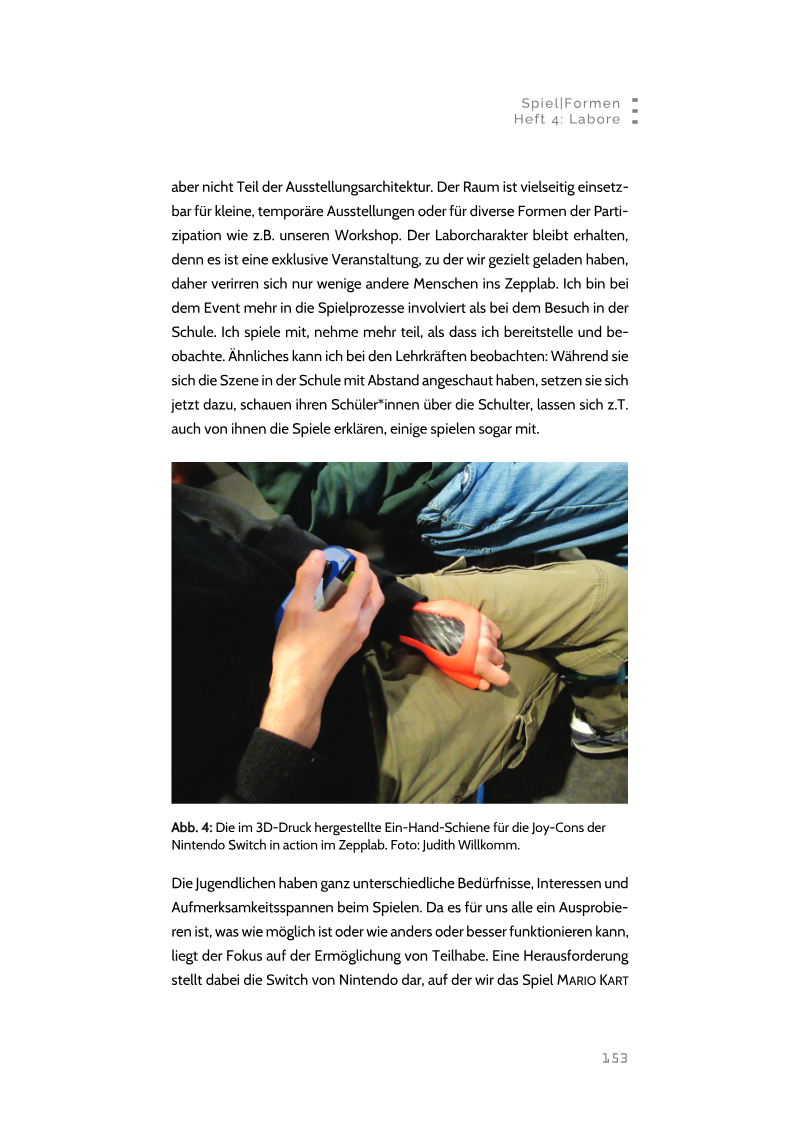
Game | Play | Ability: Ein Laborbericht zu alternativen Spielweisen
Spiel|Formen · 2025
Whitepaper
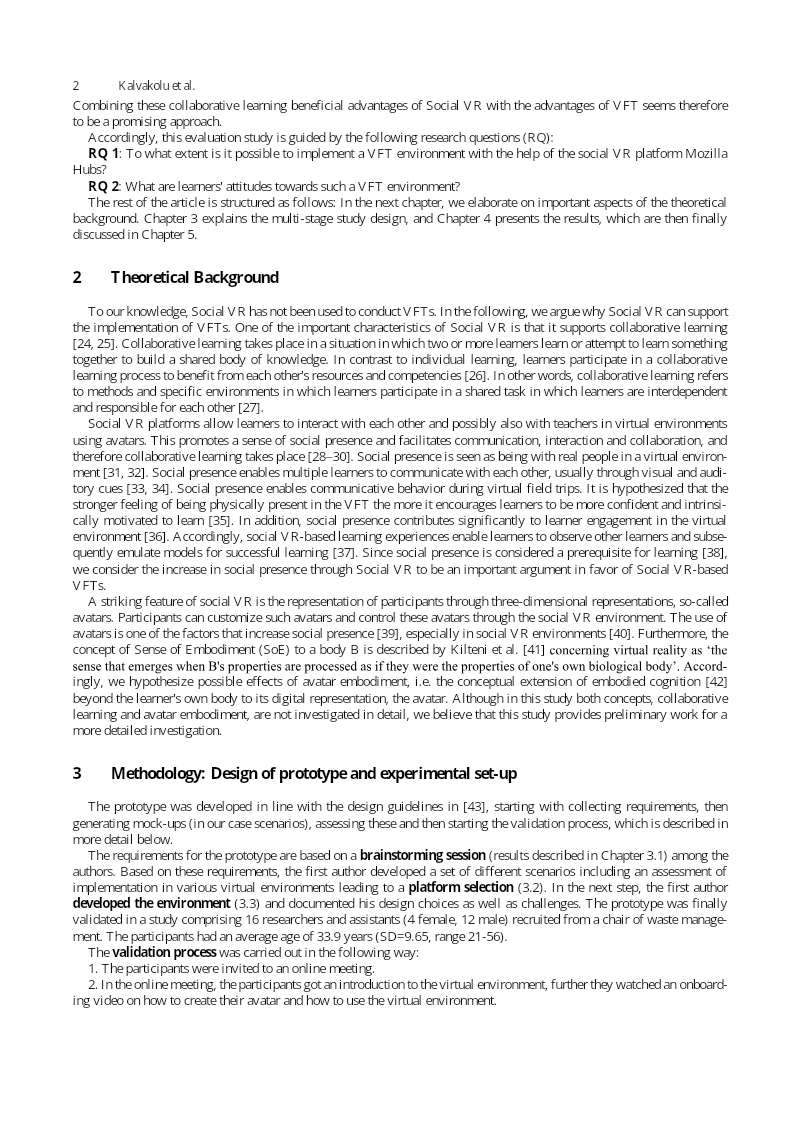
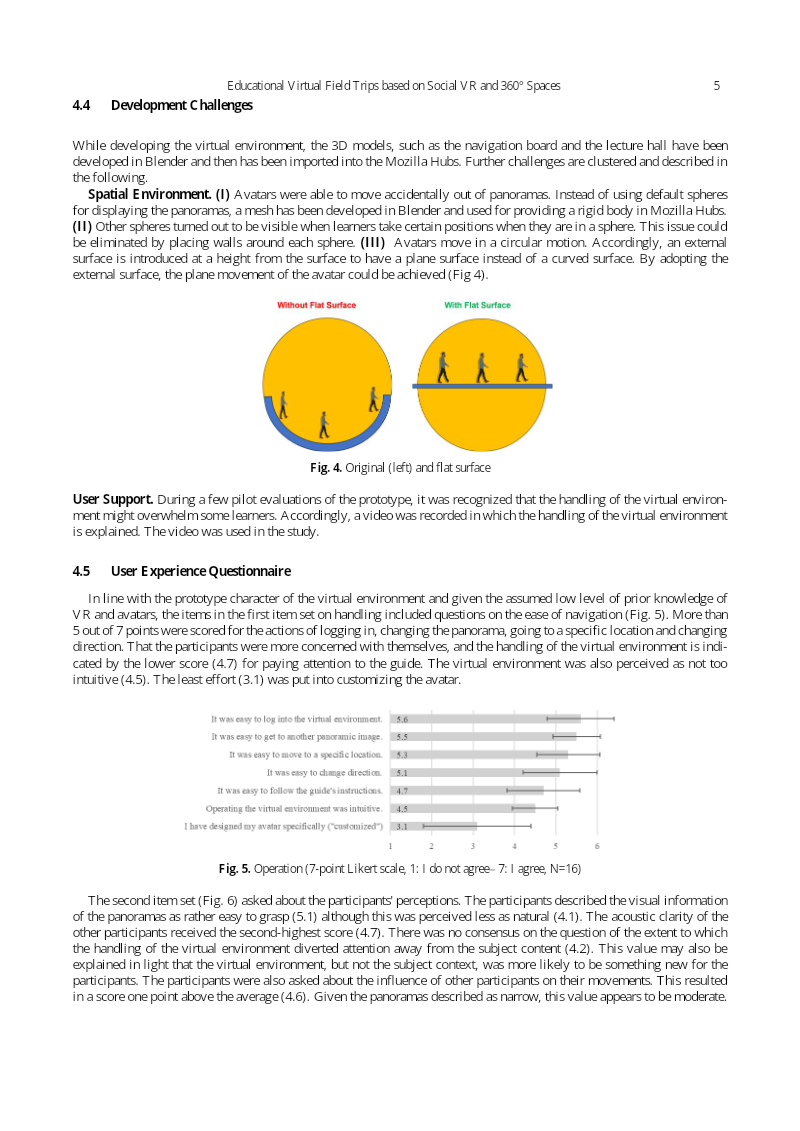
Educational Virtual Field Trips: Based on Social VR and 360° Spaces
Bauhaus-Universität Weimar · 2024
Whitepaper
Analysing Game Data to Evaluate Children's Learning Progress with the EDURINO App
European Conference on Games Based Learning (ECGBL) · 2024