Virtual field trips leveraging Social VR platforms like Mozilla Hubs represent a significant evolution in remote education, shifting the paradigm from solitary 360-degree viewing experiences to collaborative, shared learning environments. The primary thesis posits that integrating social presence into virtual excursions enhances engagement and pedagogical value, effectively bridging the gap between traditional classroom instruction and remote digital exploration. By facilitating multi-user interactions within immersive panoramas, these platforms aim to foster a sense of community and embodied cognition that is often absent in static, single-user educational software.
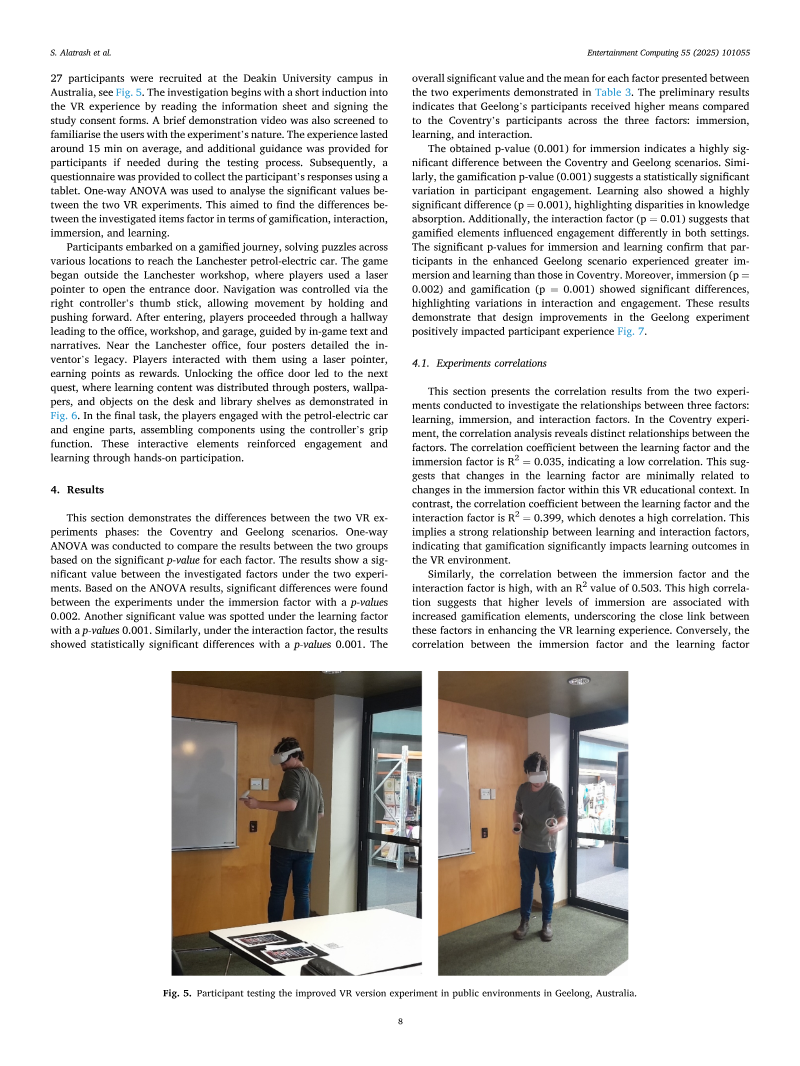
Empirical testing involving sixteen participants reveals that while the prototype successfully demonstrates the feasibility of collaborative virtual field trips, substantial technical and design hurdles remain. Users reported high levels of engagement and recognized the clear teaching potential of the medium; however, these benefits were frequently undermined by counterintuitive navigation systems, difficulties in identifying avatars, and restrictive spatial constraints within the 360-degree environments. These usability issues suggest that current off-the-shelf platforms require significant refinement to support seamless academic integration.
The future of this educational technology depends on the development of specialized authoring software designed specifically for the unique demands of virtual field trips. To move beyond the current prototype stage, developers must prioritize intuitive interaction mechanics and improved social presence features to ensure that the technology serves as a practical, reliable tool for educators. While the current findings underscore the promise of Social VR as a transformative pedagogical asset, widespread adoption is contingent upon overcoming these foundational navigation and onboarding challenges to ensure that the digital experience remains focused on learning rather than technical troubleshooting.