1 free read left. Create a free account for unlimited reading + AI research.
Create free accountReport Broadband Commission
1 free read left. Create a free account for unlimited reading + AI research.
Create free accountReportBroadband Commission
This significant digital divide hinders participation in the global economy. Universal, affordable broadband access is a critical economic imperative for the continent.
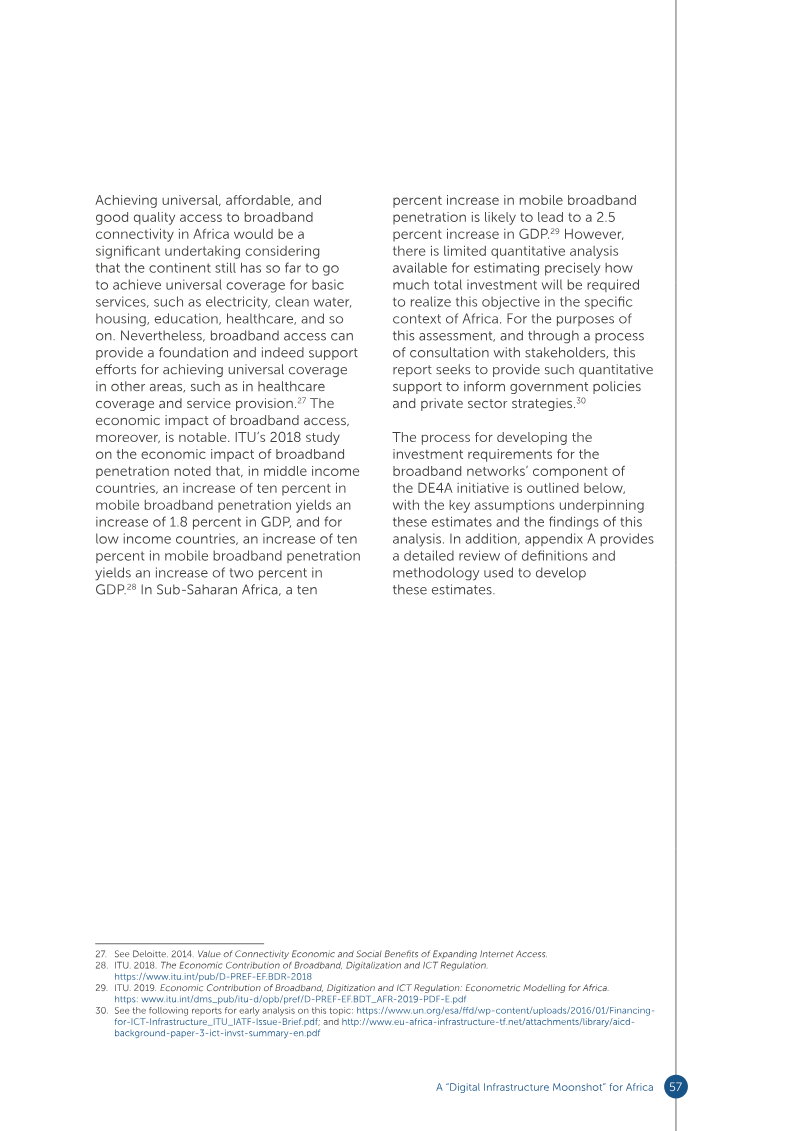
Achieving universal, affordable broadband access across Africa by 2030 is a critical economic imperative, serving as a primary catalyst for poverty reduction and job creation. The continent currently faces the world’s lowest penetration rates and highest relative costs, creating a significant digital divide that hinders participation in the global economy. Research indicates that a 10% increase in mobile broadband penetration can yield a 2% to 2.5% increase in GDP per capita, underscoring the urgency of this digital infrastructure moonshot.
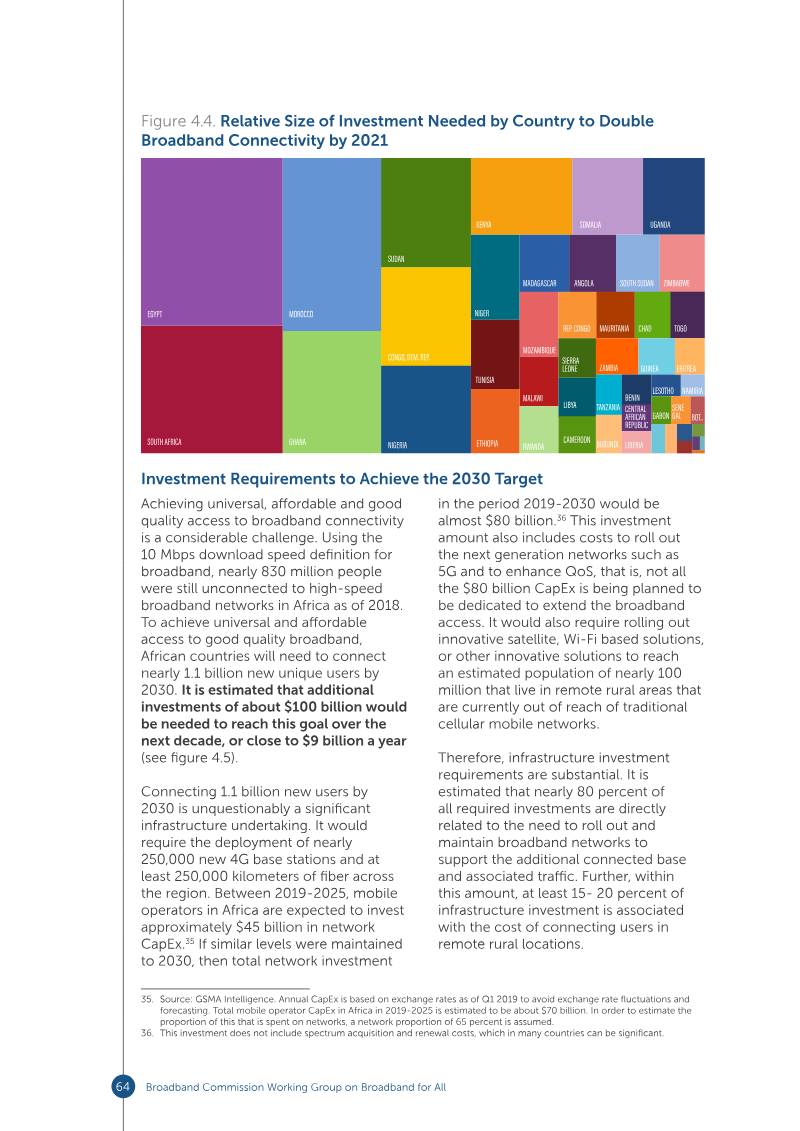
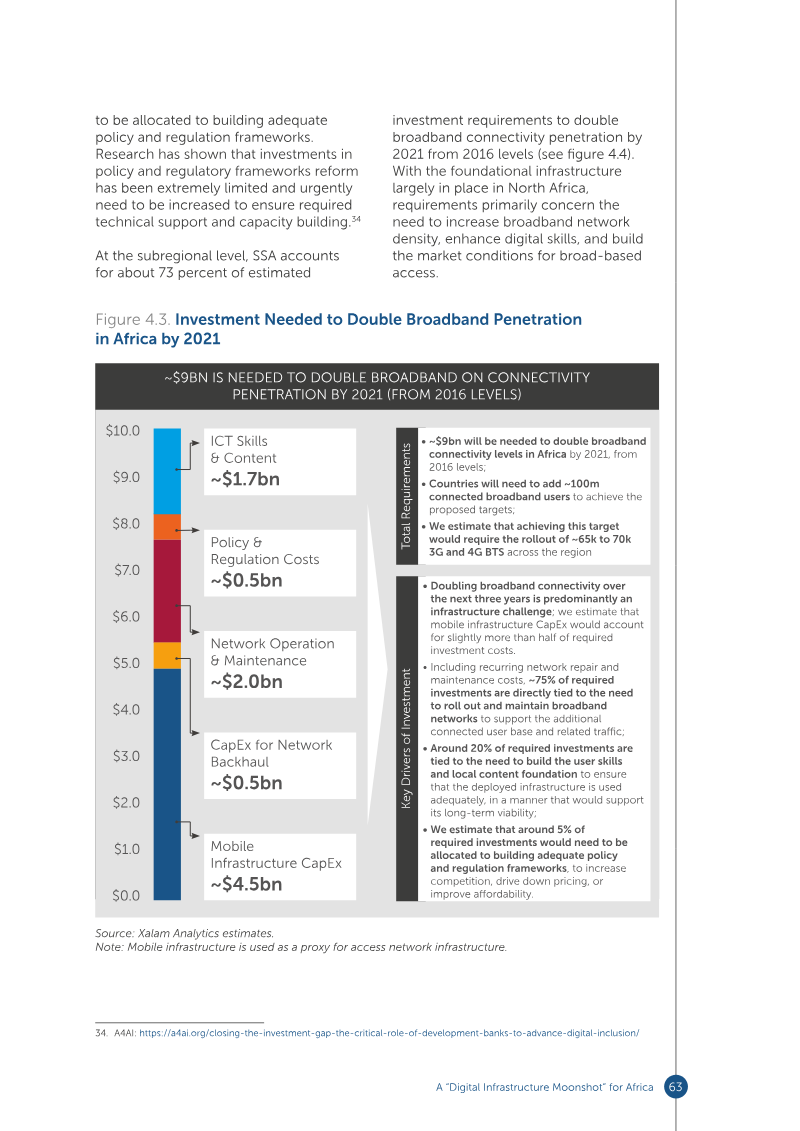
To bridge this gap, an estimated $100 billion to $109 billion in investment is required to connect over 1 billion new users. This capital must be mobilized through a collaborative approach involving governments, the private sector, and international development institutions. The strategy rests on five foundational pillars: digital infrastructure, platforms, financial services, entrepreneurship, and skills. While 80% of the required funding is earmarked for network rollout and maintenance, the remaining 20% is essential for fostering digital literacy, developing local-language content, and implementing regulatory reforms that encourage competition and infrastructure sharing.
Success depends on overcoming systemic bottlenecks, including limited spectrum allocation, unreliable electricity, and the high cost of internet-enabled devices, which can exceed 60% of an average monthly income. Proposed solutions include streamlining administrative regulations, utilizing universal service funds for rural subsidies, and promoting innovative financing models like installment-based payments. By harmonizing cross-border policies and leveraging public-private partnerships, the initiative seeks to build a resilient, secure, and inclusive digital ecosystem. Ultimately, this framework provides a roadmap for transforming Africa into a knowledge-based economy, ensuring that marginalized populations—particularly women and rural communities—are integrated into the digital future.
PocketGamer.biz · 2026

Lucidity Insights · 2025

PocketGamer.biz · 2025

Naavik · 2025

PocketGamer.biz · 2025

Deconstructor of Fun · 2025
Maliyo Games · 2025
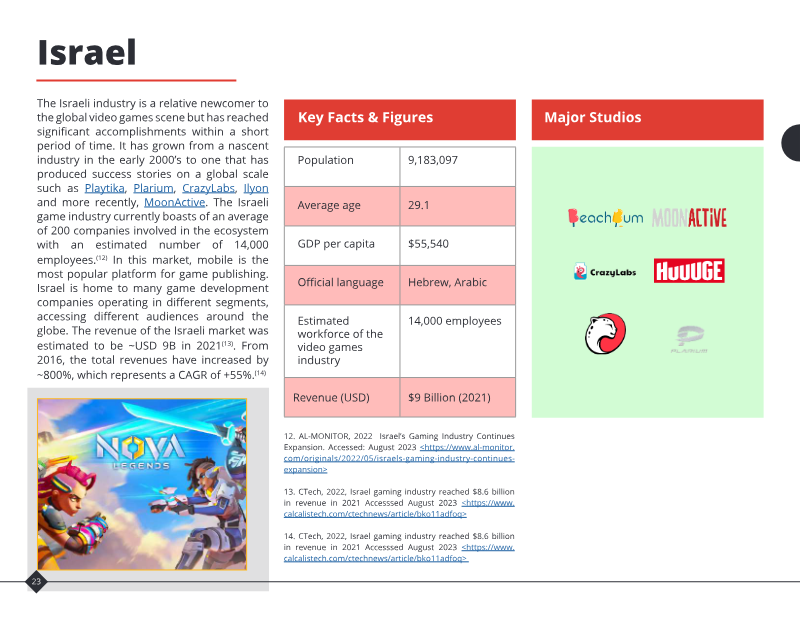
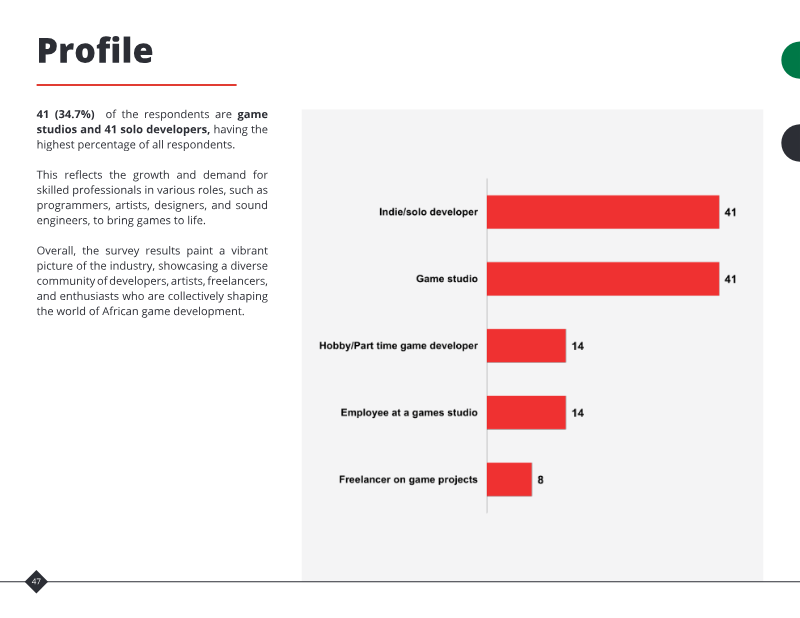
Games Industry Africa · 2024

Stillfront · 2024

The Game Hub Senegal · 2024

Naavik · 2023
PocketGamer.biz · 2023
Comments