ReportThe Game Hub Senegal
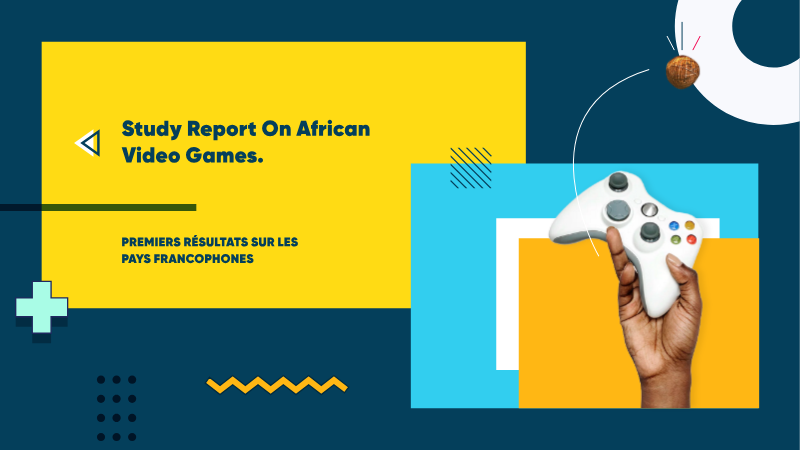
Study Report on African Video Games: Premier Results in Francophone Countries
202447 pages~59 min full read
The study investigates the emerging video‑game ecosystem in West Africa, focusing on Senegal, Côte d’Ivoire and Cameroon, to assess current player demographics, awareness of locally produced titles, and the factors shaping market potential. By surveying 785 gamers between July and August 2023, the research aims to inform development initiatives such as the Game Hub Senegal incubator, which seeks to nurture talent, provide mentorship and financing, and foster a community around African‑themed games.
Findings reveal a heavily male‑skewed player base—approximately 80 % men—and a concentration of respondents aged 19‑25, who together account for roughly 45 % of participants in each country. Android devices dominate, with over 80 % of gamers using this platform, and most players engage in one to two sessions per day. Despite this activity, exposure to African‑origin games is minimal: 60‑66 % of respondents have never played a locally developed title, and more than 82 % report never having heard of such games. Among the few who have, evaluations are generally positive, describing the experiences as “good” or better.
Motivations for playing centre on “challenges and evolution,” cited by about 37 % of respondents, followed by social interaction with friends (16 %) and graphics quality (8 %). Financial barriers are pronounced; roughly 51 % lack a bank card, limiting their ability to spend on games. For those who do make purchases, the primary drivers are acquiring the game itself (≈ 42 %) and unlocking new levels (≈ 18 %).
Overall, the data suggest that while payment infrastructure and awareness of African‑produced games constrain current consumption, the region’s youthful, mobile‑centric audience and strong appetite for challenging content position the market for rapid expansion in the near term.
InvestGame · 2026
Newzoo · 2025
Newzoo · 2025
Epyllion · 2025
Maliyo Games · 2025
MiDiA Research · 2025
Ampere Analysis · 2025
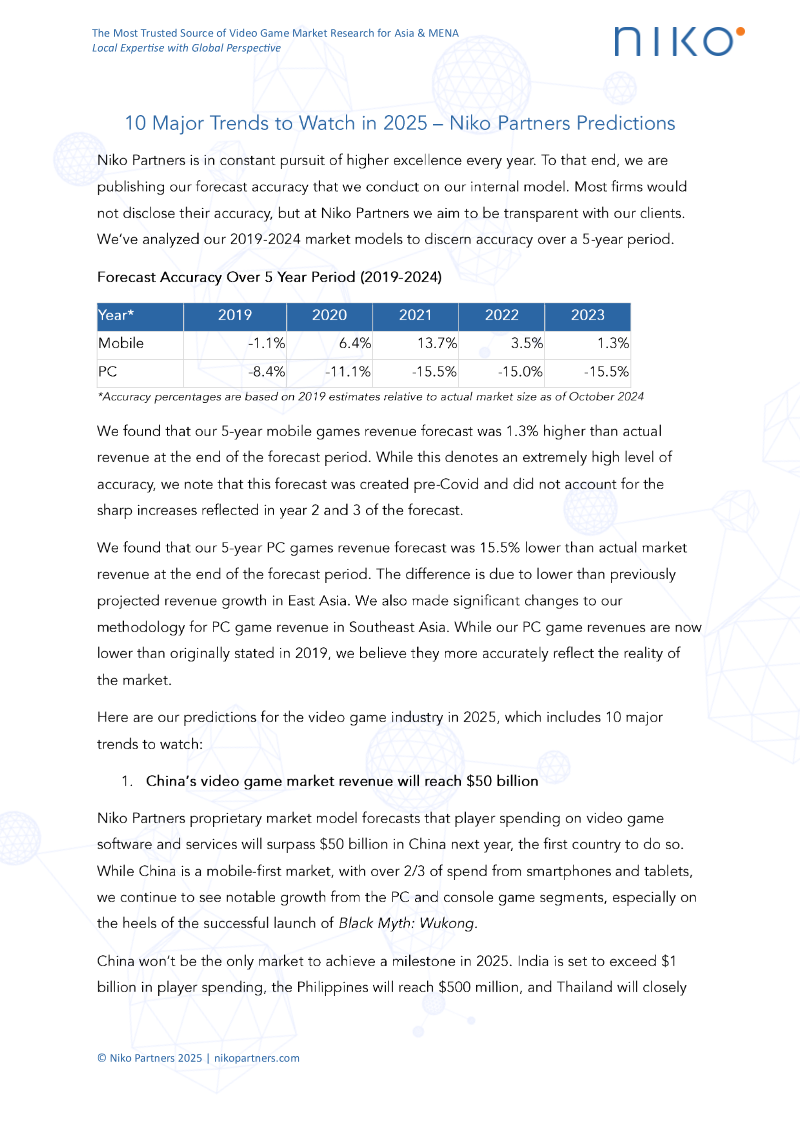
Niko Partners · 2025
Games Industry Africa · 2024

Newzoo · 2024
Sensor Tower · 2022
Abragames · 2022