1 free read left. Create a free account for unlimited reading + AI research.
Create free accountWhitepaper Press Start
1 free read left. Create a free account for unlimited reading + AI research.
Create free accountWhitepaperPress Start
Distilling the key insights…
Esports functions as a critical site for understanding the intersection of digital mediatization and the human body, challenging the tendency of contemporary discourse to prioritize abstract meaning over physical, lived experience. By examining the evolution of competitive gaming from 1980s arcade culture to the current globalized, professionalized industry, it becomes clear that esports operates as an experience economy. In this environment, participants and spectators prioritize moments of intensity—immediate, aesthetic encounters that exist beyond the reach of traditional cultural interpretation or narrative framing.
The core challenge in navigating these digital spaces is the mediation of immediacy, a process defined by the tension between the desire to understand, the attempt to re-present experiences through media, and the practice of Gelassenheit, or the capacity to suspend sense-making. This framework suggests that individuals employ consistent coping mechanisms to process reality, whether they are navigating digital environments or physical ones. Because digital layers are increasingly superimposed onto our daily lives, the bodily and worldly dimensions of esports serve as a microcosm for broader human engagement with a digitized world.
Ultimately, esports reflects a fractal logic common to modern, gamified entertainment, where the fundamental human desire to achieve a sense of oneness with the world transcends specific technological contexts. By shifting the focus toward the role of the body and the suspension of analytical judgment, this perspective provides a necessary framework for game studies. It highlights that the significance of digital play lies not merely in its content or cultural output, but in the raw, immediate experiences that define how individuals construct meaning within an increasingly mediated reality.
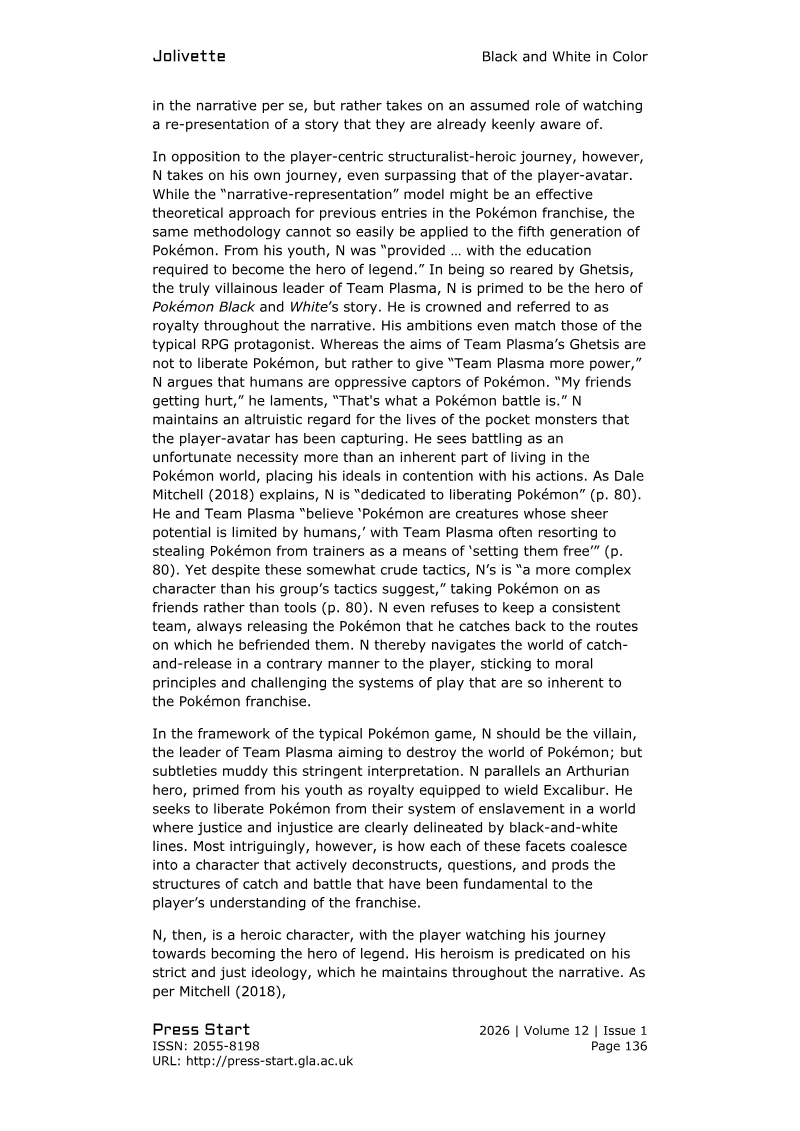
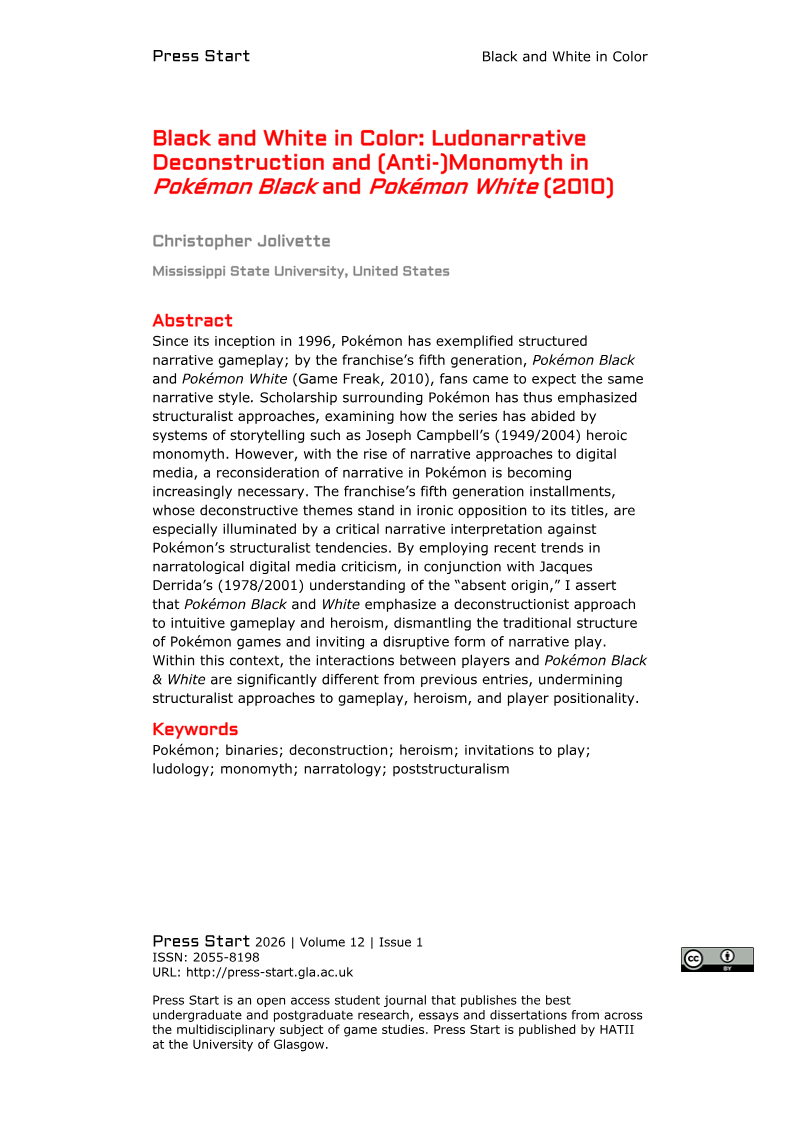
Press Start · 2026
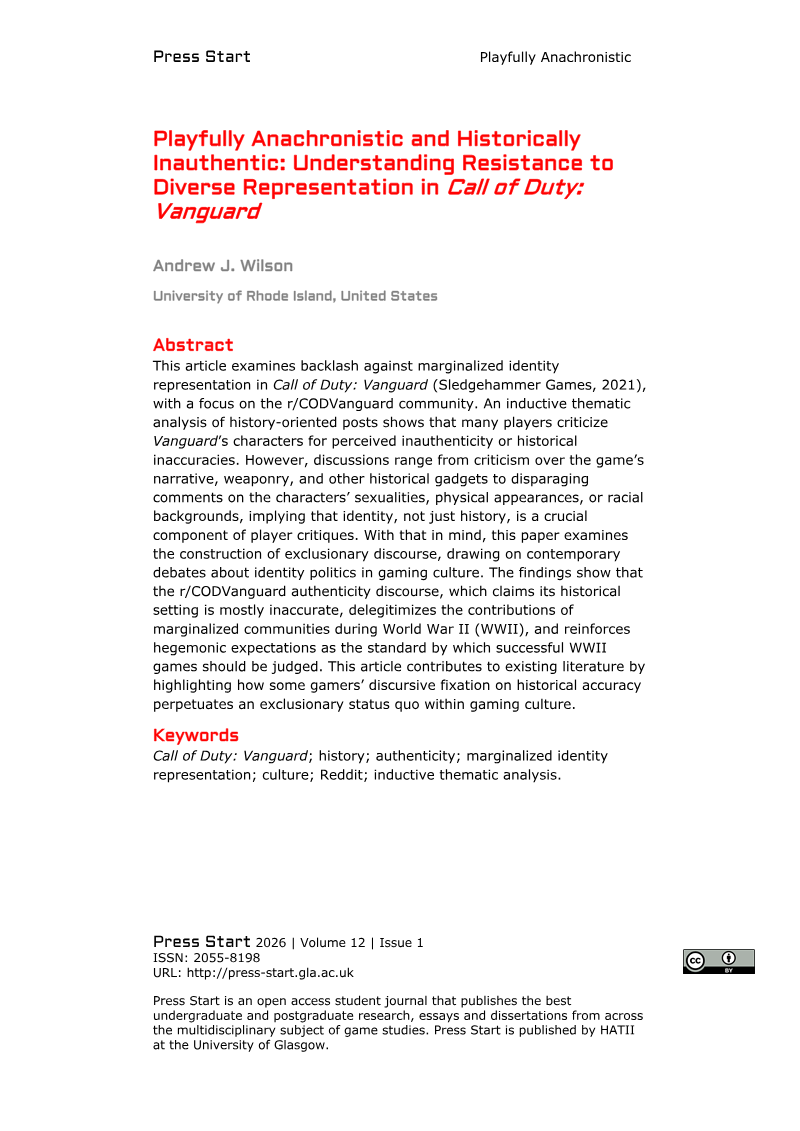
Press Start · 2026
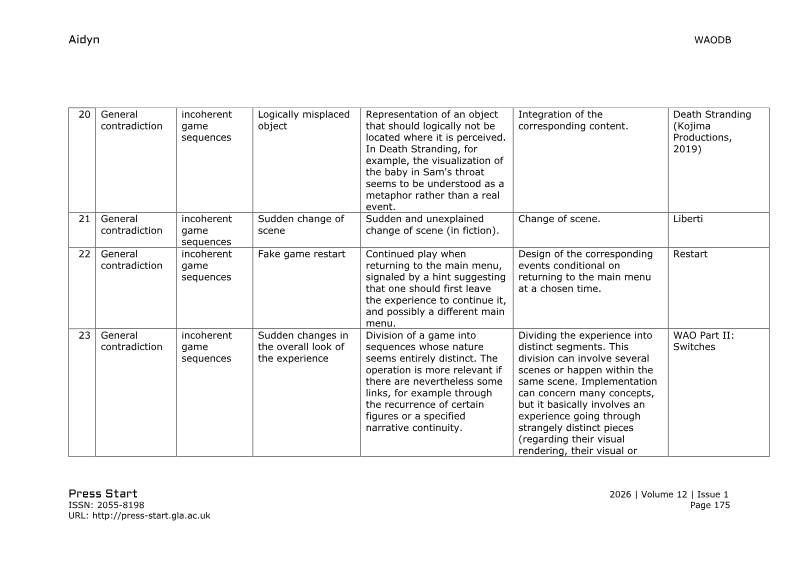
Press Start · 2026
Press Start · 2026
Press Start · 2026
Press Start · 2026
Press Start · 2026
Press Start · 2026
Press Start · 2025
Press Start · 2025
Press Start · 2025
Press Start · 2024
DiGRA · 2009