Corsair Gaming’s FY 2022 Form 10‑K documents a strategic pivot toward higher‑margin direct‑to‑consumer channels while confronting significant macroeconomic headwinds. Revenue contracted 27.8 % to $1.38 billion, driven by supply‑chain constraints, inflation, and the Russia–Ukraine war that elevated shipping costs and prompted a $22.5 million inventory impairment. Gross margin slipped to 21.6 % from 27.0 %, reflecting a shift toward lower‑margin gaming components and increased logistics expenses. Operating losses widened to $54.9 million, although SG&A costs fell 9.7 % and product‑development spending rose 10.3 %, underscoring a focus on cost control amid declining volumes.
Corsair’s dual‑segment model—Gamer & Creator Peripherals and Gaming Components & Systems—remains anchored by proprietary ecosystems (iCUE, Elgato) and a robust e‑retail network. Direct sales grew to 13.7 % of revenue, with Amazon contributing roughly a quarter of net sales in 2022. The company launched 125 new products and entered four additional markets (microphones, cameras, gaming monitors, prebuilt laptops), reinforcing its high‑performance brand. Intellectual property assets expanded to 326 patents and 467 trademarks, while a $36.4 million acquisition of iDisplay added goodwill and intangible assets that support supply‑chain synergies.
Financially, Corsair maintained liquidity through a $701.5 million revolving credit facility and a public offering that generated $72.6 million in financing cash. Net operating cash flow improved to $66.4 million, offset by a $53.9 million loss and $47.0 million in investing outflows. Debt levels fell to $641.8 million, with equity rising to $623.8 million, driven by additional paid‑in capital and retained earnings.
Risk disclosures highlight intense competition, supply‑chain volatility, currency fluctuations, and regulatory compliance challenges—including data‑privacy laws, anti‑bribery statutes, and ESG reporting. Cybersecurity threats, IP enforcement risks, and geopolitical tensions pose ongoing operational and reputational risks that could materially affect future performance.
Corsair Gaming · 2026

Corsair Gaming · 2026
Corsair Gaming · 2026
Corsair Gaming · 2025
Corsair Gaming · 2025
Corsair Gaming · 2024
Corsair Gaming · 2024
Corsair Gaming · 2024
Corsair Gaming · 2023
Corsair Gaming · 2023
Corsair Gaming · 2023
Corsair Gaming · 2022
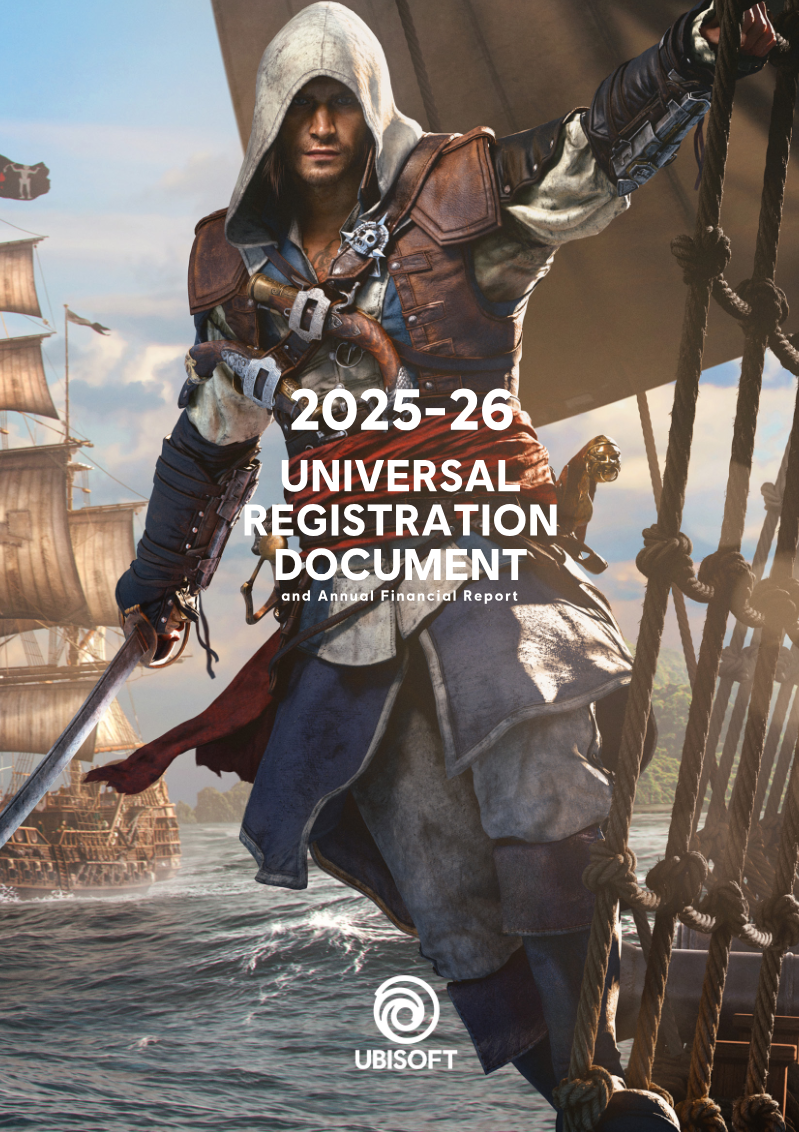
Ubisoft · 2026
Sony Group Corporation · 2026
Enthusiast Gaming Holdings · 2026
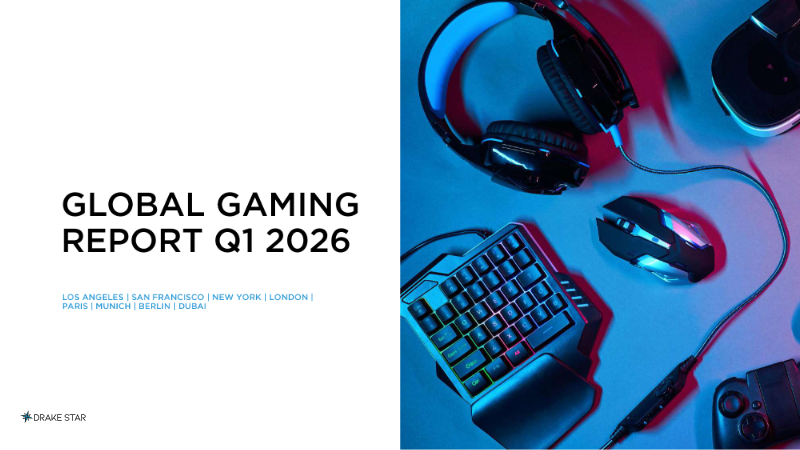
Drake Star Partners · 2026
Aream & Co · 2026
Capcom · 2026

Modern Times Group · 2026
Bandai Namco · 2026
Aream & Co · 2026
Take-Two Interactive · 2026
Take-Two Interactive · 2026
PCF Group · 2026