1 free read left. Create a free account for unlimited reading + AI research.
Create free accountArticle Eludamos: Journal for Computer Game Culture
1 free read left. Create a free account for unlimited reading + AI research.
Create free accountArticleEludamos: Journal for Computer Game Culture
Moberly argues against scholars who saw the game as a liberating information-age space. He reads it as a spectacular reproduction of late-capitalist antagonisms.
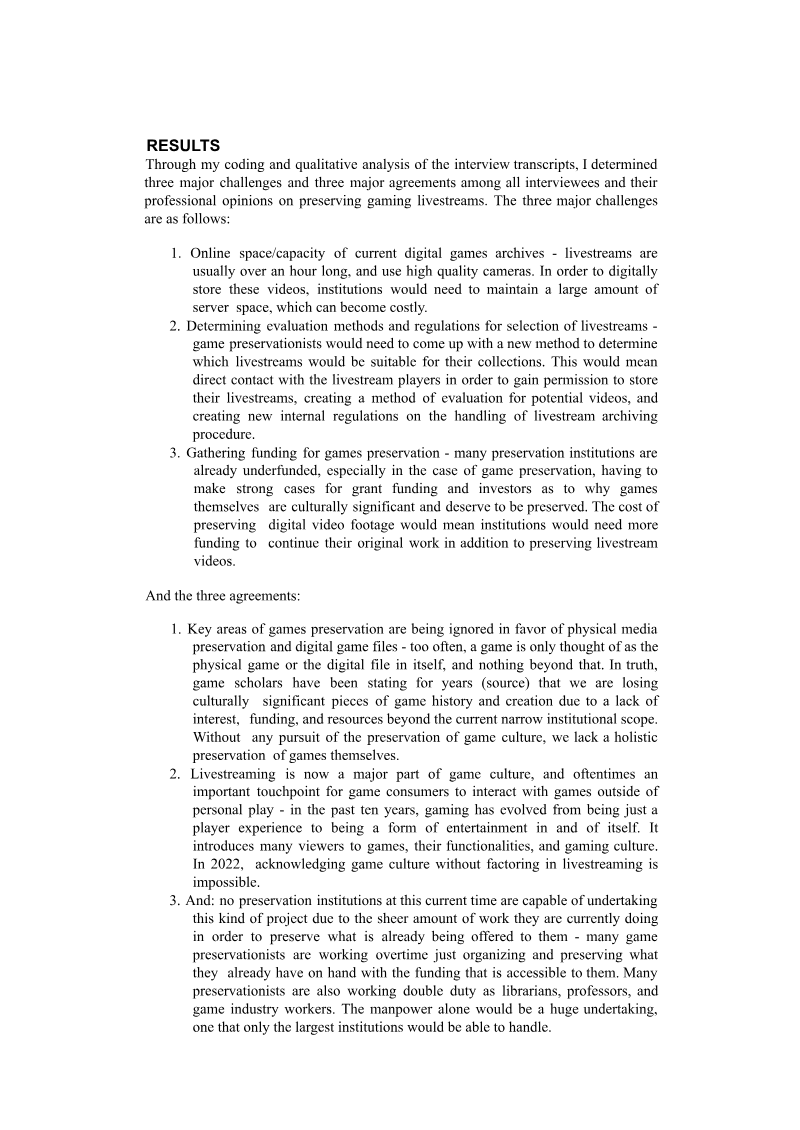
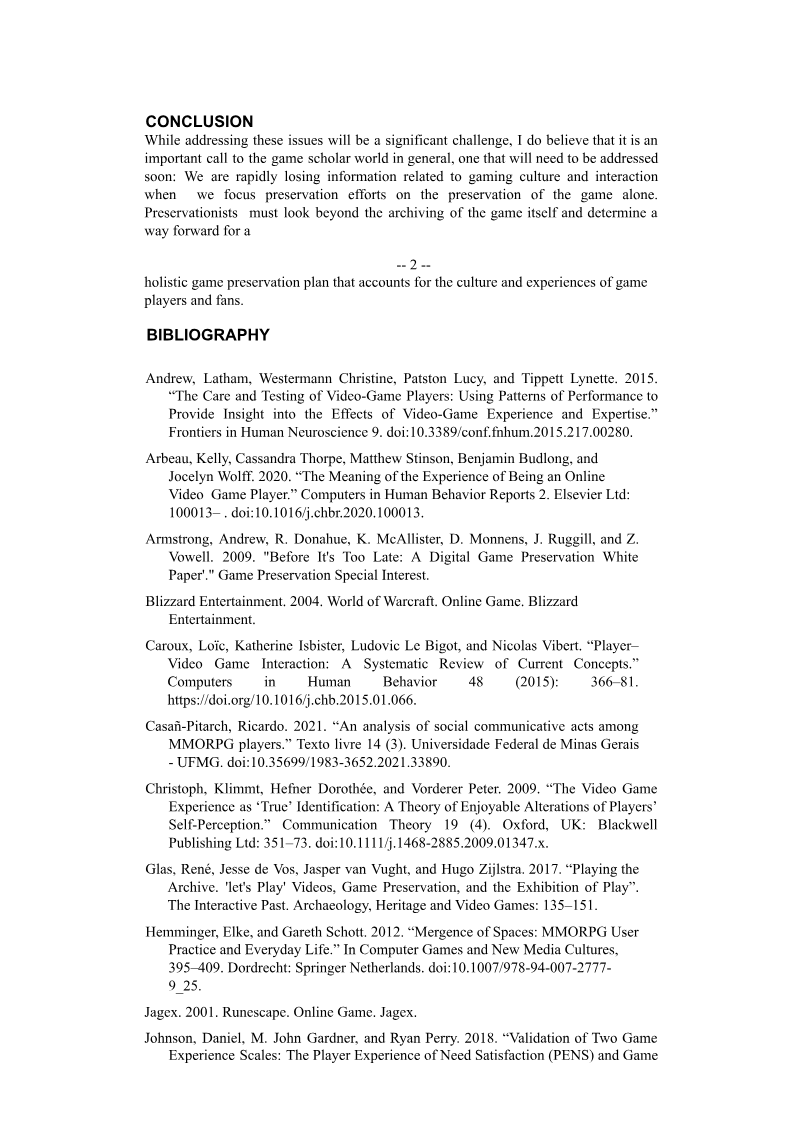
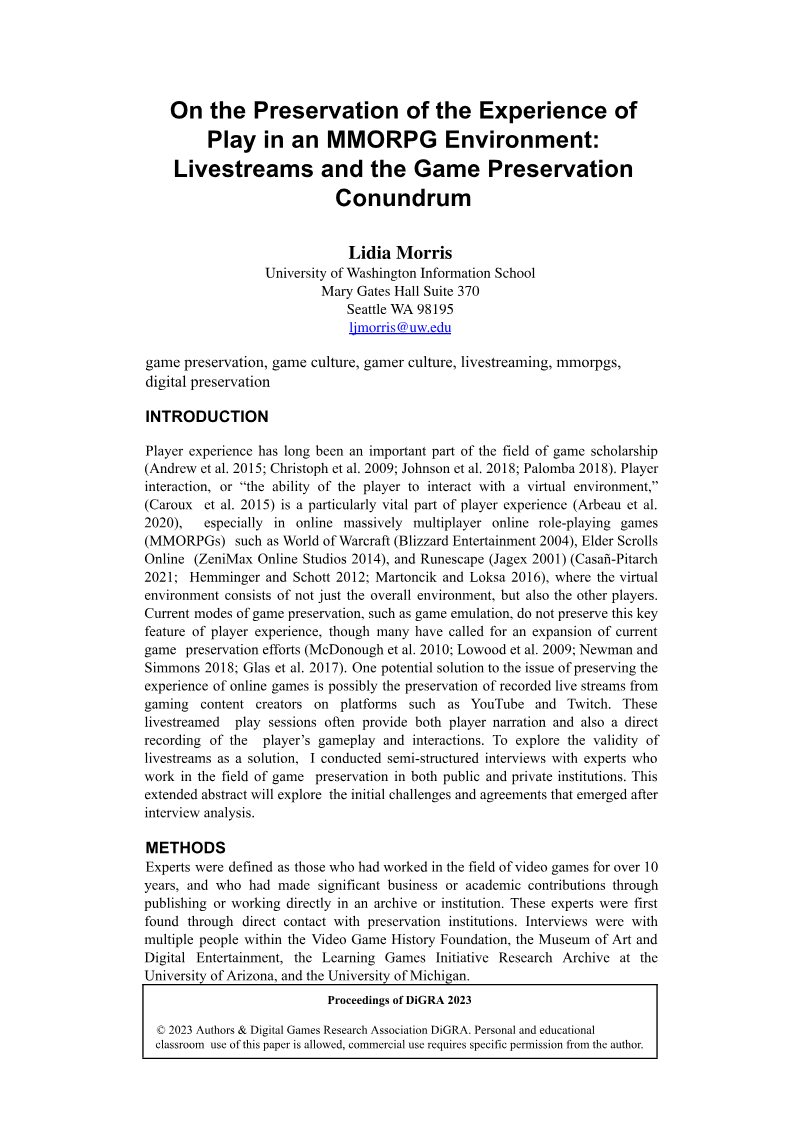
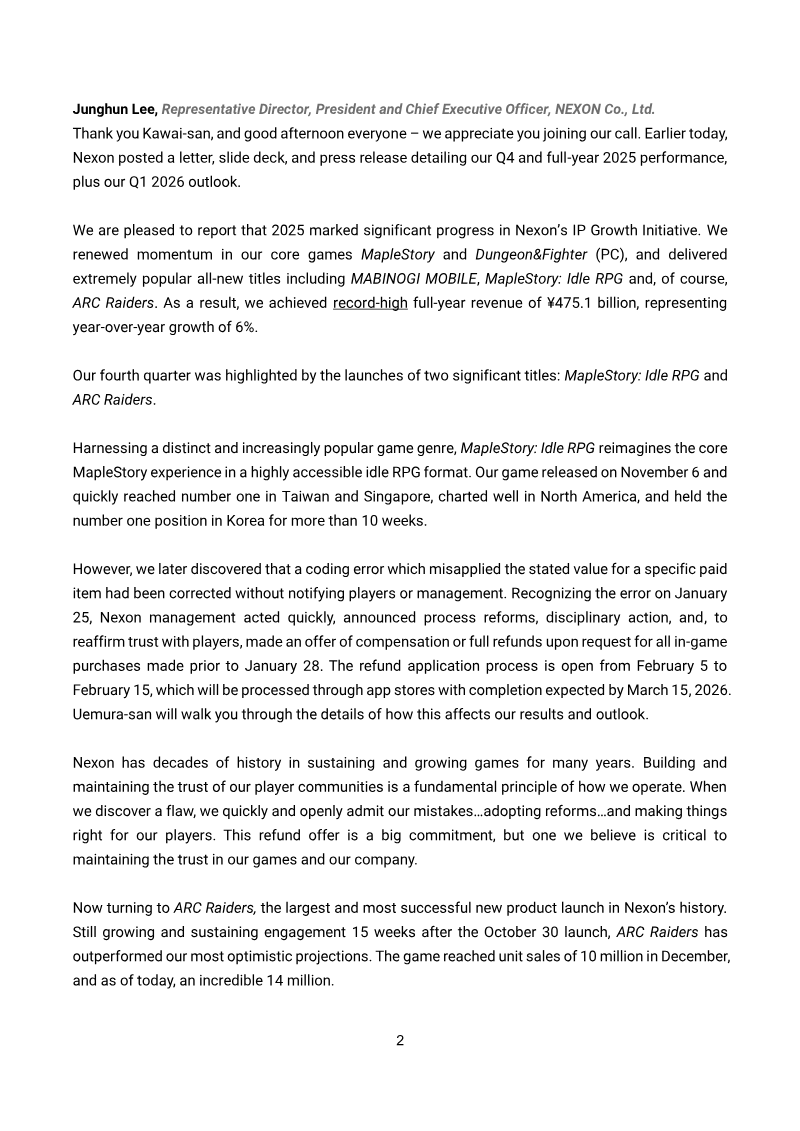
Moberly's analysis argues that World of Warcraft is not the liberating information-age space that scholars such as Silverman and Simon have claimed, but a spectacular reproduction of late-capitalist antagonisms. Drawing on Debord, Adorno and Horkheimer, Althusser, Baudrillard, Jameson, and Foucault, the work contends that the game sells players a fetishized, endlessly repeated present in which racial, religious, and economic conflicts appear as fantastical "spectacular antagonisms" that make the world feel real while concealing the logic of commodification beneath them.
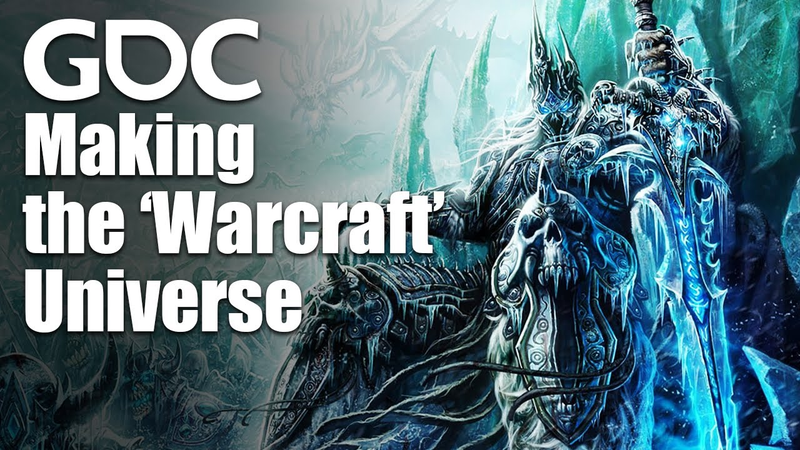
Central to the argument is the claim that the game's structures interpellate players as fragmented, quantified consumers. Its interface, from terms-of-service acceptance through character creation, asks players to consent to commodified identities and to relinquish ownership of what they produce. The impoverished starting areas and the box art for Wrath of the Lich King serve as illustrations of how struggle within the game can only take the form of consuming the resources the spectacle provides. Quest, PvP, and raid systems then reward conformity, reinforcing race- and class-based hierarchies and leading players to measure themselves as commodities.
The analysis is interpretive and theoretical rather than empirical, drawing on specific mechanics such as drop rates and gear-based progression as examples rather than as quantitative evidence. Its conclusions are that disengagement, illustrated through a quitting player's testimony, reflects the triumph of capitalist logic rather than liberation. In its closing notes, the work acknowledges a countervailing reading in which power gaming and character creation can operate as sites of status and resistance, and it notes that rigid role structures and repetitive farming push some players toward banned botting programs. The overall conclusion is that the game's mechanics both enable player agency and compel conformity to prescribed behaviors.
Each row is a game or company this document names, each column a document, oldest first. A mark means that document names it. Select a row to see those documents.

Eludamos: Journal for Computer Game Culture · 2026

Eludamos: Journal for Computer Game Culture · 2026

Eludamos: Journal for Computer Game Culture · 2026

Eludamos: Journal for Computer Game Culture · 2026

Eludamos: Journal for Computer Game Culture · 2026

Eludamos: Journal for Computer Game Culture · 2026

Eludamos: Journal for Computer Game Culture · 2026

Eludamos: Journal for Computer Game Culture · 2025

Eludamos: Journal for Computer Game Culture · 2025

Eludamos: Journal for Computer Game Culture · 2025

Eludamos: Journal for Computer Game Culture · 2025

Eludamos: Journal for Computer Game Culture · 2025
Extra Credits · 2026