More from Haunted Planet Studios
View all
More on Serious Games
View all


Whitepaper
Challenges of Simulations and Serious Games Embedded in Emergency Preparedness Platforms
European Conference on Games Based Learning (ECGBL) · 2026
Whitepaper
Designing an Integrated-Reality Megagame for Lifelong Learning Competency Development
European Conference on Games Based Learning (ECGBL) · 2026
Whitepaper
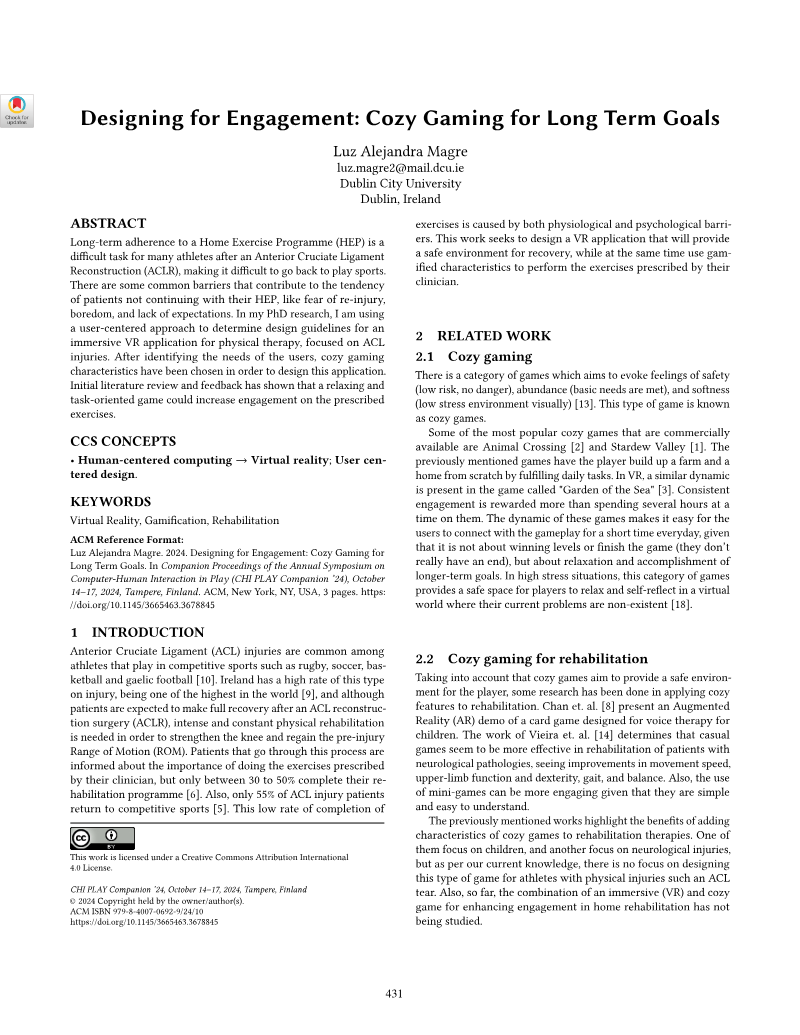
Designing for Engagement: Cozy Gaming for Long Term Goals
Dublin City University · 2024

Whitepaper
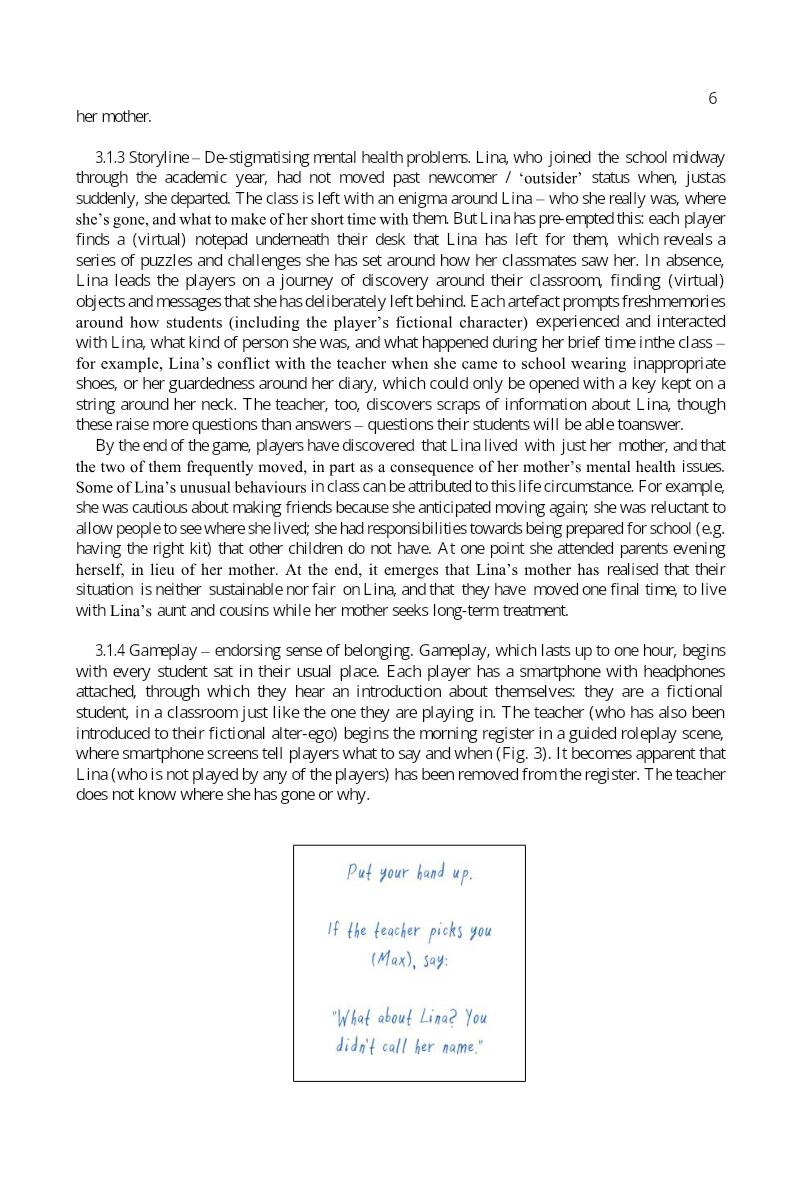
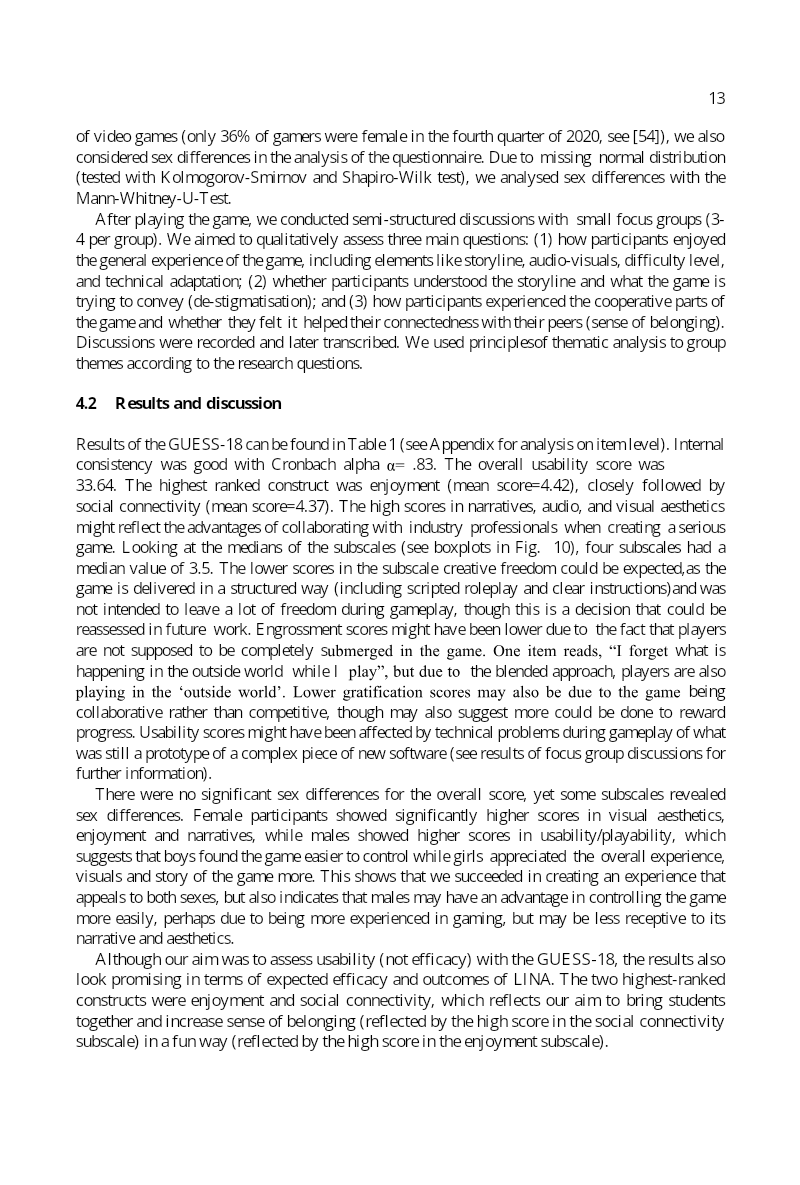
LINA: A Social Augmented Reality Game for Mental Health
Ludwig Boltzmann Society · 2022
Whitepaper
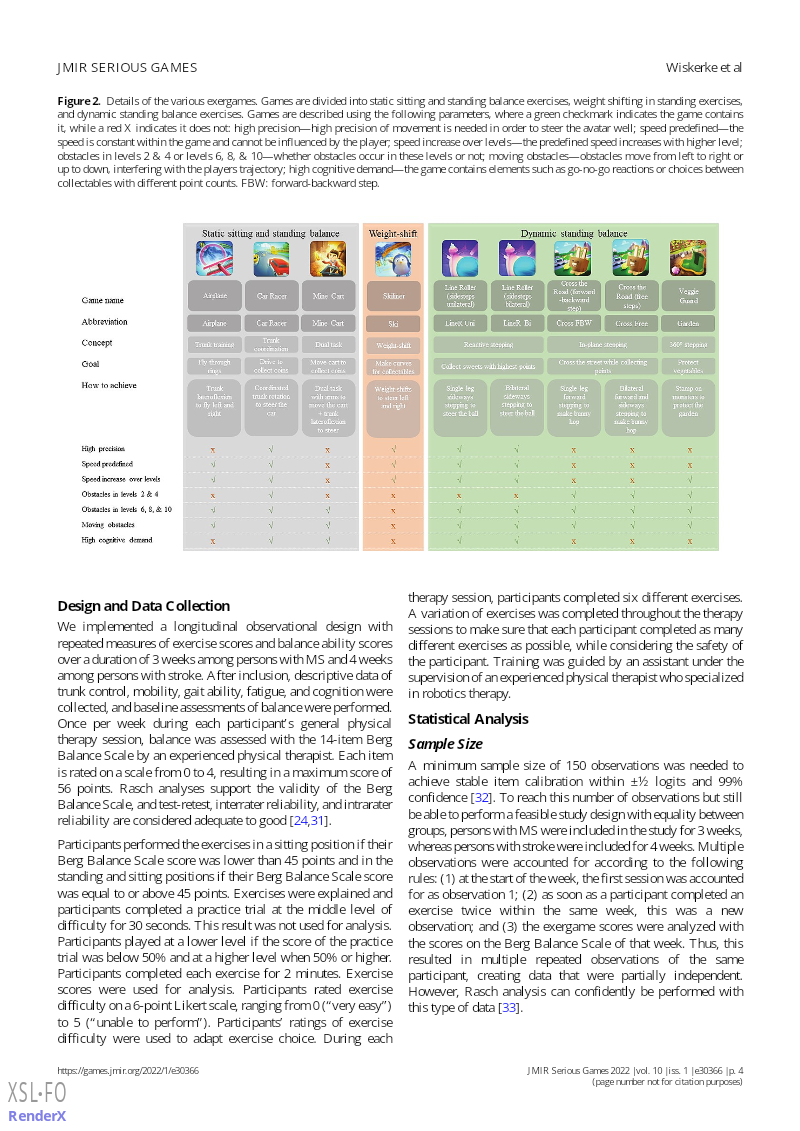
Determining the Optimal Virtual Reality Exergame Approach for Balance Therapy
JMIR Serious Games · 2022
Whitepaper
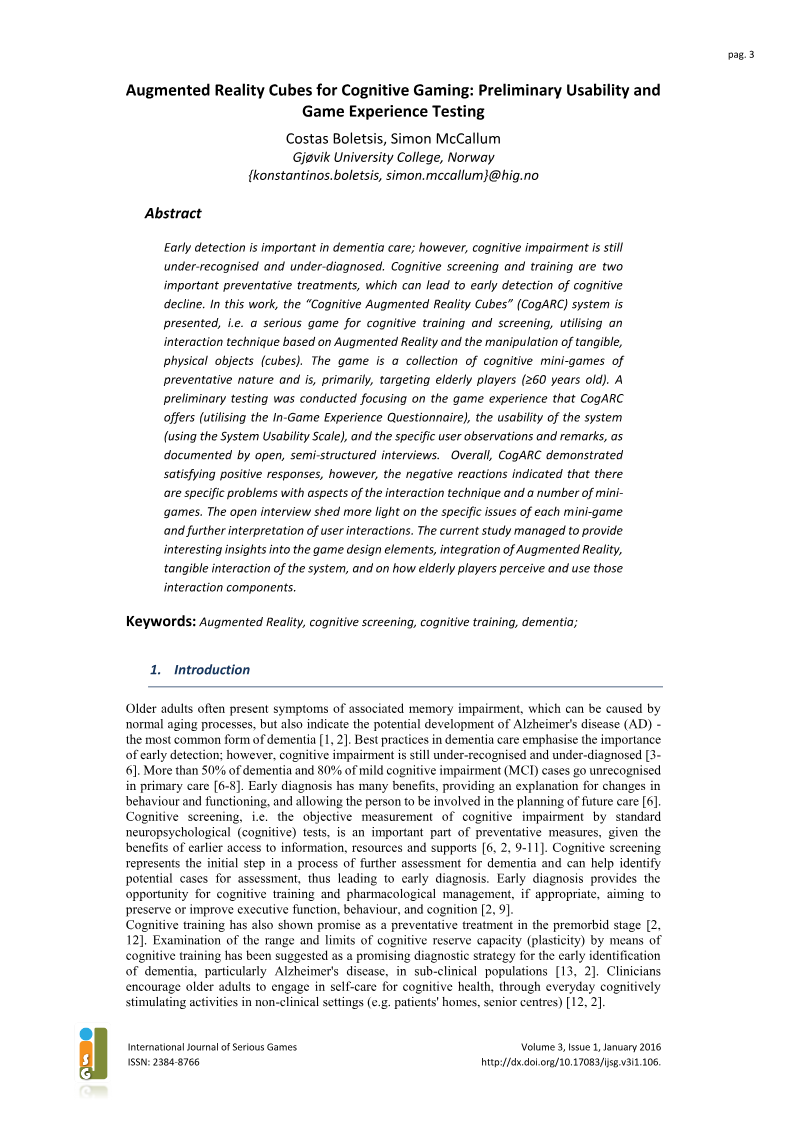
Augmented Reality Cubes for Cognitive Gaming: Preliminary Usability and Game Experience Testing
International Journal of Serious Games · 2016
Whitepaper
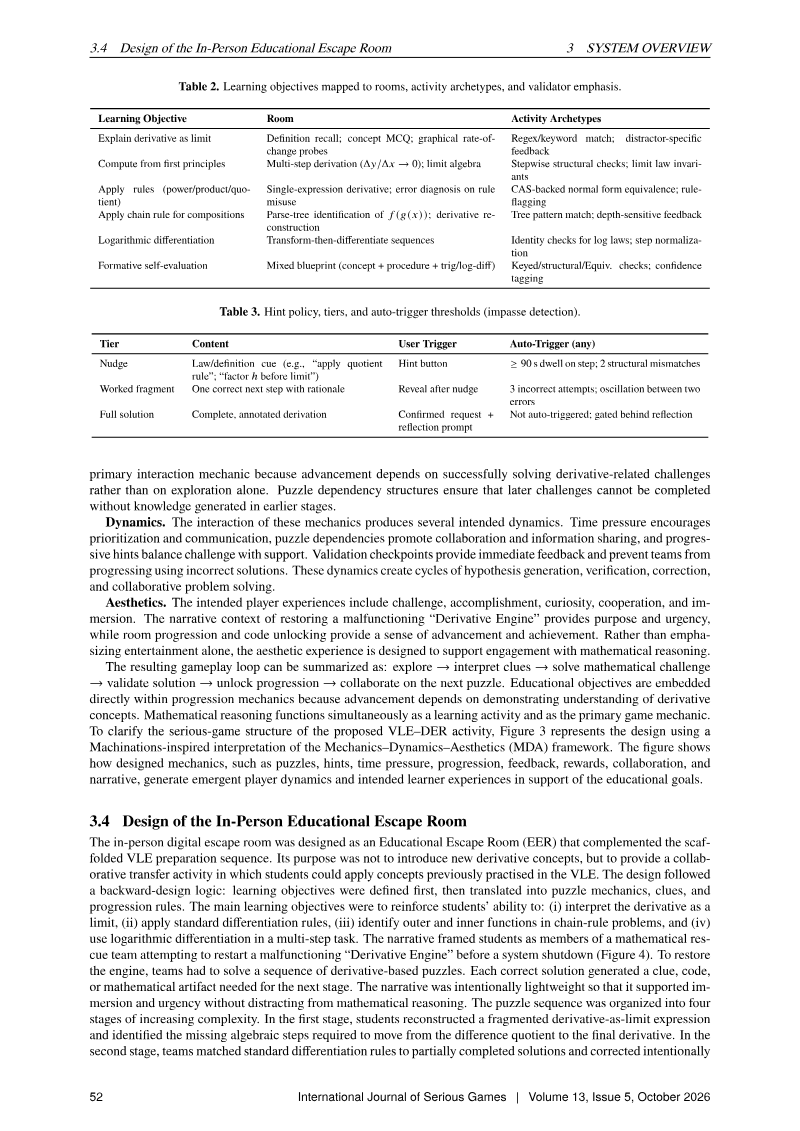
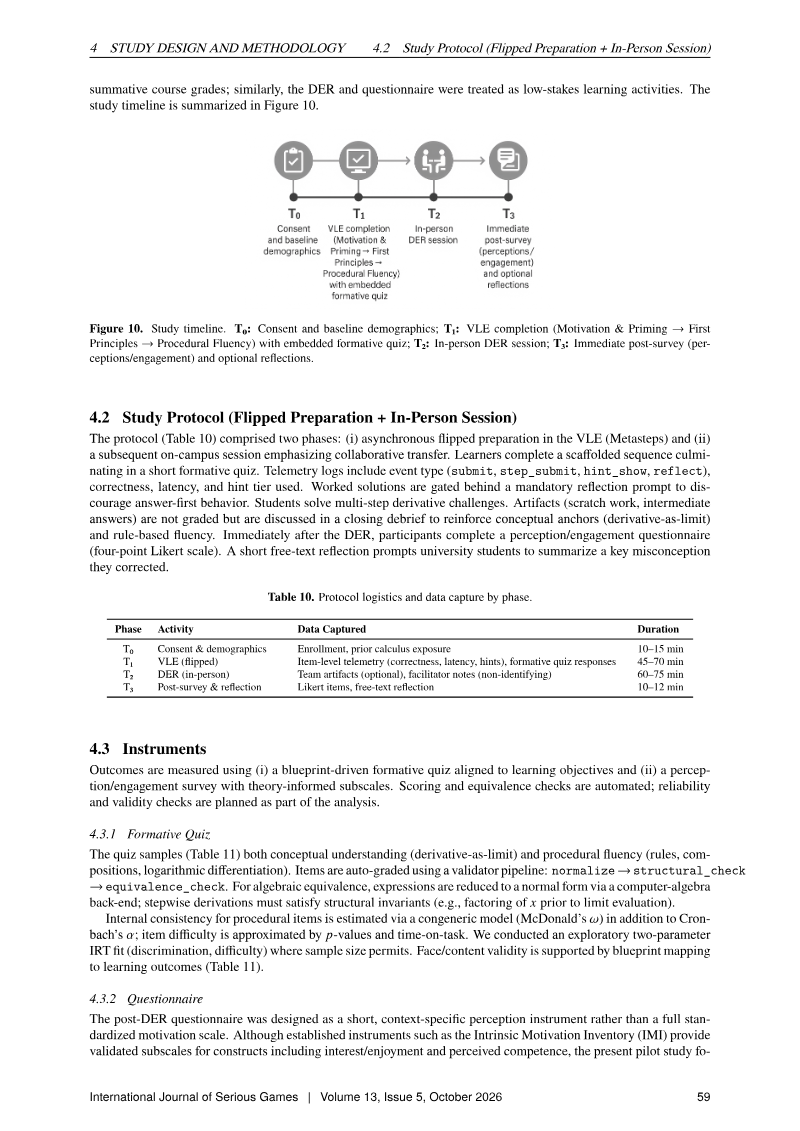
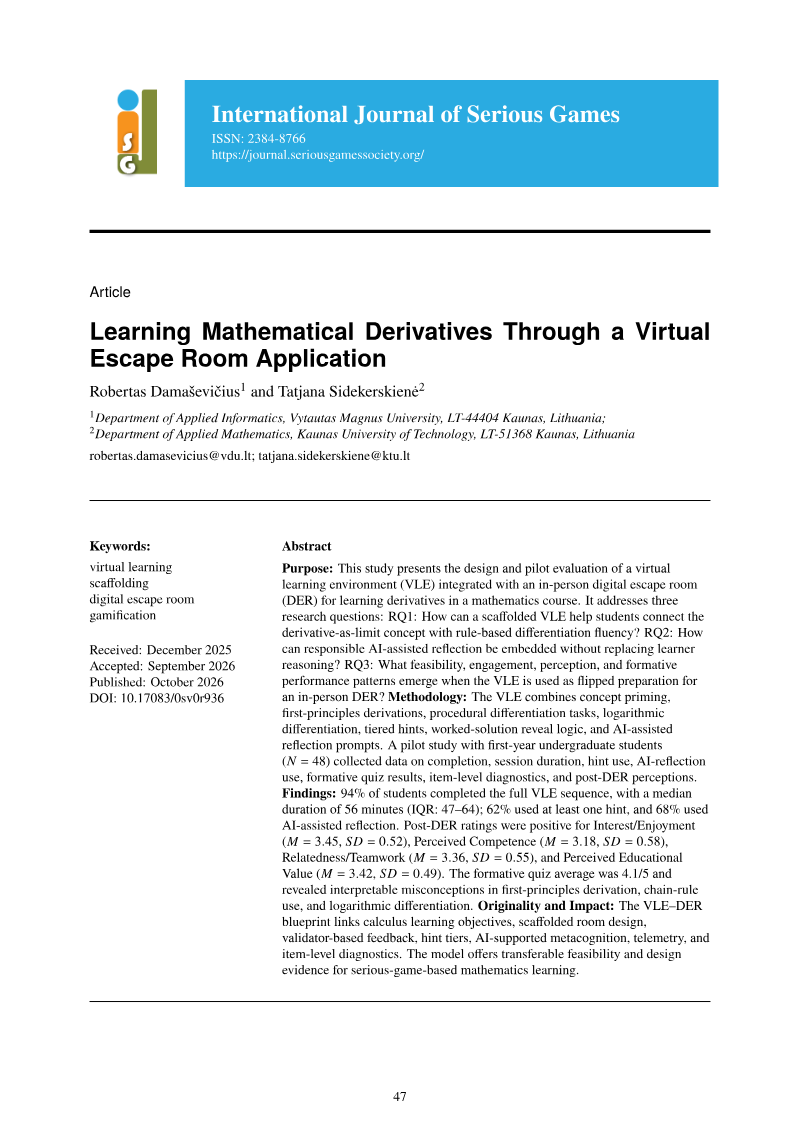
Learning Mathematical Derivatives Through a Virtual Escape Room Application
International Journal of Serious Games · 2026



Whitepaper
EduColorVR: A Virtual Reality Serious Game for Enhancing Color Vision Deficiency Awareness in Educational Settings
European Conference on Games Based Learning (ECGBL) · 2026



Whitepaper
Leveling Up Physics Education with Gamified Virtual Reality Simulations
European Conference on Games Based Learning (ECGBL) · 2026
Whitepaper
Designing Educational Games in Higher Education: A Convergent Mixed-methods Pilot Evaluation
European Conference on Games Based Learning (ECGBL) · 2026
Whitepaper
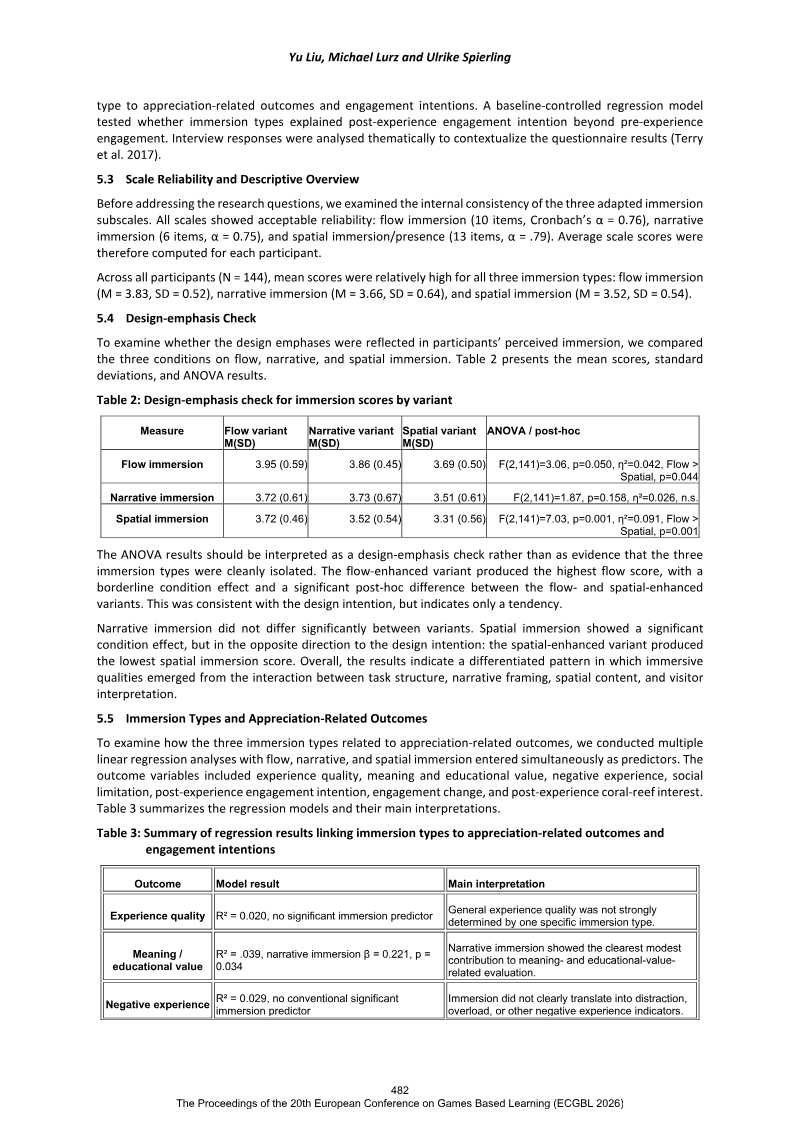
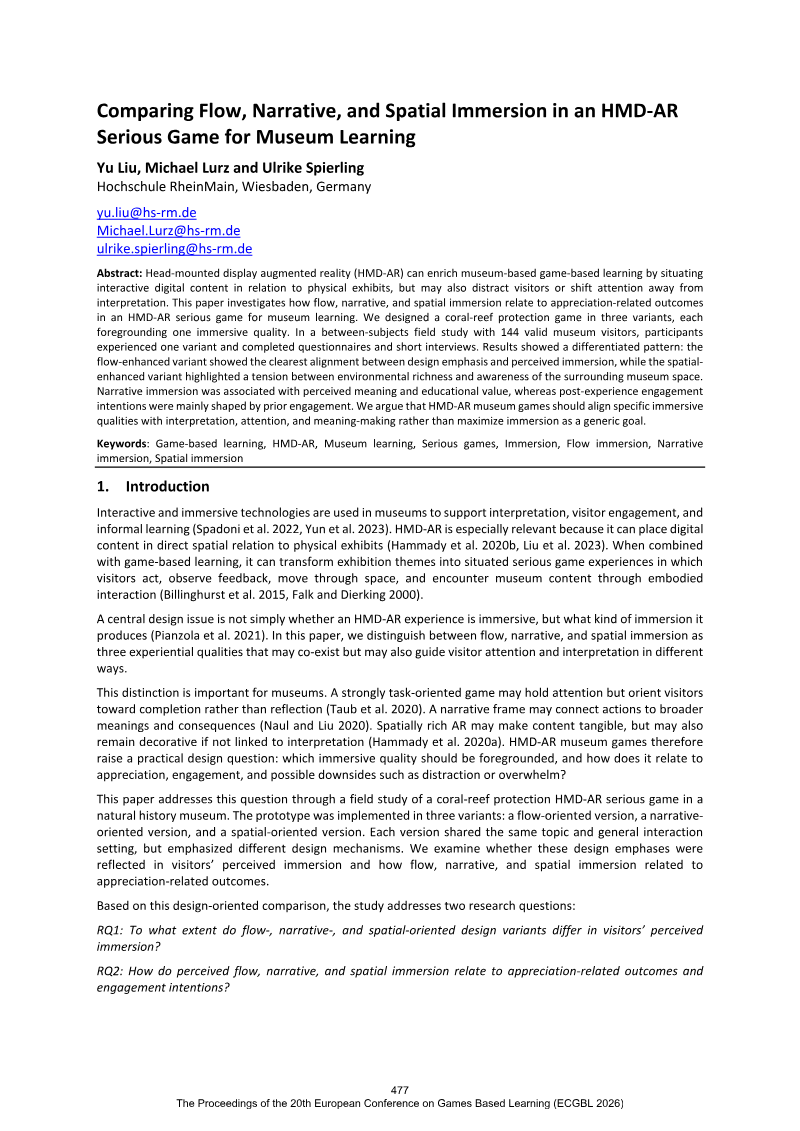
Comparing Flow, Narrative, and Spatial Immersion in an HMD-AR Serious Game for Museum Learning
European Conference on Games Based Learning (ECGBL) · 2026



Whitepaper
An Early-Stage Feasibility and Usability Pilot for an Immersive Serious Game to Support English Spelling and Semantic Skills
European Conference on Games Based Learning (ECGBL) · 2026