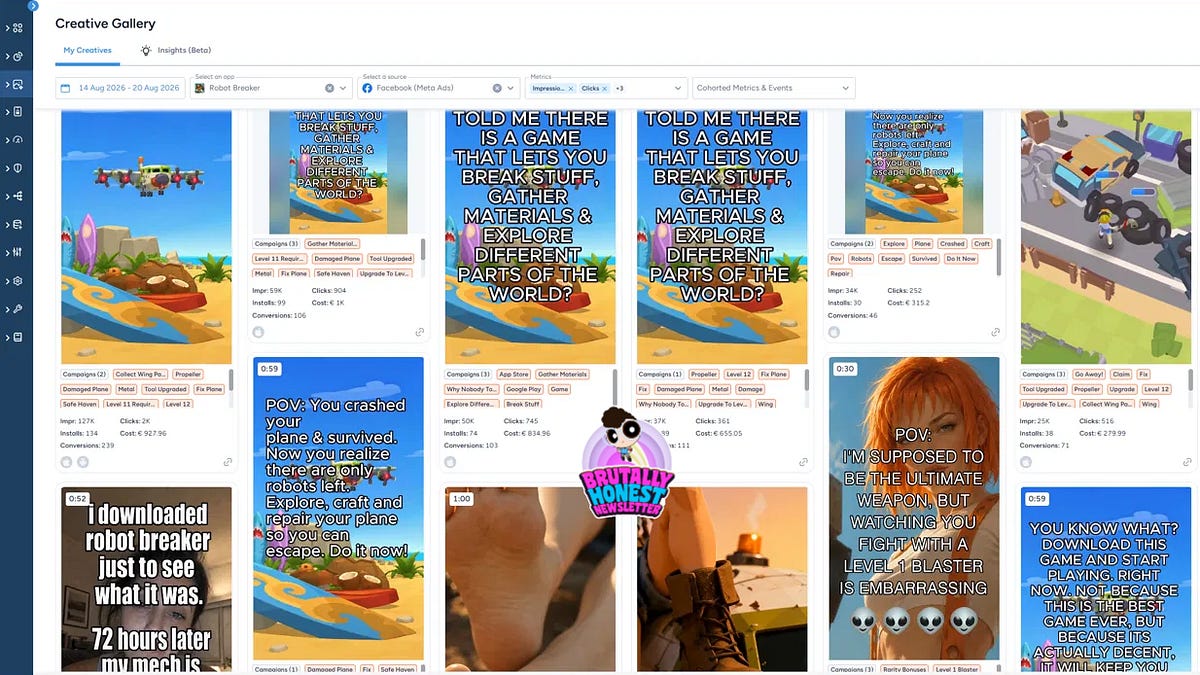
This analysis explores the evolving landscape of mobile user acquisition (UA) within the hybrid-casual gaming sector, specifically addressing the challenges of the post-IDFA environment. The primary thesis emphasizes that success in the current market requires a rigorous, data-driven approach to creative strategy and competitor benchmarking. By utilizing a mix of free transparency tools—such as the Facebook and TikTok Ad Libraries and the Google Ads Transparency Center—alongside premium platforms like Sensor Tower, developers can identify high-spending, high-performing creatives to inform their own gameplay-tailored marketing assets.
The scope of the discussion focuses on the global mobile gaming industry, with specific attention to the European market and the rise of hybrid-casual titles. A significant case study is presented regarding Voodoo’s recent performance, highlighting the success of Block Jam 3D. This title is part of a broader trend where strategic iterations over several years have led to a new generation of casual and mid-core games. Data points indicate the massive scale of this segment, noting that hybrid-casual games reached five billion downloads in 2022, representing a 3% year-over-year increase despite broader market volatility.
Methodologically, the findings rely on expert qualitative analysis and performance tracking of top-spending creatives over 30-day windows. The narrative also critiques industry pressures, specifically the friction between venture capital funding and disciplined product management. It concludes that maintaining strict "kill KPIs" during soft launches is essential for long-term viability, warning against the tendency of funded studios to push underperforming titles simply because capital is available. Professional success in this era is defined by the ability to pivot quickly when retention and monetization benchmarks are not met.