This industry analysis explores the evolving landscape of User Acquisition (UA) in the mobile gaming sector following the implementation of Apple’s App Tracking Transparency (ATT) framework. The primary thesis asserts that the era of universal creative assets is over; developers must now employ platform-specific creative strategies and rigorous testing frameworks to maintain performance across fragmented channels like Facebook, TikTok, Google, and SDK networks such as AppLovin and Unity.
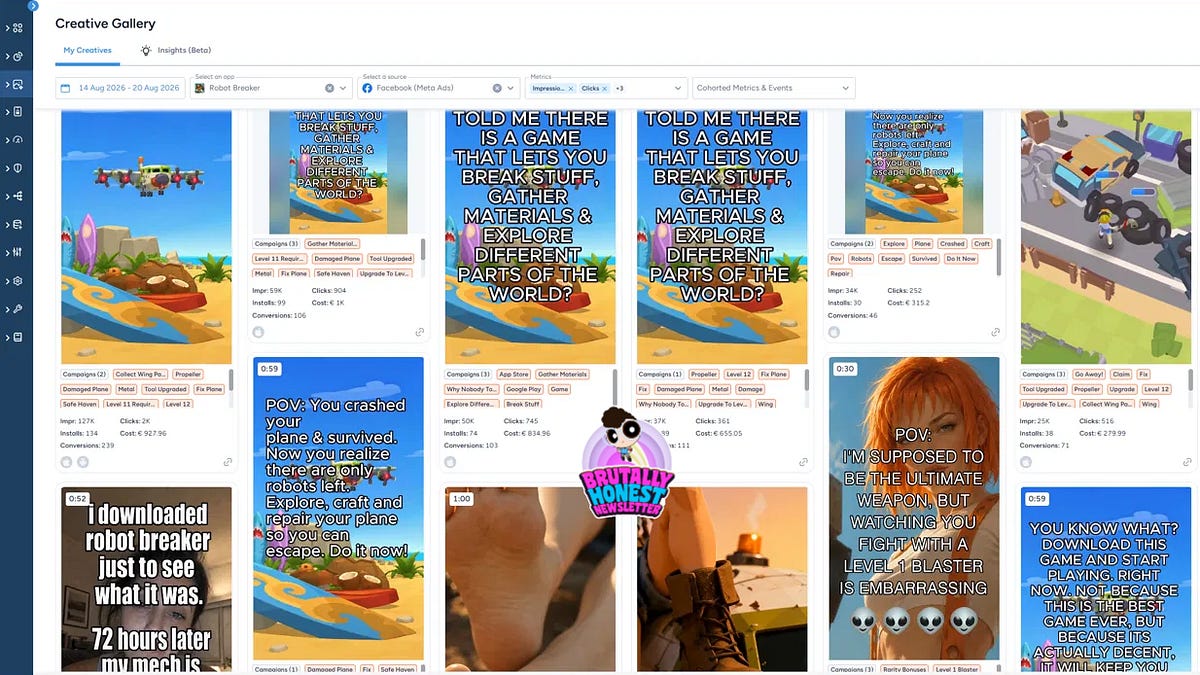
Key findings emphasize the rise of specific creative archetypes, including User-Generated Content (UGC) with text overlays, AI-generated statics, and hyper-casual mechanics. Methodological recommendations for creative testing involve utilizing Tier-4 countries for initial Install Per Mille (IPM) and Mobile App Install (MAI) validation before scaling "winners" to Tier-1 App Event Optimization (AEO) or Value Optimized (VO) campaigns. The analysis highlights a shift toward "passive play" and hybrid genres, exemplified by the success of Habby’s Capybara GO, which generates approximately $800,000 in daily revenue by blending RPG elements with social casino mechanics.
The scope of the analysis is global, with specific mentions of market trends in the United States and emerging creative strategies for various tiers of geographic markets. It also addresses broader industry shifts, such as the increasing role of generative AI in game development and the competitive dynamics between major publishers like Voodoo and Rollic. The tone is professional yet direct, providing actionable insights for UA managers and game developers navigating the complexities of post-IDFA attribution and creative fatigue.