1 free read left. Create a free account for unlimited reading + AI research.
Create free account
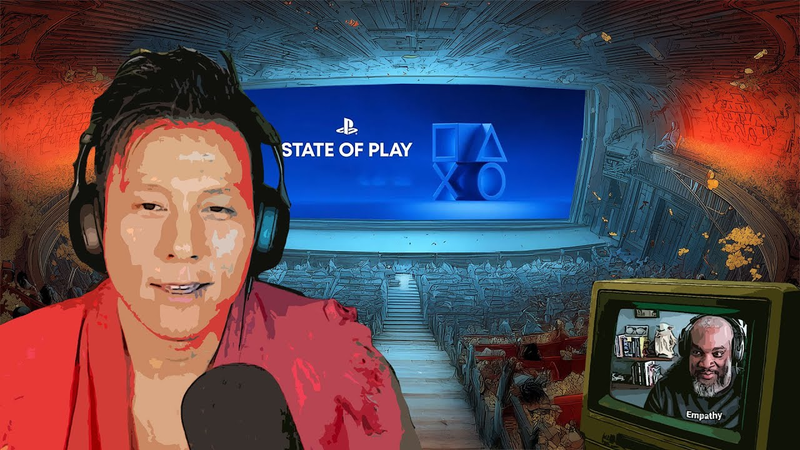
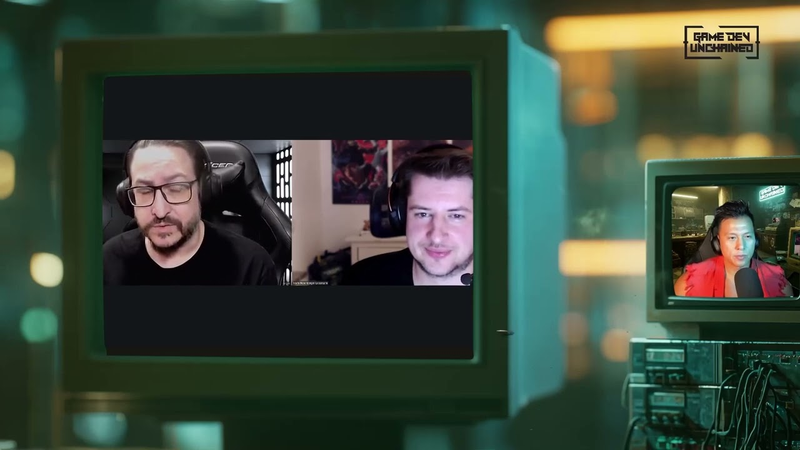
Breaking the Sound Barrier with Elias Software Featuring Kristopher Eng and Philip Bennefall | 235
Key insights
5 takeaways- 01Adaptive audio technology shifts creative control from programmers to sound designers by using visual scripting interfaces to decouple audio logic from core game code.
- 02Implementing real-time, iterative audio environments early in the production cycle reduces technical bottlenecks and minimizes late-stage development crunch.
- 03The industry is moving away from outdated, linear audio processes toward specialized software that supports remote collaboration and scalable project architecture.
- 04Modern, code-free audio tools allow for immediate adjustments without requiring a restart of the game engine, facilitating more agile development workflows.
- 05As interactive storytelling and high-fidelity game engines converge, integrating sophisticated audio design from the earliest stages of development has become a requirement for maintaining project quality.
Ask AI about this video
Transcript
[Music] what's up everybody welcome to another episode of game dev unchained the number one game development conference about game development and a lifestyle thereof i am your host brandon pham and joining me two special guests christopher ing and philip benefall all right so this is actually the part of the podcast where the guests such as yourselves uh introduce yourself to our listeners and viewers out there who you are where you've been and where you're head yeah should i start philip yes yeah i'm christopher uh i started as a composer i almost said i'm still a composer but i also
was the guy handling the idea for our adaptive game music tech and i'm the co-founder with philip for elias software um i still i'm the product owner and i work with a lot of things within the company but i also compose so i compose almost half my time right now for a game called it takes two uh yeah a short introduction philip yeah um and i'm philip benefall i'm a i'm a developer i i usually code in c that's where i feel most at home um i'm blind since birth um so i code a little bit differently from what you might imagine i i have a speech synthesizer that reads the screen to me and then i just type on a regular keyboard so um my workstation looks a little bit weird uh i guess from for most people i don't even have a
screen on my desk so um people are like well where's the computer well it's there right there yeah so that's usually how we start um but yeah i'm i'm also the co-founder along with chris and uh yeah i i handle usually the low-level stuff um you know performance and uh stuff like that's what i usually do on a daily basis yeah and the reason you can't see you is because you're blind right now yeah it's the other way around sorry exactly webcam shy but uh there's a lot there's a lot to unravel here so first of all of course phillip we just have to address like that that is a very huge uh well to you it seems very normal right like it seems like nothing out of the ordinary um you have your tools that you need to kind of perform at your work yeah i got my terminal yeah the industry as a whole i i think in the last six months especially have been trying to driving
towards being more inclusive and for accessibility and a lot of that is because we are meeting online and workplaces have to adapt to not being at physical workplaces anymore do you feel that change affecting a lot of developers or are you seeing that yourself or um this is something i've noticed in the last couple of months because of kovid where yeah where everyone's meeting online more yeah i mean i've certainly noticed that and you know myself included i usually work a lot from home because you know i can work from pretty much anywhere that has a c compiler and a internet connection you know but uh i you know the funny thing is i uh my code runs in a lot of games and i can't play any of them uh which is a you know it's always a bit of a inside joke uh you know it's kind of sad though yeah it is i mean i do i do make games for the blind as well as in my in my free time but you know those
are sort of the same as you know regular games just without uh the visuals so anything that you would normally represent with uh visual cues you know graphics etc are done with audio cues like dialogue music sound effects etc so that's sort of my hobby when i'm not when i'm not working at elias and and of course christopher you were kind of mentioning that uh you know you you and philip created this company and its focus is on sound and reimagining what sound how it works within the game industry within games uh can you kind of expand on that a bit on what elias is about absolutely um when i uh when i got my first uh guessing composer for for a game it was
kind of a really cool game it got cancelled and but it was really cool for for two years in development and it was me and two other composers making music we had a real symphonic orchestra it was kind of a dream gig but the thing that i was so surprised uh with was that it wasn't really connected to the game not in my opinion it was like yeah here's some music and here's some other music i would just crossfade and it's like a kind of dj approach i didn't thought it sounded any good so when that game got cancelled like i had a lot of free time and i started to write down my ideas and and i also actually did some demos i had what was that game i did time shifter i think it was called
i you could do your own levels and i did a level and i i i composed music for it and i showed it to some game companies and told told them about my ideas and everyone said that well come back to just with a prototype and i'm not a composer i i'm not a programmer i'm a composer so um the only thing i can program is a commodore c64 but that's not the newest tech out there so i realized i need i need a programmer to to make this prototype and i used to write music for phillips games and i thought well isn't this the perfect guy he's a great programmer but his ears are also like extreme and i i asked phillip uh yeah yeah can't you philip what was your your reaction when i came up with this fantastic idea well i did think it was a fantastic
idea and then you asked me can can you do it and i said no no no so the reason i said that is because i was worried about the performance implications you know we only have a tiny slice of of the disc and the cpu of a game you know so uh i was thinking that probably too heavy you know because it's going to be like this and like this um but then i thought about it for a few days and i came up with some solutions that i and you know i thought maybe this would make it you know a little bit lighter um so i actually called him back you know i i told him no at first and then after about a week i called him back and i said hey uh i have some ideas i don't know if it's gonna work but uh let's make a prototype yeah and so it did and actually one of the studios uh tr uh decided to try it in their game gauntlet uh the studio was uh arrowhead in stockholm uh i think it was yeah it was warner brothers games released that game and it worked really well
but the interesting thing is from the beginning the only thing that i cared about was to make the music sound right in the game but quite soon we also needed an interface and uh i just almost did it the way i i wanted i i didn't care about what was hard to do or or anything like that we had a guy in the beginning that anton holland is his name that just had to realize my ideas with a graphical interface and actually we understood quite early that alliance was not all about making the music sound good it was all also about bringing back the control to the composers so you could actually try everything with adaptive music and so on and that became a core thing within elias to to change the workflow and right now at elias we are also expanding to
to handle uh sound effects and and everything that sounds in the game with the same approach because i realized not only composers needed to take back the control also all the audio guys out there were actually almost completely dependent on programmers and and they had no freedom at all so and i didn't realize that at first so it made sense so we actually brought in a guide to the company an audio designer uh a mons um this is first time in my life i forgot his last name uh so he he's he's been working really hard a couple of the last couple of years with this audio part of elias and we're going to release that yeah we already have a beta but
somewhere q1 next year so we moved from just handling not just for me it's the most important thing in the game the music to handling adaptive game music to take care of the whole audio chain so that is where the company is right now yeah maybe for a little bit of context we we started prototyping like early 2013 um so it's we've been going for a while we've been an official company since uh 2014. so um the you know we've we spent a few years uh building up the infrastructure and you know really testing the waters and yeah this is where we are now yeah i think you're muted there we go yeah soundtrack and uh music y'all man i just realized i'm talking to two sound engineers so this is embarrassing
i'm super self-conscious now sound tech and music software or at least the the sound department i've always felt a little bad for it because you guys are always like kind of handed over at last minute and you have the littlest of time to actually work with the game right it seems like everything is kind of like um delayed to the very last minute and then finally given to the sound department and in my opinion sound is the most essential part for storytelling uh i think with sound you can tell complete story uh absence of visual needs and the vice versa isn't the same uh just being able to kind of play a game with no sound it just completely removes the experience in my opinion right yeah i mean take it take a comparison if you're watching a horror movie you know and you turn the music off it's not going to be as scary anymore hitchcock's not the same you know
i actually stole that i stole that line from you chris it's like an old prize years ago yeah but i liked it so i'm gonna yeah yeah you said one really interesting thing that i also when you're doing like music or sound for for film or uh you're also last in the in the chain almost as a composer you need the final cut to to make the music but what you're doing uh cannot uh you you can't um what you can't create bugs when you're you're making a score for a film being an audio team and the composer coming in at the last minute you will introduce bugs and that is also one of the most important thing we are solving with our engine so that the audio teams can start from day one they don't need the whole game to start working
uh just to avoid that i think almost every game out there the audio team has been in crunch for like at least six months before the game is released so so we are trying to solve that yeah essentially uh to break it down for for the devs who might not be familiar with um a lot of audio software what we're doing um is it's a sort of uh visual scripting language uh so you can you know you can see exactly what's going on you have a lot of um like runtime debugging that that hopefully should make sense when you're watching it and um the idea is that you get inputs you know basic inputs from from the game engine itself um and then you actually like or rather the audio system that we're building handles the logic so you script the logic within our system which means that you're in a bit of a sandbox like if you mess up yes you can mess up the sounds but you can't actually have an impact on the
rest of the team you know like if you're if you're working like right in the game engine uh you can easily introduce bugs for other departments which we're trying to minimize as much as we possibly can yeah yeah i i think what you guys are doing is pretty essential because like i kind of mentioned because being last in the chain and i i've been kind of seeing this with with animation like um like certain departments just haven't had any software updates like um i i come with an environment art background and so when for with environment artists character artists pretty much visual effects artists you see like these major upgrades uh and every year there's new software that we have to like sit down and buckle down to learn animators are still animating with maya or max there are better improvements with mocap and stuff that are slowly but they're they're they're a little slower and then
the the the the sound department uh because i don't know what it is um maybe you guys can give some light into this uh kind of paint a picture of you know what what is out there for sound designers uh where elias software had to come around to kind of fix this issue what was the landscape looking like where you guys felt like there was a huge missing need for competitors out there yeah for me it was like uh there are two i don't know there are two great uh softwares out there that are solving a lot of important problems with with audio um the only thing is that they i'm trying to put this kind of nice but they are solving problems uh 15 years ago right and these problems
need to be solved today as well of course but i think as you said all the other departments has got new tools since then and and you you expect the way you expect today is that if you're in a composer you would be able to handle the whole process of implementing music to your game that i think would be the most composer's idea when they start working and then when they realize okay so there it has to be like three or four persons betw between me and the game like uh programmers and audio guys and that is quite surprising i think for for but but i think it has to do a lot what what you just said that um yeah yeah if i i i don't
find the answer to to why the audio part is so slow compared to other departments but do you have a better answer philip well i mean i think it's just a matter of of you know reducing the underlying complexity when it comes to how much coding is needed i think that's you know where the major game engines have taken leaps uh you know in the last decade certainly and i i feel like audio has been left behind and i mean uh just given you know how we've set up our you know visual scripting system it feels weird for me to advertise visual solutions but i'm going to do it but yeah i mean you know like it's it i think it really helps to be able to see exactly what's going on and be able to follow the control flow in real time as you're playing the game because that's another important point is that you can actually change the logic um of the audio as you're playing the game without restarting the game that's a huge um important point to mention is that
you don't have all this iteration time going back and forth back and forth rebuilding you know sound banks restarting the game or sometimes even rebuilding the game none of that you know you can just you can do it live and that's a i think that's a huge boost for productivity if anything yeah absolutely i i think also we got a lot of input before we take the took the leap to do this audio part we actually helped a company called orchestral tools building their new sampler uh and it was kind of the same when they first talked about their ideas i was i was a little bit like uh well do we need this uh i was perfectly fine with my samplers but then using the sampler now i can't go back so it's it has to be someone i think that that take takes the first step and then you realize why you needed it yeah i think i guess to do help paint
the picture in my experience the um the sound department had always been like this very intimate small group you guys always had the best office out of everybody i always tease the fact that you guys are streaming movies all day with your surround sound and setup in your private soundproof office all the time uh so for that reason there's so much uh there's so little limited so much limited rooms uh i i don't know what it is but it seems like this the sound department has always been like three to four guys at most um per game company that i've been at and uh i don't know if that kind of translates to maybe why there has been a slower push to new software uh yeah that's that's uh i think you're on to something uh i think just because
uh the audio department they can't work at least before they can't work at the same time in the same way as other department can do can't collaborate as easy so it makes the department smaller they have to have to be kind of serialized in the process so that could so just the fact that that department used to be smaller it could be a clue as well of course people using uh unit or unreal at the company will always be more people and then that is using the specialized audio software yeah and one of the biggest software or need for software upgrades have always been at least an environment and art department has been because of real-time feedback something that uh philip you were kind of kind of alluding to because um the old way let's take light baking
for example or older proprietary engine that isn't unreal or unity where artists literally just the best way to use it is blindly just kind of light a scene and walk away basically until they they kind of bake it onto a console and kind of take a look at what they've done and that was a process for a long time and because of well most recently ray tracing and all these other lighting techniques and needs we're able to kind of light an environment uh and see real-time feedback right and this is sounding like something that you guys are doing with elias software where composers especially uh are needing to see the setup and not only that seeing how having full control of scenarios of the player's movement and and and be able to play with that
so that alone is something something new that i haven't heard of and uh very exciting if you guys can expand on that a bit yeah that's exactly right i mean um so we're trying to solve essentially the same fundamental problems for composers and sound designers so we're trying to cover both fields you know um and i think uh being able to actually prototype at an early stage of the development process before you know the scenes are done the artwork's done you know you maybe you have just like the filler sounds you know things like that it's like really early you can still prototype your logic even within the software without even having a game engine attached you can actually prototype you know your your logic flow your control flow so you know there's a small step from being able to try it at that early stage and actually coming up with models uh you know for your audio and then hooking up hooking this up to the game engine and taking
you know in like real-time input and then seeing how it responds um that's a smooth transition that you're doing you can actually you know start early build up your your data structures essentially you're you know not not in terms of coding but like in terms of when you know for example when i you know um my foot collides with the ground uh you want to do a footstep based on for example is it the left foot the right foot is it snow uh is it concrete are we walking are we running uh are we landing after a jump all of that you you set up from within the audio system so the only input in that scenario that you would take from the game engine is okay foot collided do something you know and so if you only need that small amount of input it becomes pretty easy to try out different scenarios and swap sounds you can even swap sounds in real time as you're playing as well so when you finally hook up the game engine to it uh it it's a pretty smooth process you know
to actually try it out um and yeah and an important important field is the game and it is hooked up to you can do everything you just said live so yeah yeah exactly so you can do it either within the software when i was like i was describing in the early stages or you can you know you can do it while the game is running like i said before yeah so you can actually uh you know play the game uh make some small change to the logic in the software do not restart the game just take another step and you'll notice it yeah sorry yeah i just realized when uh when i'm redesigning the music system now for this new engine um i got kind of stuck a couple of times or 20 30 times when you're trying to cover all scenarios until i i realized what i was trying to do was that we need to and it's the same for the audio department we need to to design for for every um
what they call it every well at first as a composer the thing you want to do is just throw in some files and test uh how it sounds to go between them and so on and just some easy previewing and you don't need the game for that and that needs to be the way it is today actually in our music software but then you want to arrange your music for for the game uh and that's a kind of a different job then then you're going more into details and and uh uh you need to be able to tweak whatever you like and so on and then also the implementing part of it needs to be uh creative and fun and and uh no code in in our case the visual scripting i think most of the solutions out there are either taking care of the last process let's say uh you're doing doing a very
small game you're in the beginning of a game but you need to go through a million of million tools a million stages of that software just to make just to try it so it's not really work it's not really made to do some uh previewing and some first steps if you like and then you can also do the other way around where the software is really easy to preview and start but when you come to the end of the game you don't have all the tools that you need to make it safe for the game um i'm not sure i'm making 100 sense here because it's still but but but i think what we're trying to do is that you should it will be it should be intuitive fast and fun to work with from from the start but you also need to it needs to needs to handle the
bigger games with thousands and thousands of files and so we need to really have a really great file system and so on and i think that part is is your part philip yeah that's the last part yeah yeah to make it really stable and and uh connected and make it scale yeah yeah and my part is more the first step of trying to be uh i'm trying to to be that composer i was back in the days when i didn't know when i hit because that is what what we're trying to do technology for composers and not for engineers yeah and i think that plays a major part and to kind of relate like uh less with working with unreal and unity um proprietary engine for artists have always been a a new program for a certain aspect it's like literally a new program
for modeling a new program for lighting it's all a separate program that makes into sometimes going back into maya as the main engine to make everything work in tandem and a lot of the times the experts uh are the ones that are uh not exactly fully creative with their job but it's more like how fast can they get from a to z uh by guessing like who is the best guesser of how it would look at the end and in your case is how it sounds at the end when you play it on the console and as you can see that kind of leaves out a lot of the creativity and room to experiment during the process which is essential for game developers for any creatives to kind of play with things and and not be worried about time and yeah time if anything for game developers the key thing is we're always trying to hit deadlines so i mean there's a lot of constraints already with game development and
having tools being a blocker have always been at least in my experience been so frustrating uh to create anything and so to hear a solution at least for the sound department finally from you guys uh if i can just go ahead and ask it's like you know what what where you know what was the time frame before and after elias software that composers were dealing with like how long would it take one from from from concept to finish um you know pre-2013 with you guys just to paint a picture for people out there to kind of see you know how much time is being saved by by by working with your guys's software yeah i can just talk for for my own experience uh we don't have any it's hard to make kind of exact numbers and so on but uh working with that the game i did before was more like you know that you're gonna write to
something and you get you get kind of a you get a uh playthrough of that level and then you start making the music for that level and you kind of guess how long you will be in this certain level uh and let's say yeah you're going to play if you're not that good gamer you're going to be in this area for i don't know five minutes or something like that and then you you probably make kind of two or three minutes music and you loop it that was how it did it and and the way it was i we did the music we sent it over to the studio and like a month later we might see it in the game and maybe even play that level and very many times you realize at that point that okay we need a lot more music here
too bad the we can't hire the symphonic orchestra again we have to to use some some other software to to fill in the gaps and so on but uh and it was like that the whole process that you see a result like a month later or all of the time um so in that case uh it wouldn't be fair to maybe compare it because we we didn't handle the we we just composed music it was all the way and we gave it to programmers or audio guys if you if you know these other programs today it will be faster of course but we had some there were one guy trying to compare us to other uh middlewares and did the same adaptive music in all of them and was it like philip three days in others took three hours an
hour yeah something like that yeah yeah yeah so so so that but yeah so uh that of course triggered us to to really uh continue on that path uh try to because the the main thing with elias is that we really want to give control to the creative persons they need to be able to do everything possible they can do because every time you have to rely on another person the creativity dies uh it's very hard to go in to the mode again like for us a month later trying to imagine okay uh why is this music sound like this um and and maybe we've got another playthrough and that's also very what i thought was very strange we actually did film scoring to one person's
gameplay and if it's an open world or something like that you don't know how this person will what route it will take and so on so that that gets even more important to you have to be able to play the game with your music as fast as possible as a composer and i i think it's the same way if you think of other areas for a composer today like if you go back 30 years then you might have you you wrote down something you played on your small recorder or something but then at the point you went into the studio and you were in the hands of producers and engineers and things like that we don't have that today because having a studio today is so cheap for anyone so we we start hearing music even the pop music that with a lot of experimentation uh more than before because it's possible and i would like
that to be the case in the within games as well you choose the composer because of his composing skills not if it's technical enough to do it if you see my point yeah and i'm sure like aside from just the time of uh being able to spit out a quality uh product um versus how it was before where the process would take longer that uh like you said the experimentation the you get more variety during those three hours versus three days where the composer is not shy from trying new things because it's so iterative it's so fast and that alone is already uh making the industry better i think and like what you said like it's very odd that uh we always treated games like film because we're very different and it's very natural to make the connection but
we're way more interactive and the player is literally leading um the story right yeah in the movement and so at least on the art side we've been trying to adapt to that with lighting and material changes and visual effects to visually kind of support that but audio has been something that been lagging a bit behind because of the tools and and i i can't under i can't highlight this enough tools to me and i've worked on so many different engines so many crappy ones and tools have always been [Music] a major factor in how i'm going to enjoy this game development experience or not especially if you were exposed to good tools before and then suddenly you have to like go back to caveman drawing tools it really hurts you as a game developer to like why are we still doing this it's like aren't you guys paying attention outside look out the window and see what everyone is you know what the cool thing is to do now
it's it's um it really just really kills the mood and creativity uh to the point where you're just trying you're just doing what you know versus what you uh and explain what you don't know instead of exactly what you don't know and an important thing is i i think the boundaries of music in games hasn't hasn't been pushed yet because there hasn't been a way to do it uh if you see what i mean because um to be able to push the limit of what game music should be of course it will be something similar to to film scoring but as you said it's uh it's uh adaptive and and the only way to do that i think is if we get rid of all the middle steps the composer is actually composing for the game with the game in the studio so he can do some horrible tries it does if he thinks well this should be
first tries doing a ship tune and then no maybe a symphonic orchestra or this or maybe have a metal he should be able to to just throw in ideas and try them and now i don't think you you dare to do that because because you know the the time limit and so on so it often ends up on simmer copies a lot of the times because you know it will work so let me throw a question over to phillip i'm i don't want to glaze over this because you know we're talking about sound and hearing is kind of like your superpower and uh and recently this year especially there is a an attempt for accessibility right and uh which also means that years before accessibility was non-existent
at least in my viewpoint right but uh somehow you you found yourself in this game industry and you were kind of commenting as a joke like you you make games but you can't play them right now um do you mind kind of giving a bigger glimpse of that because i think that helps with um helps with why you guys develop elias software because you're essentially creating an avenue for developers out there that are uh haven't been paying attention to frankly right and uh i think that's a huge component of who you guys are too it's like you guys are really concentrating on making sure accessibility is a major point of this yeah i mean i i guess um you know i guess can i say good audio middleware doesn't give you accessibility uh automatically it doesn't really work like like that um it's but i mean having good audio tools is an essential part of of being able to design audio environments that are you know inclusive and and that are
immersive enough to uh to to give you that experience to give you all the i guess indicators and and sound cues and so on that you need in order to make a game accessible but there's still a lot of other types of work that goes into making a title fully accessible some companies have been taking steps on console and so on to to do that recently which i think is great we're not there yet but you know the fact that the industry is recognizing it i think for me personally as a totally blind person is a is a huge deal i mean i'm i haven't been able to play games for a long time i mean like i said uh i i make games for the blind you know but they're sort of inaccessible in other ways because sighted people can't usually play them so they're they're not inclusive either you know yeah yeah and you die it's hilarious i just you know i will pay you just to watch you die if yeah i didn't i i didn't understand a thing oh well i mean but but to be serious
like i think um you know the accessibility aspect in the in the gaming industry as a whole is huge and i think maybe in a small way i can influence that and if i can you know even help the industry in a small way forward i think that's you know that's worth my time and also i i think we need to say that in the beginning of the last uh my main thing was that of course our own software will be accessible and it was like that for the first year i think philip until we got a lot of client requests and things like that we had to just be able to to build things for the clients and those features uh kind of what wasn't accessible yeah i mean it usually happens like when you at least you know when making software in general um usually when a piece of software is accessible at least in the old days it used to be that software would be accessible by accident and what i mean by that is
you know if you use if you use the old-fashioned you know components like um say on windows you're using the win32 api and you're using the you know the regular window control creation functions etc etc it more or less becomes accessible out of the box now a lot of gui's and especially games aren't rendered like that they're rendered you know with with uh like opengl or or whatever something that uh the software that we use to to access you know computers called a screen reader can't interpret and you know in a game of course it's it's impossible you can't you can't gleam even the slightest you know piece like amount of information from the rendering uh at least not at least not so far um so what's that what's needed there is you know the ability to show everything that you would show uh you know with graphics to do that with sound um or indeed other uh you know ways of conveying information i mean it's it's really easy can you
turn the screen off and win you know if the answer is yes and you've got at least blind accessibility there's other type of accessibility that you know the industry is working on you know um like uh you know it could be for example if you're if you're deaf or if you have a you know some some other you know diagnosis that somehow hinders you from enjoying the experience fully i mean those are those are important points and i think um for our part at elias you know we can we can work towards better audio solutions and that i think in the long term will also help improve accessibility because you know people have the audio tools at their disposal they have more time to focus on it so i mean if the audio team has more time why not put more accessibility in there and i think it should be you know for for um a studio that has you know high reaching goals for inclusivity in their title accessibility should be on the table it shouldn't be an afterthought it should be there from from day one and it really needs to be if you're going to
design an inclusive experience it has to be now i'm i sound like i'm uh you know on a crusade here i'm not really but i i do think it's important you know and i think the industry is moving in the right direction but one exciting thing that i i think when we are developing is that uh when we take the the we we have a really graphical interfaces it's not made for you for you but then we realized that not not everyone wants to work like this not that everyone wants to working in the note graph so there needs to be other ways to work with the sound as well and then almost by accident again we get it accessible for you uh slow by slow uh where you will be like the power user for that system yeah yeah so you can expose it in other ways like when we're talking about development tools um you can expose it via scripting like say python or lua or something like that you can expose it via keyboard shortcuts something that i'm not personally very
fond of um you can expose it through you know having a really good tabable interface really good menus don't use ribbons uh things like that yeah i completely agree with you guys i think the be more inclusive makes a better product at the end because now you're more zeroed in on certain aspects to tell the story and not have to uh rely on one thing which is mostly visual to kind of get a player from point a to point z and uh it actually puts pause a lot to to creatives to to take a step back i think to kind of review the product as a whole and um i've seen a lot of uh at least some effort this past year because of not not directly with gains but at least the development of games it seems like
because of the pandemic kind of shifted our mindset a lot to how we approach game development process where people used to be in the office all the time and now people are mostly relying on you know the internet to kind of connect i didn't go to the office in the first place right right so now everyone is like uh adapting to how you were working phillip where yeah where before we had these like uh subtle cues in the office that we can rely on now we have to be over communicative uh to make sure that everyone is working towards the goal on this you know uh and hit the deadlines right in addition there are very few positive aspects of this horrible pandemic but i guess one of them uh in in some in one way if we're gonna look for a positive aspect it would be increased communication i think um yeah that's for sure and i think also it it's made more people get gets the information within the office
because many times you forget to tell someone or something like that at the office but in this way everyone gets the right information i think yeah it's definitely trying to make it a lot of studios are struggling right now which is one of the side effects of the pandemic being so long is that it's really pushing people to figure this out and not have to like uh just abandon it completely or the progress we've made right because it's like hey guess what the pademic look outside the window it's still here so even though this is hard you're still gonna have to push through this and figure this out to make sure the communication is still there uh because it's looking like this for the next year and a half yeah i mean we're doing pretty well though we're a small agile company you know we we can uh you know we can move pretty rapidly and make changes you know and that's why it's one reason why i love it because you know we're able to adapt we're able to you know make the changes that that are necessary to you know
to not know not only survive but actually thrive and grow you know which is what we're doing at the moment absolutely so one of one of the obvious advantages obvious is is that your software is allowing sound designers and composers to to have fun right which is i think the main thing with any great tool and uh which also makes it difficult too because it with some design senior designers and composers they can go from studio studio and like this is the stuff i need you know get it from me right uh and hopefully that's the case forever and ever and uh how much are you guys that are hearing from designers that are so used to your tool uh i i can't imagine them having such a tough time to kind of like continue using the tool but again the studio is kind of like dictator of budget and all this stuff yeah i think how much do they miss your stuff when they can't use it anymore it's essentially one of them yeah i think being a composer using
elias and in the next game uh you're not allowed to i think it's uh uh it's kind of frustrating i've been there myself i'm actually helping out with the game that studio that isn't using elias and helping up the composing there and it's of course it gets frustrating especially when you maybe work like three or four weeks building a kind of a system on top of what they're using just to be able to do things that elias could do out of the box for me especially that gets extra frustrating but i i i think what we're doing right now with the new audio solution um the toughest uh thing i think is gonna be this kind of studios that isn't really making uh how should i put this there are so many games out there where where the
actual economy is more important than the game idea and these studios will are really satisfying having old proven tech sitting in their office and they don't really care if it's old or if it's these students will be the toughest i think our first students and the first collaborations we have already it's with this kind of students that are is trying to to break new ground and then do something new um these are it's gonna be our first clients or collaborators really adopters i guess and hopefully adopters yeah and hopefully these guys will move on to the next studio and they want to have the same experience and so on and eventually we even meet this
more money machine games uh also because we are going to help them um with the process uh we did have a case though uh a little while ago where uh you told me that the composer friend of yours lost a gig oh sorry um yeah yeah because he wanted to use elias and the studio didn't know what was it what was this no it was the other way around around he didn't know elias oh yeah that's right so he didn't get the gig and uh but i actually talked to that student and said well this composer will we'll learn elias in a day tops so he can still yes so don't uh don't fire him yeah exactly yeah i think in my experience it's been always the same it's always the artists or developers kind of pushing for a tool and software because the man with the money right it doesn't
know anything like so why don't you use software 10 years ago we made gains back then they still make games now you know there's a whole argument usually about new software and uh yeah it's always up to the senior developers the lead developers of that department to kind of push for and a lot of his demoing really it's like hey using time as money it's like hey instead of me paying me three weeks to do something i can do it in three hours like what what would you say you know that's when you kind of get their attention uh the the initial investment is worth it yeah absolutely i actually i actually heard about just uh the other day uh i was so glad because i heard an opposite story because a guy wanted of these liars and the reason you want to do this is that well this time are um we have a it's kind of a risk project and a high budget game so the studio
don't want any old software and i was like yeah that's the way to go that's the opposite of what i'm used to used to hear so so they really wanted to have the new the new tools so they don't waste time and so on yeah and a lot of that is just uh just letting the industry age a bit to understand what good tools mean and uh somehow that trickles into the upper management in in a good way and helps developers uh around for sure so we're almost at the hour mark guys i want to thank you both for for coming on and chatting with me i do want to end it with one last question and uh that is a fun question especially with software developers such as yourselves is that i always like to kind of talk about what the next five years look like uh either for the industry as a whole or your your specific discipline which is
the sound department like what are you imagining with vr ar with mobile device all these hardware that's coming out and all these new ways to experiment interactive stories um you know even with netflix right uh no not not a lot of people uh account netflix with its like choose your own adventure which is like a new thing that they're trying uh as a game but it essentially is a game and i count it as a game uh industry uh uh pioneering right there um where do you feel elias software sound in general is going to be playing and growing in in those areas well uh sure do you want to start yeah you're no you're the product guy you want to take that yeah yeah to me i see it like this especially when looking at where you do the coolest uh uh films or series right now is
within unreal i think uh with the mandalorian and so on and so you kind of blur it blurs out what is what is the game or what is uh what is the gaming industry and what's the film industry and i think that is just going to continue and continue so it's it's more going to be like uh this is what i think at least that uh okay i'm in the mood for like a new hope star wars and you hope a bad example is a very old movie but let's say it's a remake of that movie i'm in the mood for that today do i want to play it or do i want to just look at it or do i want to have some input uh or do i even want to be in it do i want to have the vr set and everything i think it's going to be more like you choose what level of interac integration you want to be in yourself i think that also make
for for us as a tools company we have to think about that and not just right now in the last years we have been focusing really hard on the on games but i think that is going to open up i actually hired a composer that we're doing uh music for a cartoon and they wanted they were going to do it within unreal and they were also going to do a game they decided after so we actually got the gig as a cartoon music composer but it it automatically became a game composing as well and i think that's going to be more and more common and for my part um i mean i i've got you know two points i guess big picture uh i mean i'm excited about the development in in things like um hrtf because i think that's going to um in a very real sense um increase accessibility actually because you can actually convey more information if you
can do our like rt rtf rthf correctly head related transfer function eight or no hrtf sorry i'm i'm i need more coffee i think hrtf if you can do that properly you can actually convey more information in a clearer way you know from an accessibility point of view so i'm really excited about that of course i'm excited about the tool sets and the tool chains also becoming more more usable for me personally you know and and uh just just the way we can use audio to to make the the storytelling and the overall gaming experience more immersive i think is you know what what fires what gets me fired up you know um but i guess on a personal level uh you know get me my terminal get me gcc uh and get me more pizza and i'll be good to go i i do want to sign off what you guys are saying it's like um it is an interesting time uh going forward in the uh
entertainment business like we seen the lines being blurred a lot between the film and games especially with the mandalorian kind of leading a lot of the innovations uh using a game engine essentially to kind of help with filming the sets um i'm sure you guys are kept up with that too it's like uh you know how filming works after the pandemic is going to change forever with less people on set in the mandalorian didn't skip a beat right john favreau the director of that series we're saying that because of how they set up the digital sets and using unreal that they can have a lot of their artists remote and be able to kind of change the background and just the actors on set and not a lot of people our crew need to be physically there which is fantastic and a lot of that i think with the hardware like you were saying um christopher uh with um vr ar and all these ways to kind of
experience a story will somehow maybe a license or or something it combines all those uh choices and options for for the x user especially to to experience uh it will be just like a a selection process like do you want to play this do you want to see this do you want to experience it in vr uh i i really do agree with you on that it's like it's going to be even more important because i think interactivity is going to be king at the end in the end it's like people want to be able to kind of we're seeing it everywhere right people are on tick tock and people are on youtube like people want to be a part of the story and not just uh you know just be a a viewer of it uh is the best way i can put it yeah but uh yeah i want to thank you guys uh for your time and this is the the part of the podcast where i shut
up and hand the mic over to you guys to promote give attention to uh to anything that you want to talk about so go for it all right i feel like we have promo promoted our software during the the this area but uh yeah if you're interested in trying uh just apply for our uh alliance insiders program and you can try the the the software uh the new software we also have the music product is already out there uh and now i sound like a salesman but but uh you just said well i wanna talk about it could of course be other things as well but now i chose to do that so just going to uh ella software dot com and and apply for the insiders program philip if you can say something less a
cell i was actually going to say more or less the same thing um but yes i mean i i think what i would say in general is you know um consider consider the audio very carefully um let it be an integral part of your development process from from day one don't let it be you know an afterthought and the same goes for accessibility for for different you know people with different types of um abilities disabilities what have you i think you know something that i'm passionate about so i'm gonna i'm gonna plug it um shamelessly and you know try to make your gaming experience more inclusive you know and if if that's hard you don't know how to do it there are lots of people you can reach out to me you can reach out to lots of other people for advice for help for tips you know how do you do this it's hard but i think it's well worth it in the end all right i want to again thank you guys for coming on and of course i'm going to check out a lot of software it seems like it's a perfect tool for
any developers to kind of be uh using the best use of their time basically uh so i want to thank you both and uh see you guys next week yeah thank you so much for having us it's been a pleasure thank you absolutely [Music] you
Summary
Adaptive audio technology is transforming game development by shifting creative control from programmers to composers and sound designers. By utilizing visual scripting interfaces, these tools decouple audio logic from core game code, allowing audio teams to prototype and implement soundscapes early in the production cycle. This transition from traditional, serialized workflows to real-time, iterative environments significantly reduces technical bottlenecks and late-stage crunch, enabling creators to focus on artistic innovation rather than navigating complex technical dependencies.
The game audio industry has historically suffered from a lack of specialized software innovation, often relying on outdated, linear processes that hinder productivity. Modern solutions address this by providing intuitive, code-free environments that allow for immediate adjustments without the need to restart game engines. This evolution is particularly vital as the industry moves toward more agile development practices, a shift accelerated by the necessity for remote collaboration and more intentional communication within studios. By integrating these advanced tools, developers can ensure that audio logic remains robust and scalable throughout the entire project lifecycle.
Looking toward the future, the convergence of interactive storytelling and high-fidelity game engines is blurring the lines between traditional film and gaming. As these mediums continue to merge, the demand for sophisticated, accessible audio design will only increase. Prioritizing audio integration from the earliest stages of development is no longer merely an efficiency gain but a requirement for modern production. By fostering environments that empower audio professionals to work independently and creatively, the industry can better support complex, immersive experiences while simultaneously improving accessibility and overall project quality.








Comments