1 free read left. Create a free account for unlimited reading + AI research.
Create free accountArticle Mobile Dev Memo
1 free read left. Create a free account for unlimited reading + AI research.
Create free accountArticleMobile Dev Memo
Brand equity historically reduces consumer risk and commands price premiums. However, 83% of apps are free, meaning users face no financial risk when evaluating new products.
Brand equity, as defined by David Aaker, Carol Simon and Mary Sullivan, and Kevin Keller, has traditionally been valued through two benefits: the ability to command a price premium and the ability to spend less on marketing while achieving equivalent exposure. Keller's customer-based framing, in which brand knowledge shapes consumer response to marketing, is the most useful lens, since price premiums matter mainly for non-commoditized goods. This 2015 analysis argues that these mechanisms largely fail to translate to mobile apps, where brand recognition should not be confused with brand equity.
Two structural features of the mobile ecosystem drive the argument. First, 83% of apps are free, and 22% of downloads result in only a single session, so users face no switching costs or financial risk and can evaluate apps with near-perfect information on relevance, quality, and network value. This removes the knowledge gaps that brands normally fill and fosters an abundance mentality in which users download many variants and keep only the best. Second, mobile distribution is controlled by two platform owners and functions as a winner-takes-all marketplace with weak search, top-download charts, and editorial curation. Developers cannot place a brand in front of consumers at will without heavy direct-response spending.
In place of brand equity, network effects and cross-promotion become the dominant levers. Facebook Messenger illustrates the point: despite the strength of the Facebook brand, the app only reached the Top 10 downloaded ranks after Facebook forced a download from within its main app in July 2014, which amounted to brute-force direct-response marketing rather than brand pull.
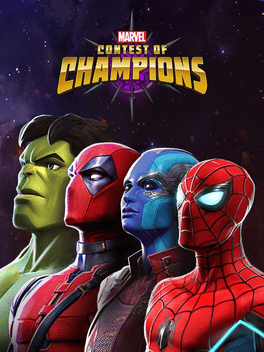
Branded mobile games such as Kim Kardashian: Hollywood, Madden NFL, Marvel Contest of Champions, and Mortal Kombat X show recognition at work, but they typically come from large studios with big marketing budgets, existing networks, and free-to-play expertise, which is partly why they win the licenses. Recognition can lower marketing costs and amplify campaigns, but it does not directly lift revenue, and without campaigns even branded apps risk obscurity. Because scale and retention are measurable, the tension between short-term incentives and long-term brand building is less severe on mobile.
Each row is a game or company this document names, each column a document, oldest first. A mark means that document names it. Select a row to see those documents.

Mobile Dev Memo · 2026
Two & a Half Gamers · 2026
Mobile Dev Memo · 2026
Naavik · 2026
Mobile Dev Memo · 2026
Two & a Half Gamers · 2026
Deconstructor of Fun · 2026
Two & a Half Gamers · 2026
Deconstructor of Fun · 2026

Mobilegamer.biz · 2026
Mobile Dev Memo · 2026
Two & a Half Gamers · 2026
Tenjin · 2026