1 free read left. Create a free account for unlimited reading + AI research.
Create free accountReport British Film Institute
1 free read left. Create a free account for unlimited reading + AI research.
Create free accountReportBritish Film Institute
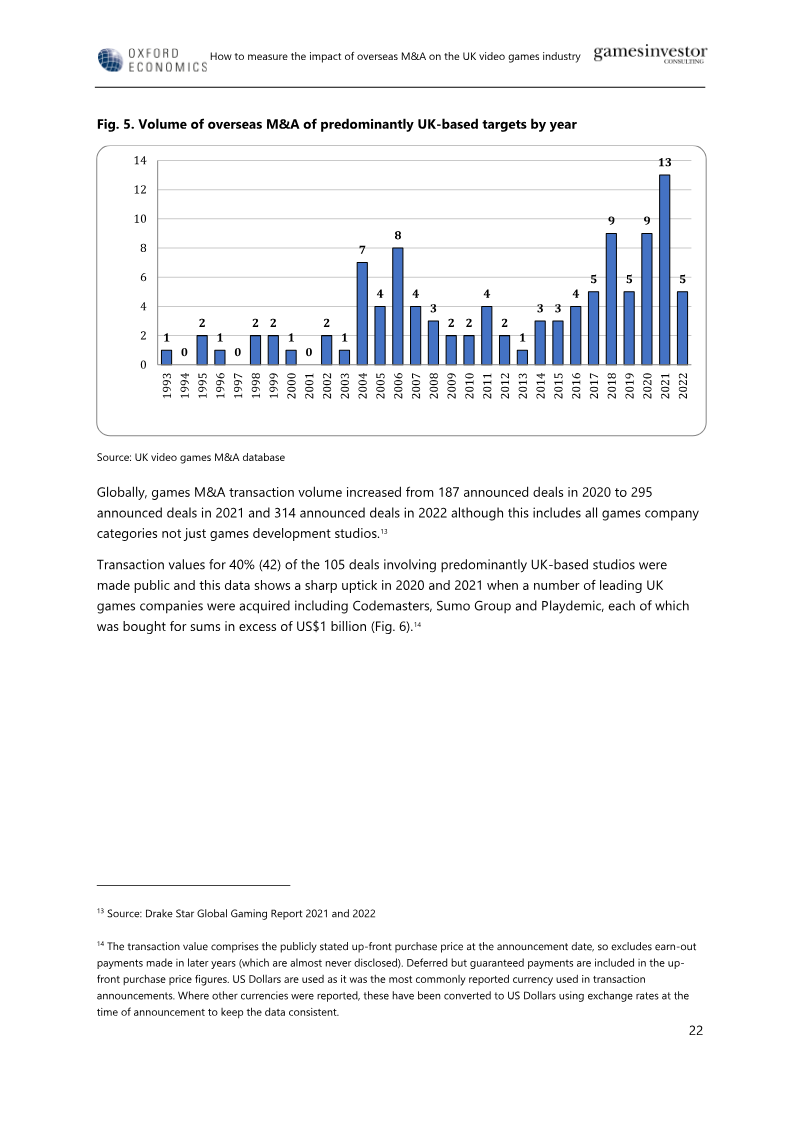
Transaction volume peaked distinctly between 2018 and 2021.
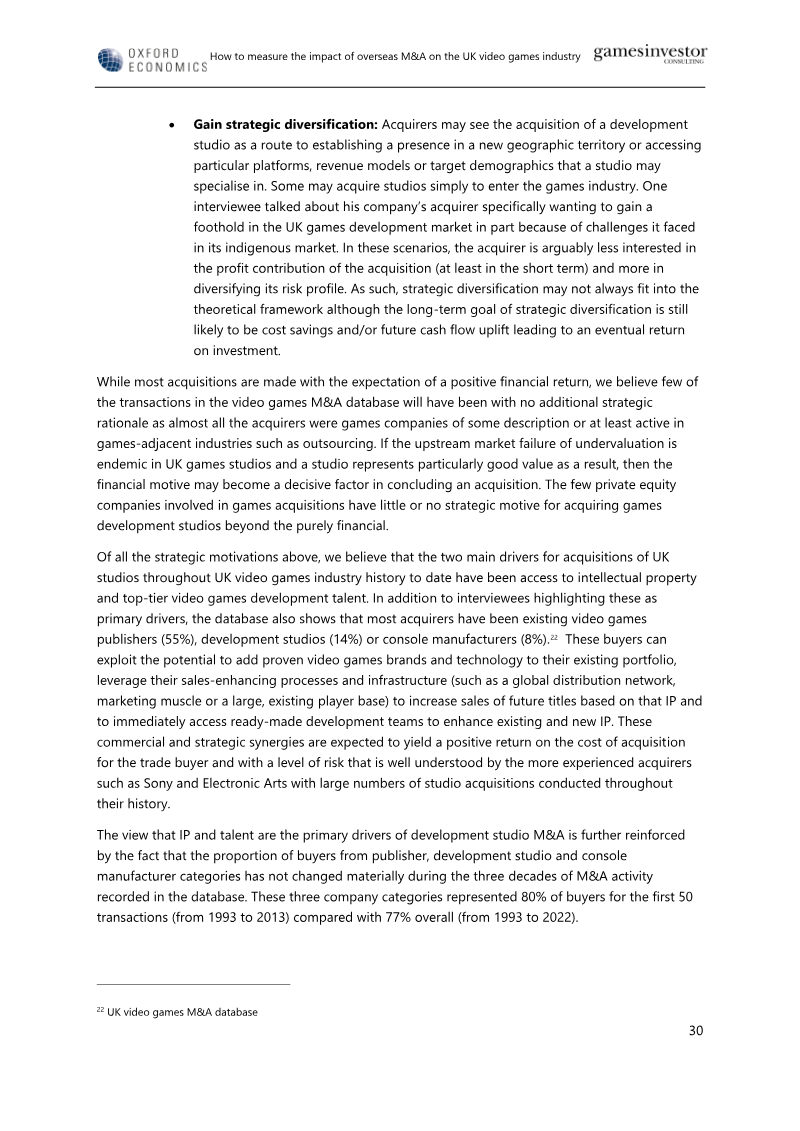
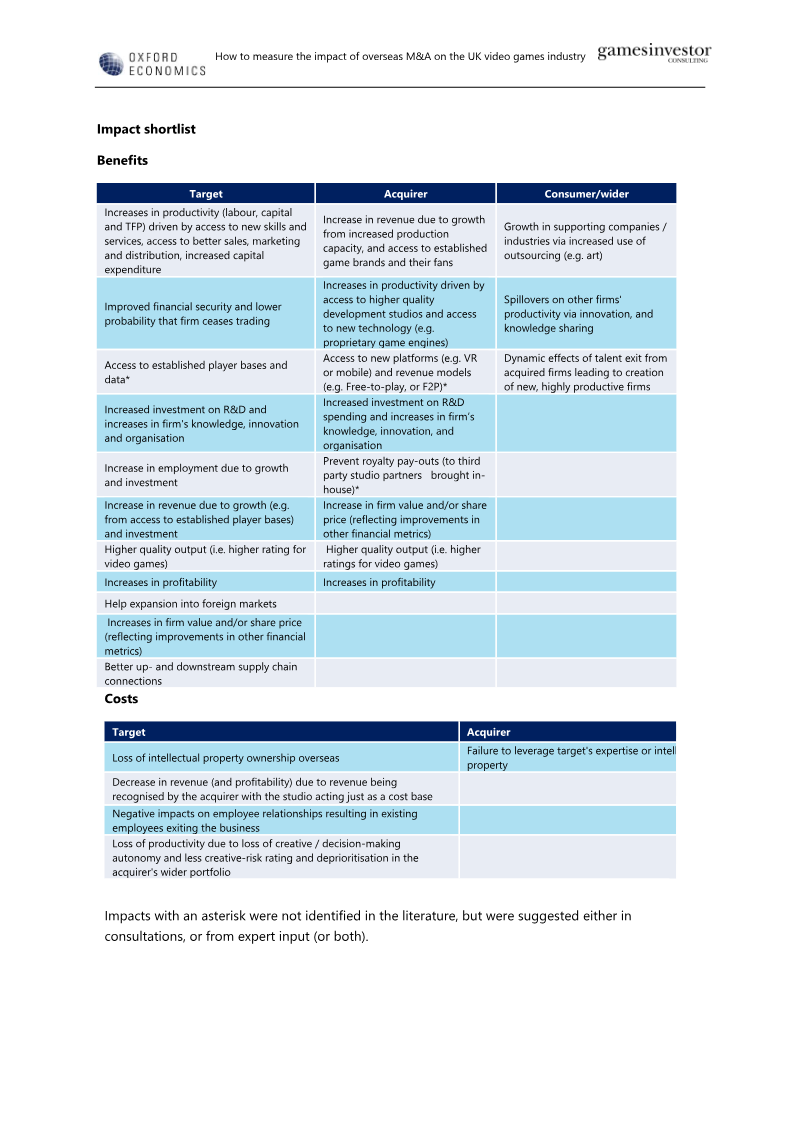
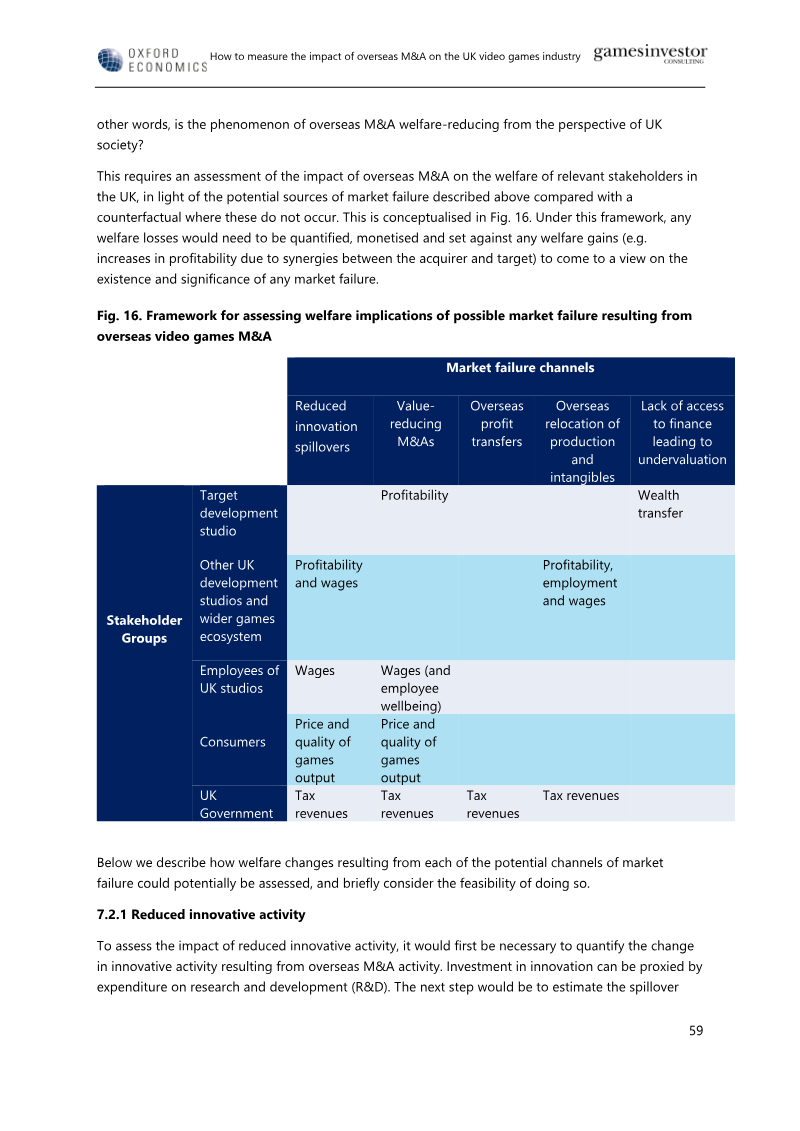
The UK video games industry has experienced a significant surge in overseas mergers and acquisitions between 1993 and 2022, with activity peaking sharply from 2018 to 2021. Driven primarily by US-based entities, these transactions are motivated by the strategic pursuit of established intellectual property and experienced development talent. While acquisitions often provide studios with essential growth capital, improved distribution, and operational stability, they also introduce risks such as reduced creative autonomy, the potential relocation of intangible assets, and the relegation of studios to mere cost centers, which can obscure true productivity and revenue metrics.
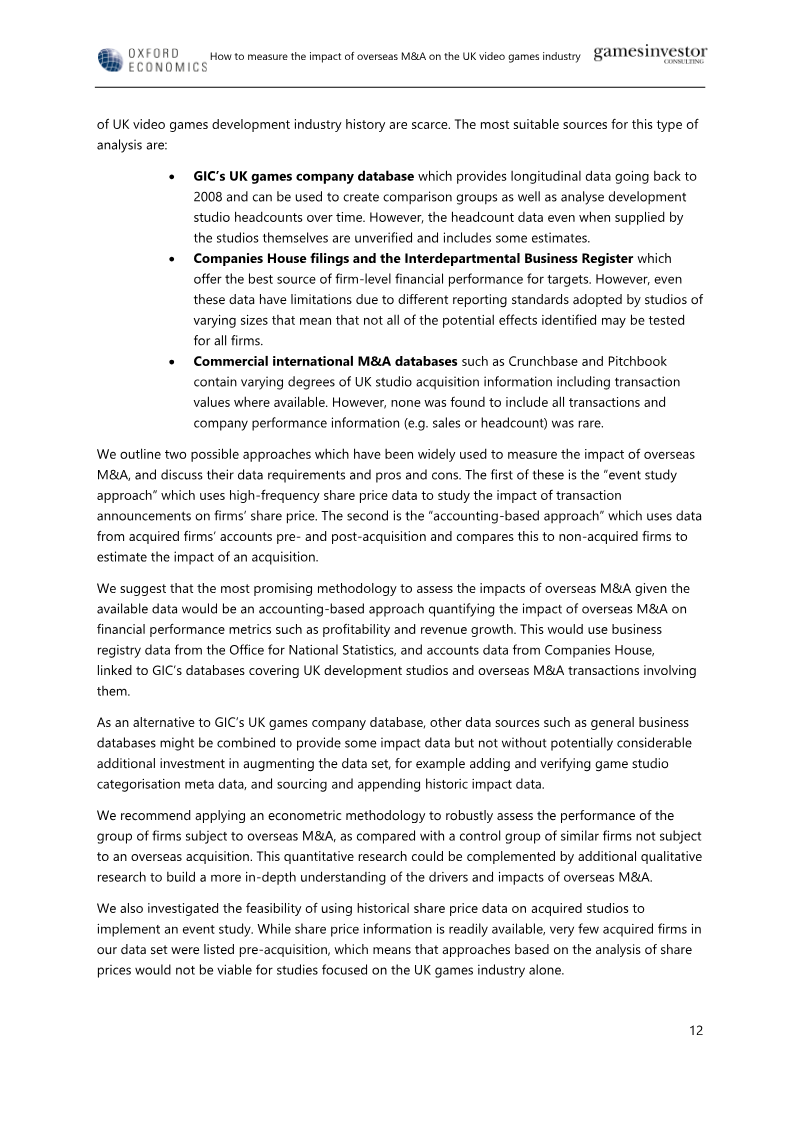
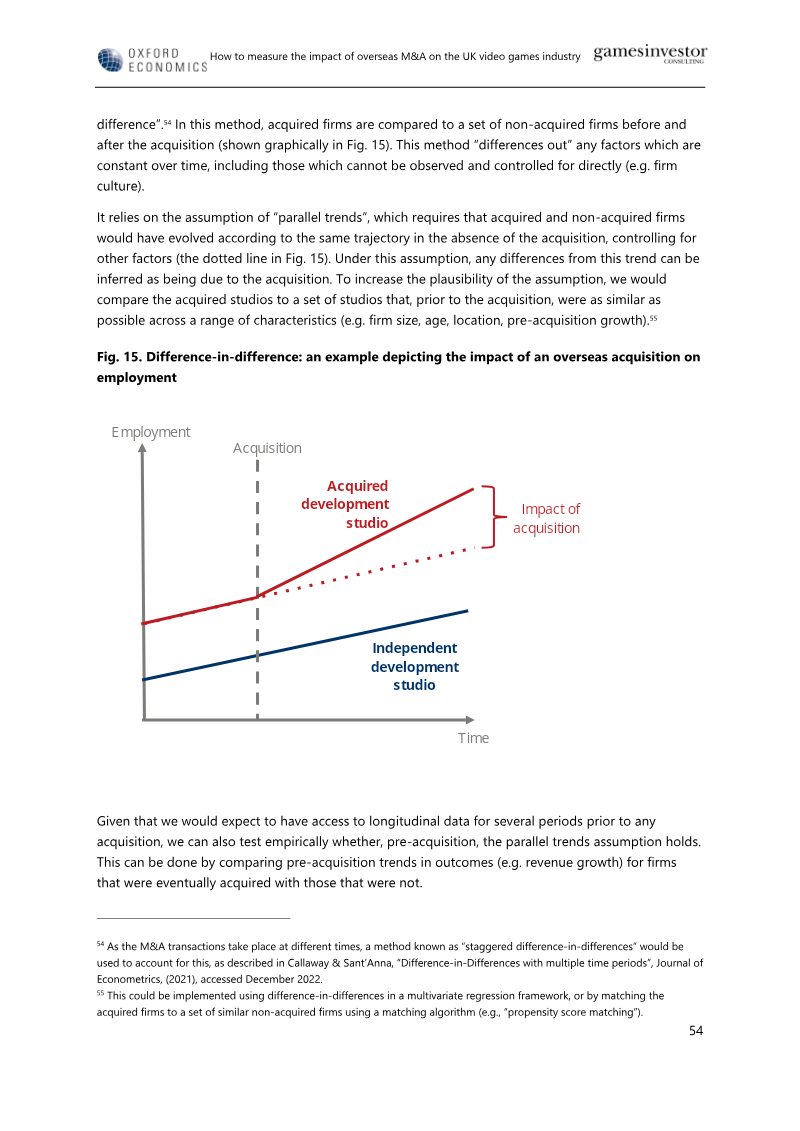
Establishing a rigorous framework to measure these impacts is complicated by structural data limitations. Standard industry classification codes frequently produce unreliable results, necessitating manual verification and the integration of specialized databases like the Games Investor Consulting (GIC) registry and Companies House records. Because many target firms are private, traditional event studies based on share price fluctuations are largely unfeasible. Instead, an accounting-based econometric approach, specifically utilizing a difference-in-difference model to compare acquired studios against non-acquired peers, offers the most viable path for assessing changes in employment, profitability, and output.
Ultimately, the impact of these acquisitions remains multifaceted and context-dependent. While the sector benefits from increased scale and the mitigation of development risks, there is evidence of mixed outcomes regarding innovation and long-term R&D investment. Although it is feasible to detect potential market failures—such as dis-synergies or the erosion of independent intellectual property—quantifying the precise welfare losses remains challenging. This analytical framework provides a necessary foundation for future policy discussions, emphasizing the need for granular data to distinguish between productive integration and the potential stifling of the UK’s creative ecosystem.
PCF Group · 2026

The Game Business · 2026

PocketGamer.biz · 2026

Frontier Developments · 2026

PocketGamer.biz · 2025
Game Dev Unchained · 2025
Quantum Tech Partners · 2025


Games Workshop Group · 2025

Deconstructor of Fun · 2024

Naavik · 2023
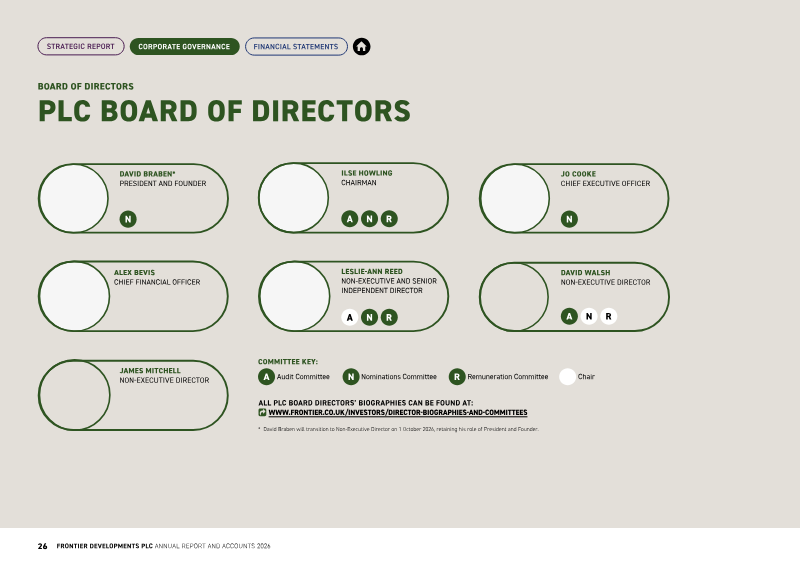
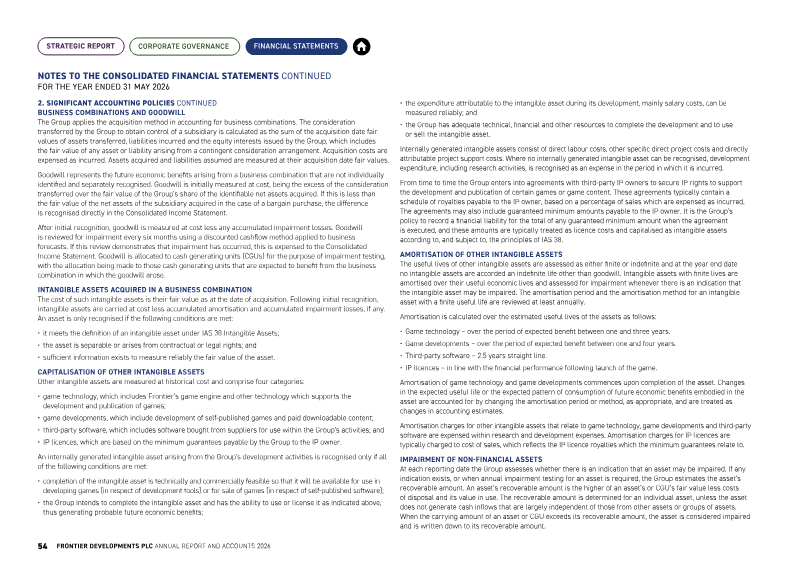

Frontier Developments


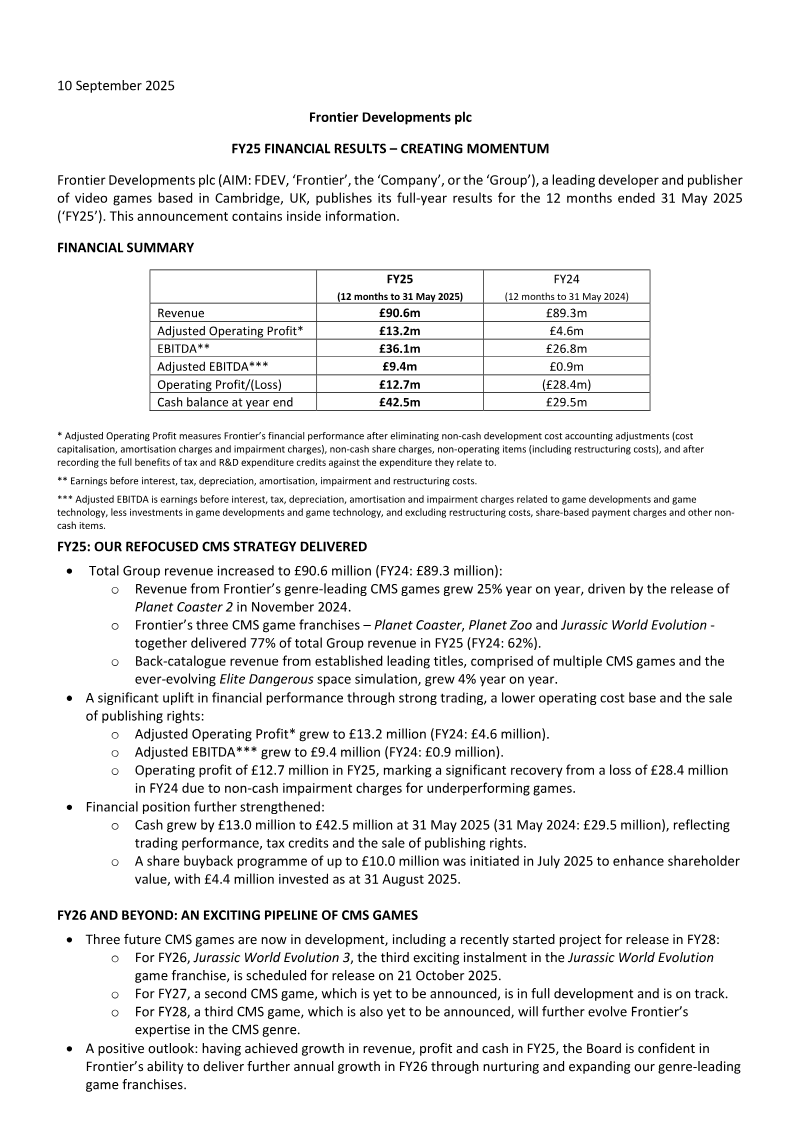
Frontier Developments