Transcript
[Music] Welcome to the Navit Gaming Podcast, where it is our mission to explore the business and future of video games. We bring together the industry's brightest builders, investors, and thinkers to keep a pulse on current events, dissect emerging trends and games, share lessons learned, and have a great time. This podcast is also part of Navik's growing ecosystem which ranges from free and premium research to consulting and advisory services. For more information, visit [Music] www.navic.co. This episode is brought to you by Lightseed Venture Partners. Lightseed is a globally leading venture capital firm with over $29 billion in capital under management and more than 500 investments across the US, Europe, and Asia. With its dedicated gaming practice, Lightseed Gaming, the firm is investing from over $7 billion in early
and growth stage capital, making it by far the largest fund focused on gaming and interactive technology. Lightseed's team combines deep expertise in gaming with a global multi-stage investment platform and a culture that truly puts founders first. Selected investments include Epic Games, Snap, and Stability AI, as well as game designers and producers who led the creation of titles like Fortnite, Call of Duty, League of Legends, Valerant, Starcraft 2, and many more. For more information, simply go to gaming.lsvp.com or check out the details in the show notes. This episode is brought to you by Overwolf. With over 1,500 games supported, 165,000 creators, and 38 million monthly active users, Overwolf is the guild for in-game creators. Whether you're a gamer, creator, or game studio, Overwolf is the ultimate destination for integrating UGC in games. For game studios, Overwolf offers Curse Forge for studios, a white
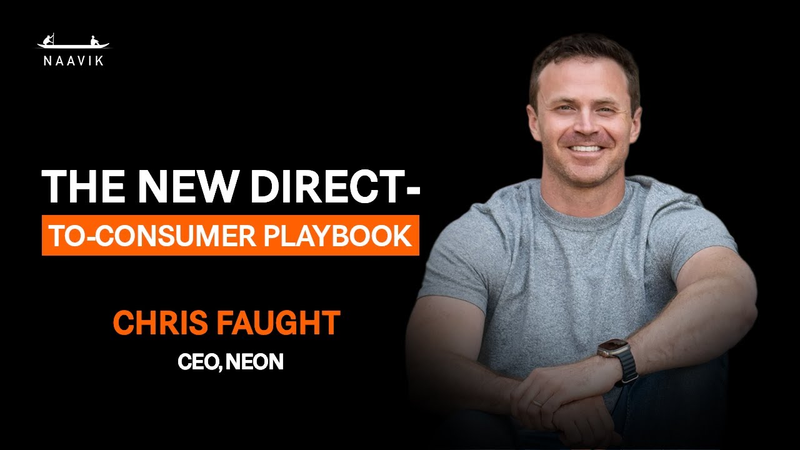
label solution that lets game makers and publishers easily integrate mods safely and seamlessly into their games, both existing and new, at zero cost. It's battle tested by AAA studios and games, including Maxis with The Sims 4, Studio Wildcard with Ark, Take 2 Interactive, and others. For creators, Overwolf is the all-in-one platform that enables creators to build, distribute, and monetize in-game apps, mods, and game servers. In 2022, Overwolf paid over $160 million to in-game creators, proving that they truly value the talents and contributions of the gaming community. You can check out everything Overwolf has to offer at overwolf.com or check out the details in the show notes. And with that, let's jump into the episode. Hello everyone. I'm your host Devin Becker and today I'm delighted to be joined by Chris F, founder and CEO of Neon Commerce Inc. sometimes known as Neon Pay as well. Uh Neon is the complete direct consumer
commerce platform and merchant of record for games. Always a fun thing to say. They partner with mobile and PC studios to help them save money, increase revenue, and build closer relationships with players. But today we've got a very special topic that is a topical. Uh today we're going to explore the broader topic first of direct to consumer alternative payments and web shops, but it's all going to be in light of the somewhat recent Epic versus Apple ruling uh which you know just settled at the end of April, but we want to talk a little bit about what that means for everyone going forward. But first off, just to get things out of the way, can you introduce yourself, your background, and uh what Neon does today? Totally. Thanks for thanks for having me, Devin. Uh it's great to be here. It's been quite a month. Um yeah for us so my background I've been in fintech working with e-commerce fintech payment networks for the better part of the last 101 15 years. I helped build a firm which was a BNPL startup here in the in the states that uh works with a lot of e-commerce merchants like Shopify, Amazon, Walmart
etc. um worked at Apple Pay somewhat ironically but briefly um to help them with some product strategy on their wallet products and then um helped Rivet Capital start a new fintech business, consumer financial services business uh with and alongside Walmart which is now called OnePay before founding Neon. So we we started the idea about four years ago, officially incorporated the business in uh 3 years ago, just over 3 years ago now. And the idea has been then, as it continues to be now, is building all of the uh payments, e-commerce, tax compliance, fraud, orchestration infrastructure that a game publisher and studio needs to take advantage of what is now a rapidly changing environment um around monetizing their players direct consumer. So, outside of the app stores, uh, starting with mobile and PC. Cool. Could you just quickly kind of go over what direct to consumer means in terms of like the context for all of this?
Yeah. So, it can be confusing or a bit of a misnomer because like aren't aren't these always sort of direct to consumer? Depends on who is uh direct and who's between you and your consumer. The idea has been I mean for games since basically the beginning of this industry uh uh developers, publishers, you've been suppliers to uh another platform, right? Whether that's Apple, Google, Steam, Xbox, PlayStation, Nintendo, uh the the end consumer has a relationship primarily with that platform, that hardware and their device and their their app store. And the idea has now been as those as a regulatory um pressure uh has been opening up the opportunity for developers to uh monetize and build a direct relationship with that consumer without being intermediated by Apple, Google or the others others going forward. Then what does it look like to have the capabilities to do that? And what does it mean for your business to have that direct relationship um that you've otherwise been been kind of separated
from in the past? Awesome. And it's kind of ironic too because the direct to consumer wasn't good before uh and then it got built up and now it's kind of on par and now we have this whole situation where we're at now. But can you just walk me through like what really happened? Obviously this has been a long running case over multiple years but the big kind of main event uh sort of concluded or at least partially concluded at the end of April. Just walk me through like and and why studios are excited about this what it really kind of means to to get started on all this. Yeah. So maybe I'll give a couple of points just kind of looking back on the on the case decisions in the US at least for simplicity sake over the past few years. So in 2021 in August, there's a class action settlement uh sort of as a sideesideshow from the main Apple Epic trial of its time then through which Apple sort of reconfirmed its commitment to every app developer that they can have um offplatform or out of app payment channels, external pay payment channels. uh that Apple is not entitled any commission for those purchases
provided that developers were not linking to them in their games or their apps or advertising or marketing the availability of those channels from within their app. That was in August in 21. Over the years since that point, which is known as steering, steering, you know, users to your external channels, has continued to be litigated. Uh it was in January of last year 2024 that Apple appealed the the overturning of that decision to the Supreme Court saying no no no we don't want to allow that searing. Still Supreme Court didn't hear that case. So that meant that in the US that had to be the case. There had to be you know Apple had to allow developers to link and advertise in their games and in their apps about external channels. However, uh Apple's response, which they had very quickly thereafter, late January, early February last year, was okay, we'll we'll allow that, but we're going to basically require you to get an inapp um linking entitlement from Apple in order to do
that. And then we are going to charge 27% on all revenue that occurs once a consumer clicks that link, makes a purchase on an external channel um over the course of 7 days. Basically, they had a lot of stipulations around it. The point was they were in quote compliance, but it was not really a good faith effort to do as the judge intended uh because the with the amount of friction sort of the economic penalties of doing something through their inapp uh link entitlement made it such that nobody went through that process. Um so but all the while I think the most important part has been you could still have external channels but the question for developers and publishers many of our own uh partners included has been well then how do I drive awareness of that channel to my player base uh outside of the app and that's why the the and I'll kind of come back to this but the addressable market for this was somewhat constrained to core games um casino
games where there's a pretty big and vibrant community outside of the game itself in Discord or Facebook groups or otherwise where you could market this channel to those players somewhat, you know, unencumbered, but you're not reaching the full audience. Now, back to the ruling in uh on on April 30th of this year, just about a month ago. Now, uh that's when Apple came back and said that no, the 27% um is not in compliance with what we we asked you to do or told you to do. Uh and now as a result as effective immediately on April 30th in the US all developers can link to those external channel channels freely. They can advertise the those channels freely within the app and there's no 27% commission. Nor are there the dreaded scare screens that Apple had before which is like you click the link and it would pop up and say you're going to the big scary internet you're going to have your credit card information stolen etc to dissuade users from doing it. All of those things are now removed and the implications are that the like I said
the addressable audience among apps, developers, games and others is everybody because now you can drive awareness in the app freely. You can embed uh direct checkout links, browser checkout links like those that we enable Neon uh to make that purchase directly without even going to a web store first. So, it's kind of opening up in in probably the most significant way since this opportunity, you know, began. Um, that's kind of uh enabling true sort of like multi- channelannel commerce for a game studio. Cool. And and I believe I don't know if this is the term that was actually used in the um the court settlement, but definitely used by Epic was malicious compliance, which was them complying in the letter of the law technically, but doing so in a way that was trying to get people to not actually ever use it. And of course for for context as well, 27% is obviously very close to what they were charging which was 30%. So it was basically like not only should you not do this because you're not going to like save really any money, you're also going to scare away your customers and
probably lose purchases, right? Lose money by doing this. And if I understood right, there was in doing that entitlement, didn't that also change your agreement with Apple in terms of how you're able to do like were you still able to do Apple Pays like their their checkout at the same time? like can you still do that? Can you give uh players the choice between the two for people for example that are are comfortable using Apple's payment rails and are still unsure especially because of Apple's scare language uh and don't want to go the other way. Yeah. So great question. I think this has been the uh without exaggerating the busiest month for our team since we got started. I we've flying all over the world. I I think we've spoken to no fewer than 30 40 different publishers um of varying sizes, different industries, different genres of games. Well, now you're speaking a whole bunch at the same time, right? I'm speaking a whole bunch at the same time here. Um but the there's been a lot of I think consistent questions, right? I think there's a lot of uh reactivity that we're seeing around,
okay, now you can do this. What do I do? How do I do it? Um we have actually been advising uh uh publishers who work with a comp with competitors of ours who've come to us and say like can you go through my player experience and tell me like how do I need to fix this to make it higher converting etc. So there's just a lot of noise right now in a good way. Um but I think that to your question the models that we're seeing and it's a little early to see how this will sort of converge are are kind of three-fold. So the first is which we're only seeing from reader apps which is the Apple designation for an app that has like much thinner margins because they have licensed content things like Kindle, Spotify um and others that that have basically had a carveout for a long time from the app store where they don't have to offer in-app purchases, inapp billing at all. Uh so Spotify before you could only sign up for a Spotify account on their website. The difference there
was that you couldn't uh they couldn't advertise that you can sign up on the website. Basically, if if you'd never seen it, it was basically like you get to their account signup page in the app. It's like I can't we can't do anything here. Sorry, that's just the rule. Uh you go to our website, but they couldn't link to it. In that case for reader apps, we're seeing the only using web payments is still the case. So that's the first model. Uh but now they can advertise it in the app itself, right? So like on Kindle's app, you can click a link, go make a purchase on Amazon, you know, on their app or on Amazon.com of the Kindle content. It will come back in the the Kindle app itself. Now you couldn't do that before. And same thing with Spotify, like you can now see in the app itself. Um they advertise the different sort of subscription tiers that they they offer and you click that and you go and make a checkout on web. So again, in that case, it's providing a lot broader visibility. Um but the difference there is users already knew they could only buy it if they went to a website. So it just kind of reduces the friction. The other two models that I think we are seeing that are are most
likely to be I think the popular sort of um operating model for for games are what we call uh a hybrid and the the third is we call user choice which is basically what Google used to call this uh user choice billing. Um, user choice is what if you've seen with Fortnite back in the app store now, what they're doing, which is providing the user the choice for any purchase of either making inapp purchase um through Apple spilling system or making a purchase on Epic's website with Epic Pay or Epic Checkout and they're going in that case they're offering 20% cashback rewards. Uh, so the idea there is we want to um there's a lot getting into like pricing and discounting psychology just like in retail. Um, but in their case, they want to give a uh the player a reason to go, like a positive reason to go and make a purchase through their channel and also kind of have a credit there for them to use for that next purchase, too, which we think is the probably the most right
model depending on what your your catalog is and and what you sell. And then the hybrid model is we're seeing a lot pushing this out right now, some of our own partners included, where they will have in the game itself um their store of their evergreen offers. Uh those are typically and those will be um purchasable with inapp purchases going forward. So think of the types of items you would buy as an impulse purchase, right? just like you would for especially for a casual game or a lower price point purchase because 30% of 99 cents or $9.99 is a lot better than 30% of 249 for like a larger offer pack. And then they'll have a secondary store in the game uh that is sort of the exclusive offers and those are only purchasable through web checkout. And again, you can layer on incentives like cash back or credits back or discounts or extra value, whatever it is. But having both of those alongside one another in the game uh allows you to refresh them over time, but also the players always know that I go to this one if I want this and I go to the other
if I want sort of um you know more value on a web checkout itself. So that's sort of what we're seeing so far. So I'm curious on a few things like and we'll definitely get more into the detail of like how game developers should think about this but one thing that kind of stands out to me is obviously you know I'm sure this is the kind of thing Apple would argue is around convenience of these purchases and so for example obviously uh you you pretty much to have an app store account basically have to have a credit card on file right so to actually be able to make even download free stuff you had to basically so they already kind of have that in their system also part of you know country restrictions and stuff like that so it makes it a lot easier right in the payment flow because you could just purchase and like one of those ways is you know authorizing with a a fingerprint right or I think Face ID as well. I'm not I'm not a Apple owner so I don't know what the current status is but uh that's something that's that could be very convenient obviously could be convenient potentially for you know other people making purchases on your phone that you they probably shouldn't be like kids and things like that but that is like a very easy payment flow. uh whereas it seems like that might be
difficult to achieve that same level say first- time purchasers right when they go to this external payment flow they're going to have to provide that information in new very likely then there's got to be some I imagine some way to retain that for future purchases and that's going to be different per game right so every game that does that they might have to provide that differently depending on if the payment provider is you know the same and might sort again I'm not sure what the current landscape is because it's changing very rapidly yeah uh but these are these are problems that I imagine are going to have to be dealt with and you're I I seriously doubt you're going to be able to authorize say with a fingerprint uh or a face ID to be able to make that purchase, right? Even in the future where you let's say you have that credit card information stored, you don't have the extra layer perhaps of security. And again, I'm not arguing for Apple. I'm just saying that these are definitely points of friction that people might run into in making this switch over. And I mean, there's some ways to think about that. Uh you know, just 100%. So the you're right and there there's a couple of things. App stores
are not going anywhere, right? Like making inapp purchases on any platform has a level of convenience. I I worked there. I understand as you know a part of the Apple Pay experience itself like that that is an insurmountably high um sort of convenience factor of having inbuilt embedded payment systems to every platform PC platforms console platforms they they could use some improvement on their checkout products but with Apple and Google in particular um you're you're never going to completely reach parody on the convenience but you can get quite close so but so the story of this has been from the very beginning about friction. It's been about trust and about friction. Those things are obviously related. Um so the first question before all of the inapp linking and messaging um was possible as of a month ago, the question is still the same. How do we um how do we provide the player as frictionless an experience as
possible? not only about learning about, you know, that we have a web store, uh, but when we get them to the web store, how do we log them in seamlessly? There's a lot of friction-filled experiences still out there right now where people are being forced to copy and paste a player ID that they didn't even know they had in the game to like log into a store. That kills conversion. Um, the navigation of the store itself, is it intuitive? Is it easy to find? Is it clear? And then, of course, a checkout, right? So, checkout. Um, this is a very well-worn space in most other industries, but certainly in e-commerce and retail, um, which is where a lot of our time is, our team has spent time prior to Neon. And exactly to your point, checkout has to be as high converting as possible. So then the question is, how do you do that? There there's a a few things. First, the question of conversion has a lot of elements to it, but you can think about it as a few variables. First, you have the breadth of payment options available
that a player might want to use to make a purchase. If you don't, they might not convert. So, that's really important for a business like us to have as as broad and as deep a support of payment methods, global payment methods, local wallets. They're very hard to combine and integrate unless you have sort of relationships there, etc. because different people pay in different ways in different parts of the world. The second is uh for those card payments to your point where it might you want to make that an option for players. But if it's asking them to reinput their card details, how do you make that as seamless as possible? There's easy ways of doing that, too. I mean, a lot of people have their card details already stored in their Safari browser or their Chrome browser. Uh so you can autopop populate that for the first time. uh for a publisher, if you're not going to build this stuff internally, you need to make sure your partner is PCI compliant, which is the payment card industry standard that we have to be compliant within in order to save that card information for second time like one-click purchase. But you want to make that as seamless as possible as well.
And then the third is we still support Apple Pay. We support Google Pay and PayPal and other sort of one-click uh checkout wallets on our web checkout and our our um our web stores. So, even when you get there, that's still a familiar wallet and it's still a one-click purchase, even if it isn't in the game itself, right? If and until that opens up. Um, but all of that it's it's a part of the the broader arc around endtoend conversion of an e-commerce experience that now you can drive from directly in the game and collapse some of those friction points to basically the checkout itself. Um, while I'd say maybe the last point on conversion is giving the player a clear reason why they should use this web checkout. And we've seen a lot of mistakes over the last like couple weeks where uh, you know, some developers would just kind of like jam a um, you know, buy a buy button in the game now uh, to to redirect them to make a purchase on the browser, but
they're not converting. They don't know why. Why would I do this? Why are you forcing me to do this? Why wouldn't you at least tell me like, am I going to get more value there? am I at a good you know cash back etc. That is certainly a critical component to this whole conversion funnel as well in general like when consumers are asking like what's in this for me like this case how does this help me like outside of the epic thing which is obviously like they're trying to do the cash back in general like why should consumers care about this why does this benefit them when they're having to go through extra hurdles potentially. Yeah. So it's that's such a fascinating question because I think a little bit of our sort of like advising with our current partners and and others that you know that we're we're in conversations with it kind of boils down to you have to implement irrespective of the the endless unfolding of regulatory decisions. This the dominoes will continue to fall. It's just a matter of how quickly and what they mean. The the point is you still need to be sort of first principles thoughtful of your players experience in the game, what you
want them to know about this web channel, when they should go there, what it's for relative to the inapp purchases, etc. And like just define that as a starting point, as sort of a blueprint from which you build in the experience itself. And and I think fundamental to that is uh what if anything are you going to tell your players about why this thing is here? Now in the early early days of sort of web stores in 2021 and two um it was fascinating to see you know in Discord channels for instance you would like you know search web store and and some of the bigger publishers are doing this just to see what players are talking about and across the board we we we pulled a lot of this information and screenshots down. There's a lot of like gamers are very savvy people. They're very tech-savvy people. They're very smart. they understand that there's some reason for this, but unless you tell them, they just assuming. So, we would see all this chatter. It's like, well, why are they doing this? Well, Apple takes too much money uh and they're
trying to save money. So, it's like a cost-saving thing. And you'd have somebody else chime in. Well, if if they're saving money by me making a purchase through this, I should get something out of it. Why isn't it a better discount? So, you people are going to create the story, your players are going to create the story unless you own the narrative. And it's a very simple narrative to own, right? like this exists. The analogy I I gave a lot early on for why we're doing what we're doing and sort of the bet that we're making is the same dynamic happened in retail visa v Amazon in the mid to late 2000s. Uh merchants sold on Amazon. They took a very heavy commission on that. They did a lot for you. They own the consumer relationship. Consumer had their payment details on file with Amazon, etc. And it wasn't until things like Shopify and Stripe and Addy and all these sort of like enabling pieces of direct consumer commerce in that world came about that a merchant could now complement Amazon distribution with their own first party channel. But they the same problem. Why what do I tell my user my my consumer in that case um
about my Shopify store versus Amazon, right? what do I want them to know about this relative to that so that it can begin to sort of uh condition and habituate that that experience. The same is true here. You have to be intentional and thoughtful with your user. Doesn't need to be like a massive investment, just a pop-up modal, right? Or like a banner on the store itself or a banner in that that like web exclusive store within your game. Like why does this thing exist? And the the beautiful thing uh is that for those that have told their players why 30% is very expensive uh it's it's not really sustainable for our business model by using direct you're supporting our business. They love that and they support it and like as anyone would because you really for the most part you really want the the the company that makes the game that you love so much successful, right? So it it's just about being intentional and and the messaging being clear. Yeah, I
can imagine any messaging gaps where there's just not enough clarity on why it's happening. Just lead to conspiracy theories and especially players thinking, you know, always always the first jump with any monetization is greed, right? The company's being greedy. They just want to make more money. They're not going to spend this on making the game better. They're probably going to fire people and switch to AI. All those kind of like, right? Uh but I got to imagine it's still hard to communicate whatever you want to communicate to an audience that may not be reading. uh yeah readily right they may be like into the gameplay they don't want to read I mean obviously different audiences and all that but that is a problem right where you have people skipping things not wanting to read stuff or hey it's it is fault small font on a tiny screen uh you know where people just might skip it and it's like you could have to have like intro videos explaining it or you and all the different messaging channels you might have to put that on you're talking about Discord okay that's one thing you've got a community manager maybe communicating that on there to like the five people that are actively reading and it's it's got to be like very fragmented and a situation where it's very easy for them
to run into a situation where they just imagine what the the truth is. And you've got freeto-play players that love to brag about it and self-justify it. And I got to imagine that only fuels that where they're like, "Oh, now the company wants this greedy thing where they're not taking a cut. Like, I was happy to give Apple by 30% cuz they built this phone or whatever and like and now this company wants all my money and like I'm I'm going to be absolutely free to play now. I'm totally not going to spend a dime." Yeah. Yeah. No, you're right. I I think which is why just like Amazon's not going anywhere, right? You're the as you as you run this forward, um well, let me let me go back to the retail case. If you look at how retail e-commerce has evolved over the last 15 years, basically like since this advent of direct consumer really took hold for the the the businesses that have um their first party direct channel and continue to sell on um Amazon, depending on how um they've invested in those channels over the year, the the revenue breakdown ends up being around 6040 direct to third party,
you know, direct to Amazon or 7030 some even higher. But the point there is there's always going to be a consumer that only wants to make a purchase through Apple and Google and Steam and Xbox. And there's certainly going to be a user that wants to make a purchase through your direct channel if there's a reason to do it, right? And and I think the same is true here. like as the dust settles, I think the the same sort of composition of purchase volume from, you know, app stores versus direct channels over time might look similar and it might differ by the game and and sort of their goals behind it. But I I don't think you need to burden a a user with you got to understand the inner workings of the Apple Epic trial to make a web purchase. You just need to give them a reason and it has to be an incentive, right? Which is why I think the the the there's beauty in the simplicity of what Epic is doing with its 20% cash back, right? Like if and that is a very like I said that's a very common expected sort of um you know use user pattern in a lot
of other sort of industries in retail and otherwise where you're just going to get more value if you make a purchase on the channel that costs that that publisher less to to operate. I mean in general like I know it's been kind of short, you know, in terms of like the the amount of time that's been since this. Obviously, people were doing web shops for a while anyways, you know, like I remember Supercell was even doing that pretty early on. Um, overall though, you on the topic of incentives, which incentives have you seen like from your perspective work effectively or or at least consistently enough that it's probably a good go-to? Whether that be offering discounts or offering bonus gems when they make a purchase for, you know, for the same amount or loyalty points that they could spend in the shop or any of those strategies. I've seen a whole breadth of strategies like what is overall probably like people's default choice? Yeah. Yeah. Yeah. So, it's it's a great question and maybe even more nuanced one that I'd contextualize it within, which is um basically back to you have an opportunity now to introduce
a new channel to your players. What do you want them to know and think about it going forward? Right? And the worst thing you can do is say nothing. you know, offer no reason, you know, no incentive. I I would actually argue maybe like a a even worse thing to do is to jerk them around, right? But the the the first question is again look at all the the sort of case studies in retail. If you only do discounts, you're going to condition your players to view your web store or your web checkout for only when I want things that are on sale. Right? And this is look at what's happened with Steam. people wait and wait and wait and wait and wait and buy a game until it goes on sale, right? And and this obviously this happens this happens all the time. So I think because this space is so nent, we urge our publishers and our partners to be very thoughtful about that's okay. That is a strategy, but you're going to set that strategy somewhat permanently, right? Inapp full
price, web store discount. Alternatively, to your point about sort of we call it more value for money or extra value, which it could be the same price but you're going to get bonus gems or an exclusive item or a bundle that has something that you can't get in game in addition to having like exclusive items on the web store itself. I think of that as a a more sustainable like long-term approach is saying uh I'm always going to pay the same thing, but I'm going to get more there. And not just more in terms of my dollar, you know, will go further, but there's going to be things, items, bundles, offers, etc. that I just can't get in game. And that's a different framing for your user versus this is just like the on sale rack in a way. And then you could layer on top of those. You think of those as like the two primitives, discounts or more value. Then you layer on top of those things what we think is habituation drivers, right? Loyalty points or cash back things that are uh increasing the lock in in the publishers view of like, you know, having you spend
that on that channel more more consistently habitually over time. But for the player too, you want that lock in. You want to if I'm accumulating like a cashback balance uh through my epic checkout for instance and I know that my dollar will go further going back to the two models on that on that store, then great, right? That's a that's a very different sort of framing of the web channel again versus just discounting or not getting loyalty back for it. So we think of it as it's not either or. It's, you know, you you you need to think about it based on the type of offers, the type of sort of user psychology that you want to sort of uh reinforce early and then layer on top of that decision these accelerators, these habituation drivers like loyalty points and otherwise. I think the the questions that we still have are again as you run this forward, what will it look like um with things like loyalty, you know, will will there be and we spent a lot of time with publishers going through exactly this exercise like will a player want um
publisherwide loyalty, right? think of like take two points or zinga points that are redeemable uh and and sort of transferable across the portfolio of games or is it something that is only loyalty points for that game itself but maybe it's in the form of hard currency that lands in my in-game balance that I can use in the game itself or maybe it's not maybe it's something I can only use on the on the site itself we support all of those things we support every permutation of loyalty um that a publisher might want to have or experiment with including cash back including you know various types of points and and um incentives back in that way. But I think this is going to be the interesting sort of balance between what is going to be more player friendly, right? Like I might want something that is game agnostic, right? As Google Play points for instance, um or or publisher focus is saying no, I just want to increase the lockin for my specific game. Every game has its own P&L, right? So it's like maybe I don't
even want to offer the the loyalty system beyond the game itself. So I'm sure we'll see a bunch of different models. We support a few today. Uh, I don't think there's any one right answer just yet. Yeah, I find the the um the loyalty points sort of cashback ones particularly interesting because like so for example like personally like so I will play Marvel Snap on both my phone and my computer but I'll find that because of the Google Play points I'll get back often I want to make the purchase on my on my phone because Steam doesn't offer anything like that. Right. Exactly. So you end up a situation where you're like, well, log into my phone real quick, make the purchase, come back to Steam. And that sometimes is enough friction where I'll be like, maybe I won't, maybe it's a small purchase, I'll just make the purchase there. But but those do add up fairly quickly for the Google Play points. And it's yeah, sometimes those will get spent in a different game. But those do, you know, those do become like actual dollar value. And so there is some serious incentive there. I I wonder though if you end up with situations where and let me know if you've seen this across anyone where they're just willing to go the sort of nuclear option say we will just take out any Apple payment systems and we'll just say they can only pay and
we've got enough traction with our consumers willing to make purchases that they will take it'll be a little bump in the road but we'll retrain them and they're so habitual about buying anyways that we just will retrain them slightly into using this and we won't have to worry about that anymore because they will just always use our maybe they give sweeteners maybe they don't but in that situation like have you seen people doing that? So again, I think the only ones for which this is ex only apps uh for which that option is sort of explicitly permitted are reader apps because they've already had this carve out right where they they didn't have to include the inapp billing systems before. It is not yet explicit and I would be surprised if it really ever is for every other type of app category that you can fully deprecate Apple's, you know, inapp purchase or Google's inapp purchase billing system in favor of your own. Um, that might happen. Uh, but I I don't know that it would. I personally would have the concern to your earlier point around there's just going to always be a demographic of
users or players that's more comfortable purchasing through Apple's billing system. Uh so to fully deprecate that uh especially if they've been used to it there you know a lot of these like forever games a lot of common patterns and sort of like um comfort with that that billing system your cards on file etc. I think pulling that out might actually be pretty detrimental if it's even possible in the future. Um but on the other hand to your point if you know if if we imagine a game for which it is fully crossplatform and they you know imagine they'd want to deprecate every app store's billing system and the only way you can make a purchases through their own web channel then I think you yeah you funnel everybody to one place and you give them the incentive to do so. Um, but it's always going to have to be experimented with and weighed against like what what am I giving up by cutting that system out altogether. I don't think that's going to be, you know, at least as far as I can prognosticate on this stuff, like I don't think that's going to be something that the platforms are forced
to allow uh a game to fully deprecate their billing system versus if the spirit of all of this is giving users choice, right? Well, then that's not giving them a choice either, right? It's like the only way to make a purchase is our billing system. So, who knows? We'll see. I suppose the gray area that that I'd be considering is whether or not you can offer exclusive items uh that are only web shop only right where that's yeah you know in that case does Apple look at that as like hey you're not offering them a choice you're not really you know going with the the sort of spirit of this thing and you know it because obviously from the game side it's like hey we're just trying to give them an incentive something cool you can only get here but it's like do we have to make that free then in order to be sort of playing by the rules or if you hey it's a loyalty bonus that you get as part of a purchase from Well, now that technically is an exclusive that you're getting from here, but you're not purchasing it directly. And there's that whole sort of gray area that I imagine see people will experiment with, but I was just kind of curious like because obviously, you know, some people will go much further in the direction than others. Yeah. So the the gray area is
the is is the key and you know Apple any app store any platform and their legal team and their PR team like they know that when things are not explicit you you you bring the the questions will be thought of by the developer well if it doesn't say I can what's going to happen if I do it right and and you bring up a couple of points that we're we're consistently sort of speaking through with our publishers about as uh which are the first is price par does everything I have on my web store have to be exactly the same price as what's offered inapp and then the second is around content availability or exclusivity same thing is everything I sell in the app store have to be available on the web store and vice versa everything I have on the web store available on the you know within the app or not the the first one around pricing is a it is a legal term uh which is known as most favored nation because
what it really means is and Apple used to have this in their developer agreement. Um it what it really means is the a user can the best possible price a user can get is going to be available through inapp on the app store and therefore it's setting the price everywhere else. You can't do that. That is like an antirust massive antitrust red flag. most favored nation is is forcing any supplier to lock in a price for a platform that uh would stifle competition. Walmart got in a lot of trouble with this over the years if you remember their tagline being like everyday low prices. Right. That with uh with with pharmaceuticals as well, a guy right now in the US politics. 100%. Exactly. Right. And so that is it is a common misconception not only because this used to be present in the Apple developer agreement uh but it's not explicitly not there anymore either right but the the reality is you can have different prices on um your web store or you can have artificially
different prices by doing what we mentioned earlier which is providing a discount providing cash back or providing extra value for that purchase right even if you want to keep the dollar amount the same. And then the same is true with the content stuff, right? The a lot of our partners and a lot of publishers that that we don't work with today have exclusive offers on their web store. Um they they might have those as purchasable offers. They might have them to your point as free claims. But the either way, the point is you can have different items on your web store um at different prices with different discount schemes or value schemes applied to them different from what's in the app store itself. Yeah, you bring bring up an interesting question with the the most value favored nation sort of thing is uh obviously like you know when it comes to like Steam as an example you brought up earlier there's all kinds of price disparity with different countries you get people trying to take advantage of that all kinds of ways uh this ruling is this applying to the US only how does this apply broadly because obviously most games often exist outside of just
this I know EU has its own whole thing with the digital markets thing that is a big deal how does this rule pooling affect anything outside of the US? Yeah, so for now it's just the US um which though happens to be the largest if not second largest market for every game in terms of their their monetiz or their revenue and their user base. Um but it is just for the US. However, like if you step back uh and zoom zoom back to when all of these things started, not even just epic versus um Apple, even like Spotify's litigation against the app store and all the litigation against the platforms in the '9s for the same reason. The the point is the the dominoes are falling. There has been no decision that has been reversed over the past several years, right? It's just a question of how farreaching, right? not only geographically but other platforms. Um what restrictions or frictions come with the decision like the 17%
commission that you're owing Apple right now for out of app purchases in the EU or the 27% before here in the US the runtime fee and things like that. So the question is like what what how pervasive is it is this ruling what frictions are coming with this ruling and then how fast will things evolve from here right so our view obviously because we founded a business around this thesis is that it is just a matter of time and it will take time but it is just a matter of time before we reach a uh sort of a market structure where you can do as is available in the US now freely steering your users through external channels uh globally. It's going to take time for that to happen, but we think this is sort of the real precedent. What's happening in the DMA right now in the EU? Yeah, Apple has just fined 500 million euro for being out of compliance. Uh meta 2002 250 million euro for for the same thing uh around what the DMA was uh sort of asking or demanding them both to do including the
steering. Right. So, back to the messaging and linking from from the app itself. uh Apple I think as of today they have 30 days left to comply 60 from the infraction and all the experts sort of indicate that given this ruling in the US um that precedent will likely be the same thing that follows with the EU. So, if you imagine a world where you can link to your web checkout or embed those buy now buttons in your game or message and advertise the availability of your web store within your game in the US and the EU, that's a massive portion of this market. Japan, Korea, those two, the Netherlands of course being part, but like those those two have had a lot of um antitrust litigation around these things as well, both with Apple and Google over the years. uh far more severe in me in in some cases like you can enable inapp payment methods I think in both Japan and Korea now but still the the the 27% of the punitive fees are still there but I think it's again our view is the doors open and it's open to
varying degrees in varying countries or regions but as these precedents now are set uh it's more likely that the other regulating bodies in these countries will try to enforce the exact same thing so the the reason that this is important apart from the obvious is that there's no way to know for sure right if you're a game studio game publisher the question is what do I do knowing that I don't know how this is going to unfold but looking back you know dots connecting backwards you can see where it's likely to go you can see where it is right now uh then what do I do and a lot of our time is spent you know our our team comes equally from mobile games and uh fintech and e-commerce so we have like really great mix of folks who've built a lot of these these products and these best practices before, but a lot of our time is spent advising on exactly that, right? Like the the dominoes are falling. It's just a matter of how quickly you need to be thoughtful and intentional about how are you going to
introduce this web channel, this this alternative channel to your players everywhere, right? So, in in the US now, you can do it in the app, but as has been the case before everywhere else, you can still do it. How do you do it outside of the app? And then if these these these rulings uh sort of follow suit in the EU now, how are you going to uh migrate that experience in your game like you have done or are doing now in the US, right? It doesn't need like I mentioned earlier, it it doesn't need to be overly scientific. It shouldn't require like a complete rebuild of your game at all. It's just being very thoughtful and like empathetic of that user experience as these things unfold and having a plan. Yeah, it's definitely going to be I mean obviously this is still fresh so we'll see how this develops but as you said it tends to be dominoes falling which means it tends to keep rolling in this direction right and I do kind of wonder if we might see a point where there could be an app level integration uh let's say you or one of your competitors integrated at the app level so that people aren't having to go to a website it's more just like almost
as convenient as the built-in Apple stuff right where totally I can't imagine Apple wanting that situation but I could see you know maybe stepping that direction But uh but but moving forward in terms of you know thinking about game developers uh does this apply equally in terms of like you know diving into this stuff exploring it trying to probably incorporate this stuff across all game genres across all types of game developers like is there anyone that should be thinking about this differently or should everyone kind of be considering this the same way? I 60 days ago, 30 days ago, if you ask me that question, I would say um it it is most uh has the most like coherent or strong fit with core and casino um games. And that's indeed who has been doing this for quite some time now to uh varying degrees, some very successfully moving 40 50 60 plus% of their gross revenue through the direct channel, but within those core and c and casino genres. Um the the question has always been uh a
what about more casual games or hyper casual games especially those that I mean there's going to be a swath of games at least for now that only monetize your ads that of course this isn't really going to make sense. I would argue it's actually worth testing now if you can see if people have a willingness to pay um by giving them an incentive and a reward by doing it in in through browser checkout even for those games. But the question has always been a is it applied to casual games and b what about smaller publishers or like smaller studios where they either may not be generating a ton of revenue today or they might actually be under that small business minimum uh with Apple where they're paying 15% instead of 30. So our view now is that it is relevant for every game uh and it is relevant for even smaller games because one of the big talk about friction points you know before was and call it web shops we'll call it 2.0 um was how do I drive awareness like I said like do do you have an external channel do you have a community
aggregating elsewhere that you can market to and for small games resource constrained games they may not or they may not have a community manager like you said that it's staffed on doing that so as the sort of like activation energy for driving awareness and traffic to this web channel has collapsed at least in the US um a small studio might benefit from doing it and it's worth trying especially if the cost uh you know between that 15% and what what you would pay um you know a provider like us to as a merchant of record you know even if it's a 5% or or 6 7 8% delta still worthwhile I mean of course most of that money is being cycled back into UA but every little bit counts especially I think in this this industry environment right now and then for casual games definitely like some of ours are already doing this they've already been doing it before and I think the the appetite has grown tremendously because of exactly that reason I don't have a a preponder of my players hanging out in a Discord channel for a casual game, right? But now I can drive awareness in the app
itself. I can drive a direct checkout in the app itself, but also continue to maintain those impulse purchases that we all know is like what drives so much of the spend for a casual game to to support uh or to be enabled with inapp purchases, you know, Apple's dealing system. It it doesn't need to be either or. It's like I said earlier, the the model and having a hybrid is probably the best approach for a casual game. Um, as you said, it's it is still early. Uh we are seeing a lot of very positive results already with a couple of our our game teams and what they've done in terms of just incorporating in-app messages is I think it was 140% increase in like 24 hours of traffic going to the web store just by exposing this in the app itself which is not only a great signal for how we build the product and enable these sort of things but it it's a validating point that players actually do want choice. They do want to go there. We're not forcing them to go there. They want to go there and make a purchase. Exactly. Exactly. Because they're getting a benefit from it. Um so
yeah, I I think we're we're sort of monitoring and advising and influencing a lot of this sort of strategic direction on how to implement these by genre. Um but it's all very exciting. the the my favorite quote over the last 30 days, very large publisher, um was uh they said that it since the ruling, it's the most excited and energized this company has been in my time at this business, which is so cool. Like uh you know, it's like there's I'm sure there's a lot of frenetic energy there. like what do we do reactivewise? But like what a cool thing to happen to an entire industry where before you had one way of operating and monetizing and now you have a lot more control. Like what an exciting thing. Well, given the state of the industry, the timing probably couldn't be better. Totally. Some good news. Uh but on the topic of like, you know, people being excited and needing to know kind of where to start. Uh what are the things that people kind of need to keep in mind? Like what are the like you you got to do it this way. You got
to keep this in mind. like don't just jump into the deep end and drown immediately. What do you need to do? Like what are kind of the first steps and sort of the musts? Yeah, I um I started my career in management consulting for better or worse. So I find myself like defaulting to this this failure mode sometimes around exactly this type of question like how would we advise or consult partners on this opportunity and and and that is informed by the you know myriad of of relationships and conversations we've had over the years where we're learning from them as well. But I would say there's a lot of common sort of like steps. The the first is I I would implore every studio or publisher to anoint a person as responsible for you maybe don't need to be owning this thing for the entire business you know permanently but like owning this initiative um and empowering them to basically figure out the landscape of providers to understand the the question around what
are we going to build internally to enable this versus we're going partner or we're going to test you know before we invest in them. um what are the right uh sort of to your earlier questions what are the lessons learned from other games that have done this well not well the beautiful thing about this industry is I think as as competitive as everybody is everybody's very willing to to speak with each other and share their best practices but you need to have an owner I think one of the more challenging things is when that ownership I mean this is just true in anything organizational dynamics right but the ownership is like unclear or shared or distributed across a game lead or a finance person or a BD person or your performance marketing lead um or your accounting lead whatever uh you end up spinning your wheels and not really making progress. So I'd say step one pick the seniormost person you know that has I think a broad purview in the organization and like task that person with running point on direct consumer.
Uh the second is to be as we talked about earlier layouts forget the regulatory stuff right like you can have a web store that's that is true everywhere it's about can I market it in the app or not right now so lay out that user journey for the first time user experience even the player that just downloaded the game that you freshly acquired what do you want to message them if anything about your web channel in those two sort of regions where you can do it in an app and where you can't, right? And then just map the user journey from there. Uh what what do we you should I mean in our case we talked to a lot of our publishers users for them about do they prefer discounts to your earlier question they prefer more value? They prefer cash back but you know doing a little bit of work. This shouldn't be an extensive amount of work and we partner with our our studios to kind of do this with them to kind of just put a strategy in place. what is your choice for how you're going to have web and inapp purchases in those two
models where you can market an inapp and not uh and then I think it's just reinforcing it deepening that integration right within each game team's live ops system with where their back end is and their player segments live so that that experience for the player is consistent right and what I mean by that is if you have a disjointed web store a web store that's disconnected from your in-game experience or client experience a player could get there it can be completely nonpersonalized and you might present something to me on the web store that I shouldn't I shouldn't be able to buy, right? There might be like a limitation. You can only buy one of these things in the game or I already bought it. Um, but I think more importantly the ability to personalize that experience and target that the right offer to the right player at the right time um based on in-game progression or their prior purchase history or all of the other sort of metadata that publishers use and we enable them to target and personalize that web store experience with that comes with a deeper integration. So the there's a bit of a crawl walk run that
we always advise but it starts with who's going to be the person and what's the plan, right? And let's come up with the plan and then we can advance our way into exposing to more of your audience, different segments, deepening the integration, broadening your geographic coverage if that's important to you. But it's an iterative process for sure. Well, given the the geographic nature too, I also wonder then, okay, you've got all this strategy in place, uh you've got your messaging flow, you've got all this figured out, then how do you handle the situations where, okay, this is a US ruling, Apple probably isn't going to let me do this in other countries. Are you then having to go, okay, well, I I just don't expose th those areas in the app. Suddenly, I've got to like worry about my messaging flow for different versions of the app in different countries. But then I also got to consider am I still going to allow those people to if they stumble on the website still make the web shop purchases I just can't steer them to it in the app yet and those kinds of things like how are you generally thinking about that strategy? I I would say that is a part of the strategic question which is um again going back to there's
there's if you carve out the entire world right now there is one market where I can freely steer and link from inapp so that the the messaging and the marketing question is different um and and obviously easier now in the US but there's still a question around well can I do that do is my game build right now have the ability to target messaging to users in the US only, right? Like some do and some don't. So I would like very high on our list of sort of advice here is like build that ability in. It's not it's not a heavy lift. We've got games that have been around for quite some time and they built it and are in the process of building that now. But that is a requirement, right? If you're going to bifurcate your user base and your messaging strategy based on where you can and can't do things in app, well, you need to have that ability. But for everywhere else to your question, well that's how it's always been, right? or it's always been that's how it's been for the past few years where you still have to find out how am I going to drive traffic to that store if I can't use inapp real estate there's a lot of
strategies there like that's where the playbooks not that these things are sort of like permanent at this point but that's where the playbooks have been built like we have built ours there over the years um where you can do retargeting on you know the UA channels you already have to specifically message and and market that web store right you can of course capture email you can capture SMS, you can do direct marketing. There's social channels you can market through or social messaging channels you can market through as well. But then the standard stuff around Discord and um and Facebook and other community groups uh are are always going to be there. I think the the the 2011 or the 301 level question is how do I drive more virality of marketing in that segment which is how can I get my players to be a sort of a champion for an ambassador for the existence of this web store and giving them things like promo codes to do so which we've enabled right so we we can allow you to give a player a promo code to try to drive traffic to the store right so how do you use your own user base as a marketing
channel in places where you can't use uh inapp real estate Um but to your question specifically, yeah, it does come down to what are my technical requirements to enable different messaging and linking strategies in different parts of the world as more and more come online and allow me to do so. I imagine you might even have to consider in your localization strategy like let's say for example you have a news feed in the game as many games do with live ops of some kind where you've got pop-ups or announcements. you have to be careful about linking to that stuff within those in a situation where let's say you got to, you know, just translate that to another country. Oops, that country doesn't allow for that. Now I've got to consider, okay, in my localization I now have to consider is there any messaging in here that could be considered steering. Um but on your other topic you did present an interesting idea around the variety aspect which is uh you look at uh content creators and for example like the way Supercell does creator codes as a way to sort of and I know there's different services that can enable those sorts of creator code functionalities things like that that are really cool. I could see now some some even more
emphasis on using creators to then directly link say from a YouTube video or whatever it is to the web shop uh with the with the sort of creator code built in uh as a way to do that maybe even in game if you're featuring some games even feature creator content in game using those to link like with that with that coupon code that you're sort of talking about and that has its own promo attached to its own bonuses or things like that. There's definitely some I think some room for some creativity here. And that's why I wanted to explore that kind of gray area because that's where you're like, okay, how creative can I get in here, right? How how much can I deal with that? And then like I said, the localization, all those other little gotchas that I imagine people are going to have to work watch out for, which is why, you know, it's important that, like you said, having someone that takes point on that that kind of be aware of those gotchas. Hopefully can speak to people like yourself, uh, your company, others that that can sort of advise on, uh, hopefully they can present like here's what we're thinking about doing. Can we do that? Uh, and everyone kind of like all your I imagine yourself and a lot of their competitors trying to stay as caught up on this legislation as possible because this affects I'm
imagining your business greatly. Oh yeah. You know, I mean, as you said, you've been very busy uh and and I don't imagine that's a just a coincidence. So, yeah, it's I mean, I I'm fascinated by this stuff. I think I must be in the vast minority of the world that's gone through the entire like Apple Epic evidence pile back in the day which is all public and there's a lot of like great decks in there and uh you know for payments nerd about how they've done this stuff themselves but I love this. I mean as we were talking about earlier even the the court ruling from the April 30th uh it's just good reading. There's like a lot of great drama in there too. So yes, we for our team at Neon like in and the way that we hire, the way we've been building our culture, the way that it's been formed by a lot of our prior experiences at places like Supercell and Unity and Visa and affirm and Square and others, we have to be experts. You we're not just a a widget. We're not a SAS tool. Like we are viewed by our
publishers and our our our developers as a partner, sometimes an extension of their team. And we have to be right and we have to be relied on to not only be up to speed on uh what what the regulatory environment here is in the US but everywhere else and also what does it mean in terms of payments right so I think our our view is that from our strategy payments is very hard global payments is really hard to do and really hard to do well especially in an industry that's had I think a lot of like legacy platforms and merchant record businesses that haven't always been acting in the best interest of their of their partners and have like kind of operate as a bit of a black box like we need to bring performance, transparency, control to what is a very complex problem in doing global payments and sales tax and compliance uh for our publisher and we have to be experts in that too. So I don't view it as as sort of like an an additional part of the job. Like it is a job. We have to be as
well versed, you know, with some of us with JDS, some of us not in the legal sphere as as well as, you know, the network rules with the the card issuers um and how to build like the highest performing platform in the space because that's what it's going to take, right? And of course, you have to say, right, like this isn't legal advice, but I Yeah, it's not legal advice. Yeah. Yeah. And I imagine this stuff gets a little more messy and we we're not going to delve into it at all at this point, but uh when you start to involve the web three aspects and the sort of policies around that that that are or aren't tied to the payment rails versus like going off and buying something. So I imagine that gets really interesting and messy and like I imagine especially over the next few years that might that whole landscape might change or not. But on that topic like obviously this is going on right now. It's rapidly changing. dominoes are falling. Outside of just the immediate effects that you see happening and the sort of like rolling out and opening this crack wider, what do you see as the future of this stuff? Like where where are we going more broadly uh especially the stuff that might be exciting or controversial around whether that be payment systems
or just monetization in general in games? Where do you see this going? What will be interesting the next two to three years? I think that the the the like the biggest or most macro way to ask the question is how is what's happening some not really but somewhat localized to the games industry? Um what does that mean for digital marketplace platforms globally at large? Right? like um there had always been sort of a a concern that well just because this happens to Apple and Google given their scale and their install base is so broad and etc and they're so well you know powerful and and profitable etc. uh well it doesn't mean it's going to happen to consoles and their app stores or it doesn't mean it's gonna or steam right it doesn't because those are specialized devices and they lose money on the hardware they got to make it stop but there's always been like a yeah but it's okay for them and in some cases like I kind of take a bit of a neutral stance there um but I
think the question is as these precedents continue to be set by the way for now irrespective of the administration in charge here uh what does it mean for every other digital marketplace in the world, right? And will will this precedent carry forth to all of them? I find it or or I I was I was sort of like very skeptical about the ability to link to an external payments channel within, you know, within an a game or an app in the US because I likened it to if Amazon was forced to allow their sellers to have a URL on their product page, their Amazon product page like no, no, don't buy here, go buy it on like allirds.com. I can't imagine, you know, Amazon would ever be forced to do something like that. But now that this is happening with digital goods, it could, right? I don't know. But that to me, it's like if someone were asking the biggest version of this question, it's to what extent will these rulings and these decisions
impact other digital platforms within games and outside of games over the next several years. I think for the the the zooming in on games itself and this is a little bit of like the the I don't know cautionary tale I might tell uh or or maybe ask that the industry be thinking about is if if two if the two big parts of this structure before have been and continue to be uh the the sort of unreasonably high fees around the app stores and 30% etc but also not being able to own your player relationship directly. You have to do both and you have to do both well for this to have a lasting structural change in 3 to 5 years. What I mean by that is if all you do today is recoup your costs or some fraction of your cost um you know on on web purchases versus the app store that money you're going to then just turn
around and cycle back into Apple or app or you know any other UA channel because they still have the player network right so that's not really changing the dynamic just moving money right it's like a wealth transfer from uh from Apple to the UA the UA businesses and in fact you see it in the stock prices increasing some of the last month. So the question that we we ask ourselves and we certainly encourage our publishers to think through with us is well how do you prevent that outcome right in three to four years or faster how do you actually own your player network doing so more intentionally so that this actually is a different market in three or four years right and that's the bigger question right so I I don't know I think that there's a lot of capabilities that have to be in place of a business to to actually own that relationship and do it Well, uh, I would argue that, uh, there's some tension there between what what the player might want and what the publisher might want. Just take the loyalty points thing you're talking about as an example. They
want to lock you into one game. Players want something that's sort of industrywide, like a currency that might be industrywide usable. So, I think there there needs to be more thought put into, well, what is going to be best for us and the entire industry versus, no, we got to do everything where we all need to be our own walled garden now, right? I actually don't think that's going to be uh or affect the most lasting beneficial positive some outcome for this this industry in light of the changes that have happened so far. Yeah, it sounds like I mean it sounds like the broader theme overall it outside of just this ruling, outside of just gaming is owning the customer relationship and your relationship with either customers or potential customers and how much that means. And I've heard that for the years over just like I remember blogs and hosting blogs and how much you needed to own email addresses. We've gone through that in games like you still can't get an email address from an Apple player without asking them explicitly for it because you can't just go through Apple you can't just steam can't just go through Amazon all these platforms they want to be the intermediary between you and the
customer beyond just payment rails right and this is like back in that opening and you see that you talk about Amazon I see you know I purchase stuff and I get these little slips there hey review us or I get the ones all the time it's like please don't return this contact instead or the Uber driver that says, "Hey, next time book me here's my car. Next time book me directly." Right? And so I feel like that's maybe that's a broader theme in general because we've gone through this sort of last two decades of platformization on everything and now we're like kind of going is that really what we want because we want customer relations. We got Discord as a big part of it where people are kind of partnering with Discord and looking as as ways of how do we broaden this community. So exactly I think going forward that's the thing to probably keep an eye on and this is just part of that. Obviously, Apple is is has their lawyers watching that closely because they're slowly losing ground, I think. But I mean, think of how many millions of dollars it took to battle this to get it to that when this is like tips like only victory. 100 million 100red million I think that they or so. So, they say they're invested so far 100%. Yeah, they
lost so much on it just to get this one anti- steering victory. And I think, you know, now we got the crack, it's time to open it wide, but we'll see, right? It's it's going to be very interesting times. Obviously, uh people are going to need to keep keep tabs on what's going on. So, definitely obviously if you're interested in this stuff, make sure to uh to contact Dion and and and see. It sounds like Chris try to make sure he's on top of all that. It's definitely a good person to talk to. Although, you may have to talk to other people as he's the CEO might be kind of busy. It's it's the most fun part of my job. I I would love to, you know, any publisher, any studio that that we work with that we don't yet work with or work with somebody else like that, that's that's why we do it. So, please reach out. neonpay.com by email [email protected] anytime happy to help of course and we'll also link to his LinkedIn in the the show notes if you want to get a hold of him that way as well and definitely take advantage of that sounds like a lot of stuff moving very quickly as well uh best practices will shift as we go so something to keep tabs on but I want to thank you Chris for for joining me of course a lot of great advice so you know
everyone listening got some some free advice from Chris so definitely contact him for some more thanks everyone for tuning in hopefully you got some good stuff out of keep tabs on it because uh things will be changing quickly and hopefully for the best. Yeah, thanks Devin. Really appreciate making the time. Awesome, man. Well, until next time everyone, have a great week. If you enjoyed today's episode, whether on YouTube or your favorite podcast app, make sure to like, subscribe, comment, or give a fivestar review. And if you want to reach out or provide feedback, shoot us a note at [email protected] or find us on Twitter and LinkedIn. Plus, if you want to learn more about what Navic has to offer, make sure to check out our website, www.navic.co. There you can sign up for the number one games industry newsletter, Navic Digest, or contact us to learn about our wide-ranging consulting and advisory services. Again, that is www.navic.co. Thanks for listening, and we'll catch you in the next episode.
Auto-generated captions from YouTube — names and numbers may be misheard.

















Comments