1 free read left. Create a free account for unlimited reading + AI research.
Create free accountArticleGames and Culture
Distilling the key insights…
The 2014 emergence of #GamerGate represents a pivotal shift in digital culture, functioning as a decentralized, swarm-like movement that weaponized online harassment against game developers, critics, and scholars. While proponents frequently framed the campaign as a pursuit of ethics in journalism and a defense of traditional gamer identity, the movement was fundamentally defined by misogyny, the propagation of conspiracy theories, and the systematic silencing of ideological opponents. This phenomenon serves as a critical case study in how digital echo chambers and anonymous online structures can be leveraged to facilitate large-scale, coordinated aggression.
The movement’s operational success relied heavily on the ephemeral nature of image board culture, which allowed participants to maintain a decentralized structure while evading accountability for severe tactics such as doxing and swatting. By adopting a hypermasculine, hooligan-like identity, participants fostered intense internal group cohesion while simultaneously positioning themselves as victims of a broader cultural conspiracy. This paradox allowed the movement to operate with impunity, as the lack of centralized leadership provided a convenient shield against responsibility for the targeted abuse of individuals within the industry.
Ultimately, this period of unrest highlights the internal fractures within a gaming culture that is far more diverse than its most vocal factions suggest. The controversy was exacerbated by an ecosystem where various actors leveraged the conflict for financial gain, further entrenching the divide. These events underscore the necessity for interdisciplinary research that looks beyond the games themselves to analyze the broader sociopolitical dynamics of digital spaces. The legacy of this movement remains a cautionary example of how defensive identity politics, when amplified by open digital platforms, can fundamentally alter the landscape of media discourse and professional safety.
Games and Culture · 2025
Games and Culture · 2024
Games and Culture · 2024
Games and Culture · 2024
Games and Culture · 2024
Games and Culture · 2024
Games and Culture · 2024
Games and Culture · 2023
Games and Culture · 2023
Games and Culture · 2023
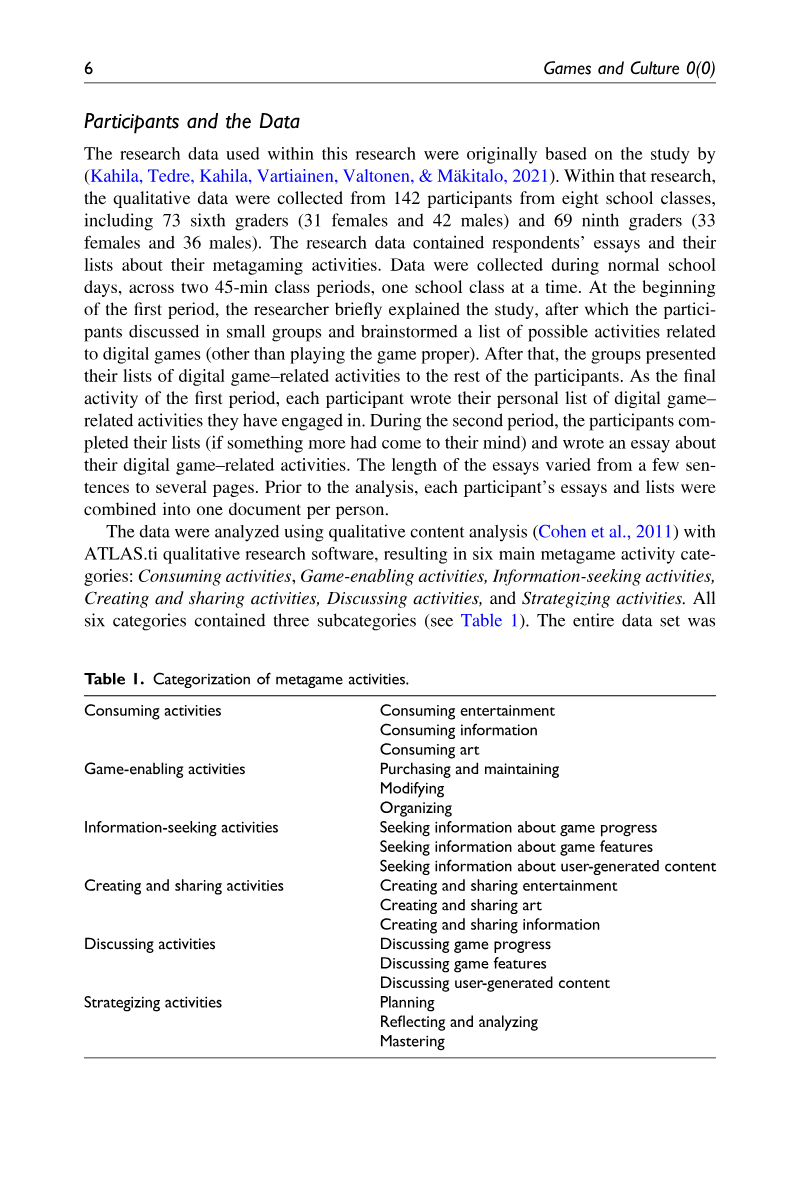
Games and Culture · 2023
Games and Culture · 2023
Replay. The Polish Journal of Game Studies · 2026

































Comments