ArticleMobile Dev Memo
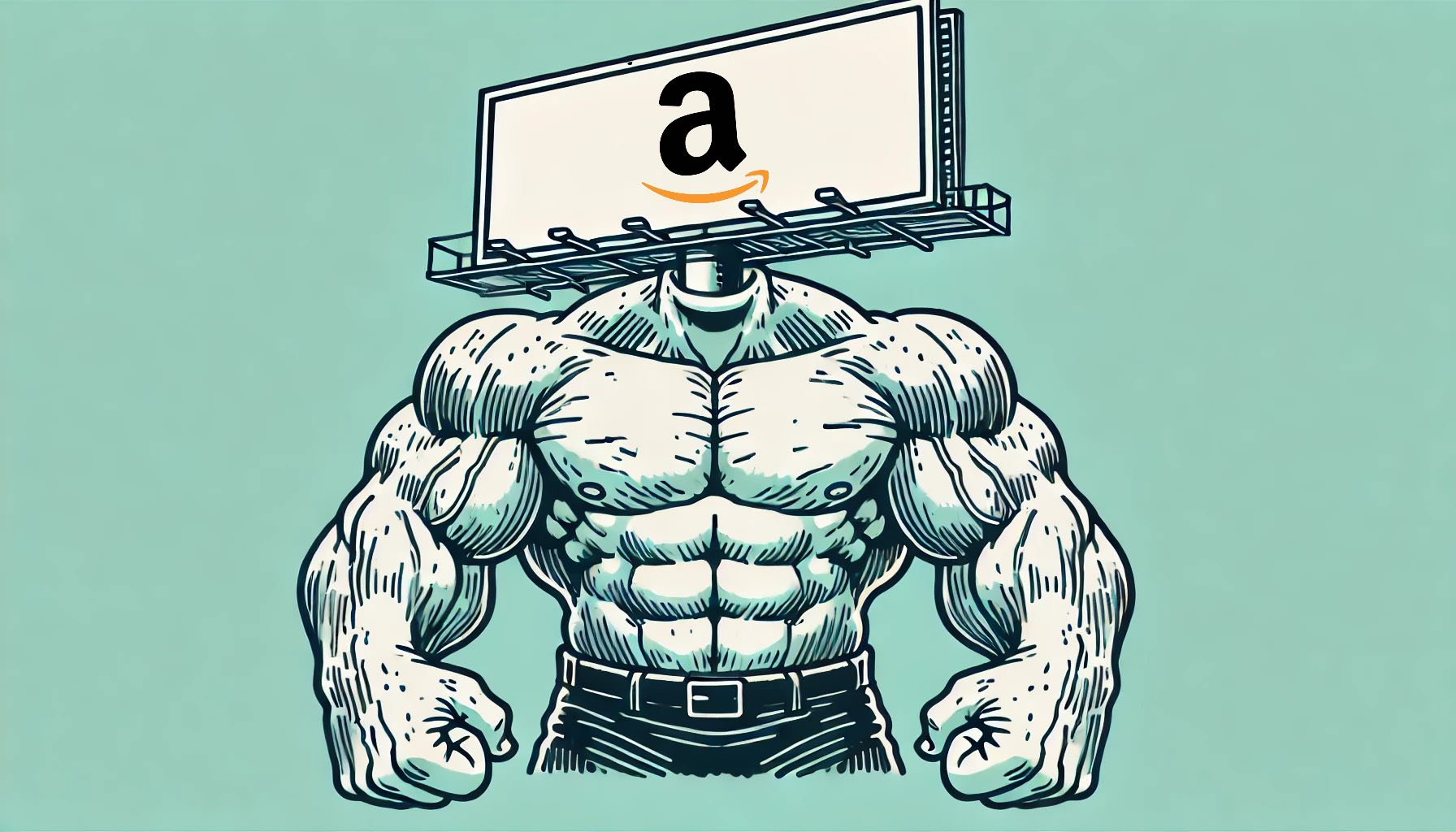
Amazon, Rufus, and the Agentic Commerce Question
4 May 20261 page~2 min full read
Key insights
5 slides
Key number
Amazon's Q1 2026 advertising revenue reached $17.2 billion.
The figure marks a 22% year-over-year increase. This positions Amazon's ad business roughly on par with Google's combined YouTube and Network segments.
What changed
The retail industry is shifting toward agentic commerce.
AI agents like the hypothetical Rufus replace traditional passive browsing with proactive, conversational purchasing decisions. This model uses AI and conversational interfaces to drive purchasing decisions.
Strategic move
Amazon is partnering with OpenAI to integrate AI-powered search.
The partnership aims to improve ad targeting and user engagement. Amazon is expanding its AI-powered recommendation and search capabilities to enhance these areas.
Long-term view
Amazon's long-term advantage depends on transitioning to an agentic marketplace.
The author argues that long-term competitive advantage may hinge on integrating agentic commerce into its platform. This could sustain advertising dominance while opening new monetization pathways.
Industry context
AI adoption in retail is accelerating in the 2026 tech landscape.
Companies are reevaluating revenue models that rely on passive browsing versus proactive, AI-driven purchasing. This forces companies to reevaluate revenue models previously dependent on traditional user-driven search.
1 / 5
Ask AI about this report