Transcript
[Music] welcome to the novic gaming podcast where it is our mission to explore the business and future of video games we bring together the industry's brightest Builders investors and thinkers to keep a pulse on current events dissect emerging Trends and games share Lessons Learned and have a great time this podcast is also part of novic growing ecosystem which ranges from free and premium research to Consulting and AD advisory services for more information visit [Music] www.nic.edu from frauders is crucial and that's where insure AI this episode sponsor comes in insure AI provides payment fraud prevention that's effective and tailored to your needs the team's adaptive AI creates a dedicated model based on your data focusing on behavioral patterns to catch even the
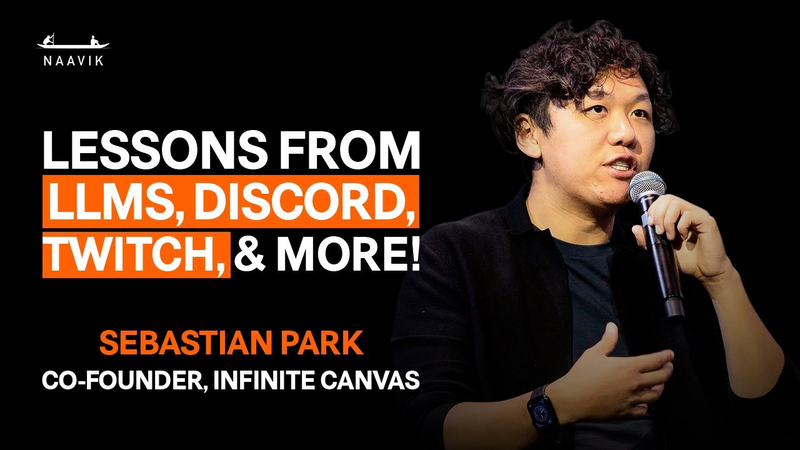
most sophisticated fraud attempts with decisions made in under half a second and up to 98% approval rates insure AI ensures more legitimate transactions get approved delivering a seamless experience for players plus with a chargeback guarantee you can focus on growing your business while the risk is handled for you key players in the game and turn payment fraud into a profit center with insure AI to learn more simply head to in. a/ gaming or check out the link in the show notes now let's jump into the episode hi everyone I'm your host today Aaron Bush and I am joined by one of your favorite recurring guests Sebastian Park as you may remember from previous episodes Sebastian who is co-founder of infinite canvas and Adventure partner at bitc has been building on the bleeding edge his team was early to build on platforms like Roblox and ufn and more recently
has been making games on Discord twitch telegram using llms and Beyond it's been 6 months since we last caught up on the Pod and of course A lot can change in six months so Sebastian is back to chat about building games with new technologies and on new platforms and we'll try our best to squint into the future and gauge some of what comes next so it should be a super fun conversation and with that Sebastian welcome back to the Pod thanks for having me Erin it's good to be back it's always a fun time to talk I believe today is October 23rd so late beginning of fall mid-fall leaves are changing colors there you go um so should be fun a good almost it's a good Q4 uh you know wrap up looking back on on the previous year in a lot of ways and really my first question to you just to to kick stuff to to kick this off is just what's new like like what how would
you say Infinite Canvas has evolved over the past six months how have you changed or not as an entrepreneur like what's been going on yeah so we talked a bit about this before the start of the show but I'm a huge believer in the even Keel uh perspective of the world where you know we have good days and bad like there are days where everything's not working there are days where we find huge breakthroughs and and it's actually really nice look back on the company and the team over the last six months we spent a lot of time doing really core game design but also a lot of middleware llm manipulation right we spent a lot of time with everything from Mon and Claude and Gemini and gb4 and no trying to get the type of responses that consumers would want out of our products right and that was the name of the game last six months we learned a lot about it it's
funny to say but I would imagine I I was talking to a friend about this if you were to survey people in the world uh I would say we're probably like like you know maybe second or third best in the world at at this type of like development and the people who always Beed us out are the are teenagers and people in their like in college right people who have more time like those guys are Crushers right like I don't think there's there's for sure the case that there's some like 16-year-old out there who has spent like non-stop time working on this problem and probably understands this even better than like I do or anyone on our team does but outside of him or her we're we're we're really up there in terms of our understanding now nice and um with that I I think it would be interesting to just hit on again and we we may have talked about this a little bit in the past with just the infinite canvas approach in terms of of how you guys work because
uh it seems like a pretty small yet fast-paced team um you know even this past year your team has launched several interesting projects that are all built with different Technologies they all live on different platforms sometimes you have you know one game that's been built on different Technologies on different platforms um and we'll talk about the games in a moment and and through that some about the emerging platforms but can you unpack like what the infinite canvas approach is right now like why build so many ideas so quickly in so many places yeah so for context in the last four years or so Infinite Campus has shipped about 100 games like that's so which good and bad right like the the real reason is is our own internal philosophy around what works and what makes sense and so we're huge Believers in in the in the idea
that we don't know what we don't know the unknown unknowns the fact that taste change technology changes what's big one day is different the other day the definition of Ohio has changed in the last three years for all right like you know there's so many different things that occur and things move so quickly that the only way to really have a point of view when you're targeting these different audiences is to have one get it out as quickly as possible and figure out what other people think about the point of view and that's been our philosophy from day one so we you know really our iteration process is like hey under understand platform find a core Loop a core feature a core productized bit that Everyone likes and then run from there and so that I think is is really the has really been our bread and butter in terms of how we've operated as a team and our core team like the core engineering team uh product team has been effectively the same for people
this entire time and so that also helps as well yeah for sure um I guess I'm also just curious about the nuts and bolts of that U like like how has your team been able to iterate and ship so many ideas so quickly like like how have you gotten better at that or like do you have core development philosophies that drive your ability to um you know pull off so many different iterations and and tests how does that go yeah there there are two things I think are really helpful from us that are from very different worlds the the first one is the more game Jam hackathon mentality which is hey go home think of an idea let's put on the board let's do this in person let's talk through this in person we'll have like an offsite or an on-site we'll jump into a conference room I always tell people I want my meetings to be either 30 minutes or 4 hours and this is very much like a 4our style meeting where we're like just in a room ordered
some pizza or salads depending on how how much older we get we we've gone gone away from pizzas and more towards salads recently just to stay but but like be in a room for like a good amount of time and just shoot ideas at each other like uh the other way like a writer's room basically the other thing that we do honestly is we do a lot of yes anding like from improv which is there's no such thing as a bad idea even though there are a lot of bad ideas out there let's like Riff on the idea until we get to the place where we have a lot of different Fe features and lot different implementations that we have so once we have that in the locked and loaded uh we just order them sometimes randomly but oftentimes based on like what we think might work best and then we ship right like then we're like cool our head of engineering Bruce Hill will go out and effectively mock up exactly what the different parts are we we then divide and conquer we ship the product we ship the feature usually we do in a few days and then we get out into testing just as to see like how people think and and
while they're testing we're already working on V2 of the feature and then really the testing feedback is going to help our V3 of the future makes sense cool uh well let's let's shift gears and actually talk about the games themselves and we can kind of work through how some of this has actually worked in specific um circumstances and through talking about these games I think it'll be interesting to our audience to to just continue to understand what you're seeing on these emerging platforms because there's obviously a ton of discussion about like what's the future of Discord or you know like you know there's Rumblings about like oh people are building games on on telegram but like yeah you know the the actual lessons and insights from being in the trenches I think is going to be super interesting um so let's let's start with uh wordcraft um which I have been playing over the past couple days um and there's a couple interesting things to discuss
here but first uh maybe you could just describe the game for people maybe help people visualize what this is yeah for sure so if you guys are on literally any platform on Earth I think except the PlayStation 5 right now you can look up wordcraft uh where warcraft.com right we're doing a lot of caching so it doesn't feel super slow but if you are sufficiently bad at the game or sufficiently exploratory in the game you'll get to this place where everything is actively pinging in llm to figure out what the responses are we don't know the start on the end of the puzzle it's a puzzle game where you either combine or split or manipulate words and like Lex in in the Lexicon of English words in order to reach a goal word and so in doing so like the can example we have is if you want an orange
tree well how do you get and we give you the colors red and yellow yeah red and yellow makes orange red and yellow you can combine those to make orange combine that with tree to make an orange tree right really funny puzzle like mechanics in that in that manner and form so that's Warcraft in a nutshell uh it's a it's it's also very fun ugc experience in a lot of ways because you can actually this is actually based on some like hilarious language Theory which is that you are able to do some like seven b seven degrees of Kevin Bacon get from any word to any word it's like fundamentally possible like you can do it it's actually it's like there's no way not to do it you can get back down to rudimentary bids and build it back up if you have split and merge and any number of words but the fun part is like you know having people feel good about the exploration into the end goal yeah I thought it was it was fun there were a couple words really kicked my butt and
trying to figure out like like fossil like that word trying to figure out how to get from the the original word which I don't remember exactly it was like clock or something to Fossil I was like what the heck um but it was fun and it's like it's an interesting like primitive um that you you could see like as a loop being able to build on in an interesting ways but um tell me more about the llm side of it I guess first of all you said that you don't know the beginning middle or end of some of these puzzles like like how does that how does that work where you can create a game but not actually know what is being put forward in front of players and be happy about it yeah yeah I mean so there's a lot of tuning involved right there are a lot of times where we're unhappy right I think the problem is the core primitive is fairly self-explanatory we're trying to get from Rock to Island how do we get there right you have you can Implement
verbs we call them split them merge them intensify it Opposite Etc the the the player experien is the hard part the actual mechanics are what they are realistically what's happening in the back end is we when you say Split Rock we're there imagine there's a chat GPT call to GPT 4 being like hey if you want to like Split Rock in the like lexicon sense or lexical sense what are the top number of choices that you'll get to Etc you combine that with just a bit of offthe shelf machine learning meaning hey just like iterate Monte Carlo iterate through all the options see what Pathways there are give people hints give people Direction you get to a point where the game sort of plays itself in terms of level creation we then do a lot of tailoring so like the first like 10 levels you play are the ones that we think are most intuitive and then we try rrap you up more and
more but certainly it's something that everyone can do whenever they want got it and how did working on this project shape your view on how building via llms will affect game development in the future like did your view become any clearer or any more uh like you you just feel more sure about how certain parts of the future will will work in in Game Dev from this project so I would say game development and um game design is really hard like that's like unequivocally true right we are so far away from these llms or some of the geni tools really showcasing itself well we are so far away it feels like early mobile when like the top games were games like sword and sorcery like a 60-minute RPG you buy it for five bucks right that is not what we imagine the best use case of a touchscreen or a mobile game is right like I think there is a lot of space
here to design on but it's not easy right I think there's a lot of focus especially in Venture but also in the greater World on two opposite sides of the funnel there's a lot of focus on foundational models like making the models themselves cost about 80 to100 million dollars per pop to just run a test so billions of dollars to create a real model so probably out and also you have to be like a top 25 research scientist in the world right like probably not the best implementation or use of time there and there's a lot of talk on really the like the stuff that we've talked about before how do we productize the world how do we make it easier for QA to operate how do we make it easier to do uh improve our production flow and design flows the stuff that hasn't been as explored and I think people are starting to understand is incredibly important is the middleware part of it it's really understanding and unpacking that actually we can't just give people language and may hope that they have a
response that they will like right the English language is not a logical language it's a contextual language it's a language that has multiple ways to say there and it means different things and it's spelled differently and people screw up all the time right and so because it's a contextual language and because it's not logical turn incomplete the way people interact with it is different right people can get frustrated when they split let's say uh box and they're expecting cardboard and uh square but they get instead Cube and paper right those are both fine implementations and understandings of ways that a llm if you assume it as like this like nebulous thing can like split up cardboard box into but the problem is is that like if you if it if it attacks and defies your expectation you might be pretty annoyed you might be pretty upset with the game Flow itself and so there's just a lot to be done there I will say
it makes it super powerful though uh it is Warcraft as an example is a game that at scale we don't need to have nearly the same number of folks as a Candy Crush at scale it can like interact with a variety of different platforms really quickly and tailor very fast because of the nature of the game and so that I think has been really fun it's like building your own engine effectively like they used to do at blizzard where you're like hey but instead of building an that's the Maya components and the 3D rigging and whatnot the engine here is hey how we can manipulate an llm or any type of off-the-shelf AI to interact with users really well yeah so are you building the middleware AI for just specific games like do do you think like that's the sustainable path in the future or like do you see I mean I imagine there's going to be so many tools um built to kind of act as like
converters between like these big llms that aren't made for games to actually be able to take it and make it much easier to use in different ways for um for game developers like like how do you see like actually working with these things changing over the next few years yeah I'm I'm often bearish on well let me take a step back I don't know right I think one of the beauties of being on The Cutting Edge is like you have to have a healthy amount of just being h fine with the fact that you don't know and I have no idea right it changes all the time I will tell you the things I haven't worked those are really easy I haven't had that much success with the Litany of AI startups that say that they are a better version of talking to these systems I haven't had any success there in part because at the end of the day it's less about language and more about intent like I want you to understand my
intent as a creative or founder or or engineer not necessarily what you believe the intent ought to be right right the beauty of programming languages that's often misunderstood is that the reason why it's so logical and oftentimes codel likee is because it can be read by every machine the exact same way right like that type of understanding is pretty interesting what I will say is that we've seen some implementations that are better than others but the one that works the best for us is really trying to give as many contextual Clues to people such that they understand how it works for them and in their game here's an example from us we have a lot of art assets right our our our art Assets in the games are often unilaterally with exception of a couple characters generated by some combination mid Journey or gemini or whatnot It's Made in real time it happens as you play the
game if you go down a weird path where you're like trying to do something new it makes the art itself right what's interesting is that there are three ways that art designers typically communicate with each other visually they like show you the mood board they show you the story boards y orally they talk to you through like what their intent is and then like notes like they like write out on the bottom with words like hey here's what we have and what we basically been doing has been like less the like span like fancy we're trying to train our own llm that's nothing we'd ever do it's far more actually in this regard which is hey we want this art asset to have this silent feel show us exactly what the words were used to generate it as well as the art itself that came out of it and then over the period of a few weeks or a few months you tune those things such that the words and the image match the taste that you're trying to generate right and so that I think been a really
cool process of this and in that way yeah the stuff we're working on is fairly bespoke per game like there is no overarching middleware thing that's working for everything in part because we're tuning it towards our audience we're tuning it towards the people we're talking to yeah make makes a ton of sense um I want to talk about a couple other games but uh before that I do have a couple other questions more even specifically about wordcraft um one just has to do I mean all the llm stuff is interesting but even beyond that part of the technology like this was a game that was built differently and tailored for different platforms like um in your your notes to me you told me that that wordcraft was built on gdau for mobile HTML 5 and JavaScript for the web and it's even a Discord activity and I'm just curious like um like do you think that this approach of tailoring games to
more platforms is going to be more common in the future or are you just trying you know to build these games in different ways to experiment and see what sticks like uh Ju Just tell me more about like why you you're taking this this approach technologically yeah I mean so first of all like the the coolest part about you the type of ways that we've been building these games and the style of games we build is that it does work on multiple platforms and that you can tailor them and you should be tailoring them especially with the tools we have today like it is possible to tailor a more mobile experience for people who use mobile right and that was great for gdau because we were able to get people to feel effectively the type of progression you'll see and stuff like Candy Crush as an example for htmo 5 JavaScript you know really you want to give people a flow that's similar to wle right like you want them to be able to come back and engage differently this activities is another fun platform to
build on so I'll say there are three main things here one our team is capable like you do need some senior engineering to be able to context switch between platforms once you have it it's nowhere near as difficult as it used to be like it's something that is possible to do and two you want to tailor it to platforms to see if they're versions of the game that make more sense for that genre of folks you're effectively having a you're shooting an arrow down range you want to make sure there are enough targets there for you to hit I I'll say the the final thing there is is this a you ask like is this an approach people are going to take and I think people should take it I think people should be tailoring more towards different products if they have the opportunity to there is a chance that will work better one way or another and I think that's something that like we don't see as often in part because there's been a large amount of technical overhead to do so but as that bar comes down especially with the integration of sort of this like runtime AI bits you don't run into the same amount of headache moving one thing to another interesting and one last
question here um the in our previous conversation six months ago we talked a little bit about how maybe one day some of these llm platforms like chat GPT could actually become distribution mechanisms um for games and if you think about it like it's probably like these types of platforms are the next big consumer internet platforms that have the potential to to reach billions of people uh which is a pretty powerful thing to build on how was your thinking changed there are you still bullish or at least curious about that oh we're so bullish and still super curious the number of players is starting to shape out I think that's something that we didn't expect as quickly as it's been happening like the number of players has been shrinking down to your effective bang companies but we are starting to see what that looks like for Gemini right like we're starting to see what Google looks like open AI I think has been leading away in terms of Integrations there I'd imagine
perplexities going go in that direction as well soon so these are things that they need to solve for themselves but once they have in they have they clearly have the eyeballs and I myself find myself asking an llm questions more often than Google most days nowadays so I think it's moving in that direction for sure okay cool well let's go ahead and shift gears and talk about creature Craft um which uh you put on Discord so I kind of want to talk about Discord through the lens of this game too but I guess first of all again like Ju Just tell us about the game like like what is it why did you build that game why put it on Discord what was your thesis behind all this love creature craft creature craft is it was initially a bot we're turning into an activities as well but it leverages runtime AI to generate new levels for you to play indefinitely we wanted it to be effectively somewhere between an idle RPG and an interactive
game that you would play in a chat functionality when we built a game about a year ago uh the visualization parts of AI the Gen AI visualization wasn't as robust as the text part and so it made sense for us to pick Discord initially in part because of two reasons one Tex is a huge part of the ecosystem there were Bots available we could totally leverage that but two and I think also interestingly Discord is like the second or thir largest social media Network in the world and people just like don't think of it that way like Discord in 2024 is probably my favorite platform it's a platform where I interact with people far more than anything other than memes on Instagram right like this is really really that type of Next Generation social network right and they're offering voiceover Internet Protocol and these communities really as a top of funnel just like how Facebook offered status updates and photo uploading as a top of funnel to allow
you to do a lot of different things we are so positive and bullish about Discord in part because there are so many eyeballs there there are a lot of folks are really interested in being effective and engaging there and we've we've quite liked working with the Discord team as well got it well tell me more about your experience building um on Discord I guess um probably early iterations were were Bots as you were alluding to but more recently um Discord you know really their activities we can maybe talk about like like what this is but like what has been your experience or early Lessons Learned so far about like building these activities on Discord yeah but the notification Loops are probably the place where we're spending a lot of time on right now trying to understand how people use Discord and interact with Discord you know some high percentage of Discord users are mobile only randomly enough like it's like a hard thing I think for older Millennials to understand most gen Z probably only have Discord on their
phone some I I I remember being like 20 to 30% of all Discord users are mobile only right like that I think is a really important part of the analysis in terms of how we're thinking about it and how we're approaching Discord the second part is you know Discord activities right now they just did a public launch we're starting to see some new games come out these games won't be the same games that are on the platform in six months right like there is a bit of learning curve and growth to it Discord activity that we've seen is often communal based in that you see groups of people coming together and hanging out they're it's effectively a digital second home or what's that what's that term again second space is that right it's like yeah your third space homework and a third space yeah yeah Discord is often becoming honestly a digital third space for a lot of people and it's reminiscent of like cheers or friends or How I Met Your Mother like these types of like three three camera
sitcoms where they're like all going to the bar that's really where I I'm seeing a lot of activity on Discord for people come home they like have their group of friends that they hang out with and they just like jump into the channel they're hanging out there just like actively lounging it's it's also REM reminiscent to use a more I guess more modern on since people have may may now seen sitcoms but like what like the like what the different Capitals in World of Warcraft were for that game back in the day where it's like look this where everyone's everyone's around the auction house they're all shooting the like it happens right like that I think that digital third space feel is really interesting so the games that support that are super interesting they ought be more asynchronous I'd imagine like it's or incredibly synchronous we've seen a lot of like party synchronicity like party games jackbox style games that could make sense but I think there's also room for some asynchronous Back in Forth like your male order chess as an example and so I think that's been a lot of fun to explore the rapper itself is pretty intuitive
right like if you know HTML 5 at all you know it doesn't use it doesn't use frames as much as it uses like nodejs as a rapper so it's like a it's a it's doable and it feels a bit like web with some other constraints on it and then in that purchase ecosystem there really shows discord's desire to perhaps move to you know 06 Facebook which I think would be the most exciting world to be in yeah well how big of a moment do you think this is for for Discord because you know as I see activities I mean like what's most interesting is um being able to build games primarily that tap into just like the inherent multiplayer nature of a social platform um and I I don't know much about like the monetization capabilities other than I guess it's it's possible now and I I assume they'll make it more robust but um maybe it would just be interesting for people who are more watching from
afar or haven't attempted to build anything on on Discord yet like what is most interesting about this moment and like what does it say about like where this is going to go for the platform if you have thoughts yeah so I I will say the most interesting thing about this moment is the I don't think it got nearly enough Fanfare for what it is right this is a like I said inarguably one of the top social networks in the world launching effectively a games and product platform that is not a small feat that's not something they you should just ignore that's something there's a lot of potential value there right does it succeed right like this is not an estimation on any individual person succeeding or the platform succeeding but this is an indication that hey here's another place where they want user content they want productized bits to interact communities they love that part of the ecosystem I think thist is
moving more and more towards that direction they're becoming more and more a third home productized area I think that's like really bodess well for people in gaming given that their initial trunch of things was gaming so I think that makes too yeah do you think like in the same way that like on a platform like Roblox or uh I guess maybe even ufn like kind of like the initial builders more individuals but at a point it became more professionalized and we see like Venture back teams building all sorts of stuff on on on Roblox do you think like a platform like Discord would will have kind of the same type of trajectory or like is what is being built and therefore who is building on it just like something inherently different so we've already seen this even before and that's sort of the beauty of what Discord is is is about right which is the best Esports to use a random different example the best orts
in the world historically have been ones that's sprung up organically they're the best speedrunners in the world play games organically in that it's basically someone loves it so much they start building or they start building the community next thing you know you you have something interesting there y even before Discord supported anything there was an entire ecosystem of individuals and small groups of people being like it'd be really funny to have such and such game like a drop like a dropping game in our ecosystem let's create a drop by right you had this entire space of Builders who are like oh there's a lot of people here I want to make something cool I'll figure out and hack a way around to do it and so in a lot of ways Discord already has that community of folks who want to build for their friends and family and larger communities so given that I think there's a lot to be said there I will say the biggest difference between 2024 and like 2006 though is that in the last 18 years like the idea of a professional game developer has and especially
professional indie game developer has exploded meaning that there are a lot of teams that you know make enough Revenue to deploy capital and resources towards new products and platforms some are Venture backed some aren't right a lot aren't honestly and so I think that's where we're going to start seeing a lot more movement is actually in in that trunch of hey these like three to five person teams who have been making things for other platforms they like Discord they're already supporting Discord let's go there I wouldn't be surprised I think it's very intuitive for more board games like physical board games to have like digital companion inside of Discord that makes a lot of sense to me and so I think we're gonna see a lot of movement in those worlds interesting um one more game quickly your team released AI Derby which was uh built on Twitch as like a live streaming um experiment and I know you guys killed this game so maybe didn't get the outcome you were hoping for um but I'm I'm still really curious
what you learned from building and operating a game on Twitch that maybe you didn't appreciate before jumping into it yeah so a AI Derby is a horse racing game where all the horses are generated uh using gen it's really fun it's all runtime people type in like hey I want this horse to race they if you've ever been to a horse race if you haven't like and and like you know depending on where you fall like it might be an interesting thing for you to check out but one of the famous things about horse racing is that the names of the horses are ridiculous and so the idea came out hey horse names are ridiculous gen like runtime generation of ideas and images is ridiculous maybe we'll combine the two we had a lot of fun with that game I actually do think that game has some legs it's it was back burner a bit in part because we were working on Warcraft and some of the other fun things the theory behind it I think is incredibly sound in that the highest cost of Twitch streaming or content in general are the
individuals if you can generate a style of game like Twitch Plays Pokemon if you guys remember that from a decade ago where effectively a computer an AI some other type of mechanism a a virtual announcer is operating the game without you there are some like really low cogs to overcome uh we can talk about this in a little bit with regards to like Wukong black myth and some of the other liveops games but if you don't have to hurdle these large in order to make money it makes for some really interesting game design and really different styles of game design and so that was a ton of fun it was really cool to have announcers that we're just like playing through and having people come in and like effectively betting on different horses and all that jazz I think there is something to be said about live streaming platforms which is you don't need to have 10,000 or 10 million monthly active users to be successful in the same way that you do on Twitch their the way you generate value on those platforms is the viewable hour right and so given that you can generate such a
high number high volume and honestly high like velocity of viewable hours I do think that there it's a really fun platform and it's something that like we had thought about both T my co-founder and I had thought about years ago when we were working in orts and we couldn't quite make work in part because it's hard to convince people to stay up from like 1 to 6:00 am. every day for their entire lives right like you don't have as much coverage there yeah yeah makes sense and I been interested in like the idea of these like massively interactive live events the the miles for a long time which um I I guess I mean it really started with that Pokemon experiment from a long time ago and um I guess genvid specifically has kind of taken it more in a a different direction to being more like like in apps you know like people will vote and do things that like affect story beats but it's not necessarily like being on 247 and so yeah still a very
experimental place to be but sounds fascinating as like again like creating New Primitives learning how different platforms just like inherently have different business model Dynamics um and and different like game mechanics that you can you know bring to the the front because of the emergent properties of these platforms like it's so fascinating um I I guess you know like a followup to this is like you know we've talked about a bunch of platforms your team is built on a bunch of platforms you know beyond like what we've mostly talked about today like Discord chat GPT twitch um like since we last talked like are there any platforms that you have become more or less excited about or bullish about really mattering in in the future yeah so I mean I'm more bullish on
telegram I'm more bullish on Discord I think those are the top probably the top two that I'm like pretty bullish on in terms of you just have large communities of people you have access to them it's it's a really cool environment to build things on I think chat apps as a result like WhatsApp I'm actually fairly bullish on which is not environment anyone talks about anymore orever and so I I do think that those are probably the top of my list I I think I'd imagine there also is something to be said about I am still fairly bullish about all the other platforms as well right I think it's just that as I explain this to folks all the time like as Things become more red ocean it's not that the economics change is that the rate of success changes I still think those ecosystems are pretty a ton of fun yeah that's exciting give me your like 30 second updated thoughts on telegram yeah super awesome really fun lots of users uh I can probably talk
more than that well I'll say the biggest issue with telegram is honestly the crypto aspect of telegram like yeah what people don't recognize is just the legal headache involved in dealing with crypto if you're not in crypto right and so the best payment accepting mechanisms on telegram are still ton coin fine like like it's their platform they can do what they want but the downside is that as a game developer as like a as a us-based company that doesn't accept crypto for anything else we do like the amount of headache it'll cost us in order to accept crypto pretty interesting I also think that the Press is a bit overblown right like there's been a lot of pieces about how telegram is just like awful evil place and it might be in that if if you have the worldview that all social media is bad then yes it is a social media platform uh but if you have to view that's it's another place for people to talk to each other I think it's fine okay well we could talk about any of these platforms a full episode but I do want to keep it
moving um so we were both recently at the bit crafts annual event in San Francisco a couple weeks back at this point and you were on a panel that discussed the intersection of AI and mobile games and I thought it was really interesting and one thing you said um was that while early adopters of AI Tech may have certain advantages in the very near term over time and as how all technology has always worked um really you know just give it enough time it just creates a new Baseline in which everyone is competing on level footing again it's just the the rules of the game on the field um have changed and um feel free to expand on on that point more more um but really my question is
like like how do you think that Baseline will expand over the next few years um you know you're working with a lot of this technology in a lot of different places and I'm just curious like like what do you actually see being that new normal um in the next two three years or so to give some historical context the analogy that always resonates is that anyone who's a top 100 baseball player in 2024 would be MVP in two 1970 right like it's just like anyone who is a top 00 basketball player in today's NBA would be an MVP in 1970 right like the advancement of humans as a ecosystem as as a be a sport or Tech otherwise is that strong like if you think about what constituted like high level physics understanding in 1910
if you look at 2024 like that's probably undergrad physics at this point right like it is really that different in terms of that Evolution we see this also in game development right like what's considered the interesting good game Loop in 1994 is considered table stakes in 2024 we see this in technology having social reach out and having abilities to like add your friends to your game in a mobile game is a no-brainer requirement for making any typee of social mobile game in 2024 and would have made you billions of dollars in 2009 2010 right those things are what I mean by table stakes and what I mean by the creeping of Technology what's cool about technology is that gives you this window but it has to be accepted that it's a window of time as opposed to an indefinite period of time to push your edges in ways that other people are not yet comfortable with or don't quite understand but once people understand it it becomes just the norm right now we
expect indie game developers to be able to make not only for for PC and Xbox and PS5 and switch and everything else I can tell you when I started making for any new platform required the entire new hardware stack like you just needed to go and like ask Nintendo for a developer license you had to do so much to get stuff done and so the table Stakes today are just much easier to make for different platforms AI changing a lot in terms of table stack number of humans you can get so much more done with fewer people again it's been weird in that gaming has gotten more and more complicated over the last half dozen dozen years such that these teams have continue to grow larger and larger and what's been really interesting is that this new tech allows you to as an India developer or a triple ey or even like a single a or double a developer uh get to levels of fidelity and to get to levels of iteration speeds that we would have only seen uh at the highest high of places prior
so that's been really cool that's almost certainly going to be just become the norm that you're going to be able to get art Direction articulation done in 24 hours that you're going to be able to like people are going to show you the images going show you the prompts that like come up with the images they're going to show you the people involved they're going to get you to get figure out your taste much quicker and that's going to be the expectation there there's a company called latent technologies that does a bunch of 3D rigging that's completely AI generated if their AI physics engine is the ubiquitous thing that you can just plug and play every 3D animated Game ought to have some version of physics engine that's bespoke and tailored to whatever they're doing that just becomes a table stake of how you build out these games and so in a lot of ways we're at this really fun time where we got to experiment and find these edges and then use them to build advantages and try to overtake the incumbent but if you wait and if you let the incumbents catch up they still have the
incumbency advantage and then you are back to being normal uh my my favorite thing also is uh the other one would be poker right like poker if you look at how poker was played 40 years ago or even 20 years ago versus today the people today are would be like super Crushers 20 years ago right and so that I can't I can't emphasize enough is the EV and flow of technology and so the idea that we're going to emerge from Ai and like oh you're going to have an advantage needs to be couched in the idea that the advantage disappears over time yeah which is perfectly put and makes a a ton of sense to me uh I think it's called the Flint effect uh which you know has measured how like Humanity just like across all Dimensions Sports Etc you know just like gradually levels itself up and and the Baseline Ines and yeah I remember that concept blowing my
mind but maybe and I think you described it really well for the games industry maybe you could um help ground it in more um examples in terms of like you know in terms of like the you know both as like a Founder that's building games but also as a venture partner um at at bit craft like any early winners in terms of like companies or tools that are like the facilitators that like you're pretty excited about of what is going to increase this Baseline for everyone yeah so uh first and foremost I will say there is an awesome amount of people shipping things and so one of the big table stake changes I've seen even the last five years is that you know a lot of people came to the market to raise money to build a vertical slice to show off their game given these new tools given the fact that things are easier to make there is
no risk in theory of you being able to make something like that shouldn't be the risk here right like that there is no reason to say that you're able to raise a few million bucks and then you come with a demo that you should have metrics in hand you should understand what your audience is you should have communities you have things built into it Beyond just oh I made the game because you making the game is Just table Stakes at this point like we assume that when someone gets money you'll be able to make the game right the in terms so that's that's in terms of like how it's changing the world in that world in terms of how it feels like in the world of like tools and whatnot like it's weird to say but I still find the most amount of fun and the most amount of values just from using the same stuff we've always used and that like it's still gp4 it's still pla it's still Gemini it's still mid it's all these places those places are improving their tools so tremendously
yeah like all the time that like it has been hard to justify for us to like be like oh like why should we work on this new upand cominging platform and product the only times I you don't see that are people who aren't doing middleware right so this is the people who are doing fundamental research that's where I see some really cool advancements I I mentioned latent technology I I think I don't know if you had a chance to check out their demo at the bit craft event I was a huge fan I I thought they they were doing some things that were like really cool and changing what could be made and I think that's the thing that I look for the most is not Hey will this improve my process of making stuff by 10% I'm looking for technology that like changes how we think about how we make games and how we make products yeah the another example is something that we've built internally but like that we use all the time which is just making sure the levels are geared towards you at a certain point Aon as you play Warcraft for example depending on how good or bad
you are the will'll start adjusting the difficulty of the game towards you which is something that we've always wanted to do in gaming right like we've always wanted to have people feel challenged but not too challenged right and so you don't want I want to be the bosi as like the entry point for a game but you also don't need something a four-year-old can be right and so that type of customization that type of tailoring I don't think is just going to be for products and platforms it's also going to be towards individuals because the cost has come really far down there yeah super fascinating well we're coming up close to time and so I have a maybe a couple final questions for you um and the first one is just what's next like you've been building so many things in in so many different places um like you know as you look towards the next year or two is there any areas you want to double down on and focus on more are there any other like
new technologies or platforms that like you're excited to test out for the first time like how are you thinking about what's next for for you and infinite canvas here yeah we're going to continue to work on the intersection of AI and consumer I think that's some place that's really awesome we we also think there are some like really interesting non-pure game plays here too right a gamification uh it became a dirty word for a decade because it was done so poorly in 2013 but there is room for it and there's a lot of value there so we want to spend more time on on those parts as well but right now we're heads on wordcraft wordcraft is our our Flagship game that we're trying on a lot of different places so we're super excited to see what comes out that in the next few months well what's next for for wordcraft anything you want to share yeah yeah so we're doing some really interesting customization work we can't exactly share exactly who we're doing that customization work for but because of the way of the nature of the game it can ingest content from people and like
for example we could we can spin up a custom novic one even right where we just like invest all of novik's content and they'll make a bunch of puzzles and then link to the novic um puzzles articles themselves based on the puzzles so it's pretty fun say like because we've been doing a lot of stuff like that recently sweet um and then um lastly just one one thing that uh came to my head while I was catching up on all you guys were working on was like if I remember correctly um you guys in Infinite Canvas really started building uh you know with with games on on Roblox you did some testing with ufn but you know as our listeners can probably tell from this conversation like where your focus has been on lately has been like all of these other platforms and so I'm curious like is that a result of you know there being something about the major ugc platforms that everyone's talking about today that is just not as interesting to you or to Red ocean now um or is there you know just something
unique about these other areas that you just like a lot more and feel like you can unlock something bigger than on these other platforms for sure uh we're we're still fans of fortnite and Roblox and we still have a library of games on both what I will say is I think a lot about my Edge and my team's Edge like what are we good at sufficiently good at and what tables are we picking where does our technological our abilities actually benefit folks I will say when it comes to Roblox and fortnite the headwinds there have always been that we're a group of 30s somethings living in you know New York right like or New York and all over the us we have been in games and been in Tech and work for different tech companies for like you know a dozen dozen years what Edge do we have have often against 20,000 Roblox 15 year olds for
making games that are towards their taste right for the first couple years we had a huge Edge we had a huge Edge because like we just understood how games work we understood how to like rip out liveops we were doing a lot more publishing we're like working with game developers all the time that Ed started to diminish and then a lot of people went towards more uh sponsorship based Revenue Generations they went towards the idea of like partnering with different brands and whatnot and I can tell you from experience having done this in orts that that's not a venture case right it's not a venture case that is going to generate Venture returns is it a good business for sure it's a good business I don't doubt it's a good business but it's something that you know we as a team have always been heads down on hey what's our goal we've raised Venture Capital because we want to be a venture case of a game Studio publisher and so that's why we make the decisions we do this reminds me a lot of a conversation we were having earlier
about the difference between Wukong black myth and mobile games Wukong black myth is a great game but the number of people I see use as an example of how triaa game development is changing missed the force for the trees which is to say that Wukong is a 40 to 60 depending on region dollar box game it sold its copies if it never sells another copy it's still a successful game if any of our mobile games launched and a million people played the day one but no one played the day two we're a failing game company right and so it's weird to say that as we have all this like stratification and games are starting to split into different silos though we still compare things like they're Apples to Apples when in reality these business are just completely different a business that's funded and the revenue growth comes purely from you know your sponsorships and your brand deals is a very different business than a a
business that's built on a game that has you know 10 million monthly actives that aren't churning at all and so I think that's really where I see a lot of these things go and it's something I see pretty often and we saw a ton in Esports and so that's something that like I always have top of mine well final question for you uh there's only a couple months left in the the year but you know Q4 always has a bunch of big game releases holidays are coming which gives us some time to hopefully play more games uh what are you looking forward to to playing most for the rest of the year oh man I I'm hoping to so it's it's a fun question because I've been playing a bunch of Deadlock recently the new Val game which is completely crazy I have no idea how it was made like who would make a game this way of course val did so I've been having a ton of fun of Deadlock I actually have been meaning to pick up the Pokemon Trading Card Game that's on my list of things I've heard made some really interesting adjustments to how
that game is played so I'm curious to see what's happening there and then I have like a back catalog of just indie games I want to try out so um library of runia is something that I've heard good things about out of Korea that I've been meaning to check out uh I was just playing um backpack hero for the first time since it launched to see how the game had been updated uh I'm excited to play some more um what's it called uh oh I call it crack simulator but uh batro on mobile at some point so yeah I mean between that and some poker and spending time with family I think I think I have a nice full library to play that's awesome well let's go ahead and and wrap up here SE it's always super fun to talk to you I always learn a bunch I'm sure our audience will as well so thank you as always for for hopping on man thanks for having me man we'll talk soon sounds good and to all of our listeners thank you as always um for spending your time with us and we'll catch you next
time if you enjoyed today's episode whether on YouTube or your favorite podcast app make sure to like subscribe comment or give a five-star review and if you want to reach out or provide feedback shoot us a note at podcast nov. or find us on Twitter and Linkedin plus if you want to learn more about what navic has to offer make sure to check out our website www.nic.edu there you can sign up for the number one games industry newsletter navic digest or contact us to learn about our wide- ranging Consulting and advisory Services again that is www.nic.edu [Music]
Auto-generated captions from YouTube — names and numbers may be misheard.
























Comments