Country Reports·Updated Apr 8, 2026 by Maliyo Games
Report · January 1, 2024
Published by Maliyo Games
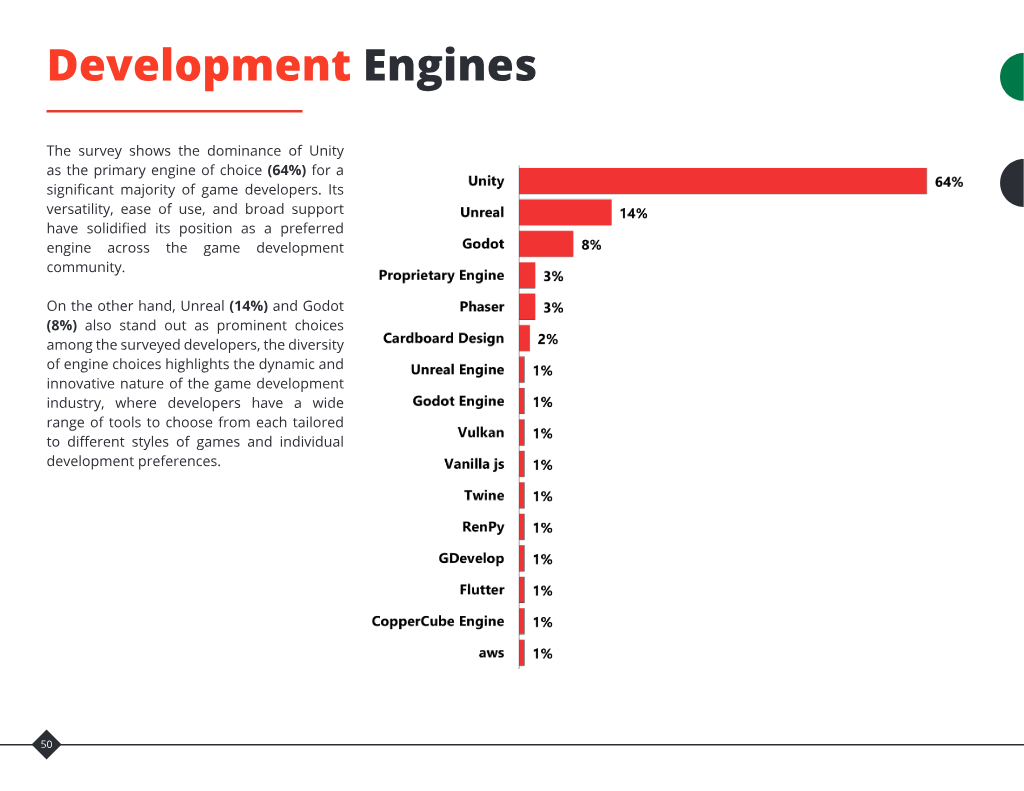
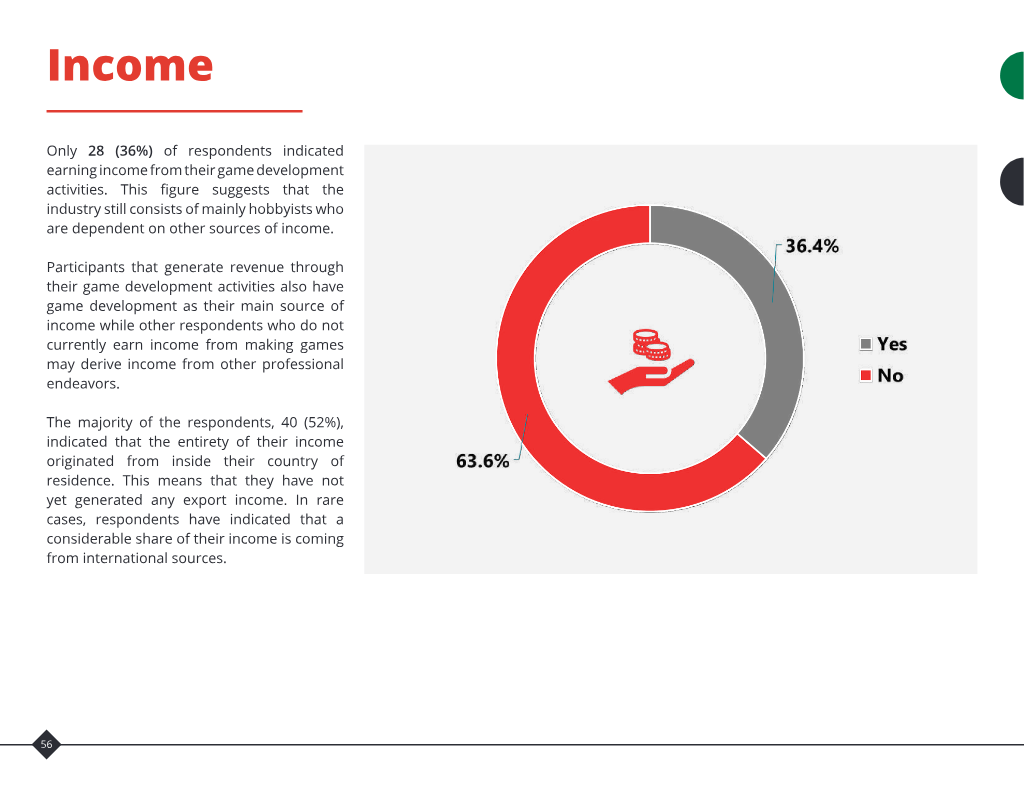
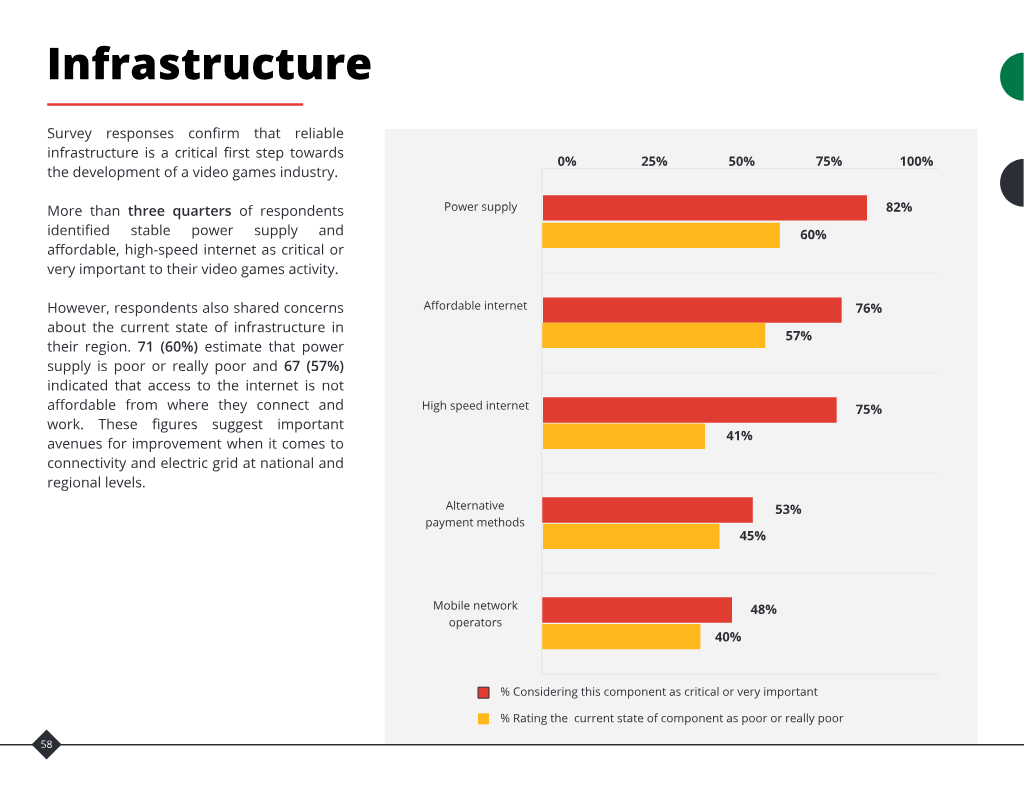
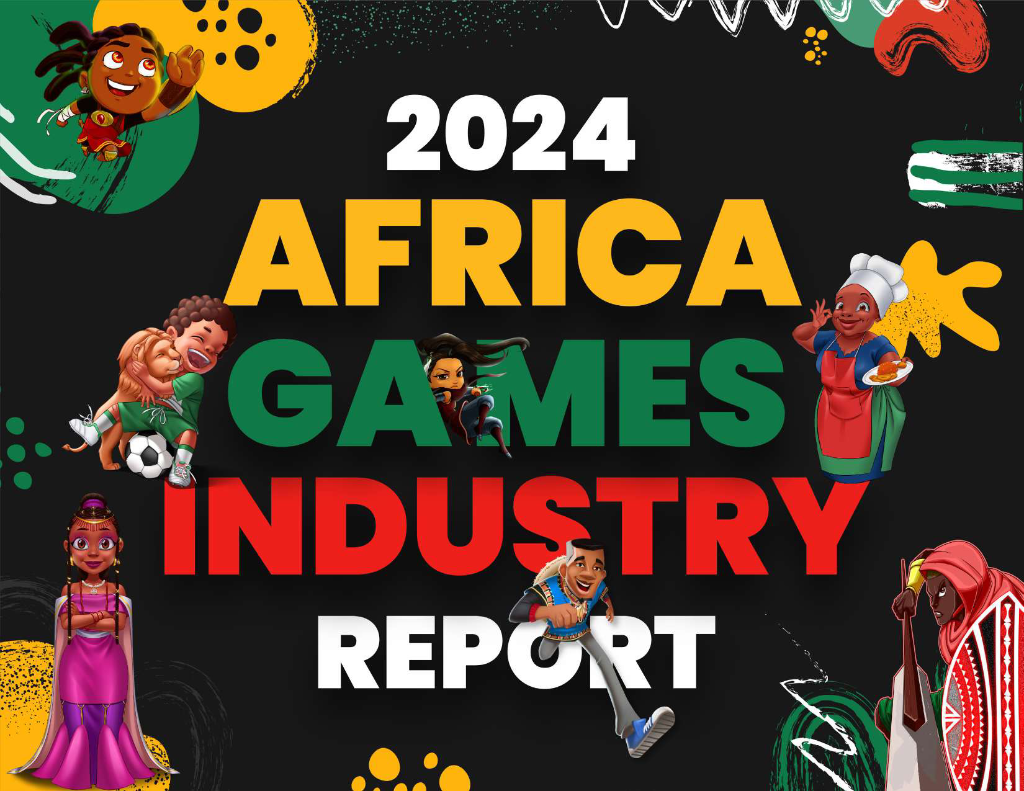
The Africa Games Industry Report 2024 presents a data‑driven assessment of the continent’s gaming ecosystem, targeting investors, policymakers, developers and the broader public. It argues that Africa’s youthful demographics, rapid mobile penetration and cultural diversity create a fertile environment for game development and monetisation. The report identifies fre‑to‑play with in‑app purchases as the dominant revenue model, while premium titles, ad‑based income, subscriptions and licensing remain viable alternatives for developers willing to overcome higher entry barriers. Key findings show that the Sub‑Saharan gamer base has more than doubled from 77 million in 2015 to 186 million in 2021, with mobile gaming accounting for 95 % of players and nearly 90 % of the region’s $778.6 million revenue in 2022. Approximately one‑third of players make in‑app purchases, underscoring significant monetisation potential. The industry is largely composed of small to medium studios and solo developers, with Unity the preferred engine and mobile/PC platforms dominating. Yet only 36 % of respondents earn income from games, and infrastructure challenges—unreliable power (71 %) and costly internet (57 %)—continue to impede growth. The report calls for coordinated action from investors, studios, policymakers and the public. It highlights mobile network operators and alternative payment systems as critical partners for expanding reach, while outlining a five‑factor ecosystem—reliable infrastructure, talent pathways, informed investors, connected industry and evidence of success—to unlock high‑value jobs, cultural exports and foreign investment. The overarching thesis is that Africa’s gaming sector is poised for rapid expansion, offering substantial economic and creative opportunities if these systemic barriers are addressed.
Table Of Contents 1. Welcome Note 2. Introduction 3. Understanding the Video Games Industry 4. Games As a Business 5. Prepping the Scene for an African Games Industry 6. The State of Play 7. The African Game Developer Survey 8. Final Word 9. Report Credits
Foreword When I was invited to attend the Brazil Indie Games Festival earlier this year, I realized I needed to learn more about the games industry in Brazil. Upon research, I came across the Brazil Games Industry Report put together by Abra Games, I read through it on the long flight from Lagos, via Paris to Sâo Paulo and gained valuable insights that informed my discussions during the trip. Similarly, I had the opportunity to visit Helsinki, Finland. Although I was aware of the ecosystem built there, I knew very little about the games industry in Finland overall however, very much like Brazil, I found a report by Neo Games that outlined the state of the industry, its key players, challenges, and opportunities. It was at this time I realized how a lack of a comprehensive report on the African Games Industry could hinder its growth and progress. As many African studios move to the global stage to engage with publishers, investors, and policymakers, few of them understand the makeup of the market, it’s geographic spread, key players, risk areas, challenges, growth opportunities, thereby hampering their decision-making process. I didn’t just want to dream of a time when such a comprehensive report will be accessible to key decision-makers who can influence the growth trajectory of our industry, I was determined to create it so that when any of my colleagues finds themselves on the world stage, they can use this report as a reference for anyone looking to explore opportunities in the market.
will be accessible to key decision-makers who can influence the growth trajectory of our industry, I was determined to create it so that when any of my colleagues finds themselves on the world stage, they can use this report as a reference for anyone looking to explore opportunities in the market. I feel incredibly proud of the work my team and partners have done to get this report published. We are keen to explore ways we can improve this report and we welcome opportunities to engage in meaningful dialogue with governments, educational institutions, policymakers, investors, etc. We see this report as a starting point and invite your feedback as you read through, on ways we can improve. We hope you enjoy reading this report, as much as we enjoyed putting it together. Hugo Obi Founder & CEO, Maliyo Games 5 © Attrybute
This Report Provides... An overview of the global games industry, because in order to better and analyse our market, we must look to similar or more mature markets in the industry, understand their economic activities, the various players in the ecosystem, recent developments in technology, consumers, culture exportation and culture participation. An overview of some regional and emerging markets to understand their similarity with the African industry and how key stakeholders can identify and replicate factors contributing to their growth. Key African demographic and market insights on the African continent. Readers will understand the mobile ecosystem and internet penetration trends, particularly as it relates to the effect of foreign culture on consumers and games being developed. An understanding of Africa through its culture, questions around what games are people playing and who is paying? Who’s making games in Africa? The challenges and opportunities available within the industry, such as policies and enabling business environments. A challenge to the bias and public opinion against games and how these can influence the development of the industry as sought. A challenge to the bias against Africa, the continent and underlying assumptions as we present verifiable facts and encourage readers to embark on their research to understand the region. 7 © Studio Bolland
Who This Report Is For $ General Public Games Industry Investors Policy Makers This report is aimed at clarifying Indie & Game development Investment in the games industry P o l i c y m a k e r s ( i n c l u d i n g any bias towards the industry, studios sit at the heart of the is quite different from traditional Government, NGOs, Civil Society by helping the public realize the ecosystem and are strategically investment options. Oftentimes, & Developmental Agencies) are potential career opportunities positioned to take advantage of game investors are either key levers for change in any in games (both as players and the cultural export inherent in successful entrepreneurs within business environment. This developers). While there isn’t their games. These individuals the games industry or are game report highlights regulatory yet an official demography of or organizations set the pace for makers or enthusiasts. In this gaps that need attention, such Africa’s game players, the genre growth in the industry and define report, we’ll provide information as the development of the talent of games they consume and the the creative and cultural trends on the investment terrain unique pipeline, which begins with a devices they prefer, this report is that define African games. to the games industry, in Africa strong tertiary and vocational relevant to this consumer group There have been myriad and around the world. We’ll educational system. Additionally, in particular.
ain unique pipeline, which begins with a devices they prefer, this report is that define African games. to the games industry, in Africa strong tertiary and vocational relevant to this consumer group There have been myriad and around the world. We’ll educational system. Additionally, in particular. African gamers difficulties in building up talent look at how investors (domestic building a conducive investment have the potential to influence as well as retaining them in and foreign) can examine the environment with targeted numerous industry stakeholders the long-run within the African major trends and appreciate policy development should help and have a vested interested in games industry. We also highlight the investment potential within foster public participation in the the success of the industry. the role of policymakers and these new and developing games industry. investors in supporting the talent markets. development pipeline through relevant and well-designed training initiatives and regulatory instruments.
Sweden’s video‑game sector continued to expand in 2023 despite a constrained credit environment, with domestic turnover rising 6.4 % to 34.6 billion SEK and reaching 90.4 billion SEK when foreign subsidiaries are included. The number of development firms hit a record 1,010, an 8 % increase, while employment grew to 9,089 staff in the country, also an 8 % rise, although the overseas workforce fell 4 % to 15,792. Female representation improved to 23.7 % (2,150 women), yet overall profitability declined. In 2024 the industry marked several high‑profile milestones. The Microsoft‑Activision Blizzard acquisition, valued at roughly 620 billion SEK, concluded in October 2023, and King celebrated the ten‑year anniversaries of Farm Heroes Saga and Candy Crush Soda Saga while relocating to a larger Malmö office. Mergers and acquisitions accelerated, exemplified by Embracer’s €4.9 billion sale of Gearbox to Take‑Two, Red Rover’s €212 million financing round led by Behold Ventures and Krafton, and EQT’s €28.7 billion purchase of Keywords Studios. Inclusion efforts gained momentum, with programmes such as WINGS, Game Dev Force and King’s nine‑month mentorship supporting 27 women and non‑binary participants, and 52 studios adopting formal diversity policies. Over 300 Swedish studios were catalogued, reflecting a broadening ecosystem. The government’s 2023 cultural‑canon initiative prompted the selection of fifteen landmark digital games spanning six decades, underscoring the sector’s cultural significance. Higher‑education institutions expanded game‑development curricula, launching new bachelor, master and specialist programmes, thereby strengthening the talent pipeline. Concurrently, research highlighted the limited relevance of traditional screen‑time guidelines for games and emphasized positive outcomes of play. Emerging risks identified include radicalisation, the legal and creative challenges posed by generative AI
The Brazilian gaming industry represents a rapidly maturing ecosystem that defied global trends in 2022, growing by 3% to reach 103 million players while the international market experienced its first contraction. With 1,042 active studios as of 2023—a 177% increase over five years—the sector is primarily composed of micro and small enterprises concentrated in the Southeast and South regions. Despite this expansion, local studio revenue accounts for only 10% of domestic consumption, highlighting a significant gap between local production and the country’s status as the world’s fifth-largest online gaming population. Development trends show a shift toward multi-platform strategies, with computers and mobile devices serving as the primary targets for the 1,009 games produced in 2022. While 93% of studios develop proprietary intellectual property, there is a burgeoning reliance on international markets; 65% of studios active abroad derive more than half of their revenue from exports. Furthermore, the industry has seen a 62% surge in outsourcing services, particularly in 3D art and animation, signaling a transition toward high-value service provision for the global entertainment sector. The workforce expanded to over 13,000 professionals in 2022, characterized by a 70% remote work rate and an increasing focus on administrative roles that suggest greater corporate maturity. However, the industry faces persistent structural and social challenges. The lack of a specific national economic classification complicates data collection, while diversity remains a critical area for improvement. Women represent only 24.3% of the workforce, and minority groups remain underrepresented. While external initiatives and diversity councils aim to foster inclusivity, 82% of companies still lack formal internal inclusion policies, indicating that the sector’s social evolution has yet to match its rapid economic and technical acceleration.
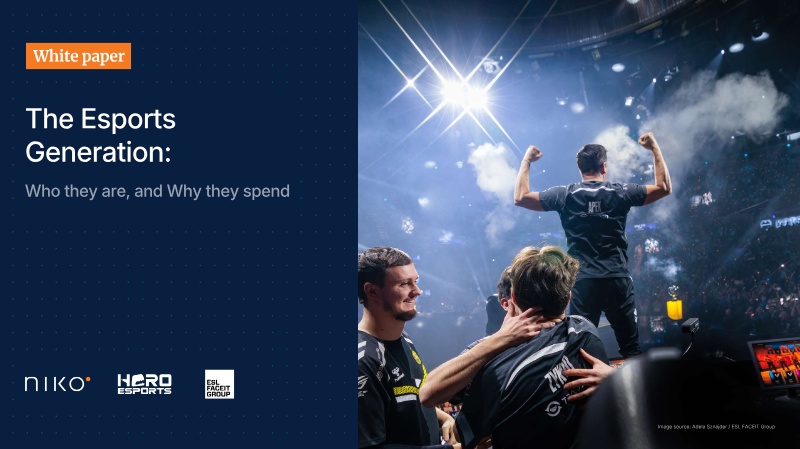
Gaming has become the dominant entertainment medium for younger generations, with 80 % of under‑18s actively gaming and Gen Z allocating up to 22 % of free time to play. The study, combining first‑party data from SuperAwesome and Anzu with social listening, qualitative research, quantitative surveys, syndicated data, brand lift studies and parent‑tracking panels, covers the UK, France, Germany, the United States and global markets from 2023‑24. A sample of 30 000 children, teens and young adults (ages 4‑24) plus parent responses informs the analysis. Key findings show that gaming captures more attention than social media for Gen Z, with 55 % of under‑18s reporting a strong affinity for branded in‑game experiences. Younger gamers are highly receptive to ads, with 75 % of Gen Z players in the UK and US saying in‑game ads improve their experience, compared to 34 % of older adults. In‑game advertising drives higher brand recall (+7 pts) and purchase intent (+9 pts) for audiences under 34, and generates a “halo effect” that boosts brand affinity by up to 86 % among under‑18s. Parents report that children influence household spending, with 86 % saying their child’s opinions matter in purchases and 82 % prioritising items for children. The report recommends a multi‑platform, contextual approach that respects emerging data‑protection regulations and Age Appropriate Design Codes. It emphasizes early engagement before brand loyalties lock at age 16, contextual targeting over behavioural profiling, and rigorous creative vetting to avoid manipulative design. The analysis underscores gaming’s strategic importance for reaching Gen Alpha and Gen Z, offering measurable lift across awareness, consideration and purchase stages.
The report establishes that Africa’s video‑game industry has entered a phase of rapid maturation, driven largely by mobile play in urban centres such as South Africa, Nigeria and Kenya. Mobile accounts for roughly 90 % of the $1.8 billion market in 2024, with a 10 % year‑over‑year rise in players to 349 million. PC and console remain niche but critical for studio visibility, with Steam dominating distribution (≈70 % of PC use) and local platforms like Gara and Jiwe capturing the remainder. Funding for studios is overwhelmingly sourced from international incubators and grants—Pro Helvetia, the French Agence Française de Développement, the British Council’s Ignite Culture and Digital Lab Africa—yet local infrastructure gaps (low internet penetration, limited payment systems, unreliable electricity) continue to constrain broader market development. Key findings show that the fastest‑growing economies—Eritrea, Niger, Egypt, Ethiopia, Nigeria and South Africa—host studios such as Maliyo Games, Kayfc and Legends of Orisha that are producing mobile‑first IP while experimenting with higher‑production PC/console titles. Female representation and gender inclusivity are addressed through programmes like Pro Helvetia’s “She Got Game”, yet overall skill development remains uneven, with many studios still operating at the indie level and lacking robust business training. The esports sector mirrors this mobile dominance, with titles like PUBG Mobile and Free Fire generating substantial prize pools and viewership across hubs such as Morocco, Egypt and Kenya. However, talent development is concentrated in a handful of urban centres, leaving Francophone and non‑English speaking regions underrepresented. The analysis concludes that sustainable growth hinges on three pillars: deeper, studio‑level talent development; reliable data infrastructure for market intelligence; and evolved payment systems that reduce friction. Strengthening African‑European partnerships, expanding local incubation pathways, and ensuring annual data updates are essential to unlock the continent’s commercial potential while preserving African leadership in game creation.