The Brazilian gaming industry represents a rapidly maturing ecosystem that defied global trends in 2022, growing by 3% to reach 103 million players while the international market experienced its first contraction. With 1,042 active studios as of 2023—a 177% increase over five years—the sector is primarily composed of micro and small enterprises concentrated in the Southeast and South regions. Despite this expansion, local studio revenue accounts for only 10% of domestic consumption, highlighting a significant gap between local production and the country’s status as the world’s fifth-largest online gaming population.
Development trends show a shift toward multi-platform strategies, with computers and mobile devices serving as the primary targets for the 1,009 games produced in 2022. While 93% of studios develop proprietary intellectual property, there is a burgeoning reliance on international markets; 65% of studios active abroad derive more than half of their revenue from exports. Furthermore, the industry has seen a 62% surge in outsourcing services, particularly in 3D art and animation, signaling a transition toward high-value service provision for the global entertainment sector.
The workforce expanded to over 13,000 professionals in 2022, characterized by a 70% remote work rate and an increasing focus on administrative roles that suggest greater corporate maturity. However, the industry faces persistent structural and social challenges. The lack of a specific national economic classification complicates data collection, while diversity remains a critical area for improvement. Women represent only 24.3% of the workforce, and minority groups remain underrepresented. While external initiatives and diversity councils aim to foster inclusivity, 82% of companies still lack formal internal inclusion policies, indicating that the sector’s social evolution has yet to match its rapid economic and technical acceleration.
Dataspelsbranschen · 2024
Maliyo Games · 2024
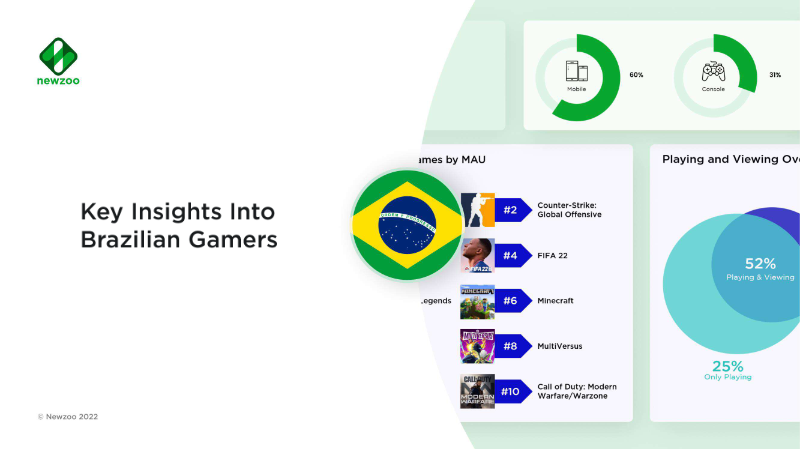
Newzoo · 2022

AEVI
Niko Partners · 2026
Poki · 2026
GamesBeat · 2026
Anzu · 2026

SpielFabrique · 2026
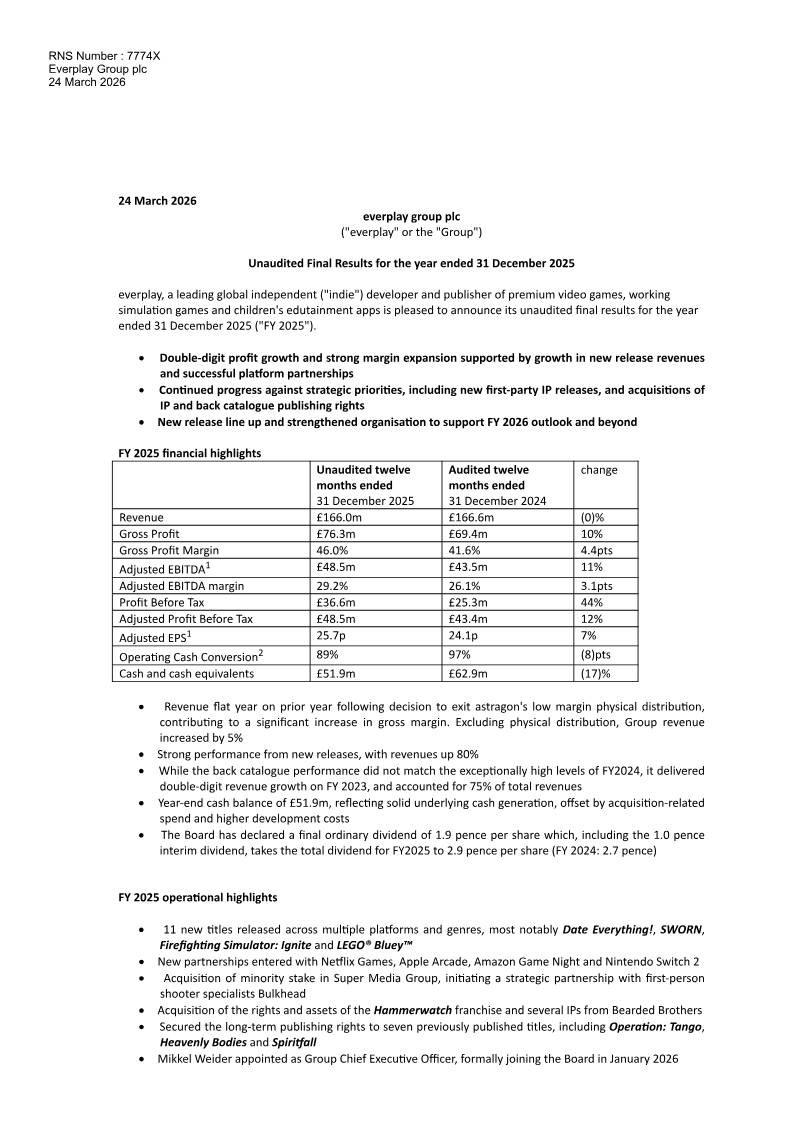
Everplay Group · 2026
8Bit · 2026
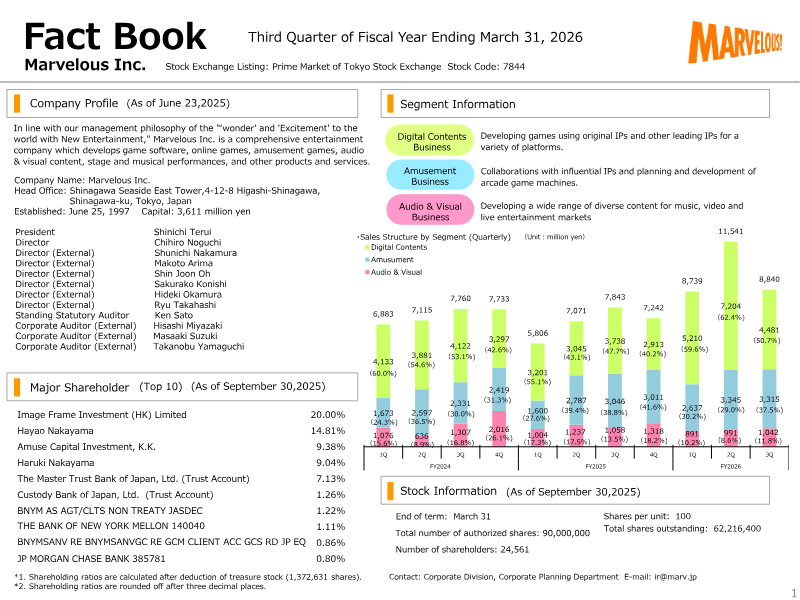
Marvelous · 2026