1 free read left. Create a free account for unlimited reading + AI research.
Create free accountWhitepaper DiGRA
1 free read left. Create a free account for unlimited reading + AI research.
Create free accountWhitepaperDiGRA
Affection games make up a large share of niche sites such as KissingGames.com and SexGamesFun.com but are a negligible portion of major general-audience platforms.
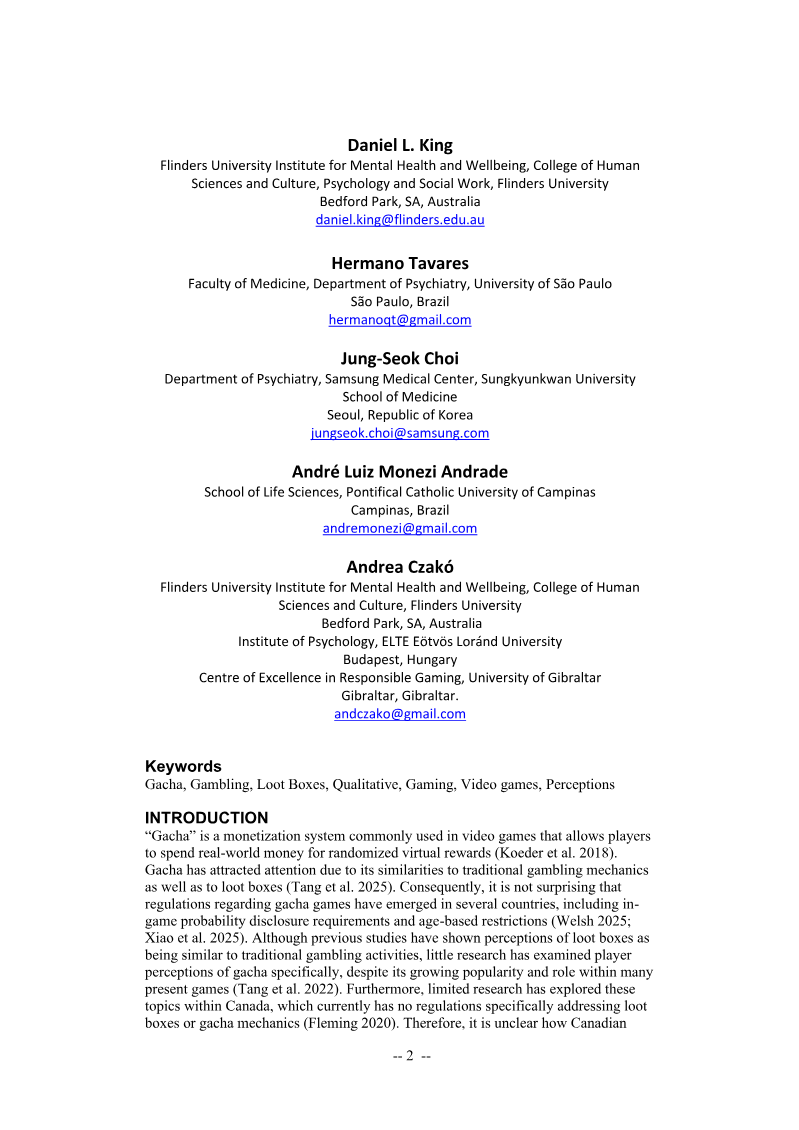
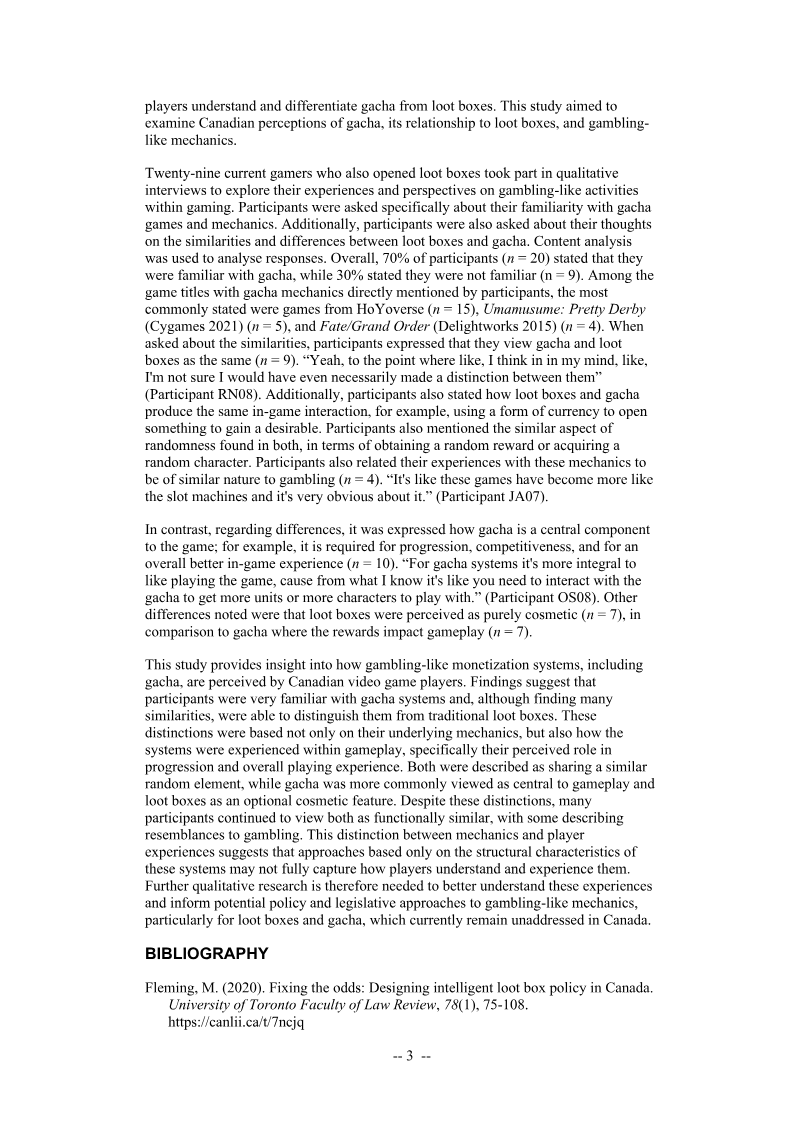
This analysis investigates "affection games" available on web-based clearinghouses, defining them as digital games centered on expressing liking. The primary objective was to categorize these games by core affection verbs—flirting, hugging, kissing, and sexual affection—and to understand their design characteristics and underlying social implications. The scope of the study encompassed a content analysis of games across seven web platforms, with a detailed examination of 30 randomly selected titles.
Key findings indicate that kissing and sexual affection games are the most prevalent forms, while hugging games are notably rare. A strong correlation was observed between the targeted gender demographic and the specific types of affection made playable. The majority of analyzed games were single-player (93%), short in duration (70% under 2 minutes), and predominantly featured "kiss" as the main interactive verb (63%). Notably, depictions of sexual content, nudity, same-gender interaction, and same-gender affection were infrequent, with only a small number of games including such elements.
The games generally enforced rigid play rules, often rewarding timed actions rather than qualitative performance, and exhibited a lack of diverse affection types or non-homogenous romantic scenarios. A significant observation was the prevalence of "kiss and evade" mechanics, suggesting a social taboo around public displays of affection, where secret kissing was rewarded. Furthermore, a concerning trend was identified in some "sex games" that lacked actual sexual affection, bordering on themes of rape fantasy and exploitation, raising critical questions about the interplay between digital play and societal values. Future research is recommended to explore the influence of cultural standards and developer origin on game design and player reception, particularly given the international reach of these web-based games.

DiGRA · 2026

DiGRA · 2026



DiGRA · 2026



DiGRA · 2026



DiGRA · 2026



DiGRA · 2026



DiGRA · 2026



DiGRA · 2026



DiGRA · 2026

DiGRA · 2026



DiGRA · 2026



DiGRA · 2026