1 free read left. Create a free account for unlimited reading + AI research.
Create free accountWhitepaper ACM SIGCHI
1 free read left. Create a free account for unlimited reading + AI research.
Create free accountWhitepaperACM SIGCHI
Distilling the key insights…
Cognitive Task Analysis provides a robust, empirical framework for mapping the skill chains of video games, shifting the industry focus from designer-led assumptions to the actual cognitive processes players employ. By utilizing stimulated recall techniques and a diverse participant pool, this methodology systematically identifies the logical dependencies and learning hierarchies required to master game mechanics. This approach addresses a critical gap in game design, where traditional performance metrics often fail to capture the nuanced progression of player knowledge, ultimately leading to more effective tutorials and balanced level design.
The application of this method to the human computation game Paradox reveals significant discrepancies between intended design paths and the empirical reality of player learning. Novice players prove particularly valuable in this process, as they are more adept at highlighting foundational skills that experts often overlook or bypass through shortcuts. While the study confirms that this analytical approach is more comprehensive than standard designer-generated models, it also exposes limitations regarding the depth of the resulting skill chains and the efficiency of the data collection process.
The scope of this research encompasses the intersection of instructional design and game development, focusing on the cognitive acquisition of mechanics within the puzzle and strategy genres. Although the current methodology is effective for identifying core prerequisites, its scalability to more complex, emergent gameplay remains a subject for future refinement. Integrating qualitative cognitive analysis with quantitative telemetry data represents the next logical step in creating a holistic understanding of how players synthesize skills, ensuring that future game experiences are both accessible and intellectually engaging.
Association for Computing Machinery · 2026
Association for Computing Machinery · 2026
Association for Computing Machinery · 2025
Association for Computing Machinery · 2025
Association for Computing Machinery · 2025
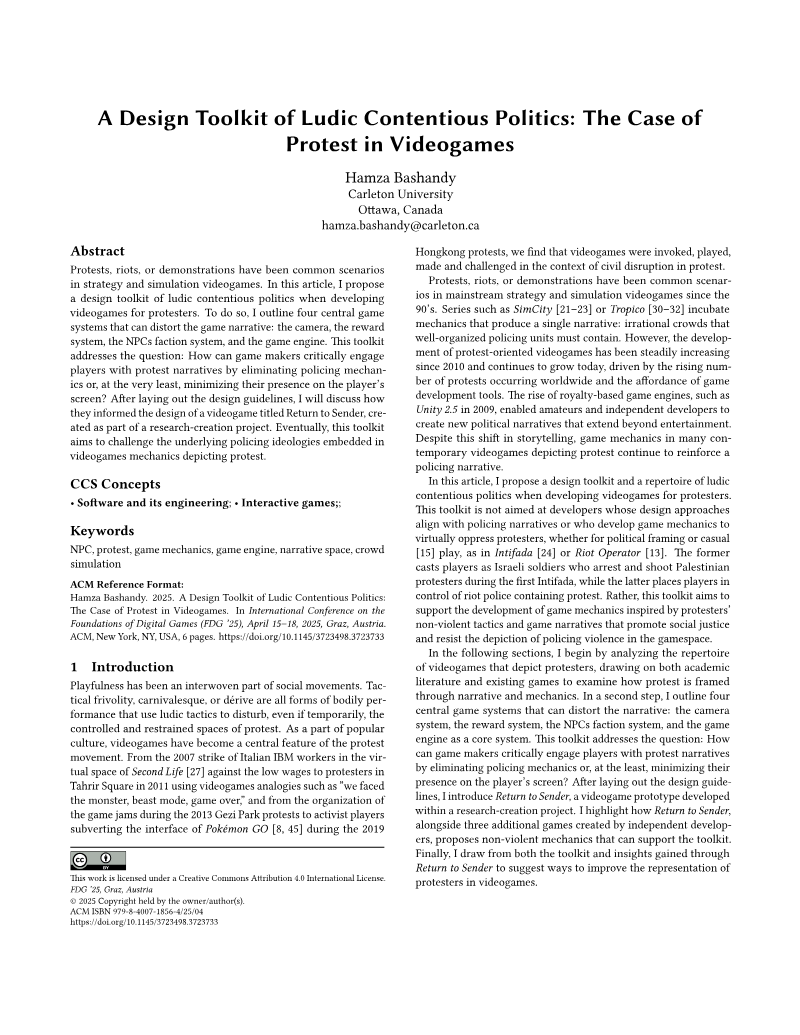
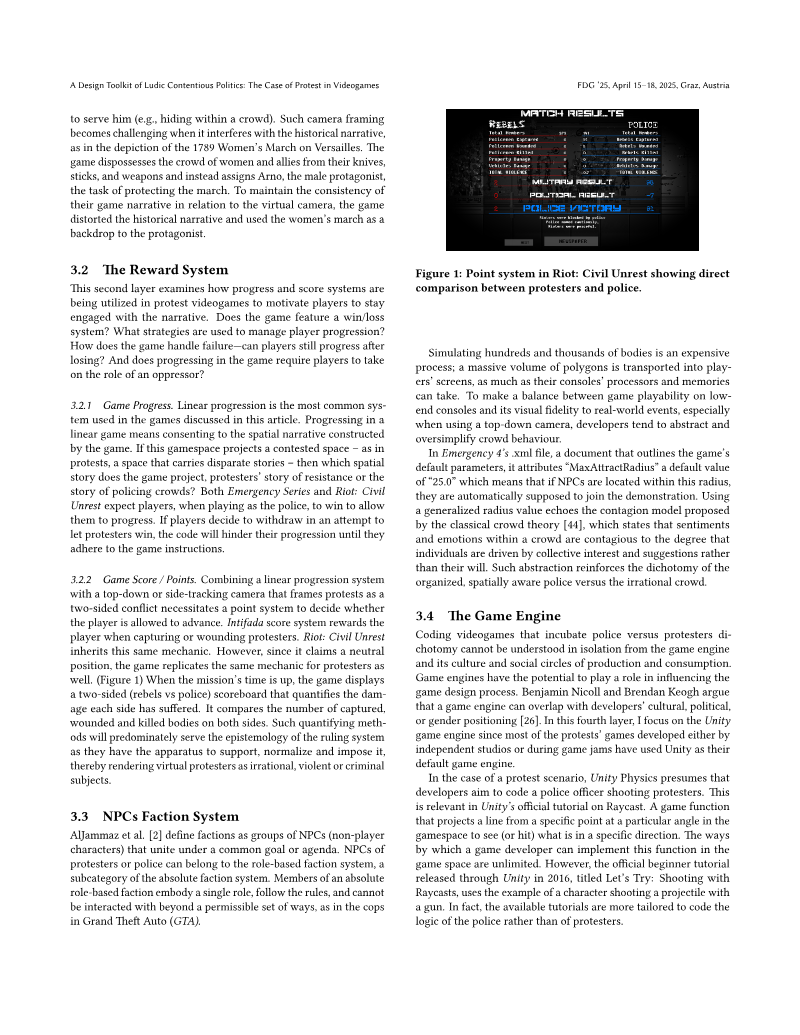
Association for Computing Machinery · 2025
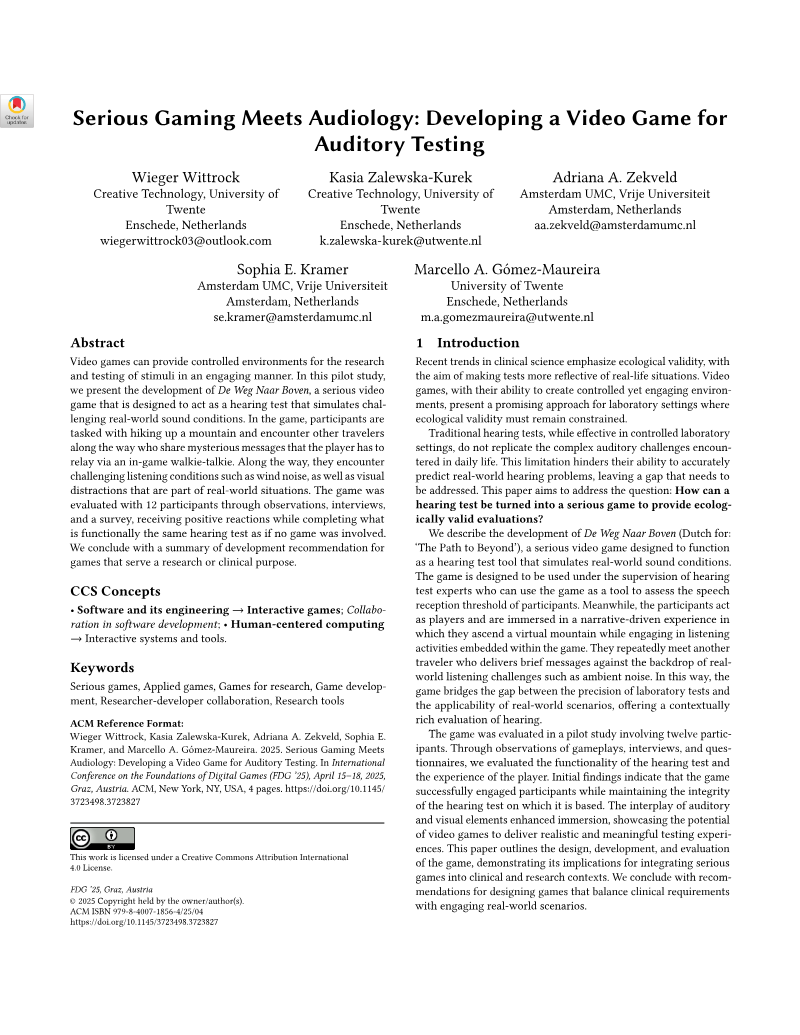
Association for Computing Machinery · 2025
Association for Computing Machinery · 2024
Association for Computing Machinery · 2024
Association for Computing Machinery · 2024
Association for Computing Machinery · 2024
Association for Computing Machinery · 2024
Ludic Language Pedagogy · 2026