A Hotline for the Games Industry: Lessons Since 2020
12 May 202229 min video
Transcript
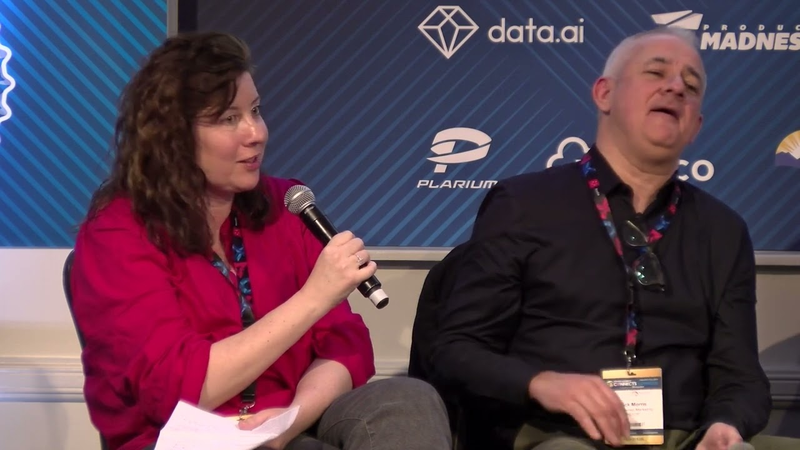
[Music] i'm a nature sarkeesian i am the executive director of feminist frequency one of the projects we run is the games and online harassment hotline and that's what this talk is about um so the games and online harassment hotline is a emotional support resource for people who make and play games it's text message based here in the u.s and um yeah this is jay jay's going to do most of the talking today which is for everybody's benefit but i just want to tell you a little bit about how the project started so in 2019 um i don't you might remember this there was uh a large number of people who came forward about abuses in the games industry it was happened in like late august early september um pax was happening it was a very intense moment and lots of people came forward about
toxicity abuse in gaming and it was a very intense moment for a lot of us because um i mean why of course it was an intense moment for all dude it's friday we're good i'm doing great right yes thank you i need this yeah okay so um what ended up happening in that moment was everybody was sort of flailing about trying to figure out how to support survivors what to do about like the harms that are coming forward how do we talk about this what does this look like and we're all kind of living in this trauma that is bubbling up and i was thinking about how i have a lot of experience with abuse in the industry and how i understand this industry really well so i just started talking to people so like for about a month i reached out to everyone i could i got introductions and was just asked questions like what things would you like to see happen in this industry what things have you
seen tried that aren't working what things are happening now that are working and i took all of that information and decided to do several different projects under feminist frequency as a way to help reduce toxicity in the games industry and the games hotline was the first one that we started because what we realized in that moment was people are suffering right now and they have nowhere to go so um when when all of that went down we opened up our dms on twitter and was like hey if anyone needs anywhere to go like you can message us which i was why would you ever do that like it's insecure you don't know who's on the other end of it and i was shocked at how many people reached out um and like were very vulnerable and revealed really personal experiences and i and that led me to realize that like people just need somewhere to go why don't we formalize this why don't we make it bigger than just me at the end of a twitter account or like a friend of a friend of a friend
so the goal with the hotline has been to create a um an emotional support resource that is games competent that was always the goal is that internet life online harassment games culture is specific and while the abuses and the harms and the toxicity that happen in our spaces are not unique to our industry the language around it some of the ways that it manifests the community all of the things that make us gaming are really valuable to helping to serve us in the ways that we need it the most so um yeah i think that's it yeah that's the story that's how it started now we run this thing i'm gonna pass it off to jay who is a hotline director and programs manager at thumbnails frequency and that's happening now all right thanks anita hi everyone thanks so much for being here um i'm jay i'm the hotline director at the games and online harassment hotline i they them pronouns and i was
brought on in 2020 to help with the launch of this game hotline and like anita said right away what set us apart from other hotlines was that our responders were all trained not only in mental health emotional support but also the culture issues and particulars of being in games and also being a resource that was created directly by in like created by directly impacted folks who have had long histories and backgrounds in games and deep wisdom and knowledge of harassment and abuse made it really yes nothing oh so are both of these mics on this is up okay sorry thank you um yeah created by directly infected folks and drawing from like a deep wisdom of um those experiences because this has been happening for such a long time um and so we
took 2020 to set everything up and launched in august of yeah in august and since then we've been supporting folks all across games on a wide swath of issues from everything in-game harassment to industry workplace environments online general online harassment and threats community conflicts and fallouts and mental health struggles we just published an impact report about that first year of conversations that we had it has a bunch of anonymized data about who called in what folks are texting about what types of trends we're seeing some highlights are here um a really a pretty even half and half of our texters were players and folks who work in the industry the most common topics we saw were online harassment and mental health and among texters who experienced identity-based harassment the most common form was gender-based harassment
followed by sexuality and race so if you want to look at any more of that data you can find that on our website on gameshortline.org i'm not going to go through much more of it here i want to just kind of pull out and look a little closer on some things relevant to the games industry so i guess where i want to start is that really overwhelmingly burnout and hostile workplaces were the most common things we talk about on the hotline with folks in the games industry and when i say those two things i don't mean them distinctly like there are these people who are burnt out and these people who are facing hostile workplaces they are very much compounded in this just way that paints such a picture and so i think it really is important to like address these issues in conjunction because they can't be pulled apart in people's experiences we know of course that so many people come into games because they love it we
hear all the time that making games working in games has been their dream it's been something they've always wanted but because of the unsustainable workplace conditions now they feel like they can't stay now they feel like they're being run into the ground and so we see of course the stress and deadlines and overworking compounded with abusive dynamics from bosses compounded with the normalcy of offensive and oppressive statements compounded with the microaggressions or the day-to-day actions that reinforce the gatekeeping and marginalization of underrepresented developers compounded with sexual violence at work outside of work with co-workers or at professional events and then compounded with hr departments that diminish or dehumanize folks even yelling and further traumatizing folks and so these of course is not
so the the information and stories i'm telling y'all today are general trends and not about any one individual our hotline is obviously confidential but these like overwhelmingly um the conversations that we have really uh paint paint a picture together and that's what i'm sharing with you today and so all of those things compounded together it creates such an interesting um an interesting experience because their work because for game developers their work is so rooted in passion they also feel guilty um for for the suffering that they're dealing with right there are so many messages that tell workers that they should be grateful to work here that they're replaceable and disposable because there's hundreds of people who would want their job and it creates this spiral where folks feel this is my dream job but i'm suffering but i should be grateful but i don't know if i can keep going and
it really just kind of wears away at folks mental health so that's a lot of what we um support people around and talk to people with um on the games hotline the other thing i wanted to point out here um you noticed in that last slide with the pie chart we do uh we have been hearing from more and more students who are studying game development or games industry related degrees and it has been really interesting to see how closely the things that they bring to the hotline and what they're struggling really mirrors the stories we hear from game developers working in the industry we hear the same burnout the same stress the same you know this used to be my job but i don't know if i can do this anymore and also the same hostile environments sexual violence um maybe not from bosses but instead from professors or other mentors in the space and so yeah i thought that was really
that's been really eye opening to see too that this is starting even before some folks make it into the industry [Music] i think this yeah um so like anita said right this hotline obviously came from a very survivor centered space largely inspired by a lot of the metoo stuff um and we yeah so so we started from that kind of survivor centered space and then of course knew so much about the hostile workplaces and crunch and those problems in the industry knowing that they would need mental health support there and then of course we know in gaming communities too there's a lot of in-game harassment and harassment and gaming communities and so we prepared for all of that um the one thing we didn't necessarily anticipate and the surprise i kind of wanted to share with y'all that we learned in our first year was that we didn't expect folks who have
caused harassment or harm in the industry to text us for support but it actually really the first week that we opened started happening um just kind of on its own um and that that was a moment for us we had to really look at you know what is what is the space that we're creating what are we doing this work for um a lot of other hotline models a lot of rape crisis hotlines for example um will not offer services to folks who have been accused of or have like protective orders against them for sexual violence and so yeah we really had to ask ourselves like what do we want to do do we want to hang up on these people do we want to talk to them even though they're kind of causing the harassment and we're an anti-harassment resource and ultimately we decided that we did want to talk to them and we did want to find a way to hold accountable conversations with them we made that decision because we really
understand that this issue of harassment and abuse is cultural and systemic not necessarily because of individual bad apples and ultimately for people to change they have to feel supported it's really hard to want to to make hard changes in yourself when you feel like there's no hope and no one would care but at the same time it's not always appropriate for the victim survivor or directly impacted community to offer support and we also know that our current institutions are often more complicit than accountable and offer very little support for people who have caused harm as well and so as the hotline we occupy this unique third-party space that can say hey we're here for you it sounds like you hurt some people and did some things that were not okay but it also sounds like you want to do things differently and that matters too let's talk about what you need to make that change so yeah so we started so we started so we started talking to people we started talking about that we were open to
talking to people and more people came and talked to us and i wanted to kind of dive a little deeper and and show and share some of the things that we've found um the first thing i want to touch on is that folks are coming to us from a wide spectrum of self-awareness on one end from all the accusations are lies uh all these women are crazy to something in the middle like okay maybe i shouldn't have said these things but it's not like i'm a sexual predator to the other end of you know i really see these patterns and how i keep harming people and i want to change but i don't know how or even if it's possible and so that was also another thing we had to learn of like how to really meet people where they were because all those conversations look really different but are all really important steps on the journey the other thing we really saw um that just became so apparent as we were having these conversations were that
isolation and exile were the biggest struggles for these folks who are wanting to change and and learn from the harm that they caused of course this is an understandable and sometimes warranted consequence of causing harm but what we're seeing is that what happens is that these folks end up feeling really alone really unsupported and often confused a lot of them often expressed a lot of confusion and lack of clarity around even what they did that was harmful and why or even necessarily who exactly was impacted and so that becomes also a barrier in their own kind of learning and growing and so of course i'm not here to say that no one should that folks should never be removed from communities or positions especially if they're continuing to actively cause harm maybe abusing a position of power to continue that harm
but the thing that we are seeing on the hotline is that simply removing someone hasn't doesn't solve the larger problem and it doesn't it doesn't necessarily automatically um help someone change or grow um so yeah so we're still kind of exploring um yeah what what those what an alternative solution alternative path forward can look like there these have been really challenging conversations and we're still learning and wanting to improve the way that we do this we're yeah we're just really experimenting and trying things out and continuing to build on the ways that we have these empathetic and validating but not endorsing um or saying that what they did was okay or minimizing the harm that they caused we wrote a piece on our website for more with more details about how we have those accountable conversations if you're interested in reading more about
that awesome so yeah really quickly going into year two um we are still a baby fledgling hotline um but we're really excited that actually now that we're halfway through our second year we're actually on track to double our conversation volume which means more folks are hearing about us and reaching out um we're also working on trying to make uh to share more of our knowledge and make more of it public uh we have so many conversations on um as as the like team behind the hotline of like wow we saw like a whole bunch of like blackmail related chats come in so why don't we reach out to lawyers and security experts and therapists and see see how we can help um really refine the way that we respond to this and so we have a bunch of cool conversations like that and i'm wondering how we can take an extra step to to share that with folks who even who don't text the hotline because currently the only way you would get that is who
he would text it into us but we know that there are a lot of people who can't or won't and then of course our goal always will be just staying responsive to the community we don't want to prioritize growth or or expansion in a way that doesn't doesn't reflect what is coming up for folks and what folks are bringing to us and wanting and needing for us so yeah um i i i linked a few other resources here um around um having supportive conversations with other folks and also just around reducing toxicity in the workplace i didn't want to repeat all of that here and instead wanted to see if there were folks who wanted to ask questions and um yeah see if we could respond to some stuff so i'm curious in this room what specific questions you have around how
to support each other how workplaces can support employees and what it takes to break cycles of harassment or anything else specific about the hotline or things that are on your mind yeah sure go ahead hi there thank you so much both for this presentation and the service itself um i was wondering if you could speak on um i am like a community manager for several online spaces and often i see that there is an immense amount of pressure put on the people in charge of said spaces when someone is being harmful to completely remove the person um would you have any advice for how to negotiate kind of conversations around that within the greater community um and building that kind of trust that no we do hear you and care about what you're talking about we're just not completely cutting off x person where we are yeah i mean
there's never going to be a one size fits all right it'll really depend on like how your community feels and um what what it's the structure of it looks like i think really the the problem we run into is that a lot of the like policies and stuff that we write for our spaces tend to be um very punishment oriented because we want to believe that punishment will solve or deter a problem when we've seen that it doesn't necessarily do that and also that it is very kind of binary if you're either a good person and a good member of this community or you're a bad person and a bad member of this community when in reality there's there are many ways to to hurt each other and make mistakes and um run into misunderstandings or conflict it's pretty natural as a part of just being in a community right which i'm sure you know yes um and so i think yeah um maybe reimagining with your community or with your mod team
what it looks like to really start these conversations a little earlier not wait until they break the big rule but see if there are ways you can catch smaller smaller signs or flags and what the protocols for like having that reaching out having that conversation uh looks like and so then there's there's so much more wiggle room for both you and your mod team the person maybe causing conflict in a in a space or harm before it reaches an escalation point where it is like hey we have to remove you from this space great thank you so much hi thank you for the talk um so i have two questions uh you were talking about um the expansion is not really uh your focus but i was wondering if you have thought about expanding to other countries or maybe opening up to a chat or something like that that's the first question and the second question is maybe a bit
more complex and maybe not super relevant but i was uh as an employee that's working at a company that's very small but continuously growing i was wondering if you have any suggestions or plans um on how to um proactively work against having employees have to reach out to this sort of hotline if that makes sense um yeah i'll let you talk about that um so for the first first question um we yeah we're currently us only and we are open or we're online from three to seven pm pacific time every day um we would love to be a 24 7 hotline in many different countries but of course we're little um and so yeah we we definitely we're definitely keeping track of information of when folks are wanting to text us to know which direction to expand we would love to be open for more hours we've also thought about expanding to other countries for sure but we would
definitely want to do that in a very um cognizant way i understand imagine the culture the culture right so we would want to make sure that that was taken into consideration and not just do that thoughtlessly um and yeah we are also looking into like um integrating web chat and stuff like that so yeah on the horizon i'll also say can i sorry yes this is on i'll also say that like the reason we have to pick and choose how we expand and what that looks like is financial so like if game studios wanted to help us and support us by giving us money to expand we could do that kind of work right or if we wanted to go into different regions getting cultural partners and people who are on board to help us do that work because when we first started i was like i'm going to start a hotline i had no idea how expensive hotlines were so you know let's be honest we're doing it it's great but that's part of it right the other thing i wanted to say is that we work with take this who some of them are down here to run the cultureship project which i feel like is very in
tandem with what we're doing here which is about going into studios and addressing harm from a systemic level and doing education around that so that is a huge piece of what we're doing as well in as a part of feminist frequency so i'm happy to talk to you more about that after thank you hello uh thank you so much for everything that you do um i was curious to hear more about um support available honestly for the people who are running the hotline um i could imagine that there's a lot of emotional labor and training involved in like being able to respond to these things particularly when you opened up the the floor to um people who have caused harm i can imagine that would be a very difficult conversation to have you know over and over again um so i'd love to hear about how you all have supported the people running the hotline and i would love to look at that also through the lens of how people at game studios who might be in a similar situation often i feel especially at smaller companies there's
a lot of pressure on maybe one individual to be like the interpersonal person and that can put a lot of pressure on them and a lot of you know requires a lot of emotional labor so i'd just love to hear um any recommendations for supporting those individuals so that they can better help uh the people that they are serving yeah um the first part's a little easier to answer the second part definitely i'm holding that in my heart um we the only thing that makes this possible is that we're not doing it alone this wouldn't you can't run a hotline with just one person sitting there answering everything by themselves um we have a phenomenal team of agents and supervisors and so we have we have supervisors on at every shift and we have clinicians available every shift as well and so agents are yeah not only not responding alone but have that support both for you know if they have a question on like how they might want to
direct a conversation or respond to a conversation or different resources to pull but also for themselves because yeah a lot of these conversations can be reactive it can bring up a lot of feelings to talk about talk to someone who has caused harm or even talked to a survivor who has experienced something really potentially triggering to you or really just awful to hear about and so yeah our supervisors and just the peer group is is there we have like group debriefs and support sessions and games chats and and all of that it really is a it's a community effort it's never an individual effort and i think that partially speaks to your second question as well it isn't possible for a single individual to hold all of that first for someone when we we talk a lot about like self-care and you know yeah that emotional labor piece and that conversation absolutely needs to shift towards community care and knowing
that it is it is never about that it is always going to be about interdependence yeah does that answer your question yeah it absolutely does thank you so much uh thank you for being here uh and sharing this information with us it's uh i very much value it uh just because it reminds me a lot of uh like about conversations about like restorative justice since that's something very important to me um my name is carlos i'm the program manager for game heads and uh part of my job is to really um uh look out for a lot of the youth that are in the program just make sure that they're okay uh and something that i've been thinking about a lot lately is um just just because i'm very new to the games industry but not so new in education and something i've been thinking about is like how could we as an industry start implementing more systems of restorative justice and in the context of like young people
in allowing for like young folks to actually make mistakes in their growth but also hold them accountable as well i love talking about all these people know this is all i want to talk about all day i want to be cognizant of the time unfortunately because otherwise i could stay here um how do i how is the smallest way i could answer this it's a big question it is it is um yeah i mean i think like again yes big question big big solutions out there but i think i want to start with just what we do here on the hotline i think i think a great place to start is always going to be making space for vulnerability and for people's humanity and dignity i think just as a baseline that makes a huge difference
and so yeah having having um having conversations that are not shame based that are not punishment based and giving offering that room an invitation to accountability to say hey we care about you you're important to us and also this has happened and we need to do something to make it right yeah awesome thank you thank you all so much for being here yeah [Music]
Auto-generated captions from YouTube — names and numbers may be misheard.
Key insights
Distilling the key insights…
Ask AI about this video
Cite this video
Citation
Generating citation…























Comments