Fiscal 2004 marked a period of record financial performance and strategic consolidation for Square Enix following the 2003 merger of Enix and Square. Net sales rose 16.9% to ¥73.86 billion, while net income more than tripled to ¥14.93 billion. This growth was underpinned by a robust equity ratio of 82.7% and a substantial cash position of over ¥81 billion with no interest-bearing debt. While the domestic Japanese market remained the primary revenue driver, accounting for approximately 82% of total sales, the company expanded its international footprint through the establishment of Square Enix (China) and increased foreign investment, which rose to 12% of total shares.
The Games (Offline) segment remained the largest revenue contributor, generating ¥41 billion behind the success of Dragon Quest VIII, which sold 3.6 million units. However, the most significant growth occurred in digital segments, with mobile phone content and online games increasing by 63.2% and 55.2% respectively. Final Fantasy XI reached a milestone of 500,000 global subscribers, validating the shift toward recurring revenue models. To support this digital evolution, the company capitalized ¥17.9 billion in software development costs and acquired UIEvolution to enhance its technical flexibility in content delivery.
Management’s "Phase 2" strategy focuses on navigating the transition to next-generation consoles through a "Polymorphic Content" approach, which emphasizes cross-platform availability and economies of scope. By leveraging established intellectual properties across mobile, online, and traditional media, the company aims to mitigate risks associated with rising development costs and the volatility of the used game market. Despite a temporary revenue decline in Western markets due to a lack of major releases, the company remains positioned for growth through cross-industry alliances and the expansion of its network-based services globally.
Square Enix · 2026
Square Enix · 2026
Square Enix · 2026
Square Enix · 2026
Square Enix · 2025
Square Enix · 2025
Square Enix · 2025
Square Enix · 2025
Square Enix · 2024
Square Enix · 2023
Square Enix · 2014
Square Enix · 2013
COLOPL · 2026
GREE · 2025
GREE · 2025
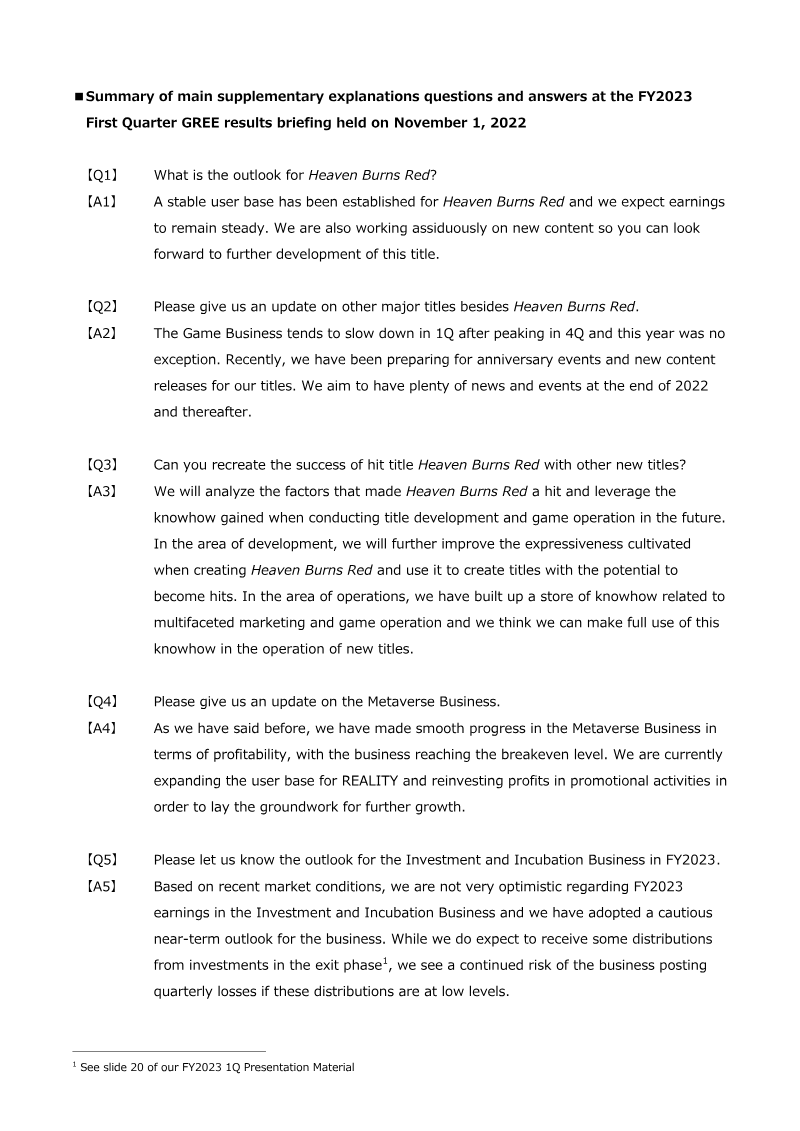
GREE · 2022
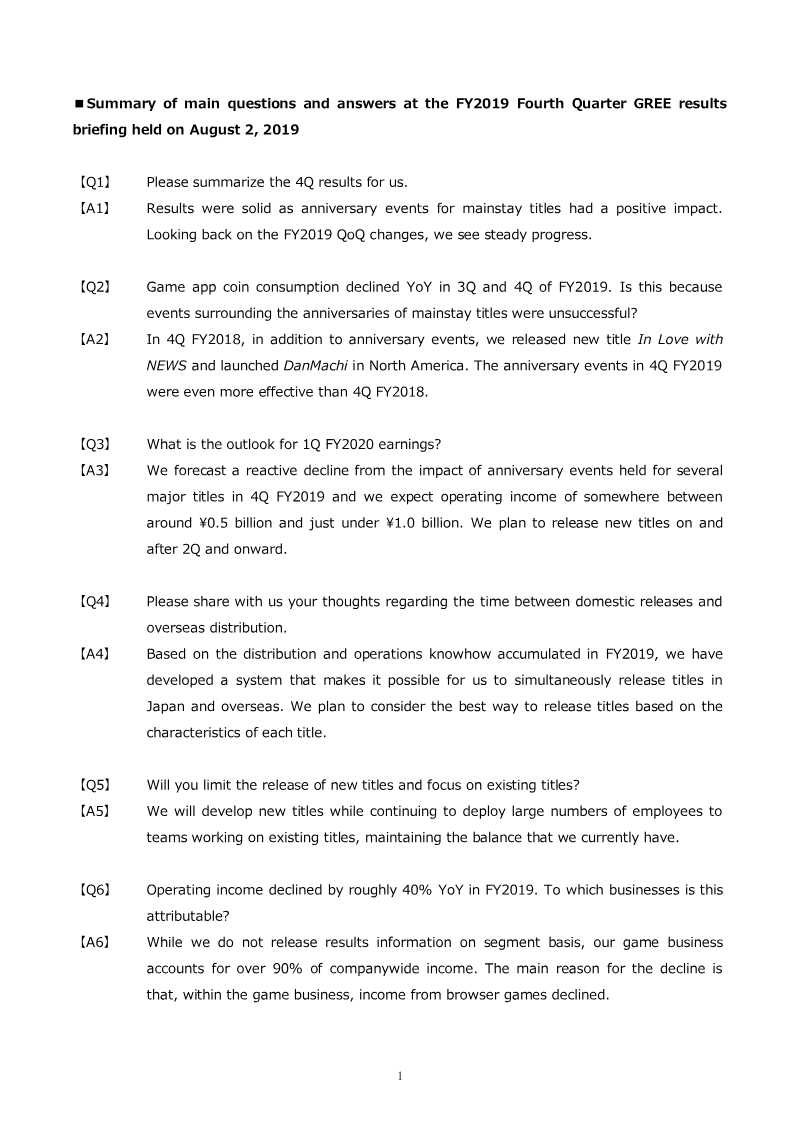
GREE · 2019
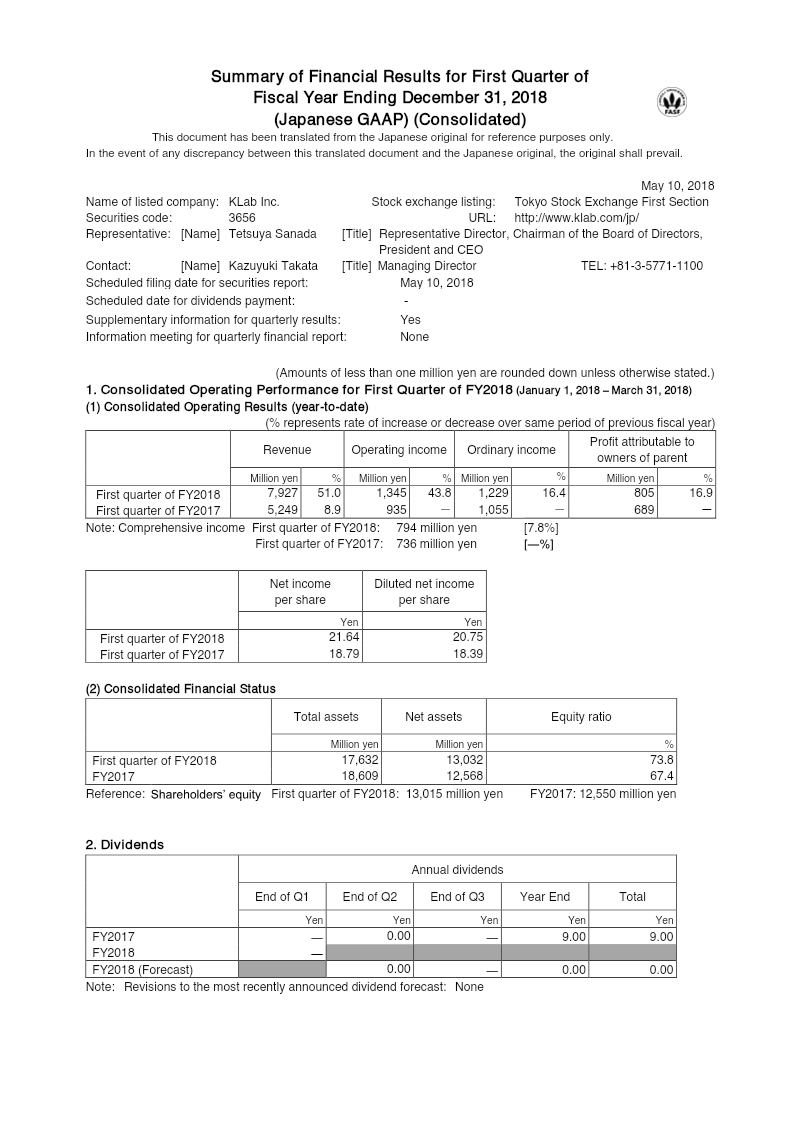
KLab · 2018
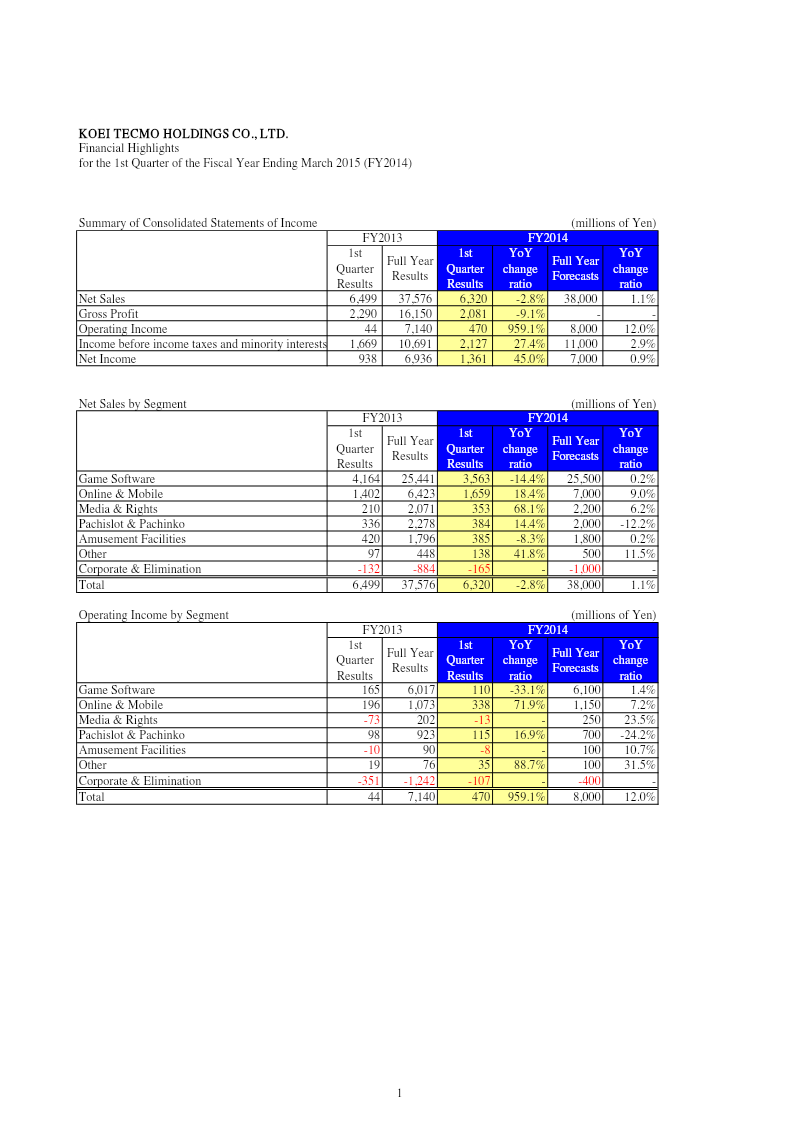
Koei Tecmo · 2015
Bandai Namco · 2013
Square Enix · 2010
Square Enix · 2006
Capcom Co. · 2026
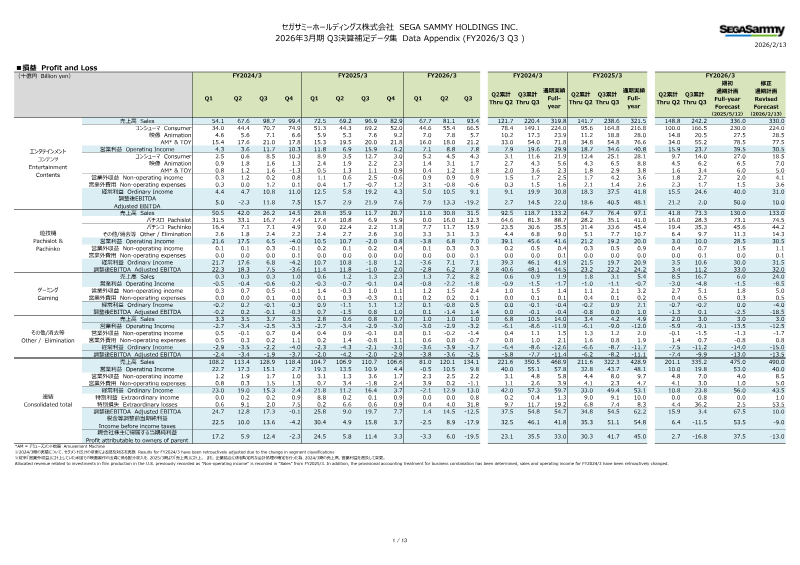
Sega Sammy Holdings · 2026