The fiscal year ended March 31, 2008, marked a period of strategic transition for Square Enix, characterized by a 9.8% decline in net sales to ¥147.5 billion and a 20.9% drop in net income to ¥9.2 billion. This downturn was primarily driven by a stagnation in the offline games segment, which saw a 19% sales decline due to a lack of major releases in North America and Europe. Despite these challenges, the company maintained a robust financial position with ¥111.5 billion in cash and equivalents, supported by the successful performance of titles like Dragon Quest IV in Japan and a significant profitability turnaround in the amusement segment.
The primary thesis of this period centers on a fundamental shift from a single-console focus toward a global, multi-platform strategy. Management identified the need to overcome development bottlenecks and meet diversifying consumer preferences by expanding into online and mobile content, which posted five-year compound annual growth rates of 23.8% and 31.1%, respectively. To facilitate this evolution, the company initiated a major reorganization of development lines and prepared for a transition to a pure holding company structure, effective October 2008, to clarify accountability and enhance management flexibility for future capital alliances.
Geographically, the Japanese market remained the dominant revenue source, accounting for 84.8% of total sales, while overseas contributions fell significantly. To address this imbalance, the company is prioritizing internal intellectual property and direct community engagement as media and content markets converge. While facing risks such as exchange rate fluctuations and the transition to next-generation hardware, the strategic pivot toward network-compliant entertainment and multi-functional devices aims to drive a recovery in net income for the following fiscal year.

Square Enix · 2026
Square Enix · 2026
Square Enix · 2026

Square Enix · 2026
Square Enix · 2025

Square Enix · 2025
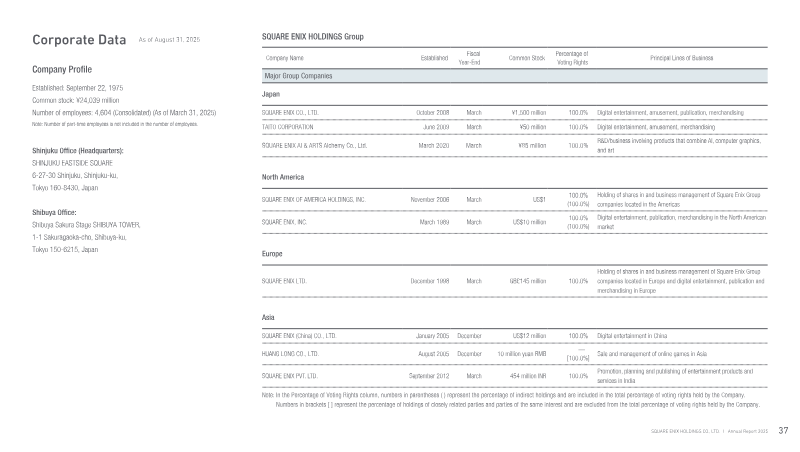
Square Enix · 2025
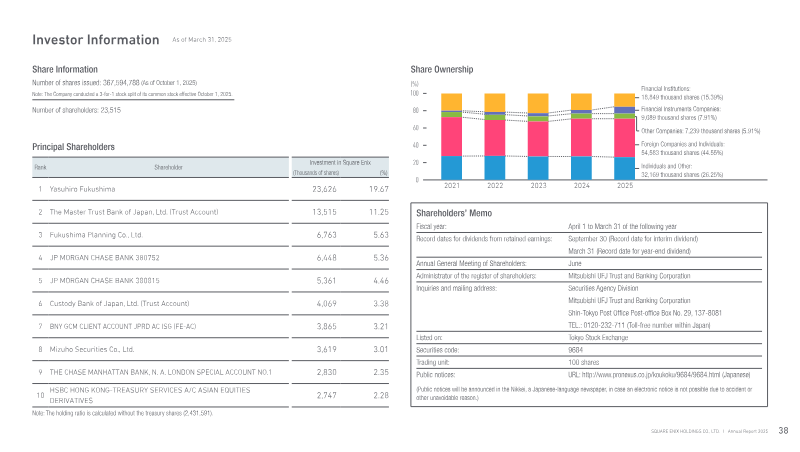
Square Enix · 2025
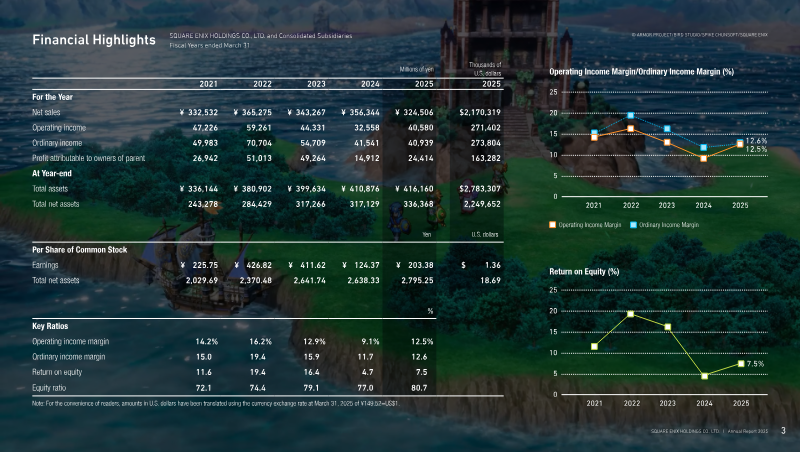
Square Enix · 2024
Square Enix · 2023
Square Enix · 2014
Square Enix · 2013
Capcom · 2026
Capcom Co. · 2026
Capcom · 2026
Sony Group Corporation · 2026
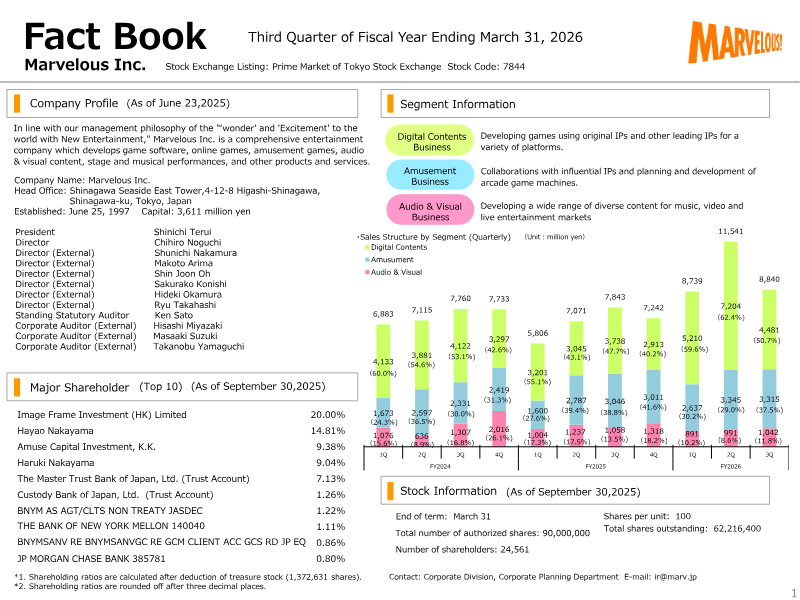
Marvelous · 2026
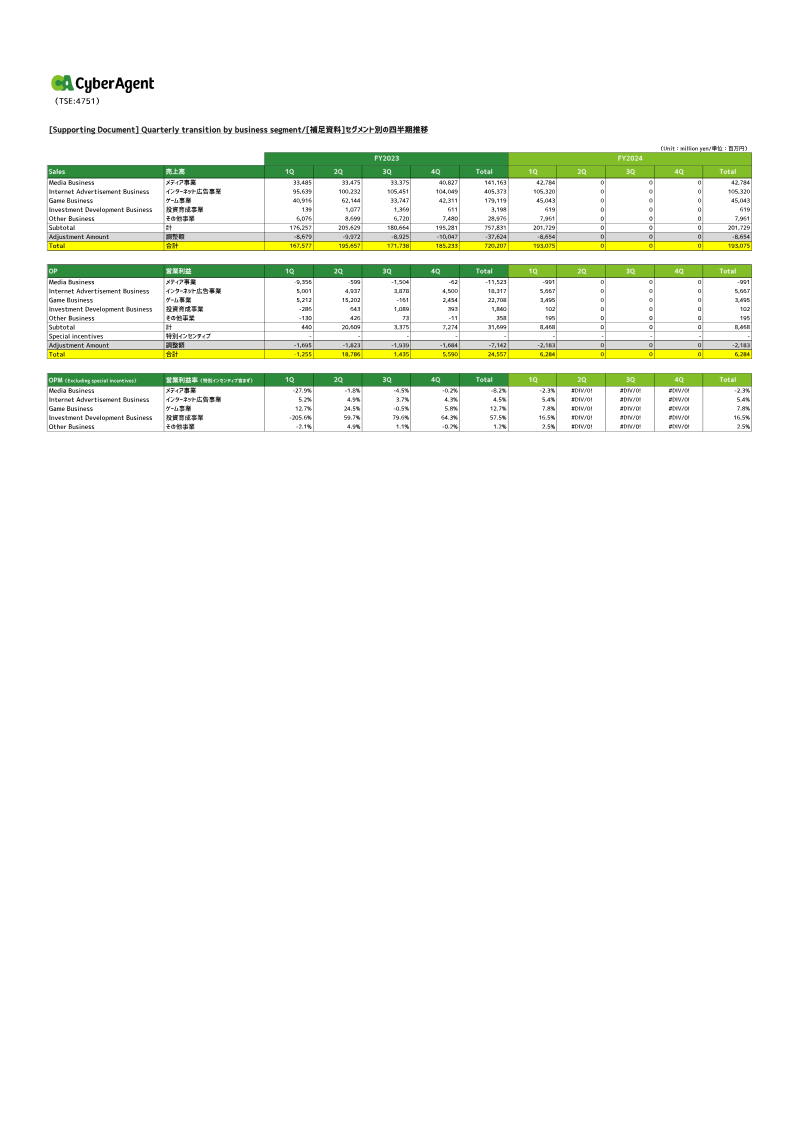
CyberAgent · 2026
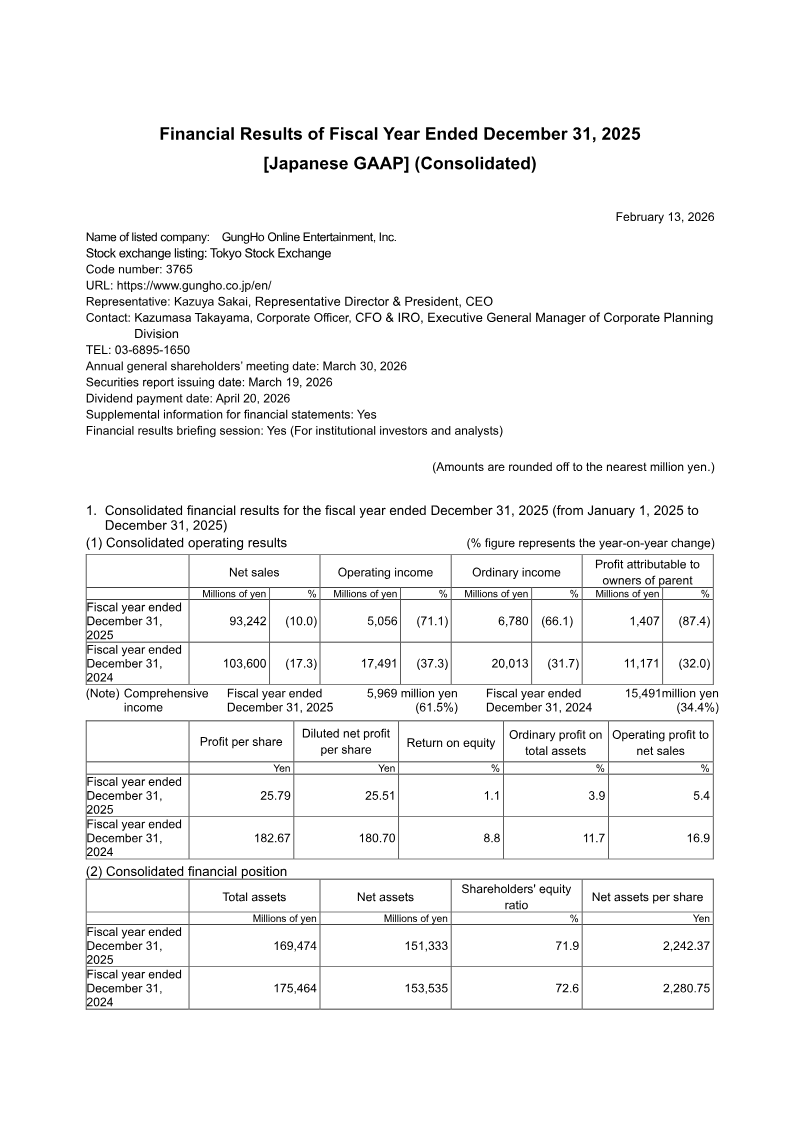
GungHo Online Entertainment · 2026
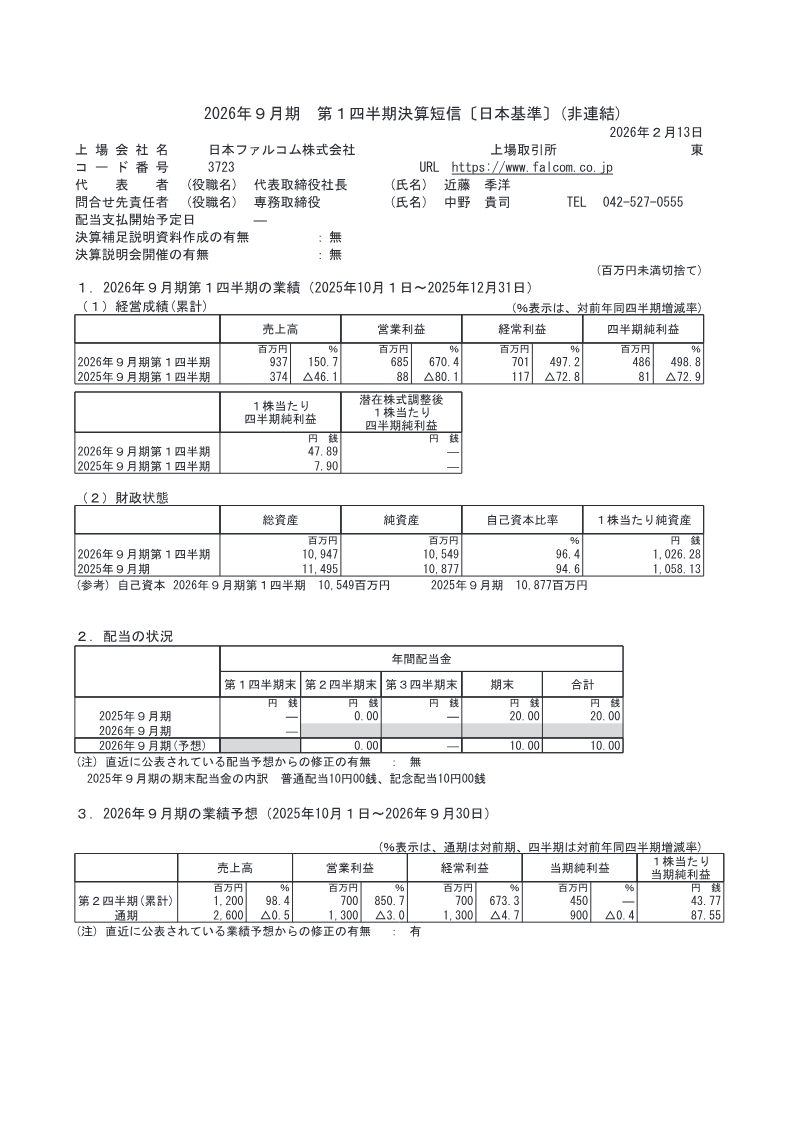
Nihon Falcom Corporation · 2026
Sega Sammy Holdings · 2026
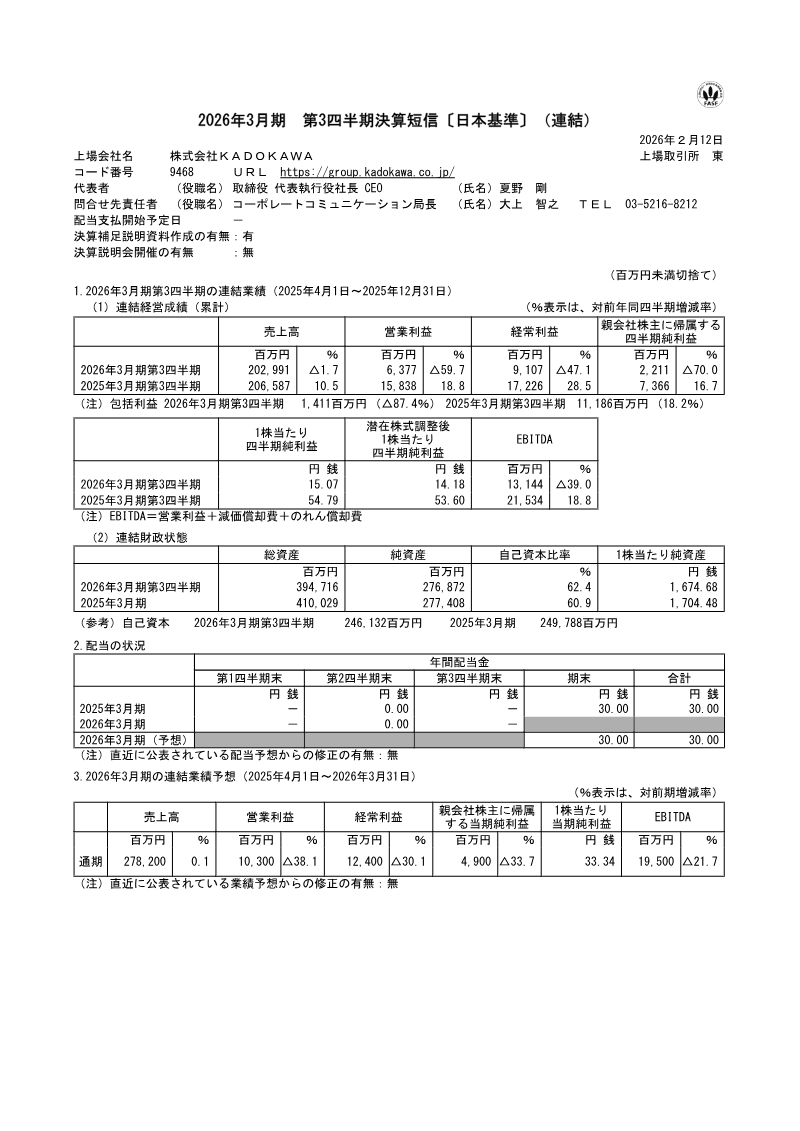
Kadokawa Corporation · 2026
Akatsuki · 2026
Bandai Namco · 2026