Key insights
7 slides
The core constraint
A 33-year-old has capacity for approximately 2,500 books.
Time is finite. The modern era creates a crisis of attention because available media has exploded.
Finite time. A 33-year-old individual has a finite remaining lifetime capacity of approximately 2,500 books.
The media flood
Available content volume makes consuming high-quality media impossible.
The sheer volume of available content makes it impossible for consumers to engage with more than a fraction of high-quality offerings.
Gaming scale
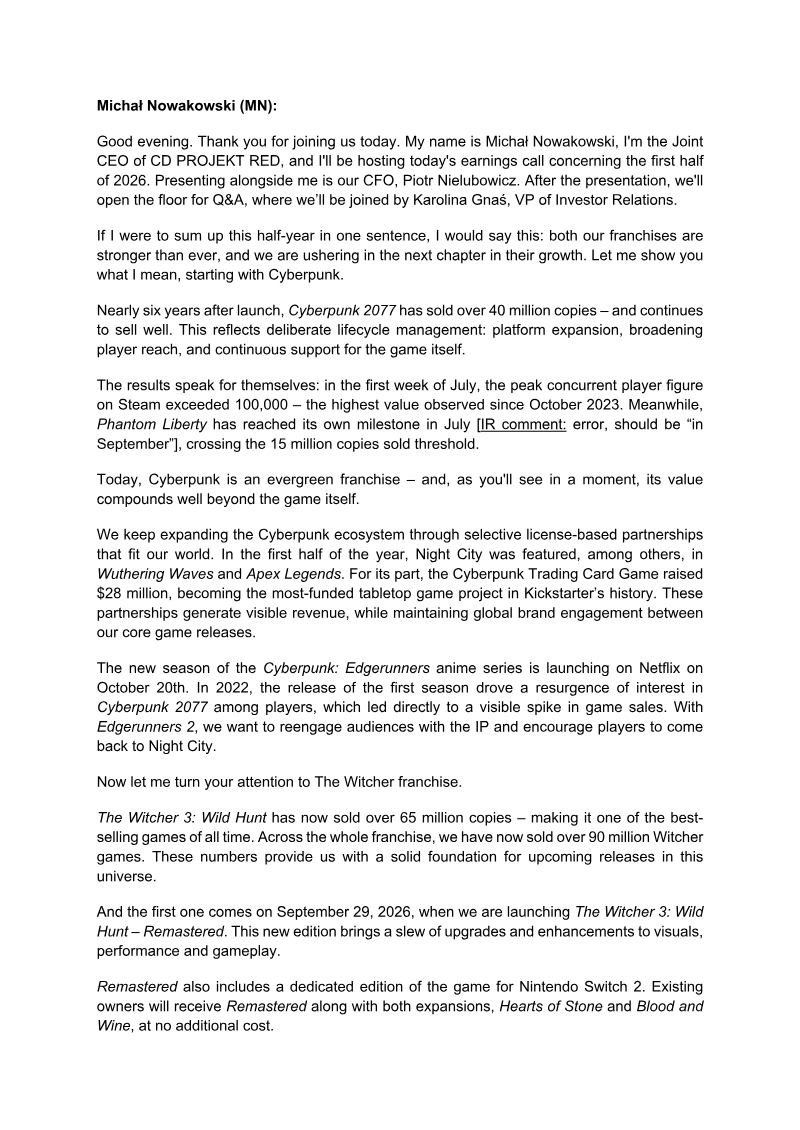
Steam released over 19,000 new games in a single year.
The gaming industry has transitioned from a finite to an infinite model. Steam alone saw over 19,000 new game releases in a single year.
Infinite model. The gaming industry has transitioned from a finite to an infinite model, moving from the Nintendo 64’s total library of fewer than 300 titles to over 19,000 new game releases…
19,000
New game releases on Steam in a single year
- Nintendo 64 total library
- 300
Subscription access
Subscription models replace scarcity with near-infinite access.
Streaming services and subscription-based content models provide near-infinite access. This often leads to constant, fragmented distraction rather than meaningful engagement.
The strategy
Curating consumption prioritizes niche, high-value interests.
Individuals must exercise agency by curating their consumption.
Personal agency. To avoid the cycle of habitual 'doomscrolling,' individuals must exercise agency by curating their consumption to prioritize niche, high-value interests.
The final step
Rejecting pressure to keep pace with infinite content.
Reclaiming personal agency requires rejecting the social and technological pressure to keep pace with the infinite stream of modern digital content.
The takeaway
Intentional curation is the only viable strategy.
Because time is finite, the only viable strategy for a fulfilling life is to curate one's consumption habits. This avoids the pitfalls of passive, habitual consumption.
1 / 7
Ask AI about this report