The iOS App Store underwent a profound transformation between 2010 and 2018, evolving from a nascent marketplace into a mature global economy characterized by massive revenue growth and a shift in monetization strategies. During this period, the platform facilitated over 170 billion downloads and generated $130 billion in consumer spend. While download volume grew at a steady compound annual growth rate of 15%, revenue surged at 52%, signaling a highly lucrative ecosystem where nearly 10,000 individual apps reached at least $1 million in annual consumer spend by 2017.
The gaming sector emerged as the primary economic engine of the platform, accounting for 75% of total consumer spend despite representing only 31% of total downloads. This financial dominance was mirrored by a fundamental shift in business models, as the industry moved away from paid downloads—which fell to less than 1% of the market—toward free-to-play mechanics and in-app subscriptions. Clash of Clans and Netflix established themselves as the all-time leaders in consumer spend for games and non-games respectively, while Facebook maintained the highest volume of total downloads.
Geographically, the center of the app economy shifted toward the Asia-Pacific region, which now accounts for nearly 60% of global iOS revenue. China, in particular, experienced a meteoric rise, overtaking the United States in 2016 to become the world’s largest market for both downloads and spending. This regional growth was largely propelled by domestic tech giants such as Tencent, Baidu, and NetEase. As the marketplace continues to mature, data-driven insights from providers like App Annie remain essential for businesses navigating this complex, multi-billion dollar landscape.
data.ai · 2024

data.ai · 2024
Adjust · 2024

data.ai · 2023

data.ai · 2023

data.ai · 2023

data.ai · 2023

data.ai · 2023
data.ai · 2022
data.ai · 2022
data.ai · 2022
data.ai · 2022

Almedia · 2026

Sensor Tower · 2026

Sensor Tower · 2026
AppLovin · 2026

Sensor Tower · 2026

Modern Times Group · 2026
AppMagic · 2026
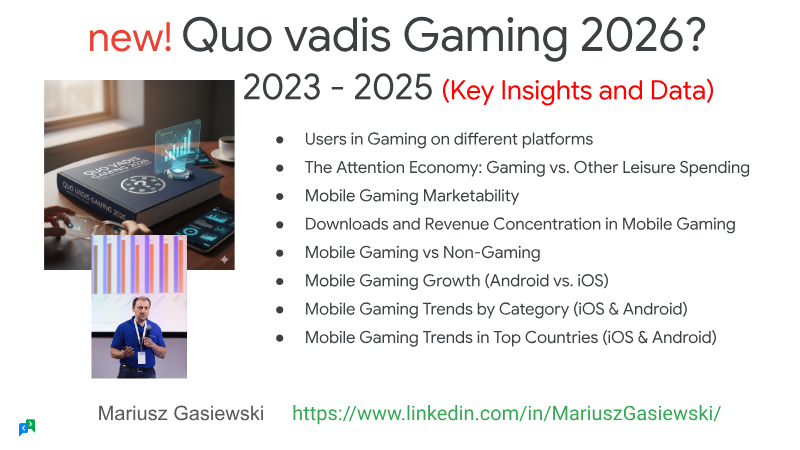
InvestGame · 2026
Coda · 2026

Sensor Tower · 2026
Sensor Tower · 2026
InvestGame · 2025