This analysis examines the ten-year trajectory of the Google Play Store, detailing its growth from January 2012 through August 2018. During this period, the platform facilitated nearly 330 billion downloads and generated over $85 billion in consumer spend. By August 2018, the ecosystem supported over 2.8 million available apps, with more than 5,000 individual titles surpassing $1 million in lifetime consumer spend. The findings exclude pre-installed applications and focus on worldwide performance, excluding China.
Geographic data reveals a significant divide between volume and monetization. India leads the world in total downloads with 36.9 billion, followed closely by the United States and Brazil. However, Japan represents the largest market by consumer spend, contributing $25.1 billion, which significantly outpaces the United States at $19.3 billion and South Korea at $11.2 billion. This revenue growth was heavily influenced by the 2012 introduction of in-app subscriptions and a 2017 policy change that reduced developer transaction fees for long-term subscribers, resulting in a 55% year-over-year increase in spend between 2016 and 2017.
The gaming sector remains a primary driver of engagement and revenue. Subway Surfers and Candy Crush Saga are identified as the most downloaded games of all time, while Monster Strike and Puzzle & Dragons lead in total consumer spend. Outside of gaming, Facebook-owned properties dominate the download charts, while communication and entertainment apps like LINE, Tinder, and Netflix lead in revenue. The analysis concludes with a forecast that Google Play consumer spend will reach $42 billion by 2022, representing a 90% increase from 2017 levels, driven by the continued evolution of video streaming, social platforms, and subscription-based monetization models.
data.ai · 2024

data.ai · 2024
Adjust · 2024

data.ai · 2023

data.ai · 2023

data.ai · 2023
data.ai · 2023

data.ai · 2023
data.ai · 2022
data.ai · 2022
data.ai · 2022
data.ai · 2022
Almedia · 2026
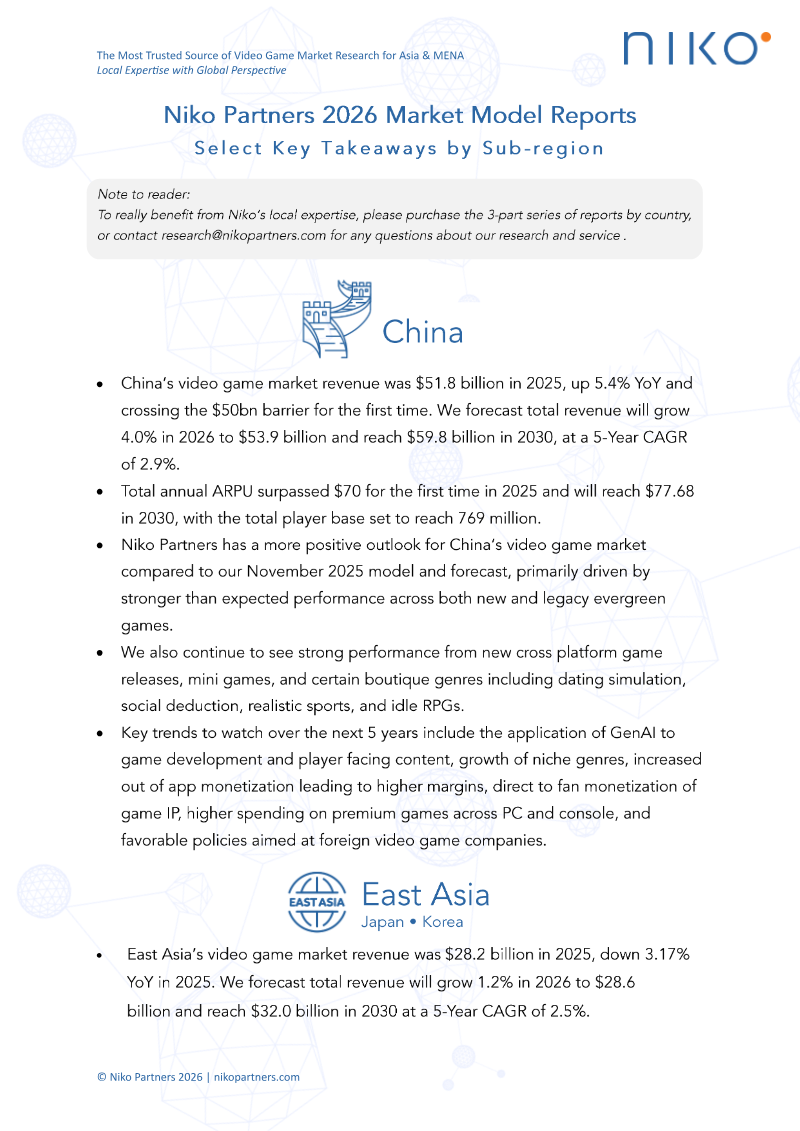
Niko Partners · 2026
Gamesight · 2026
Sensor Tower · 2026
Sensor Tower · 2026
AppLovin · 2026

Sensor Tower · 2026

Mintegral · 2026

Sensor Tower · 2026
Newzoo · 2026
Modern Times Group · 2026
Modern Times Group · 2026