Marketing & User Acquisition
Campaigns, ad creatives, app store optimization and the cost of a player.
236 documents

HPvX Partners
ReportEnabling Growth: Cohort User Acquisition Financing
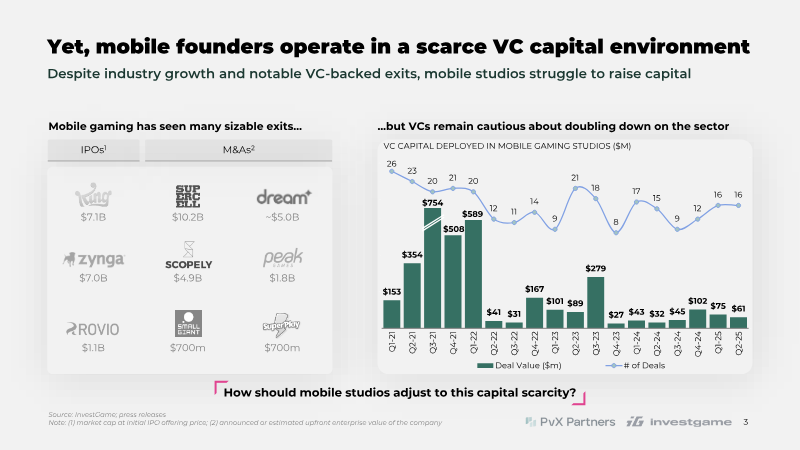
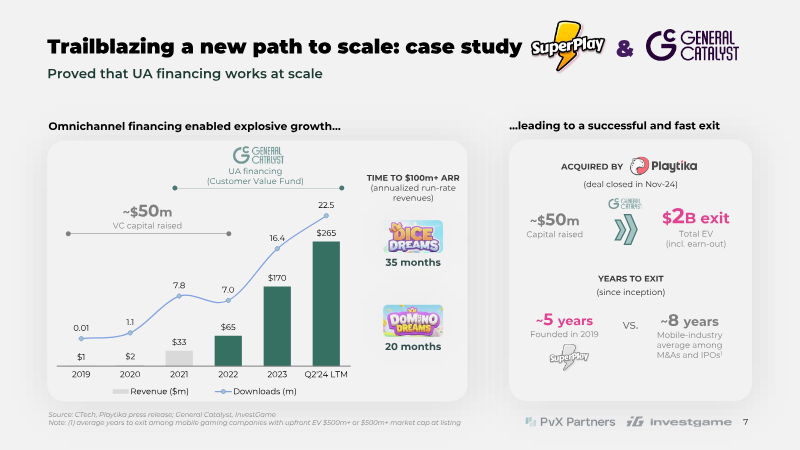
Mobile gaming has rebounded from the downturn of 2022‑23, with a projected compound annual growth rate of 5.0% from 2020 to 2025, driven largely by a 16.2% rise in in‑app advertising and the continued popularity of casual puzzle titles. The sector’s resilience is underpinned by AI‑powered ad tech, rewarded advertising platforms, multiplatform releases that bypass app‑store fees, and strategic IP licensing collaborations. Despite this growth, venture capital remains cautious; VC deployments in mobile studios have plateaued while high‑profile exits such as King, Zynga, and Playtika illustrate that capital is still scarce. Mature studios reinvest roughly one‑third of revenue into user acquisition (UA), yet only a minority secure the $30 million+ funding needed to sustain such spend, and smaller studios often allocate 70% or more of net revenue to marketing. PvX Partners’ cohort‑based UA financing addresses this gap by providing credit secured against future cohort revenues. The model offers up to 80% of monthly customer acquisition costs, recovers 80% of net revenues until repayment, and imposes a modest interest rate tied to Net Return on Ad Spend (ROAS). Case studies show that studios receiving this financing can increase monthly spend by 16–38% while boosting cash balances, achieving accelerated growth and faster exits—examples include Playtika’s acquisition of a $2 billion‑valued studio within 35 months. Overall, the analysis suggests that cohort‑based UA financing can unlock scalable growth for mobile studios that lack traditional VC backing, potentially expanding the market’s total UA spend from $143 billion to an additional $3.2 billion by 2027, while maintaining equity and IP control for founders.

Sensor Tower
ReportInvesting and Financial Management App Market and Advertising Trends 2025
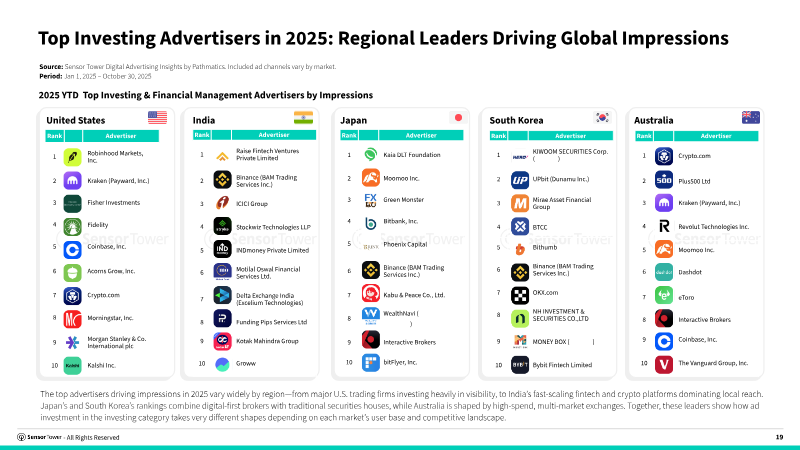
Investment‑management and crypto trading applications have accelerated growth in 2025, with global downloads rising 12 % to about five billion. The surge is driven primarily by mobile‑first trading platforms and cryptocurrency apps that attract tens of millions of new users annually, reshaping consumer access to worldwide financial markets. Market fragmentation is evident: U.S. and Japanese users prefer established brokerages, whereas India and Southeast Asian consumers gravitate toward local, mobile‑centric services. User demographics reveal a pronounced male bias across all regions, ranging from 70 % to over 90 % in crypto apps. Mature economies such as the U.S., Japan, and South Korea show a more balanced gender split (25–38 % female), while high‑growth markets like India and Vietnam have only 13–17 % female users. Age distribution centers on the 25‑44 cohort, with advanced markets featuring a larger share of users aged 35–54 and emerging markets attracting more 18‑24 year olds. Crypto platforms skew even younger, with up to 30 % of users aged 18‑24. Advertising strategies mirror these demographic patterns. In the U.S., large brokerages allocate substantial budgets to capture a mature market, whereas Indian platforms such as Groww and Angel One generate over 120 billion global impressions through low‑fee, mobile‑first experiences and relatable storytelling. In Japan and South Korea, digital‑first brokers dominate via high‑impact video and social media campaigns that align with local cultural preferences. Sensor Tower, a global mobile‑market intelligence provider headquartered in North America, Europe, and Asia, supplies four core products—App Intelligence, Store Intelligence, Ad Intelligence, and Usage Intelligence—to marketers, developers, and analysts seeking competitive insights across these rapidly evolving markets.
Sensor Tower
Report1H 2025 Amazon Retail Media: An Inside Look at How Brands Are Showing Up
Amazon Retail Media dominated the first half of 2025, capturing $618 million in ad spend—more than double Walmart’s $236 million and nearly six times Chewy’s $105 million—while attracting 9,542 unique advertisers, a figure nine times larger than Walmart’s 1,076. The network’s scale is driven primarily by consumer packaged goods (CPG) and technology brands, with Samsung leading spend ($7.1 million), followed by Unilever ($5.7 million) and L’Oréal ($5.3 million). Top product categories reflected this focus: Personal Care ($38 million), Computers & Consumer Electronics ($23 million), and Food & Beverages ($19 million). Monthly spend patterns on Amazon are largely advertiser‑driven rather than retailer‑initiated, with brand campaigns such as L’Oréal’s winter skincare and Vital Essentials’ spring dog‑treat promotion creating sharp spikes. Channel strategy analysis shows Amazon relies heavily on OnSite Display, accounting for 50 % of spend and 49 % of the network’s total advertising dollars, contrasting with a more balanced mix at competitors like Chewy and Home Depot. OffSite Display, social, and video placements are comparatively low, indicating a conversion‑focused approach that prioritizes high‑intent shoppers browsing Amazon’s own properties. Creative formats are largely formulaic, featuring “Shop Now” calls to action and discount messaging; only a few brands experiment with full‑funnel, multi‑channel activations such as Chips Ahoy’s combined OTT and OnSite strategy. These insights, derived from Sensor Tower’s Retail Media Insights platform—which aggregates spend, media mix, and creative data across retail partners—highlight Amazon’s unparalleled reach and conversion orientation while pointing to opportunities for brands to differentiate through broader channel mixes and stronger brand‑building narratives.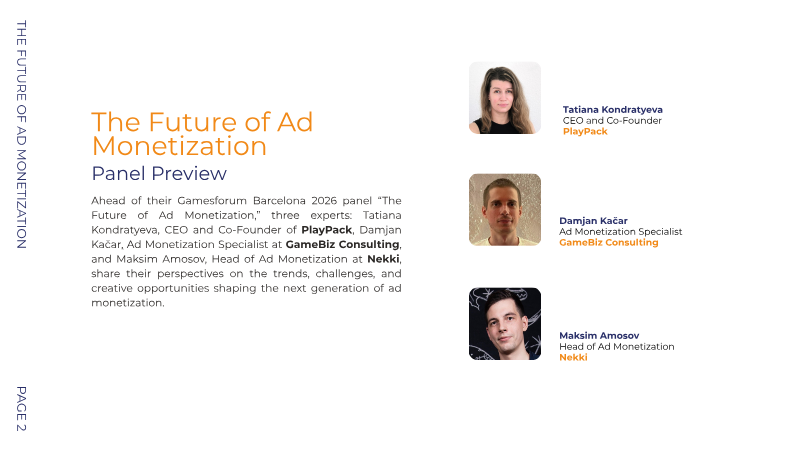

Gamesforum
ReportThe Future of Ad Monetization: Insights from Industry Leaders
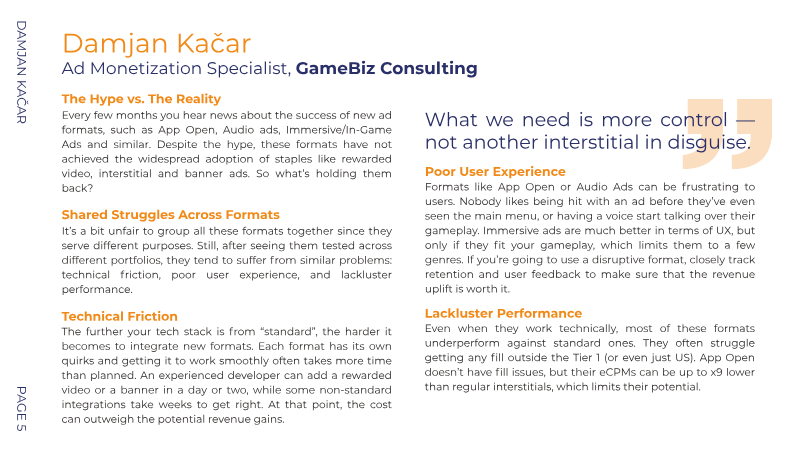
The panel “The Future of Ad Monetization” presented at Gamesforum Barcelona 2026 focuses on the evolving role of advertising within mobile game economies, arguing that ads are no longer ancillary revenue but integral to core gameplay loops. Experts from PlayPack, GameBiz Consulting, and Nekki highlight that by 2025 ad monetization has become one of the most challenging systems, requiring creative integration and data‑driven adaptivity. PlayPack’s Merge Away example illustrates how hybrid models combining rewarded ads and in‑app purchases can drive profitability, yet misaligned user cohorts can cause revenue drops of up to 30 %. The discussion stresses the necessity of real‑time visibility into ad source performance and the importance of designing ad moments as optional, rewarding side quests rather than punitive blockers. GameBiz Consulting’s specialist notes that newer formats such as App Open, audio, and immersive ads have yet to achieve widespread adoption due to user experience friction and lower eCPMs. He recommends cautious experimentation, high price floors for intrusive formats, and pairing ads with “no‑ads” purchase offers to mitigate churn. The panel also emphasizes that the future lies in contextual, segmented ad experiences—matching the player’s motivation and session flow—to transform ads from interruptions into meaningful choices. Nekki’s head of monetization projects that the most valuable in‑game currency will shift from virtual goods to player time, advocating for adaptive ad systems that respect individual player preferences. He foresees LiveOps integration of dynamic, data‑driven ad touchpoints tied to progression events. Overall, the panel concludes that sustainable revenue will stem from a balance of data insight, empathetic design, and adaptive monetization strategies that treat ads as living components of the game ecosystem.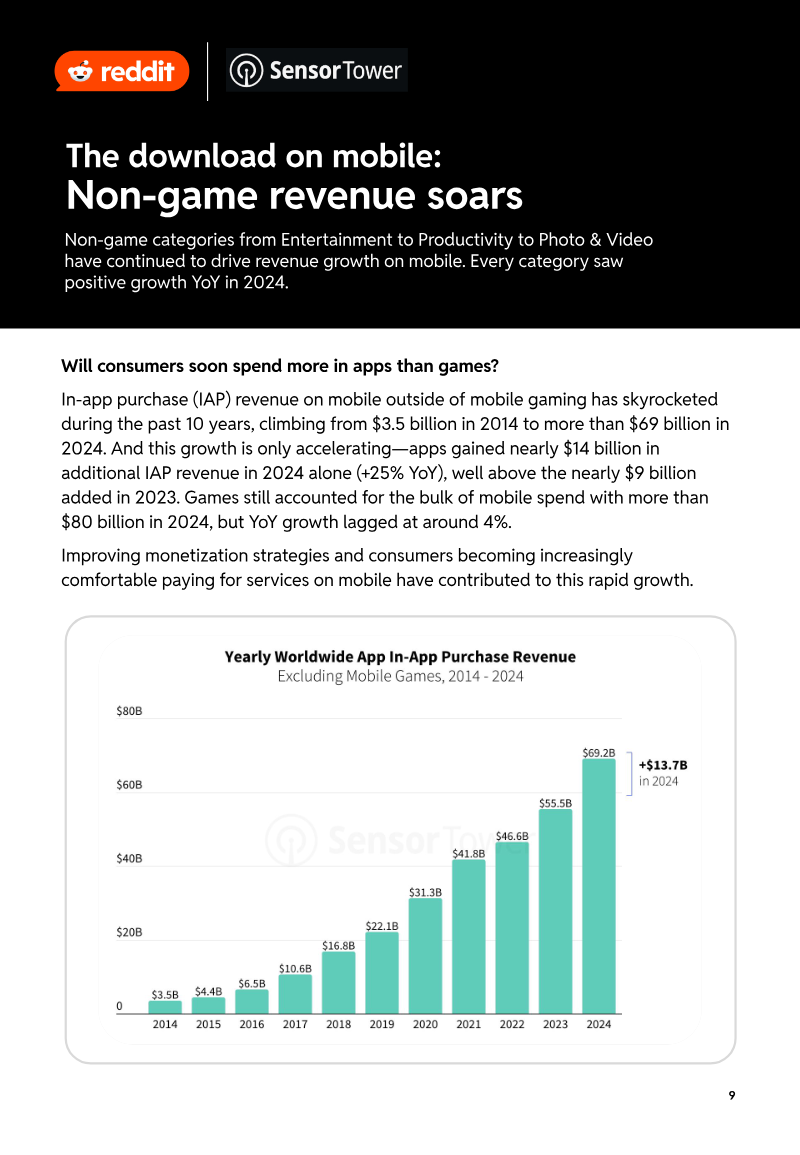

State of Mobile 2025: Why Community Wins on Mobile
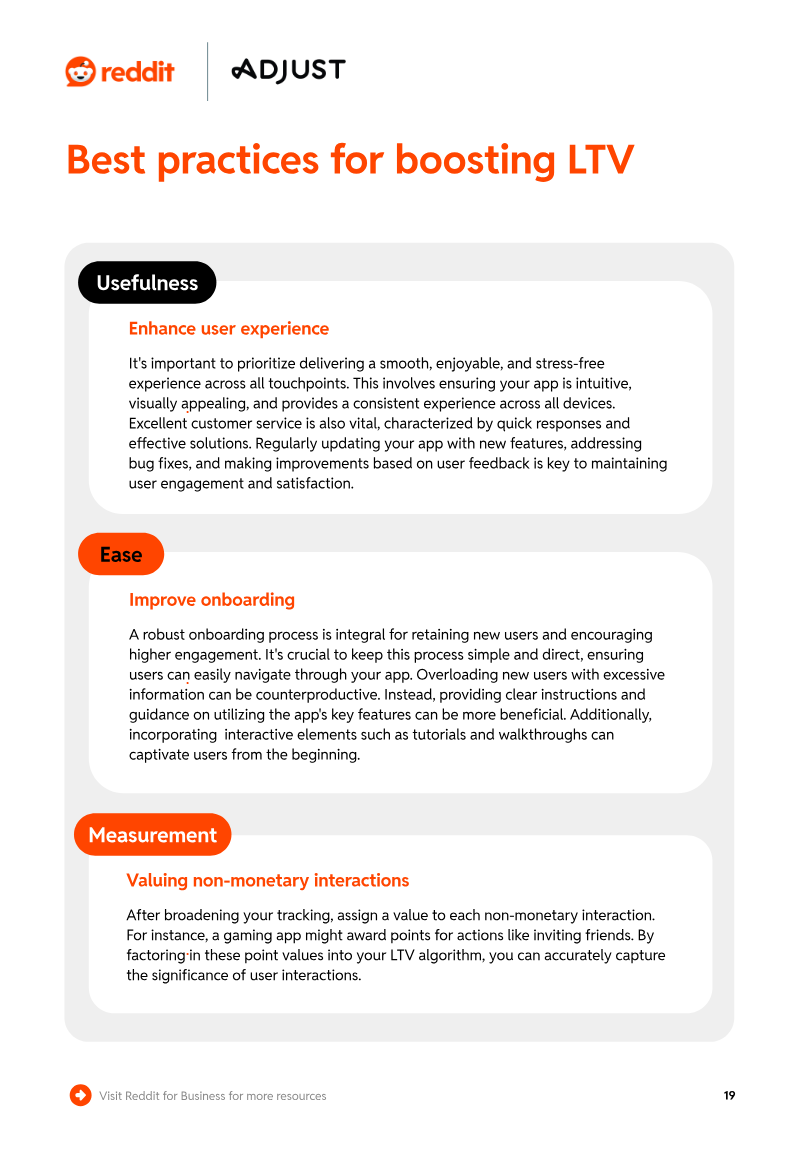
The State of Mobile 2025 report examines the current mobile ecosystem, emphasizing how community engagement—particularly on Reddit—drives sustained app growth. The analysis draws from data provided by Adjust, Sensor Tower, and Reddit’s own measurement tools, covering iOS and Google Play users worldwide during 2024. Key market metrics show that mobile app usage reached 4.2 trillion hours, with in‑app purchase revenue hitting $150 billion—a 13% year‑over‑year increase. Downloads have stabilized at roughly 135–140 billion annually, while average revenue per user rose to $285,000. Four major growth drivers are identified: generative AI apps (17 billion downloads in 2024, up from 5 billion in 2019), non‑game spend (in‑app purchase revenue outside gaming climbed $14 billion, a 25% YoY jump), mobile gaming (IAP revenue grew 4% to $81 billion, with strategy and puzzle genres leading), and cryptocurrency apps (session counts up 37% YoY, driven by Bitcoin price recovery). The report’s core thesis is that Reddit users exhibit higher engagement and monetization than users acquired through other social or digital channels. Adjust data on 150 million Reddit installs show that Reddit‑driven users spend 55% more time in-app on Day 1, rising to 103% by Day 30, and achieve 12–15% higher retention rates across North America, EMEA, and APAC. Day‑1 spend rates are 41% higher than other social platforms and 159% higher than digital media, underscoring the community’s influence on lifetime value. Methodologically, the study aggregates anonymous, event‑level data from Adjust, comparing key metrics—time spent, retention, and spend—across Reddit, other social platforms (Facebook, Twitter, TikTok, Snapchat, Pinterest), and broader digital media. The findings suggest that authentic, community‑driven conversations on Reddit not only accelerate download decisions but also foster deeper, more profitable user relationships. The report concludes with actionable best practices for brands to leverage Reddit’s conversational ecosystem, improve onboarding, and measure non‑monetary interactions to maximize long‑term LTV.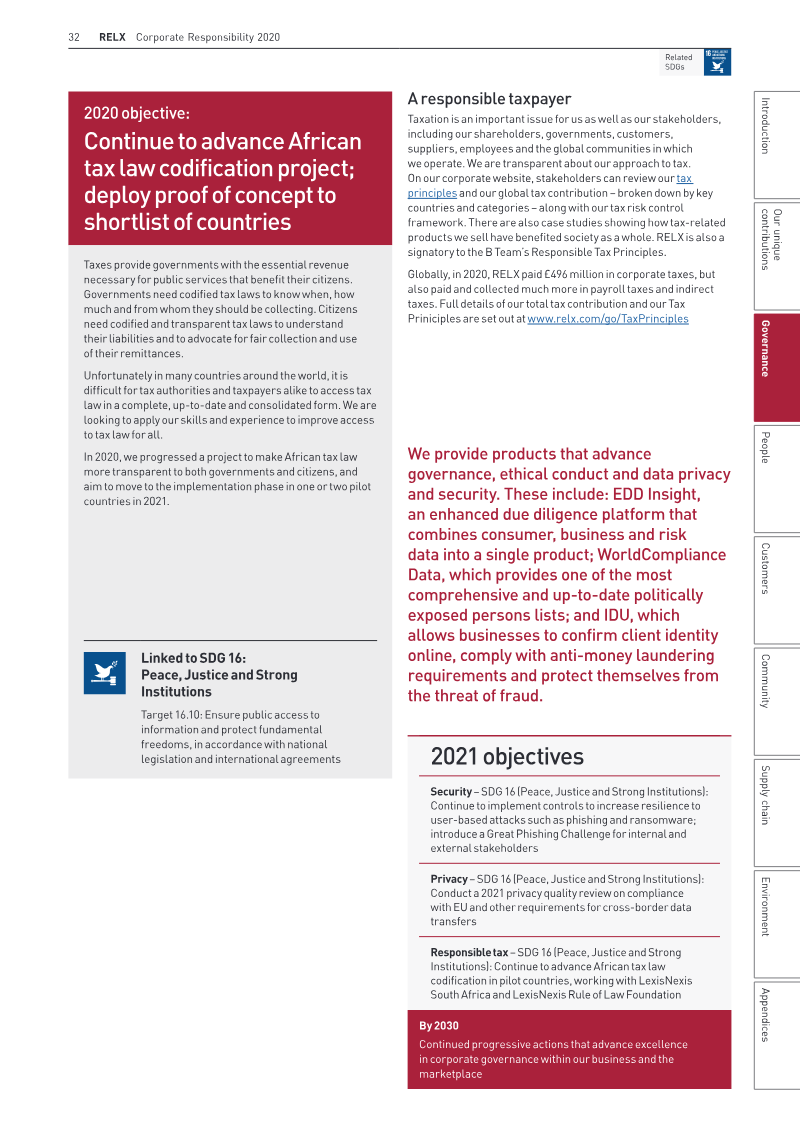

RELX
ReportCorporate Responsibility Report 2020
The 2020 Corporate Responsibility Report details how RELX integrated sustainability, ethical governance, and social impact into its global information-based analytics and decision-tool business. The primary thesis centers on the strategic alignment of core business capabilities—such as data dissemination, legal research, and scientific publishing—with the United Nations Sustainable Development Goals (SDGs). By leveraging its expertise in health, justice, and financial inclusion, the company sought to address systemic disparities while maintaining rigorous internal standards for data privacy, anti-corruption, and human rights. Key operational achievements in 2020 included reaching 100% renewable electricity usage and establishing new science-based targets to reduce Scope 1 and 2 carbon emissions by 46% by 2025. The company demonstrated significant social commitment through the "RELX Cares" program, which contributed £17.5 million in total value to community and educational initiatives, and by expanding its supply chain oversight, with 91% of tracked suppliers signing the company’s Code of Conduct. Furthermore, RELX prioritized workforce diversity and inclusion, reporting a 51% female workforce and launching extensive mental health and equity training programs to support employees during the COVID-19 pandemic. The report covers the company’s global operations throughout the 2020 fiscal year, emphasizing a transition toward digital-first products, which accounted for 87% of revenue. By utilizing frameworks such as the Taskforce on Climate-related Financial Disclosure (TCFD) and undergoing independent assurance by Ernst & Young, the company reinforced its commitment to transparency and accountability. Ultimately, the findings illustrate a comprehensive effort to embed environmental, social, and governance (ESG) priorities into the firm’s long-term business strategy, ensuring that technological innovation and corporate responsibility remain mutually reinforcing objectives.


AEVI
ReportPEGI: European Game Information
The text serves as an educational and promotional overview of the Pan‑European Game Information (PEGI) rating system, using a comic‑style narrative to capture the attention of younger gamers while delivering core information about age‑based content classification. Its central thesis is that PEGI provides the most comprehensive mechanism for informing consumers about video‑game suitability, thereby ensuring safe and informed purchasing decisions across Europe. Key points emphasize that PEGI operates in more than thirty countries and employs a traffic‑light colour scheme to convey age recommendations: green icons for games suitable for all audiences (ages 3 and 7), amber for intermediate levels, and red for titles restricted to adults (18+). The system also includes content descriptors that clarify specific elements that may affect suitability, reinforcing transparency for parents and players. The narrative illustrates the progression through various “worlds” representing age brackets—3, 7, 12, 16, and 18—highlighting that each tier is tailored to increasingly experienced gamers. The scope is continental, covering the European video‑game market and all major platforms, with references to the official website and downloadable applications for iPhone, Android, and Windows 7 Phone. No empirical methodology is presented; the piece relies on descriptive exposition and visual storytelling rather than survey data. Overall, the material positions PEGI as a reliable, universally adopted standard that guarantees 100 % informed choice for consumers.


Adjust
Report