Marketing & User Acquisition
Campaigns, ad creatives, app store optimization and the cost of a player.
232 documents
Anzu · 2023
ReportIn-Game Advertising Report 2023
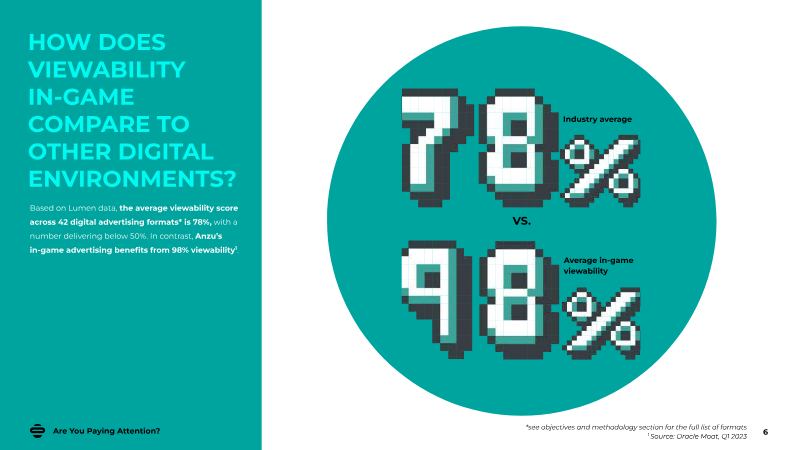
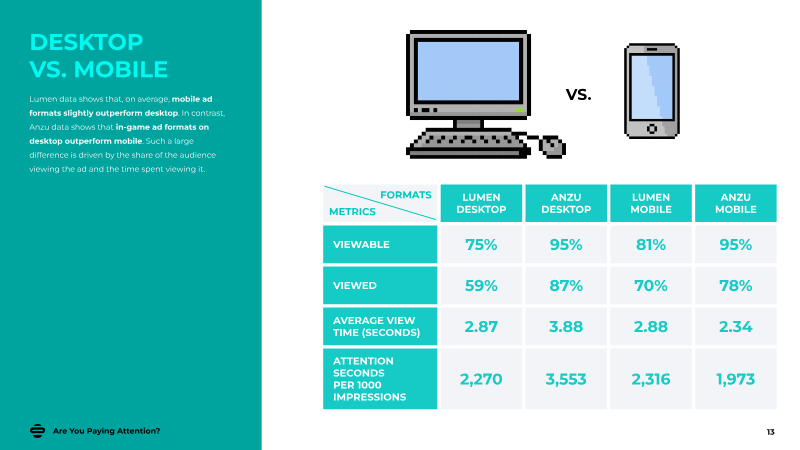
This analysis examines the efficacy of intrinsic in-game advertising as a high-engagement medium compared to traditional digital channels. Partnering with Lumen Research, the study utilizes eye-tracking technology and machine learning to analyze data from 25 specific brand campaigns and over 90 broader industry studies. The research focuses on global cross-platform environments, including mobile, PC, and console, comparing in-game performance against 42 standard digital advertising formats such as social media feeds and video platforms. The findings indicate that gaming environments significantly outperform traditional digital media in viewability and attention. In-game ads achieved a 98% viewability rate, compared to a 78% average for other digital formats. Crucially, 85% of in-game impressions were actually viewed by players, surpassing the digital norm of 65%. In terms of duration, 80% of the studied in-game ads exceeded the critical two-second viewing threshold required for memory encoding, averaging 3.1 seconds of attention. This translates to 2,795 attentive seconds per 1,000 impressions, which is 22% higher than the average across all other digital formats and outperforms 76% of individual digital advertising categories, including most social media display and video. The data concludes that high attention levels in gaming lead to measurable brand impact. Participants exposed to in-game ads showed a 9% point uplift in prompted brand awareness and a 7% point increase in purchase intent compared to control groups. For challenger brands, the impact was even more pronounced, with top campaigns seeing a 14% uplift in purchase intent. These results suggest that the immersive, "lean-forward" nature of gaming prevents the ad avoidance common in "distracted" media like TV or social scrolling, positioning in-game advertising as a superior tool for driving both brand recall and lower-funnel conversions.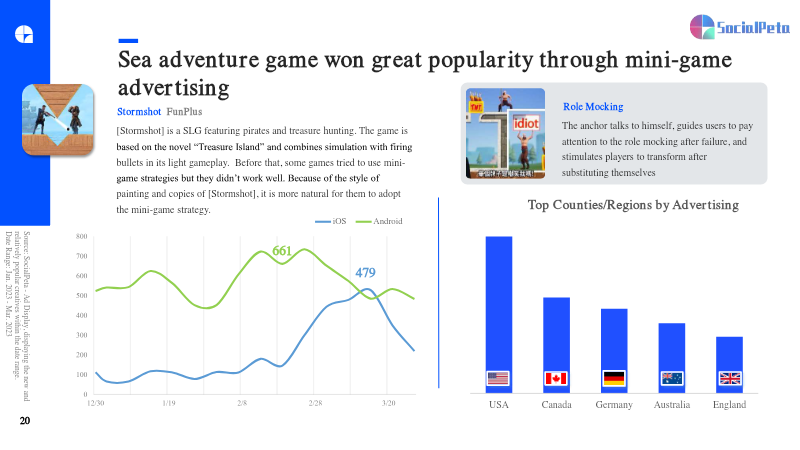

SocialPeta · 2023
ReportQ1 2023 Insights into Global Mobile Game Marketing Trends
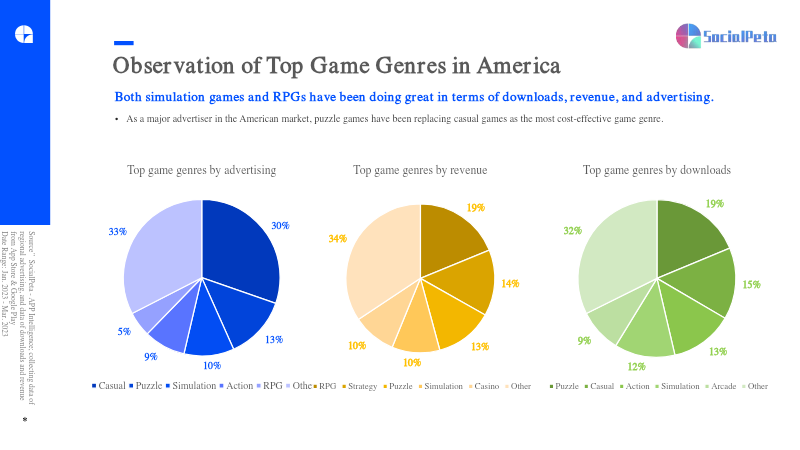
The global mobile game marketing landscape in early 2023 is characterized by a strategic pivot toward high-quality video content and localized engagement strategies. While the number of monthly active advertisers grew by 15% to over 160,000, the volume of new creative assets declined by 16%, signaling an industry-wide shift from quantity to quality. Android remains the primary platform for advertising, accounting for nearly 70% of total ad volume. Casual games continue to lead the market in both advertiser density and creative volume, though strategy and simulation genres are experiencing the most significant growth in advertiser participation. Marketing tactics have become increasingly sophisticated to combat rising acquisition costs and shifting consumer habits. Video content now comprises over 80% of all ad creatives, frequently utilizing "mini-game" mechanics, playable ads, and "deliberate failure" tropes to drive engagement. In the strategy sector, which is projected to see a 6.42% compound annual growth rate through 2027, developers are increasingly integrating casual gameplay elements into their marketing to broaden appeal. Conversely, the RPG market has cooled, experiencing its first revenue decline of 16% in 2022, leading advertisers in this space to rely more heavily on celebrity endorsements and gacha-related incentives. Geographic trends reveal a stark contrast in regional preferences and growth trajectories. North America maintains the highest advertiser density, while Southeast Asia and the Middle East are emerging as high-growth hubs, with Southeast Asian revenue projected to nearly double between 2020 and 2023. Regional success depends heavily on localization, such as TikTok-driven tournament content in Southeast Asia and social-integrated voice features in the Middle East. While puzzle games offer the most cost-effective advertising in the United States, the casino and simulation sectors are finding success in South America and global markets through relaxing creative themes and slots-focused advertising.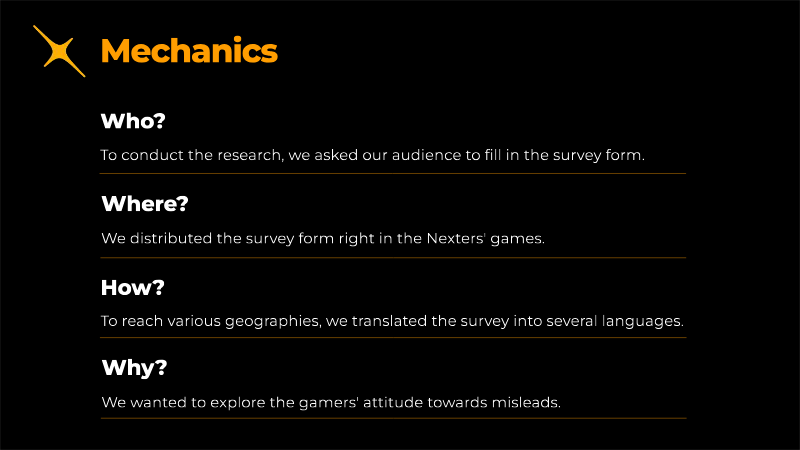

Nexters · 2023
ReportMisleading (Non-Core) Gameplay Ads Research 2023
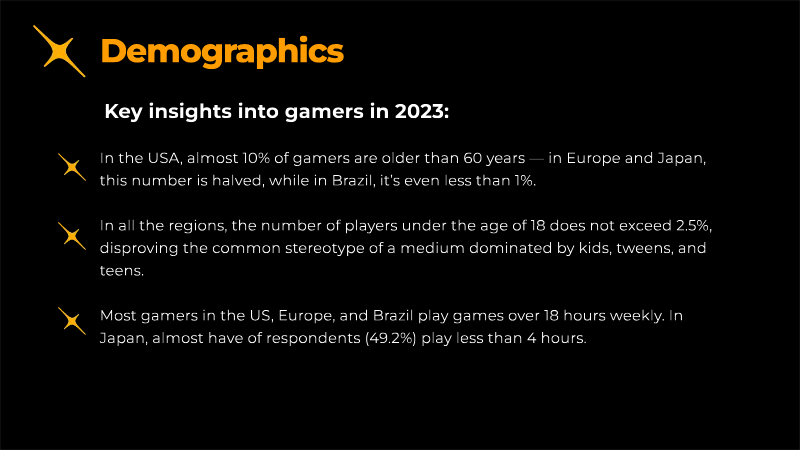
The prevalence and perception of non-core gameplay advertisements, often categorized as misleading, represent a significant shift in mobile gaming marketing strategies. Based on a 2023 survey of 5,212 respondents across the United States, Japan, Europe, and Brazil, findings indicate that a vast majority of gamers have encountered these ads. Recognition is highest in the United States at 91%, while other regions range between 71% and 77%. Despite the controversial nature of these promotions, approximately 75% of players in Western markets and 70% in Japan and Brazil admit that the mechanics showcased in these ads are often more fascinating than the actual core gameplay of the advertised titles. The research challenges the assumption that misleading ads lead to immediate user churn. Between 35% and 46% of gamers reported they would continue playing a game despite the discrepancy, choosing to evaluate the product on its own merits rather than the accuracy of the advertisement. Players generally understand that developers use these tactics to inflate download numbers and revenue or to revitalize interest in older titles. The most appealing elements of these ads are the specific gameplay mechanics and puzzles, while user interface and new features hold the least draw. Notable titles associated with this phenomenon include Hero Wars, various "Scapes" games, and Evony. Demographic data reveals that the modern gaming audience is maturing, with nearly 10% of U.S. gamers over the age of 60 and less than 2.5% of the global sample under 18. Regional preferences vary significantly; casual titles dominate the U.S. market, while RPGs and complex math-based mechanics are preferred in Japan. In Europe and Brazil, competitive RPG and MMORPG genres lead in popularity. While engagement is high in the West, with many playing over 18 hours weekly, nearly half of Japanese respondents play for less than four hours per week. Ultimately, the industry is seeing a blurring of lines as developers integrate these advertised mini-games into their products to transition from "misleading" to "non-core" content.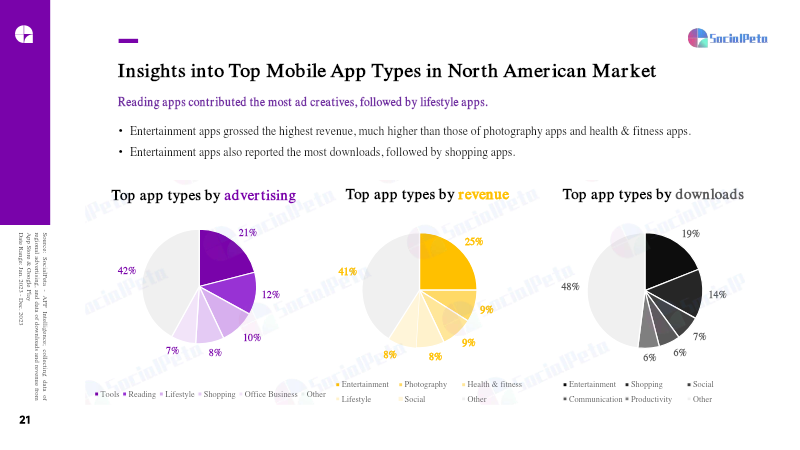

SocialPeta · 2023
ReportInsights into Marketing Trends of Global Mobile Apps
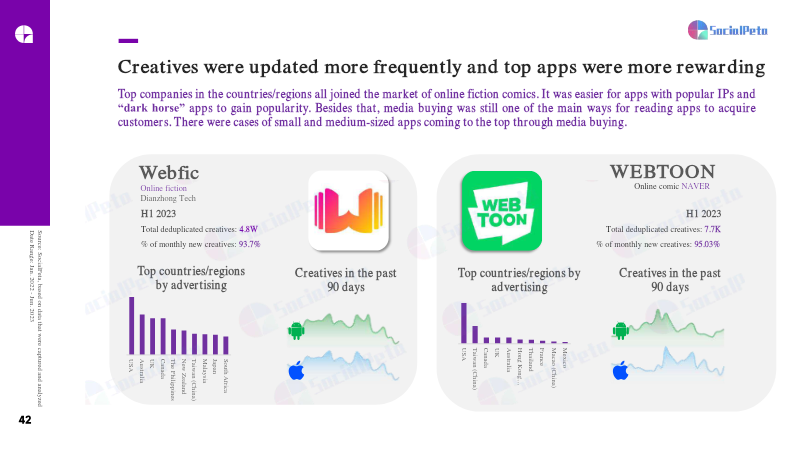
The global mobile app marketing landscape in the first half of 2023 was defined by intense competition and a decisive shift toward dynamic content. Over 93% of the approximately 170,000 active advertisers launched new creatives during this period, with emerging markets in Africa and South Asia exhibiting the highest creative density. Android emerged as the primary platform for this activity, accounting for over 70% of total creatives. Video content has solidified its dominance, representing 45% of total ad impressions globally and reaching as high as 72% in the Middle East, while traditional static image performance continues to decline. Sector-specific trends highlight a massive AI-driven boom in tool apps, which saw year-over-year advertiser growth exceeding 100% across all tracked regions. While entertainment and social apps continue to lead in revenue and downloads across North America and Southeast Asia, the Middle East has surfaced as a high-potential market characterized by a young demographic and high digital engagement. In contrast, the reading app sector has reached a stage of maturity, relying on high creative refresh rates and established intellectual properties to sustain market share in an increasingly crowded environment. Technological innovation, particularly in Artificial Intelligence and Augmented Reality, is fundamentally altering user engagement. AI-integrated tools and "Social+" entertainment platforms are attracting heavy investment in Tier-1 markets, while AR is transitioning from a novelty to a core marketing medium. With over 300 million daily AR users already active on major social platforms, projections suggest that nearly 75% of the global population will be regular AR users by 2025. This shift is driven by the high visual attention and trust associated with immersive formats, which offer significantly higher receptivity compared to traditional digital advertising methods.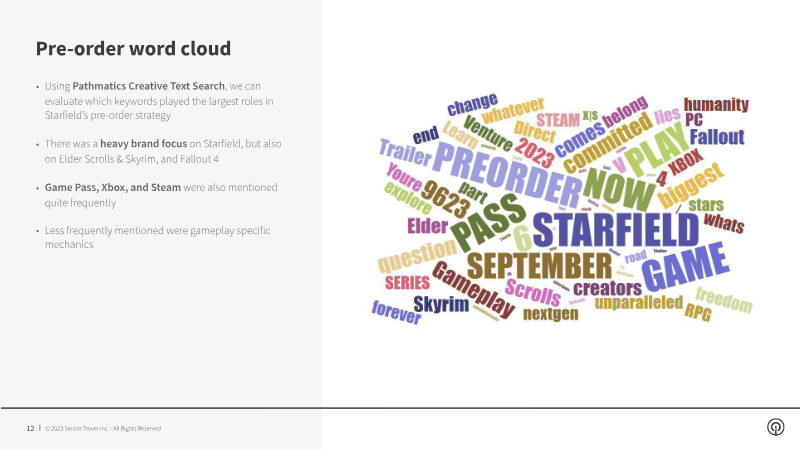

Sensor Tower · 2023
ReportHow Starfield Reached 10M Users
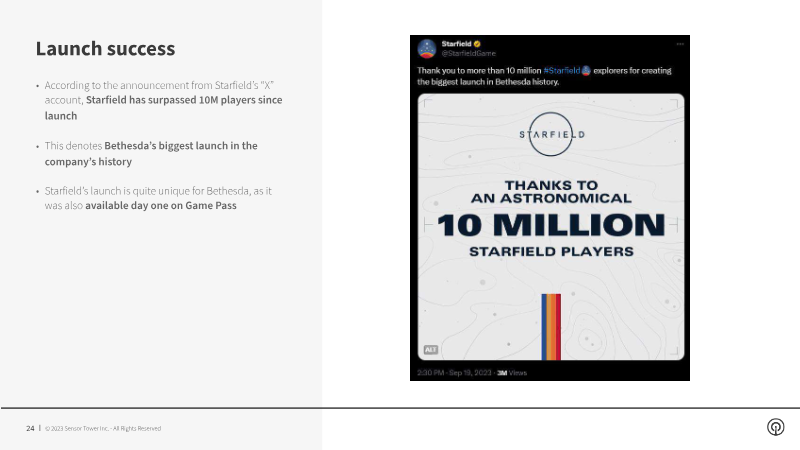
The launch of Starfield represents a significant evolution in Bethesda’s marketing methodology, transitioning from traditional brand-focused teasers to a sophisticated, multi-channel digital strategy. By prioritizing TikTok, Instagram, and Twitch, the campaign successfully targeted modern gaming audiences, ultimately reaching 10 million players to become the largest launch in the studio's history. A central component of this success was the strategic integration with Microsoft’s ecosystem, which emphasized immediate availability on Xbox Game Pass and utilized AI-driven cross-promotion via Bing. This approach was bolstered by hardware partnerships with companies like AMD, which bundled the game with PC components to incentivize premium edition adoption. The financial scale of the campaign was substantial, involving a $21.2 million advertising spend in the United States, which accounted for approximately 70% to 77% of the total global marketing budget. During the critical launch window, investment pivoted heavily toward Over-the-Top media and short-form video content. While these efforts secured a top-30 all-time peak on Steam and record-breaking player counts, the title faced a complex competitive landscape. Simultaneous releases and updates for Baldur’s Gate 3 and Cyberpunk 2077 contributed to a polarized reception, reflected in a Metacritic user score of 6.6/10 despite the game's commercial dominance. Data-driven market intelligence remains essential for navigating such competitive environments, as evidenced by the reliance on digital monitoring tools to optimize regional targeting and creative messaging. By analyzing competitor spending and platform-specific engagement, major industry entities like Activision and Electronic Arts continue to refine their strategies. The Starfield case study illustrates that while massive financial investment and platform exclusivity can drive unprecedented user acquisition, long-term sentiment is increasingly shaped by the broader market context and the specific demands of a digitally native player base.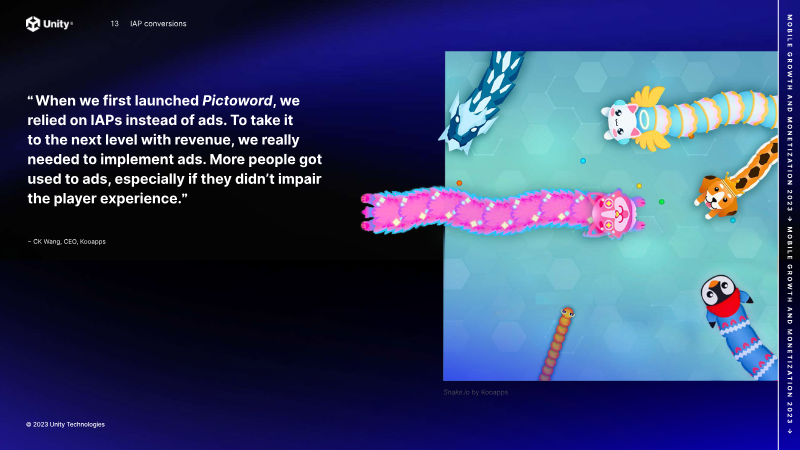
Unity · 2023
ReportMobile Growth & Monetization Report 2023
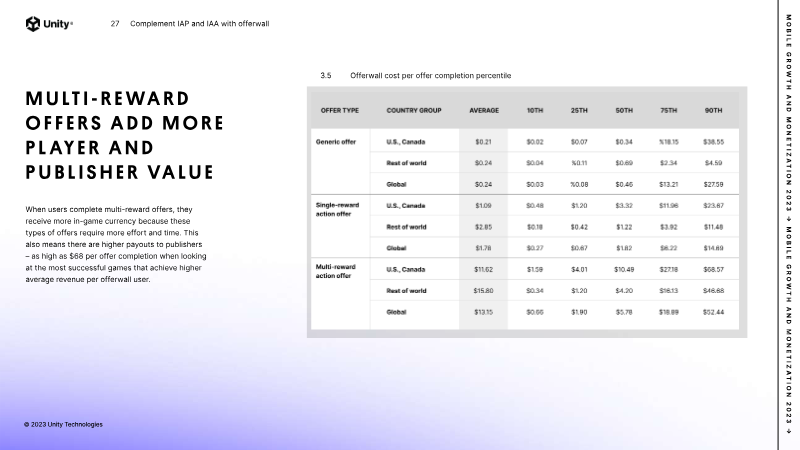
The mobile gaming landscape in 2023 reflects a strategic pivot toward operational efficiency as developers navigate softening in-app purchase (IAP) and advertising revenues. Success currently hinges on capturing player interest within the first 14 days, a critical window where 77% of all conversions occur. To capitalize on this timeframe, monetization strategies emphasize low-friction price points between $1.01 and $5.00, with high-performing assets such as virtual currencies, limited-time bundles, and sales generating over 56% of total IAP revenue. Beyond direct purchases, the integration of rewarded video ads and offerwalls has become essential for sustaining non-paying user bases. Strategic ad placement between levels or within game lobbies yields the highest engagement, particularly when incentivized by currency or gacha mechanics. Offerwalls, in particular, represent a significant growth lever, contributing 33% of total ad revenue for games utilizing multi-faceted monetization. These tools also serve as powerful retention drivers; players engaging with offerwalls demonstrate a 14% retention rate at Day 90, vastly outperforming the 3% rate seen among non-converters. From a global marketing perspective, hypercasual advertising remains the most effective conversion engine across the majority of gaming genres. Advertisers are increasingly looking toward high-value Tier-2 markets, noting exceptional click-through rates for sports titles in Japan and trivia games in South Korea. Furthermore, the adoption of Custom Store Pages is emerging as a vital tactic for improving return on investment, particularly within the puzzle, casino, and lifestyle segments. These findings underscore a broader industry trend toward data-driven personalization and diversified revenue streams to maintain long-term player lifetime value.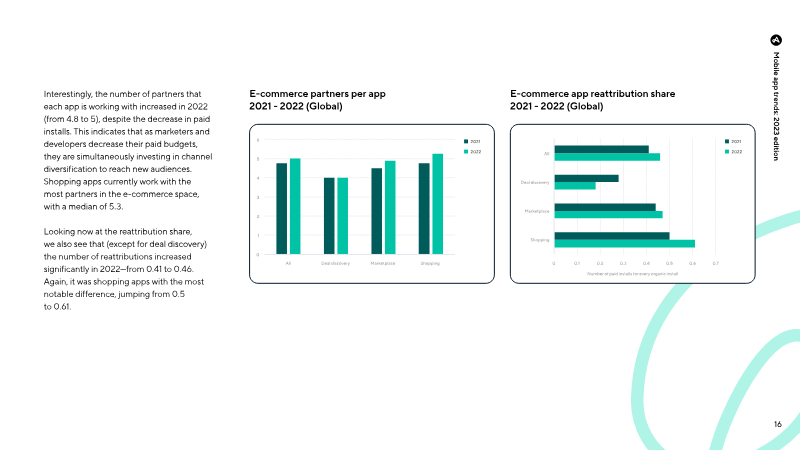

Adjust · 2023
ReportMobile App Trends: 2023 Edition
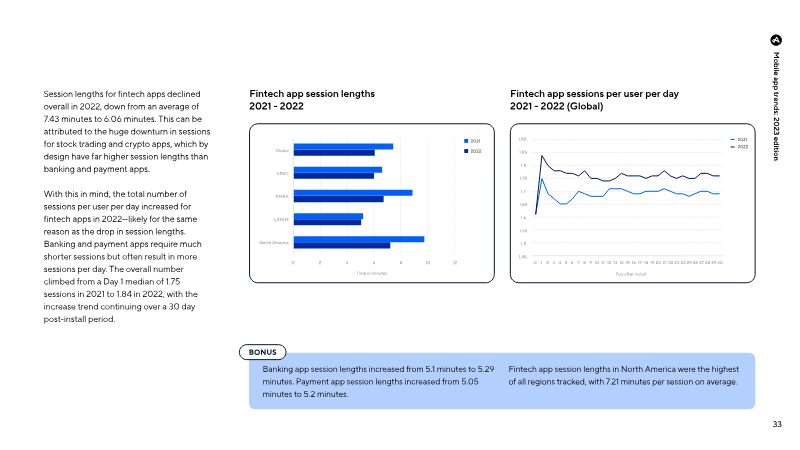
The mobile application market entered a period of significant transition in 2023, navigating a complex landscape defined by economic volatility and evolving privacy regulations. Despite these headwinds, the industry achieved a record half-trillion dollars in combined advertising and consumer spending. While global advertising growth slowed to 14% and consumer spending experienced a marginal 2% decline, the sector demonstrated remarkable resilience through strategic adaptations. Key shifts include a rising App Tracking Transparency (ATT) opt-in rate of 29% and an increased reliance on media mix modeling and Connected TV (CTV) to optimize return on investment in a privacy-centric environment. Sector-specific performance reveals a stark contrast between industries. Fintech and e-commerce emerged as primary growth drivers, with fintech in-app revenue surging over 90% between late 2022 and early 2023. E-commerce sessions grew by 12%, supported by record-breaking revenue peaks in late 2022. Conversely, the mobile gaming industry faced its most challenging year on record in 2022, marked by a 12% decline in installs and a 9% drop in consumer spending. However, early 2023 data indicates a nascent recovery for gaming, with installs and sessions rebounding by 10% and 11% respectively over previous averages. The current market environment necessitates a shift from broad acquisition strategies toward long-term user retention and sophisticated measurement. As retention and "stickiness" remain persistent challenges across all verticals, developers are increasingly prioritizing reattribution campaigns, personalized onboarding, and loyalty programs. Success in the coming years depends on the adoption of advanced analytics and cross-platform insights to navigate data-privacy requirements. By leveraging these tools, stakeholders can effectively drive user acquisition and maximize lifetime value in an increasingly competitive global marketplace.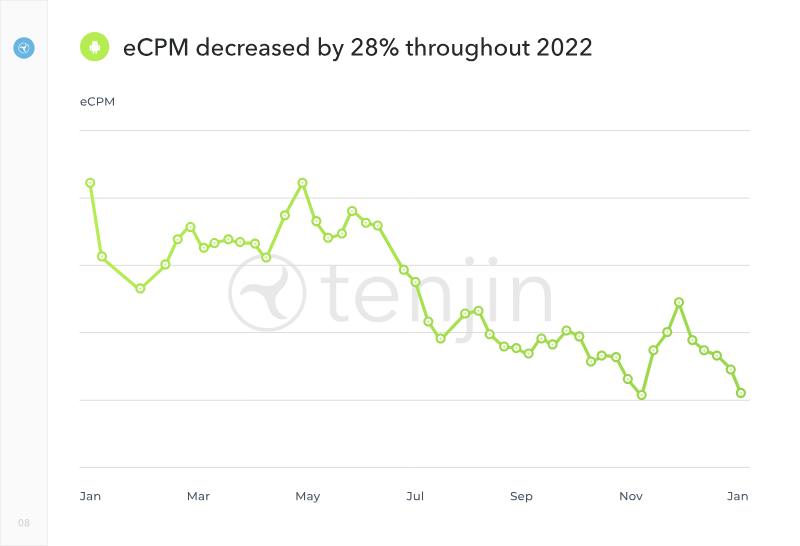
Tenjin · 2023
ReportFrom Hyper to Hybrid: Hypercasual Gaming Trends 2023
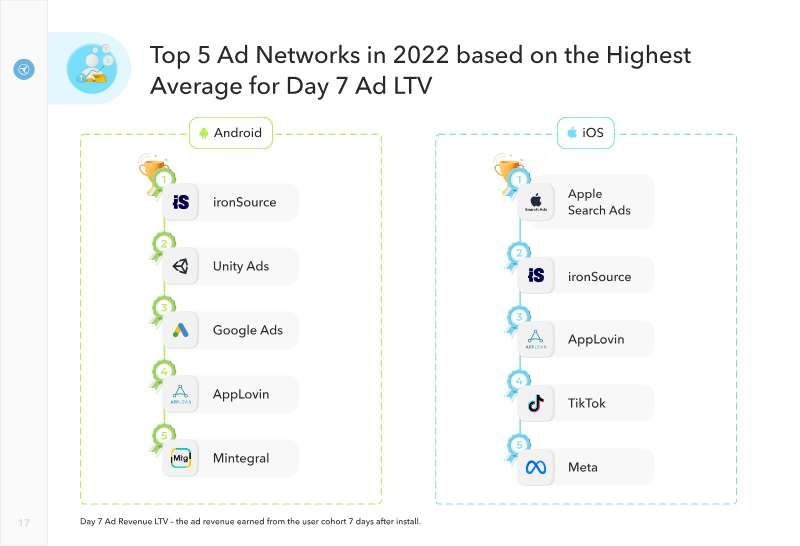
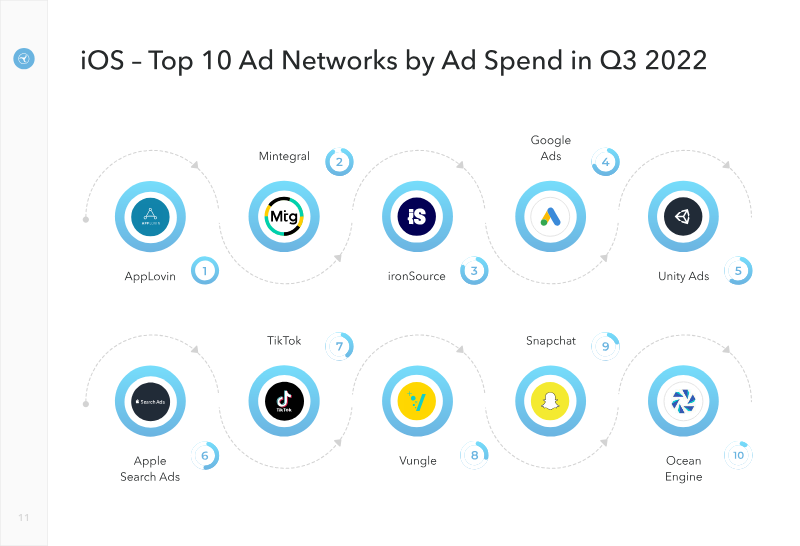
The mobile gaming landscape is undergoing a significant structural shift as developers transition from hyper-casual models toward hybrid-casual strategies. This evolution is driven by a marked decline in ad revenue profitability, influenced by the implementation of App Tracking Transparency on iOS, shifting post-pandemic user behaviors, and increased selectivity from major publishers. To maintain sustainability, developers are increasingly integrating in-app purchases and meta-gameplay components into their titles while opting for self-publishing models to retain greater control over their assets. Data from 2022 reveals a downward trend in ad impressions and eCPMs across both Android and iOS platforms. Conversely, the volume of in-app purchases grew on both operating systems, signaling a successful pivot toward diversified monetization. Geographically, the United States remains the dominant market, ranking first for both ad revenue and in-app purchases across platforms. India emerged as the leading territory for total installs on Android, highlighting the importance of emerging markets for scale, even as monetization remains concentrated in Tier 1 regions. The competitive landscape for ad networks and monetization channels shows distinct leaders. Apple Search Ads dominates the iOS ecosystem, securing the top position in multiple categories including retention and lifetime value. On Android, AppLovin and ironSource lead the market. AppLovin specifically stands out as the top monetization channel by total ad revenue on both operating systems. For eCPM performance, Meta Audience Network and ironSource lead on Android and iOS respectively. These findings are based on anonymized data collected throughout the 2022 calendar year, utilizing a weighted average methodology. The analysis focuses on high-scale performance, only including countries and ad networks that exceeded a threshold of 25 million installs. This comprehensive view underscores a broader industry movement where the traditional reliance on pure advertising is being replaced by a more balanced, hybrid approach to game design and revenue generation.

data.ai · 2023
ReportGaming Spotlight 2023: The Year in Review
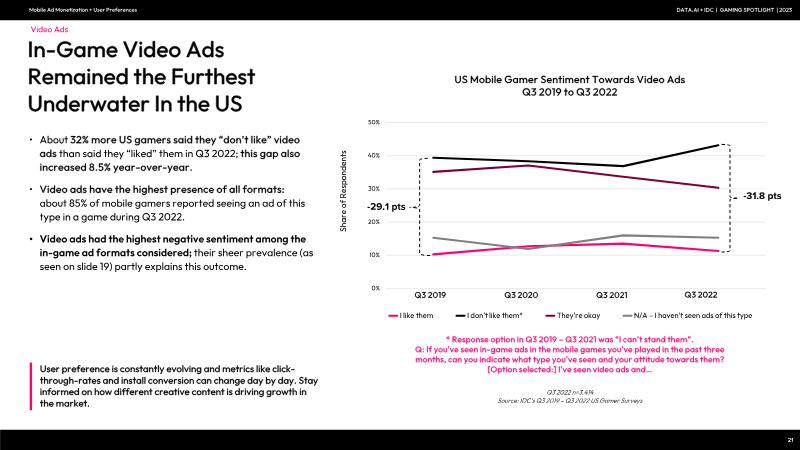
The 2023 Gaming Spotlight provides a comprehensive analysis of the global gaming landscape, focusing on market shifts across mobile, PC, and console platforms during the first half of 2023. Utilizing data from data.ai and IDC, the analysis highlights that while mobile remains the largest market opportunity, it faces a projected 2% year-over-year decline in consumer spend to $108 billion. This softening is attributed to macroeconomic instability, privacy regulations like Apple’s App Tracking Transparency (ATT), and stricter regulations on adolescent gaming in China. In contrast, home console and PC/Mac spending are expected to rise by 3% and 4% respectively, driven by increased hardware availability and subscription-based revenue. Geographically, the Asia-Pacific region remains a primary revenue driver, with South Korea showing significant market share gains. The report identifies a shift in handheld gaming; while the Nintendo Switch Lite faces declining interest, newer devices like the Steam Deck are gaining traction, albeit with distinct demographic profiles. Mobile gaming success in H1 2023 was defined by titles like Monopoly GO and Honkai: Star Rail, which leveraged strong intellectual property and sophisticated monetization strategies, such as high-value in-app purchases and social engagement features. A significant portion of the analysis examines user acquisition and monetization challenges. Findings indicate that US gamer sentiment toward in-game advertising is deteriorating, with negative sentiment toward banner and video ads rising significantly. Rewarded video remains the most tolerated format due to its clear value exchange, though even its popularity has dipped. The report concludes that as acquisition costs rise and tracking becomes more difficult, publishers must optimize creative strategies—particularly through playable ads for action genres—and diversify monetization models beyond traditional ads to include subscriptions and battle passes to maintain growth in an increasingly competitive and privacy-conscious environment.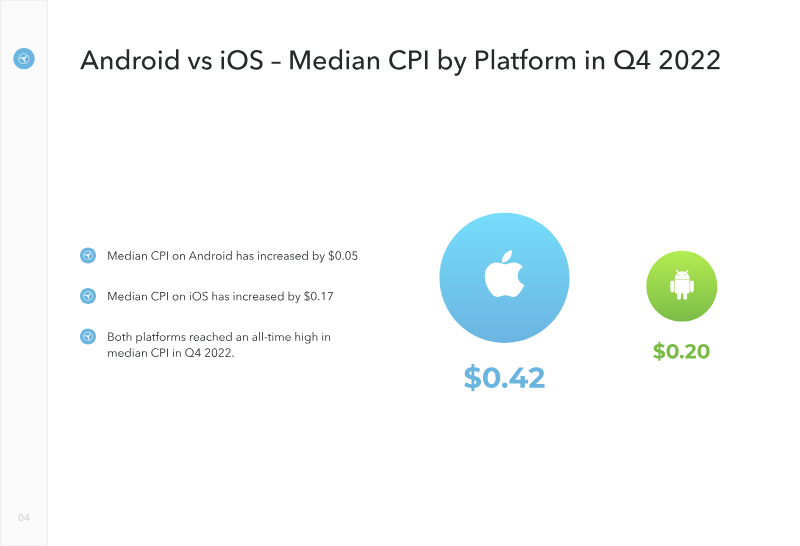
Tenjin · 2022
ReportHyper-Casual Games Benchmark Report: Q4 2022
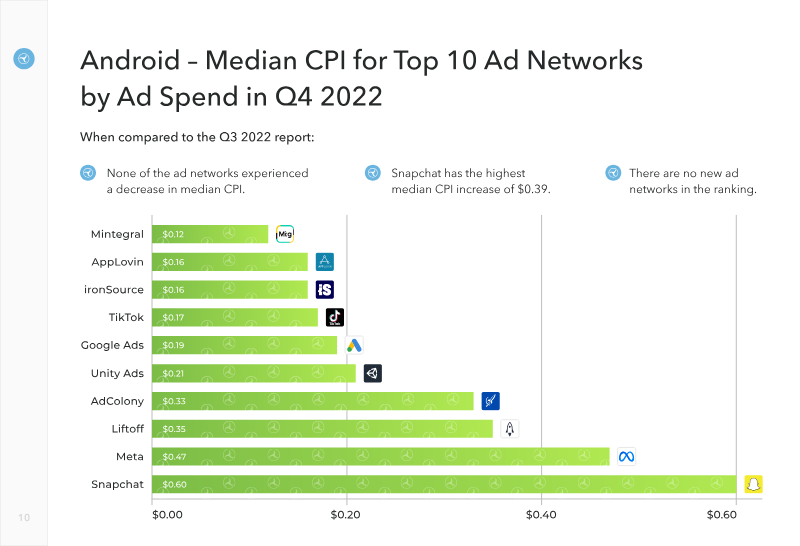
The benchmark focuses on hyper-casual mobile games during the fourth quarter of 2022, comparing performance metrics across iOS and Android and highlighting shifts from the previous quarter. Data are drawn from GameAnalytics, which tracks more than 100 000 titles and reaches roughly one-third of the global mobile player base, providing a broad, cross-regional view of the segment. Cost-per-install (CPI) reached an all-time high of $0.20 median on both platforms, with the overall median CPI rising to $0.42. Android’s median CPI grew by $0.05 while iOS saw a larger increase of $0.17. Among the top ten ad-spending countries, the United States posted the highest iOS median CPI at $0.80, overtaking France and Germany, while Brazil dropped out of the ranking. South Korea and Canada recorded the steepest CPI hikes on Android, each climbing $0.06 from Q3 2022. The report covers major markets in North America, Europe, Asia-Pacific and Latin America, reflecting a worldwide scope. Retention benchmarks reveal a consistent advantage for iOS. In the top-2% of games, Day 1 retention was 45% on iOS versus 38% on Android, and Day 7 retention stood at 19% versus 14%. For the top-25% tier, Day 1 rates were 33% (iOS) and 28% (Android), with Day 7 at 10% and 6% respectively. Across all titles, median Day 1 retention was 24% on iOS and 23% on Android, while median Day 7 retention was 7% versus 4%. The gap between elite, good and average games is pronounced, underscoring the importance of early-stage player engagement. Overall, Q4 2022 saw rising acquisition costs and modest but platform-dependent retention

SocialPeta · 2022
ReportMobile Game Marketing: Insights & Trends of Popular Game Genres Q3 2022
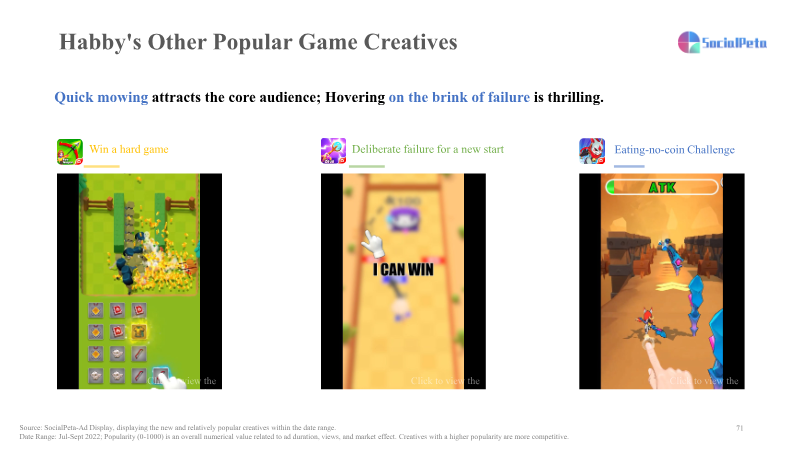
The analysis examines mobile-game marketing dynamics during the third quarter of 2022, concentrating on the performance of leading genres and the geographic distribution of traffic and revenue. By comparing download activity, user engagement, and monetisation across regions, it identifies where growth opportunities are emerging and which markets continue to dominate the ecosystem. Casual games recorded only modest increases in downloads, adding roughly five million installs versus the previous quarter and less than one percent year-on-year growth. Despite the limited acquisition surge, daily-active-user and monthly-active-user ratios remained stable, while revenue climbed seven percent year-on-year, an uplift of about thirty million dollars. The United States accounted for the largest share of earnings, generating more than $250 million—46 percent of total casual-game revenue—and posted an eleven-percent increase over the prior year. Meanwhile, less-developed markets showed accelerating expansion, signalling untapped monetisation potential. Regionally, North America retained its position as the primary source of mobile-game traffic, delivering a five-percent year-on-year rise in downloads and a modest one-percent quarter-on-quarter gain. Southeast Asia emerged as the fastest-growing market, with download growth of eleven percent year-on-year and twelve percent quarter-on-quarter, underscoring its role as a catalyst for user-base expansion. The contrast between the mature, revenue-rich U.S. market and the rapidly scaling Southeast Asian audience highlights divergent strategic imperatives for acquisition versus monetisation. Overall, the findings suggest that while casual-game revenue remains anchored by the United States, future growth will be driven by intensified marketing efforts in emerging regions, particularly Southeast Asia. Companies that balance retention-focused tactics in established markets with aggressive user-acquisition campaigns in high-growth territories are likely to optimise both short-term earnings and long-term audience development.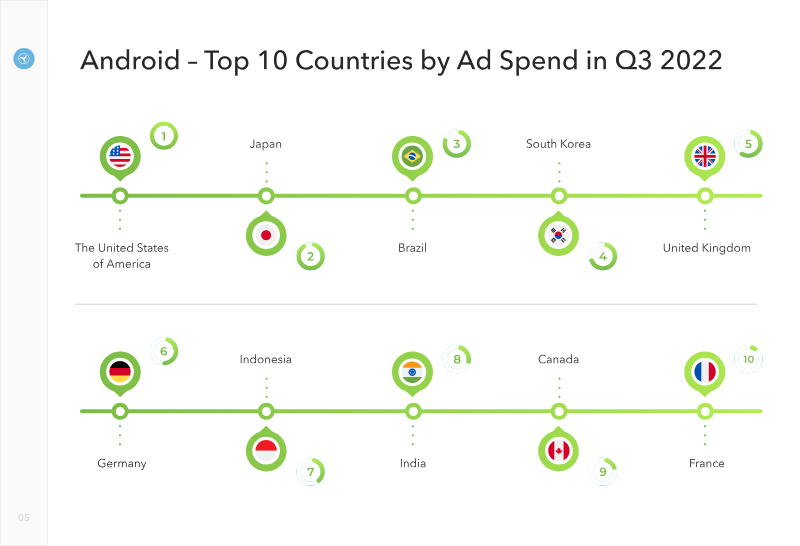
Tenjin · 2022
Report